

INDIA expects the Omicron variant of Covid-19 to cause less severe impact, the country’s health ministry on Friday (3) said, thanks to vaccinations and high exposure to the Delta variant that infected nearly 70 per cent of the country’s mammoth population by July, Reuters reported.
Several junior doctors in India have protested over the demand that staff members be beefed up, warning of a disastrous situation if the new variant put the healthcare facilities under pressure, even though nearly half of the country’s 944 million adults have been fully jabbed.
ALSO READ: First cases of Omicron detected in India: 'No need to panic'
Eighty-four per cent of the population has received at least one dose of the vaccine while more than 125 million are due for the second dose by November as the government is pushing more people to take the vaccine as Omicron poses a threat.
Kerala not to give free treatment to unvaccinated Covid patients
“Given the fast pace of vaccination in India and high exposure to Delta variant ... the severity of the disease is anticipated to be low,” the health ministry said in a statement. “However, scientific evidence is still evolving,” it added.
Two cases of Omicron were detected in India on Thursday (2), the first such instance, and the duo displayed mild symptoms, the ministry said. One of the two persons is a foreign national.
However, concern over the prospect of a third wave of infections remained high after the cases of Omicron were found in the southern Indian state of Karnataka, with one of the two affected persons having no recent travel history, the Reuters report added.
The health ministry told the Indian parliament that its immunisation experts were considering the need for booster doses after many lawmakers sought a third shot for health workers and those who are vulnerable.
It also said discussions were underway to vaccinate 145 million children in the country aged between 12 and 17.
A devastating second wave of the coronavirus wreaked havoc in India in the months of April and May, leaving several thousands dead and putting the health infrastructure under a massive stress.


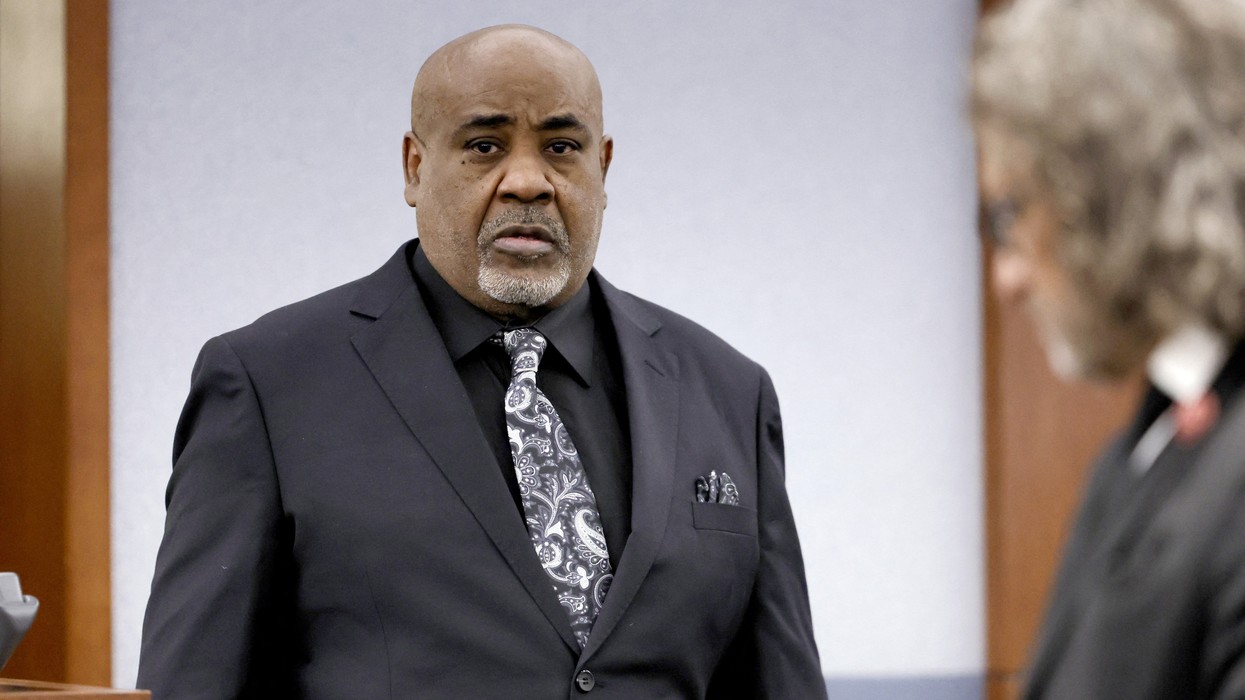
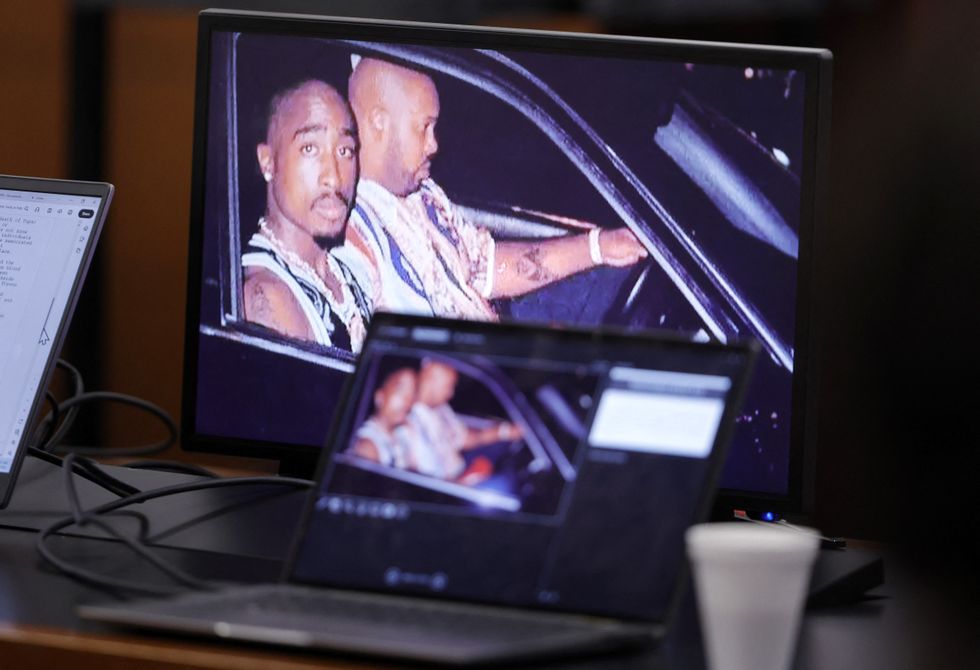 A 1996 photo of rapper Tupac Shakur (L) and Marion "Suge" Knight is shown on screens during closing arguments in the Duane Davis murder trial, related to the 1996 killing of rapper Tupac Shakur, at Clark County District Court at the Regional Justice Center in Las Vegas, Nevada, on August 31, 2026. Getty Images



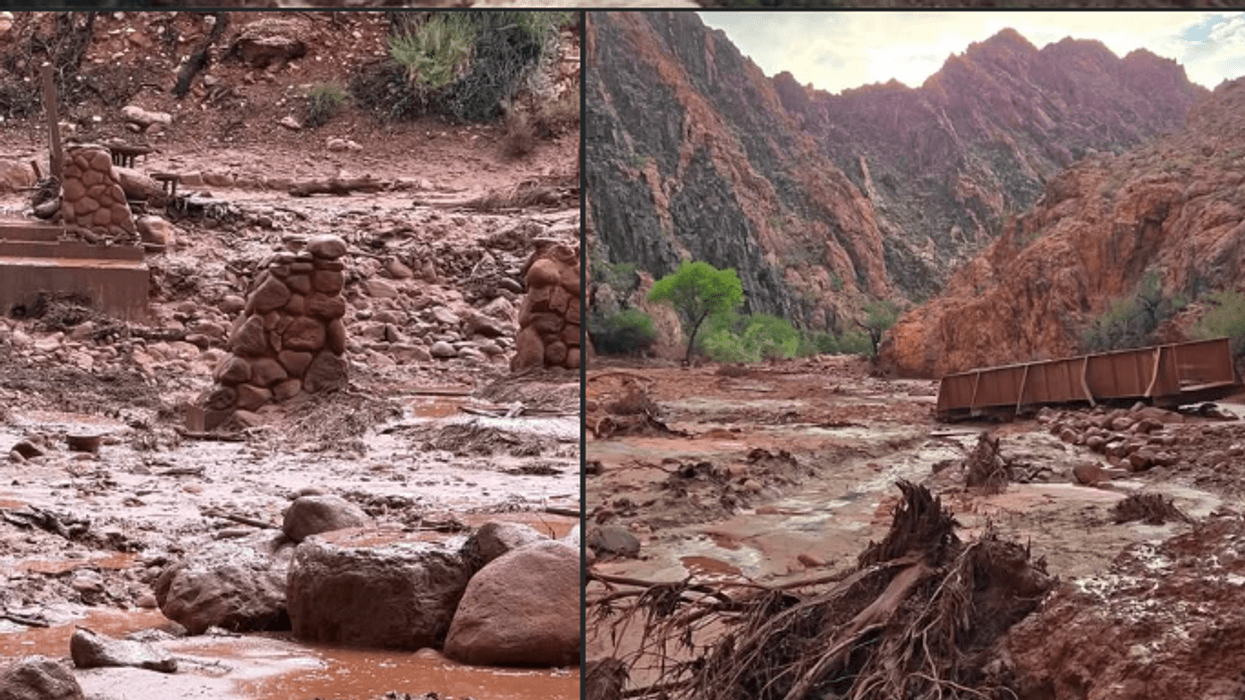
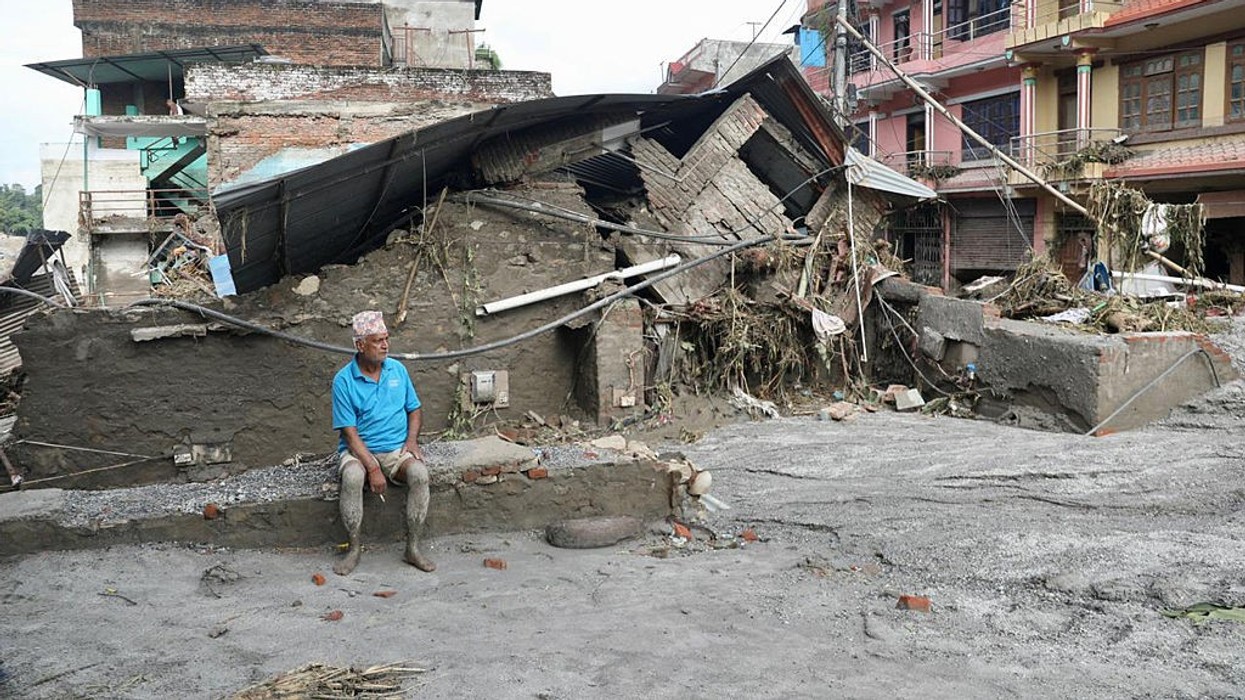
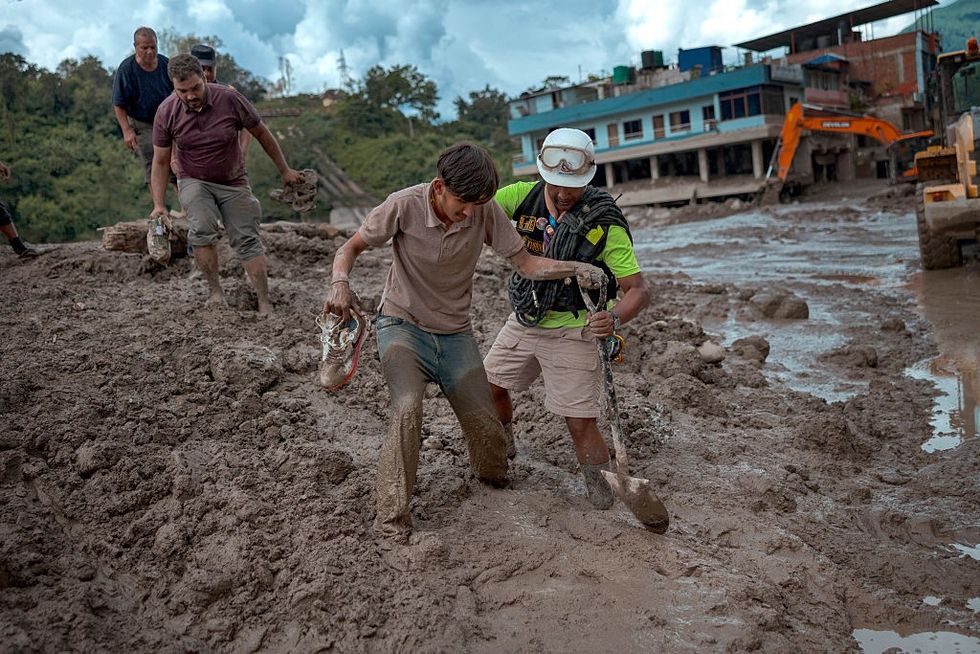 A rescuer assists a resident through heavy mud following flash floods on August 27, 2026 in Trishuli, Nepal. A sudden flood swept through the Bhote Koshi River basin in northern Rasuwa on August 26, damaging settlements, roads and energy infrastructure as rescue teams searched for residents and foreign travellers reported out of contact. Hundreds were reported missing, as the death toll started to climb.Getty Images
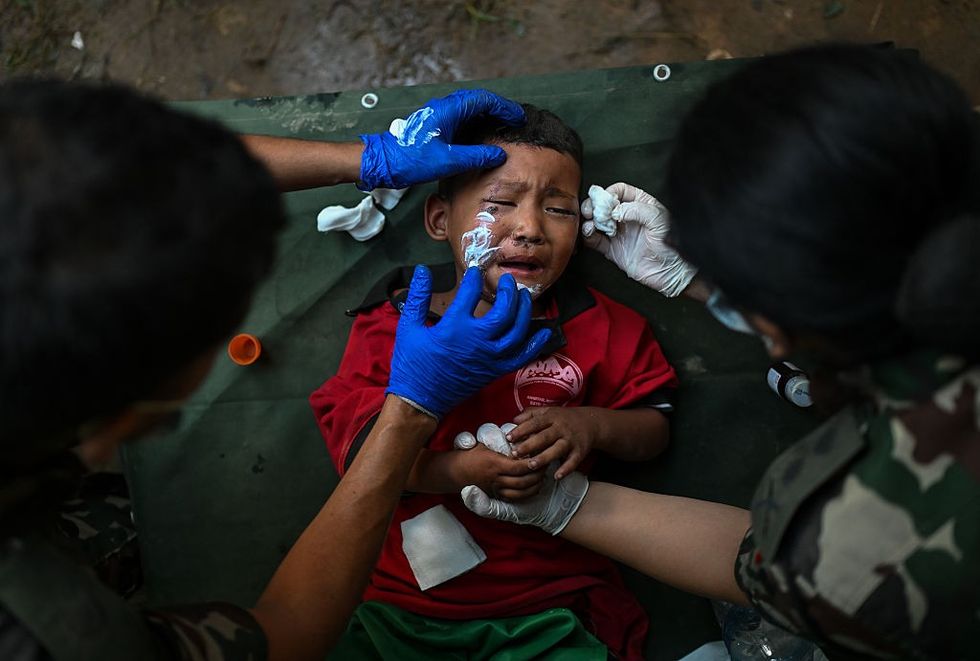 Rescue personnel provide medical treatment to a child at an army rescue camp in Trishuli Batar, Nepal, on August 27, 2026. A sudden flood swept through the Bhote Koshi River basin in northern Rasuwa on August 26, damaging settlements, roads and energy infrastructure, as rescue teams searched for residents and foreign travellers reported out of contact. Hundreds were reported missing as the death toll began to climb. Getty Ima
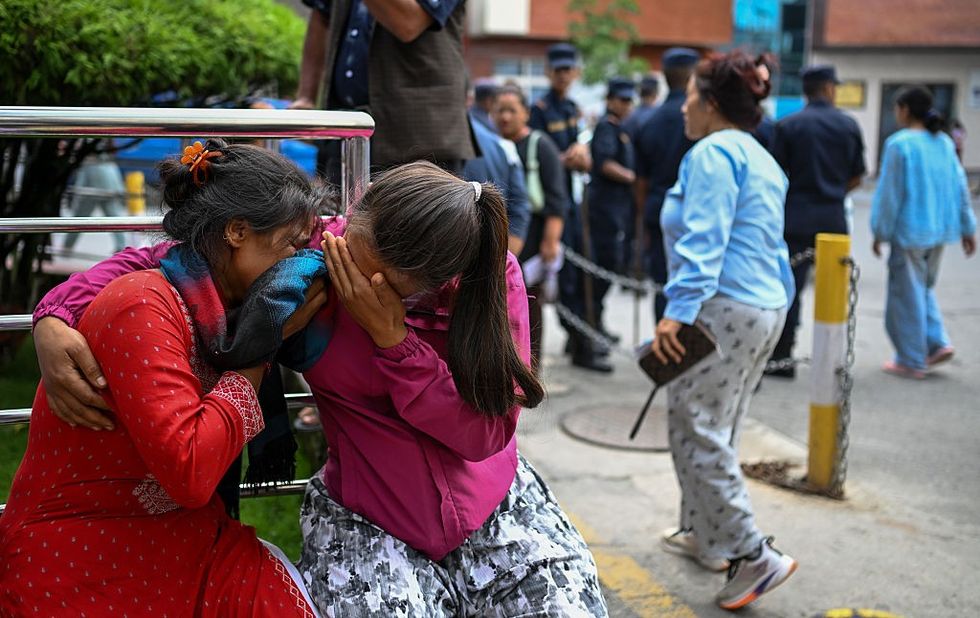 Family members of missing flood victims react at the emergency ward of the Maharajgunj Medical Campus, part of the Tribhuvan University Teaching Hospital, on August 28, 2026 in Kathmandu, Nepal. Authorities said the flash floods were triggered after a mass of ice, mud and rock collapsed into a Himalayan river near the Nepal-China border, leaving hundreds dead or missing and causing widespread damage in affected districts. Authorities continued the gruelling search for victims, many buried under metres of mud, as both China and Nepal issued fresh flooding alerts.Getty Images