

Scientists have developed the technology to make it easier for older or disabled people to keep their teeth clean with lesser manual effort required to carry out the routine task of brushing.
A “shapeshifting robotic microswarm” of nanobots are expected to scrub, rinse and even floss your teeth.
According to researchers from the University of Pennsylvania their microscopic dentists “may one day act as a toothbrush, rinse, and dental floss in one” reports the Mirror.
So, how does it work? The micro-robots made of iron oxide nanoparticles create a chemical reaction in the mouth, releasing antimicrobials to kill off plaque.
It is reported that the micro-robots are directed using a magnetic field. They can form bristle-like structures that sweep away the plaque from the broad surfaces of the teeth, or elongated strings to slip between the gaps like dental floss.
Researchers reveal that the magnetic field can be tuned to control the motions of the micro-bots. The stiffness and length of the bristles can also be controlled.
It can be customized to fit the shape of individual mouths and is not known to do any damage to the gums.
In fact, experiments conducted on fake and real human teeth found that the micro-robots can eliminate nearly all biofilms that cause cavities and gum disease, even if the teeth are crooked.
Professor Hyun Koo, from the University of Pennsylvania is reported to have said, “This technology is as or more effective as brushing and flossing but doesn’t require dexterity. We believe it will disrupt and majorly advance oral healthcare.”
The building blocks of these minute robots contain iron oxide nanoparticles – these produce both catalytic and magnetic reactions.
The catalytic reaction drives the nanoparticles to produce antimicrobials which then supposedly kills harmful bacteria on the teeth and gums.
According to a report published in Study Finds and a university release, professor Koo is reported to have stated, “You have to brush your teeth, then floss your teeth, then rinse your mouth; it’s a manual, multistep process. The big innovation here is that the robotics system can do all three in a single, hands-free, automated way.”
Edward Steager, a senior research investigator in Penn’s School of Engineering and Applied Science added, “We form bristles that can extend, sweep, and even transfer back and forth across a space, much like flossing. The way it works is similar to how a robotic arm might reach out and clean a surface. The system can be programmed to do the nanoparticle assembly and motion control automatically.”
The team’s robotic breakthrough is reported to have initially started off as two separate projects. While Koo’s group was trying to harness the catalytic activity of nanoparticles to release free radicals that would kill tooth decay-causing bacteria, Steager’s team was studying how nanoparticles could serve as building blocks for microrobots that can be controlled magnetically.
The collaboration brought together the two ideas which helped to create a platform to electromagnetically control the microrobots and have them change their shape to release antimicrobials that clean teeth.
Koo explains, “The design of the toothbrush has remained relatively unchanged for millennia. It’s a technology that has not been disrupted in decades.” He adds that even electric toothbrushes use the bristle-on-a-stick template.
Speaking about the technology that doesn’t require manual dexterity for brushing and flossing, Koo concludes, “We’d love to see this helping the geriatric population and people with disabilities. We believe it will disrupt current modalities and majorly advance oral health care.”




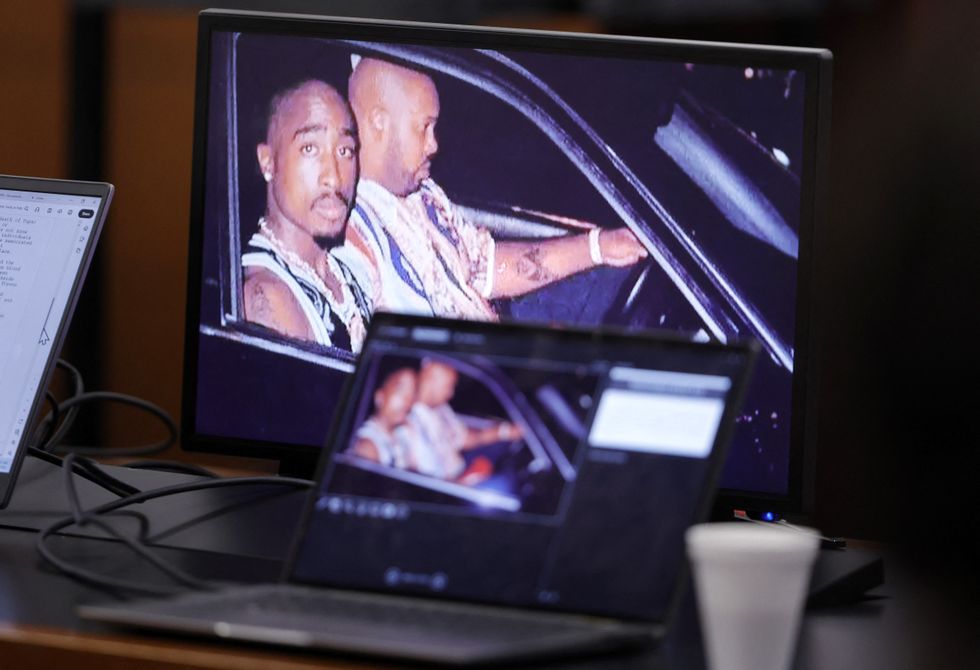 A 1996 photo of rapper Tupac Shakur (L) and Marion "Suge" Knight is shown on screens during closing arguments in the Duane Davis murder trial, related to the 1996 killing of rapper Tupac Shakur, at Clark County District Court at the Regional Justice Center in Las Vegas, Nevada, on August 31, 2026. Getty Images




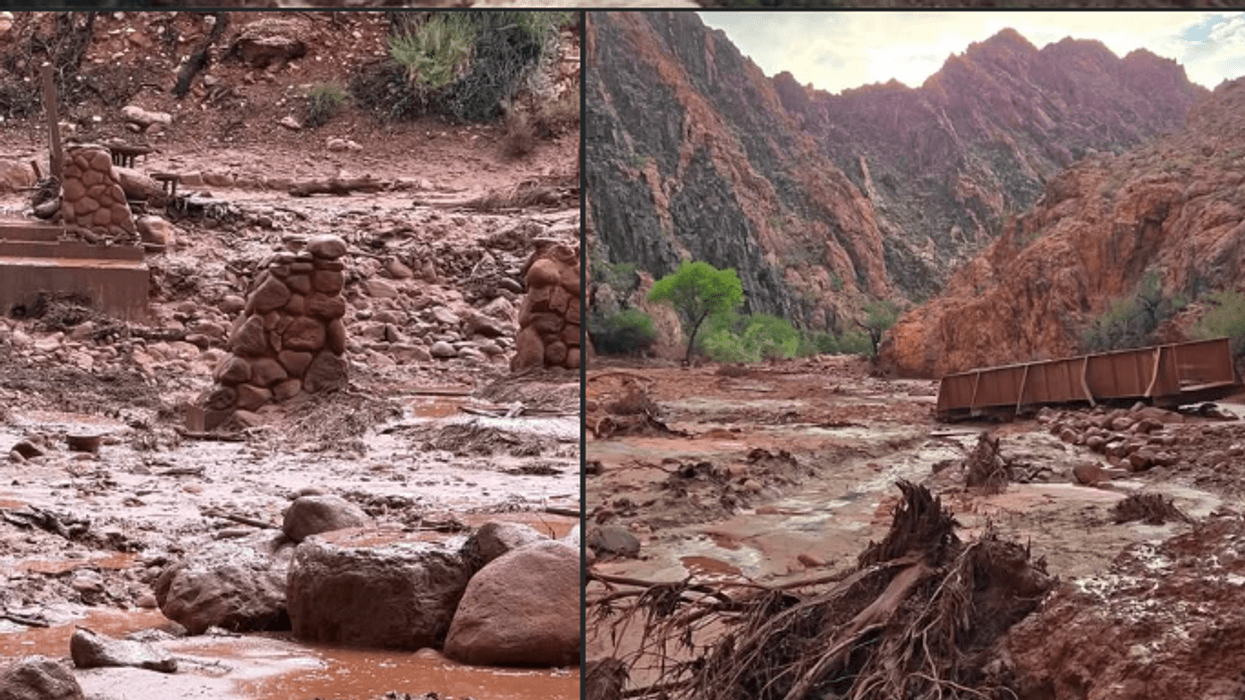


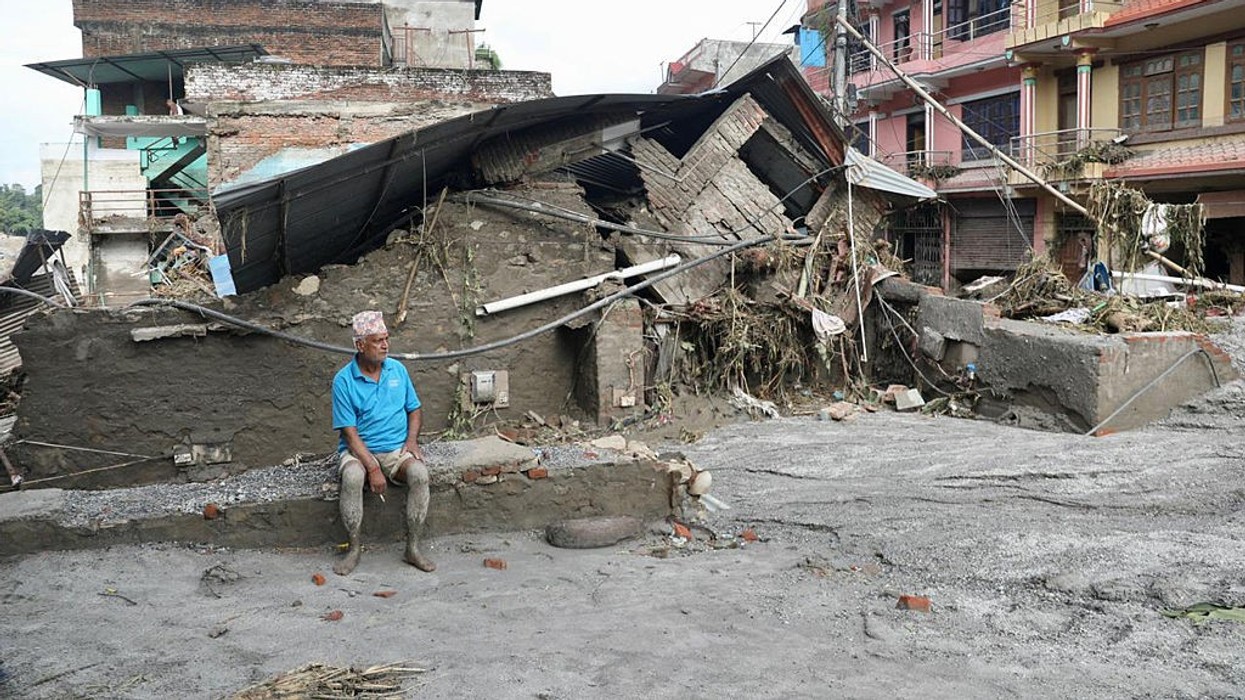
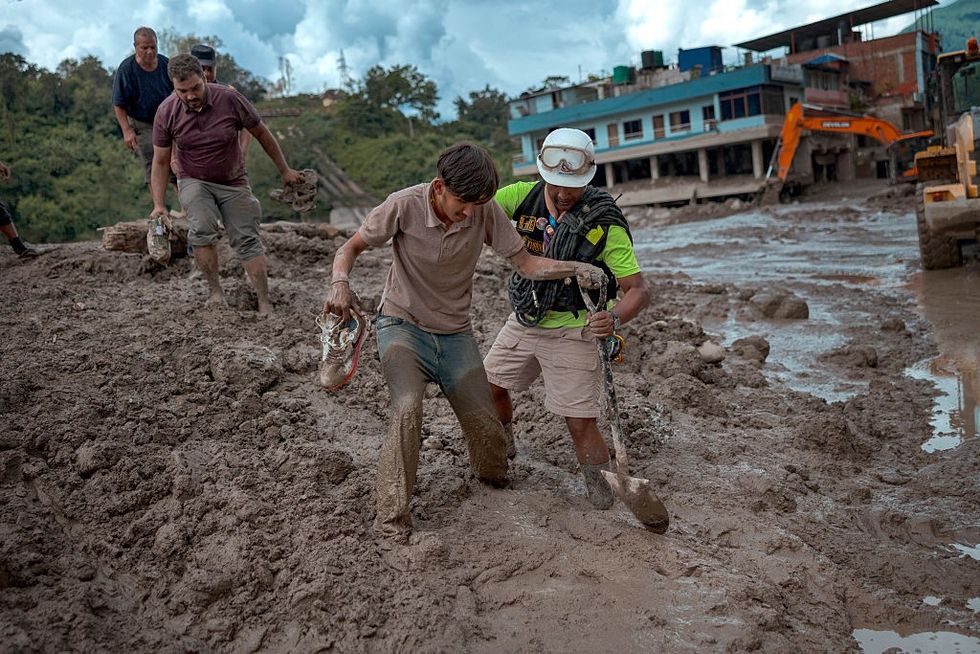 A rescuer assists a resident through heavy mud following flash floods on August 27, 2026 in Trishuli, Nepal. A sudden flood swept through the Bhote Koshi River basin in northern Rasuwa on August 26, damaging settlements, roads and energy infrastructure as rescue teams searched for residents and foreign travellers reported out of contact. Hundreds were reported missing, as the death toll started to climb.Getty Images
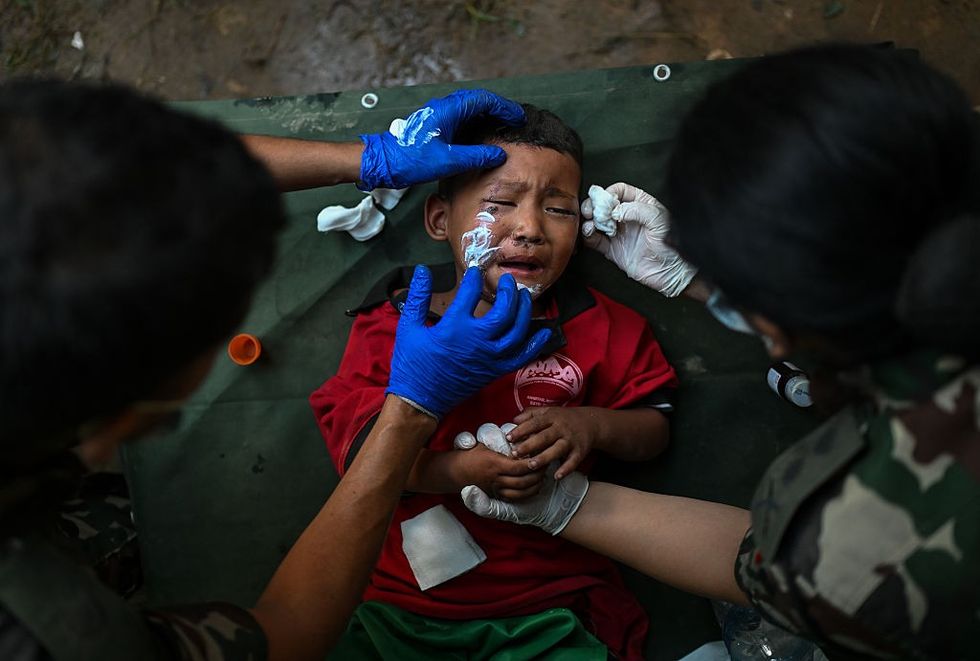 Rescue personnel provide medical treatment to a child at an army rescue camp in Trishuli Batar, Nepal, on August 27, 2026. A sudden flood swept through the Bhote Koshi River basin in northern Rasuwa on August 26, damaging settlements, roads and energy infrastructure, as rescue teams searched for residents and foreign travellers reported out of contact. Hundreds were reported missing as the death toll began to climb. Getty Ima
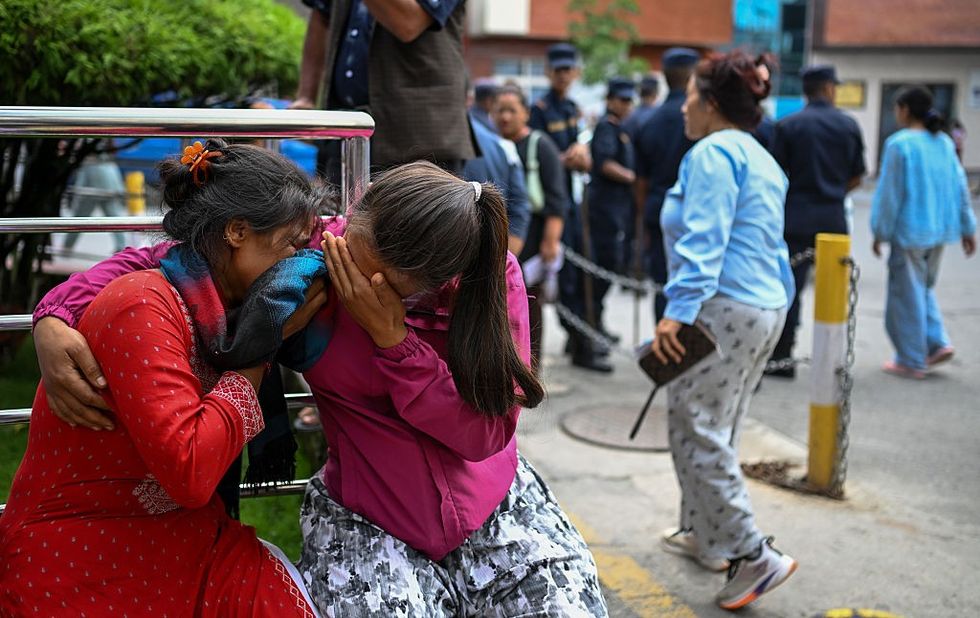 Family members of missing flood victims react at the emergency ward of the Maharajgunj Medical Campus, part of the Tribhuvan University Teaching Hospital, on August 28, 2026 in Kathmandu, Nepal. Authorities said the flash floods were triggered after a mass of ice, mud and rock collapsed into a Himalayan river near the Nepal-China border, leaving hundreds dead or missing and causing widespread damage in affected districts. Authorities continued the gruelling search for victims, many buried under metres of mud, as both China and Nepal issued fresh flooding alerts.Getty Images