

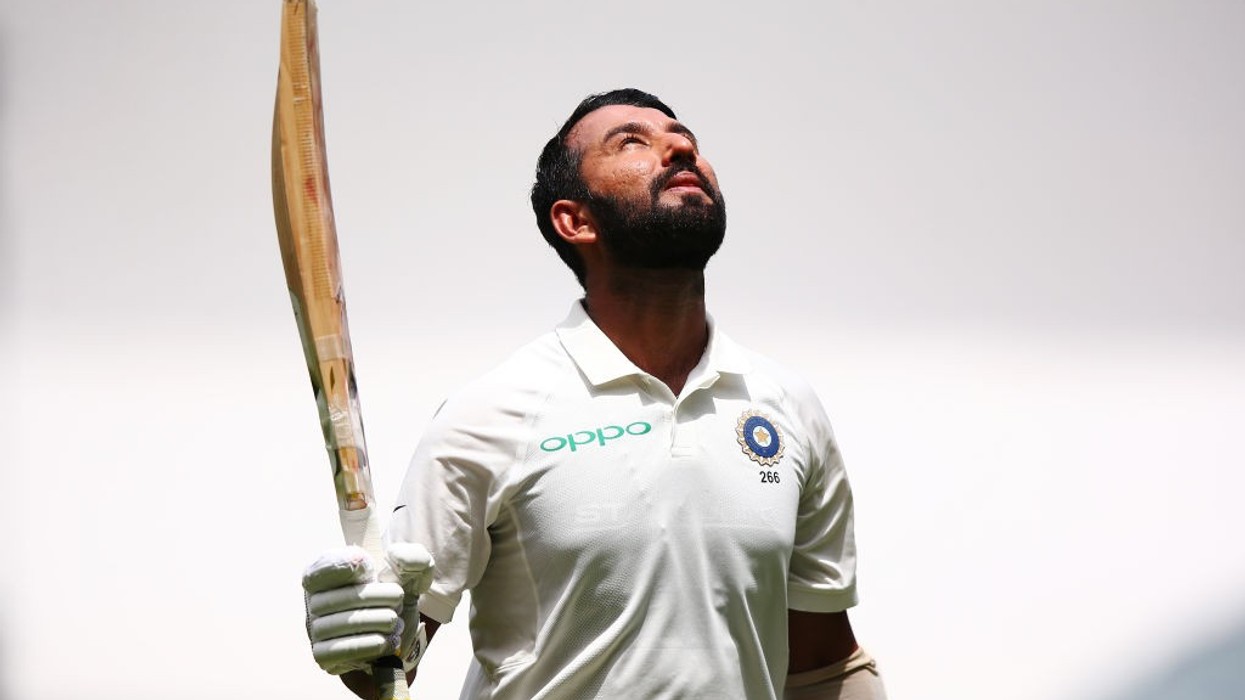
Arch-rivals India and Pakistan might not play bilateral series due to their political relations but they have featured in multi-side tournaments such as Asia Cup and World Cup in recent years.
In 2022, the Asian powerhouses met each other three times -- twice in the Asia Cup in the UAE and once in the T20 World Cup in Australia -- with the Men in Blue winning on two occasions.
The two sides will lock horns again in 2023 and it will happen in the group stage in the Asia Cup scheduled this year, Asian Cricket Council president Jay Shah, who is also the secretary of the Board of Control for Cricket in India, announced on Thursday (5).
Shah also unveiled the council's cricket calendar for 2023 and 2024 the same day and a pathway structure for qualification to Asia Cup -- both for men and women.
"Presenting the @ACCMedia1 pathway structure & cricket calendars for 2023 & 2024! This signals our unparalleled efforts & passion to take this game to new heights. With cricketers across countries gearing up for spectacular performances, it promises to be a good time for cricket!" Shah, who is the son of Indian home minister Amit Shah, tweeted.
The men's Asia Cup will be held in September and feature six teams, divided in two groups of three teams.
While India, Pakistan and Qualifier 1 (the winner of Men's Premier Cup) are in one group, defending champions Sri Lanka, Bangladesh and Afghanistan are in the other.
A total of 13 matches will be held in the tournament.
India have won the Asia Cup for a record seven times while Sri Lanka have won it six times and Pakistan twice.
The tournament this year will be held in the 50-over format since it will precede the one-day international World Cup.
(With agency inputs)




 A 1996 photo of rapper Tupac Shakur (L) and Marion "Suge" Knight is shown on screens during closing arguments in the Duane Davis murder trial, related to the 1996 killing of rapper Tupac Shakur, at Clark County District Court at the Regional Justice Center in Las Vegas, Nevada, on August 31, 2026. Getty Images



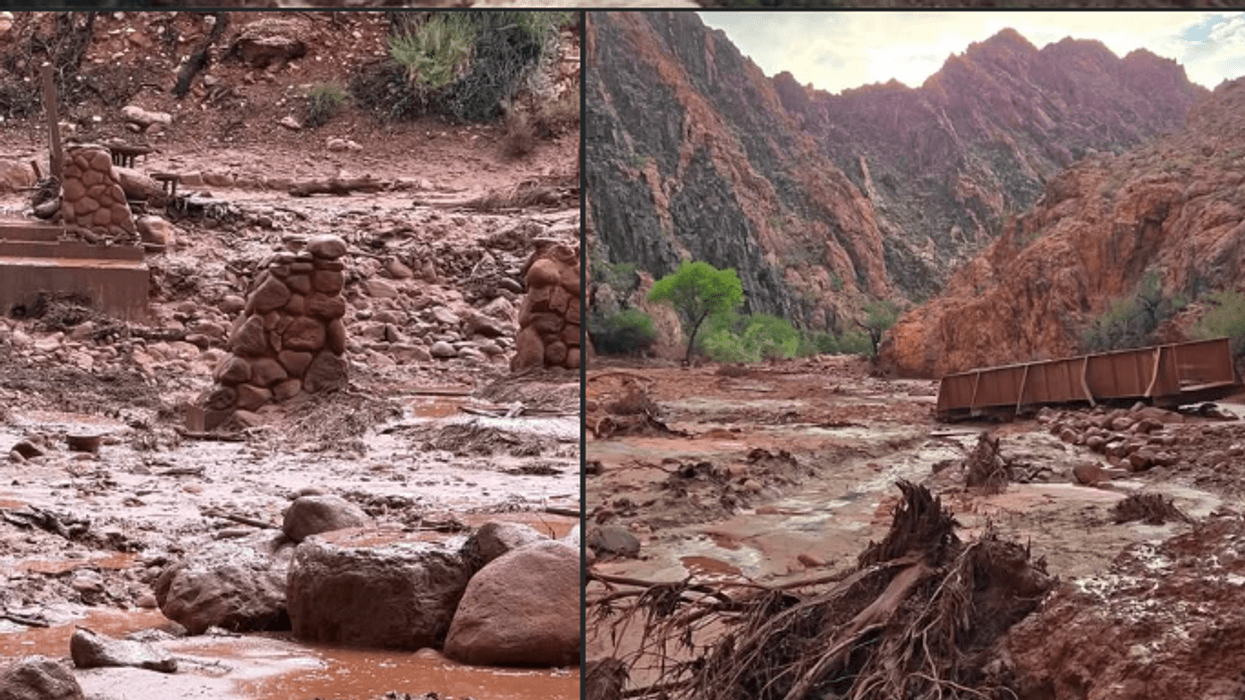

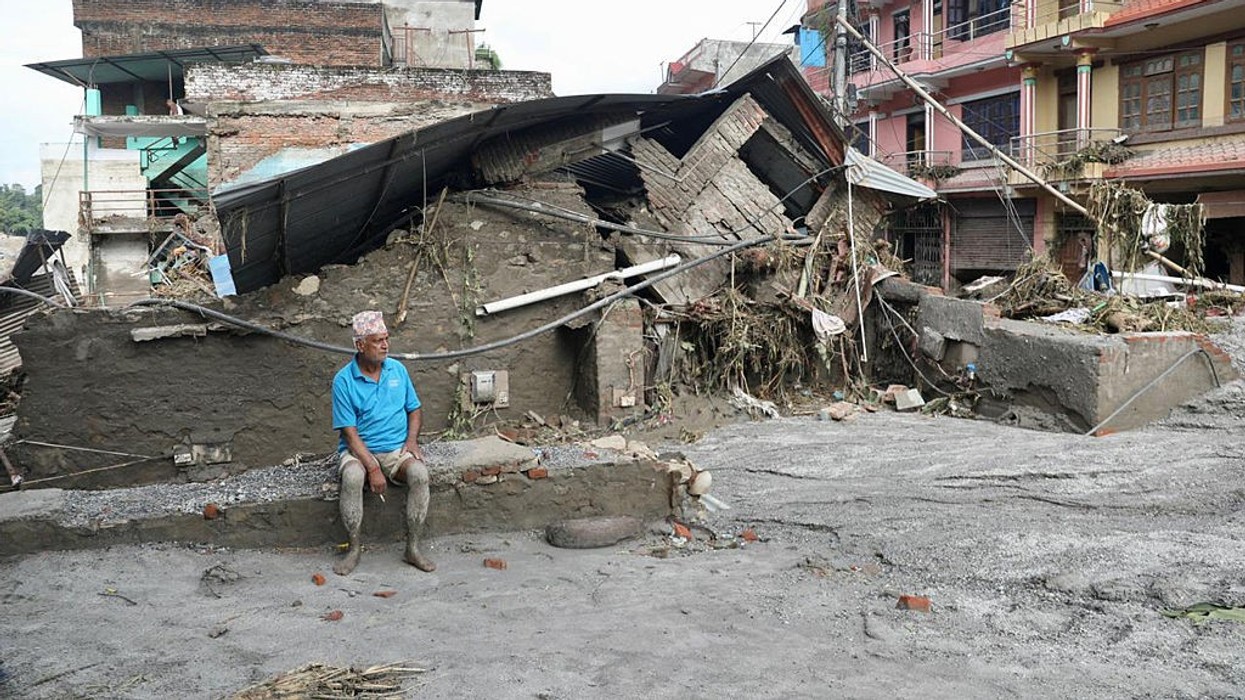
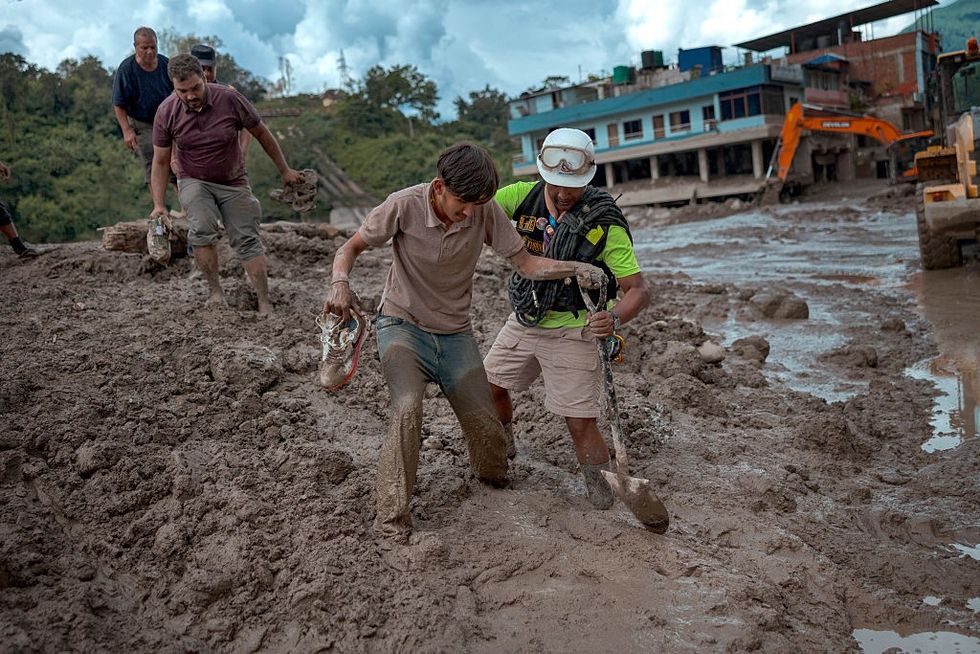 A rescuer assists a resident through heavy mud following flash floods on August 27, 2026 in Trishuli, Nepal. A sudden flood swept through the Bhote Koshi River basin in northern Rasuwa on August 26, damaging settlements, roads and energy infrastructure as rescue teams searched for residents and foreign travellers reported out of contact. Hundreds were reported missing, as the death toll started to climb.Getty Images
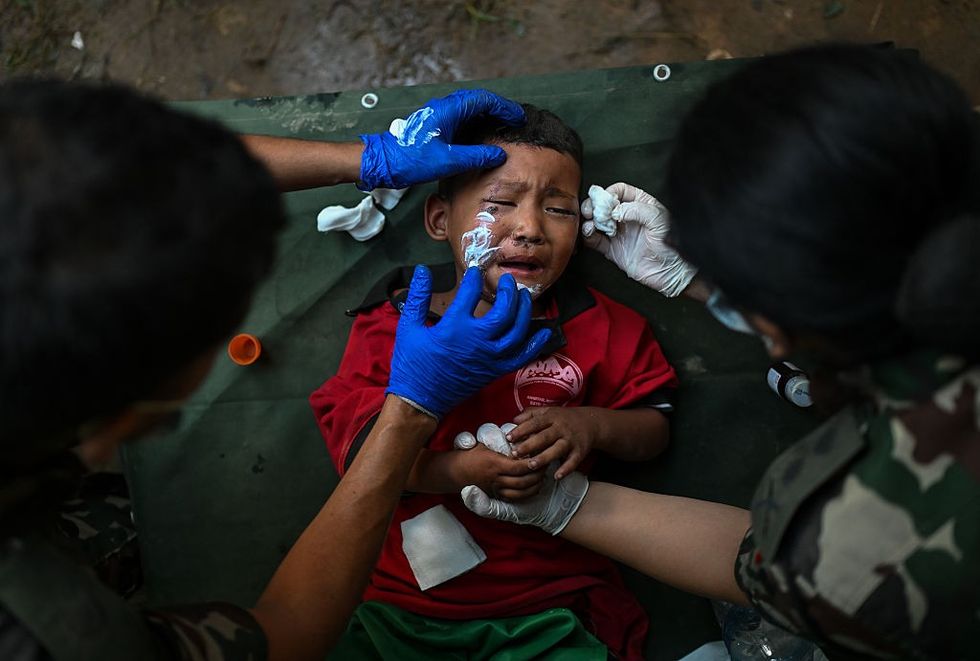 Rescue personnel provide medical treatment to a child at an army rescue camp in Trishuli Batar, Nepal, on August 27, 2026. A sudden flood swept through the Bhote Koshi River basin in northern Rasuwa on August 26, damaging settlements, roads and energy infrastructure, as rescue teams searched for residents and foreign travellers reported out of contact. Hundreds were reported missing as the death toll began to climb. Getty Ima
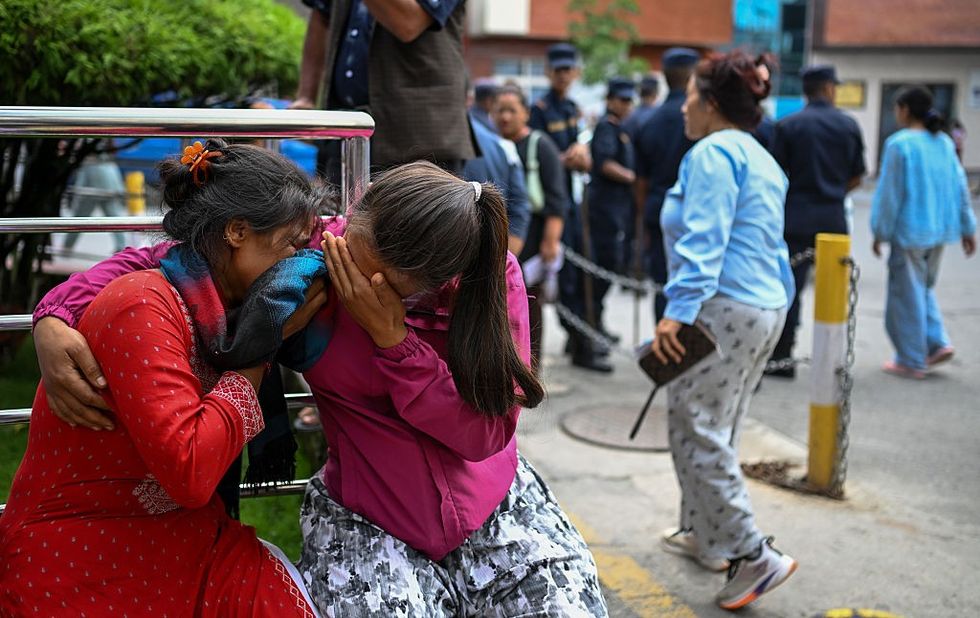 Family members of missing flood victims react at the emergency ward of the Maharajgunj Medical Campus, part of the Tribhuvan University Teaching Hospital, on August 28, 2026 in Kathmandu, Nepal. Authorities said the flash floods were triggered after a mass of ice, mud and rock collapsed into a Himalayan river near the Nepal-China border, leaving hundreds dead or missing and causing widespread damage in affected districts. Authorities continued the gruelling search for victims, many buried under metres of mud, as both China and Nepal issued fresh flooding alerts.Getty Images