
- The average new-car transaction price reached a record $51,109 in October 2026
- More than one in four new-car buyers took out loans lasting at least seven years
- First-time buyers face a tougher market as affordable models become harder to find
The record figure needs a little context: the average rose 2.1 per cent from a year earlier, below the longer-term October average increase of 3.6 per cent. The story is therefore not simply that car prices are spiralling. The mix of vehicles Americans are buying, the limited availability of lower-priced options and the cost of financing all help explain why the average has crossed $51,000.
The headline figure does not mean every buyer is spending $51,109. It is an industry-wide average, pulled upwards by sales of larger, more expensive vehicles. But the financing figures show how difficult the market has become for households trying to manage the cost.
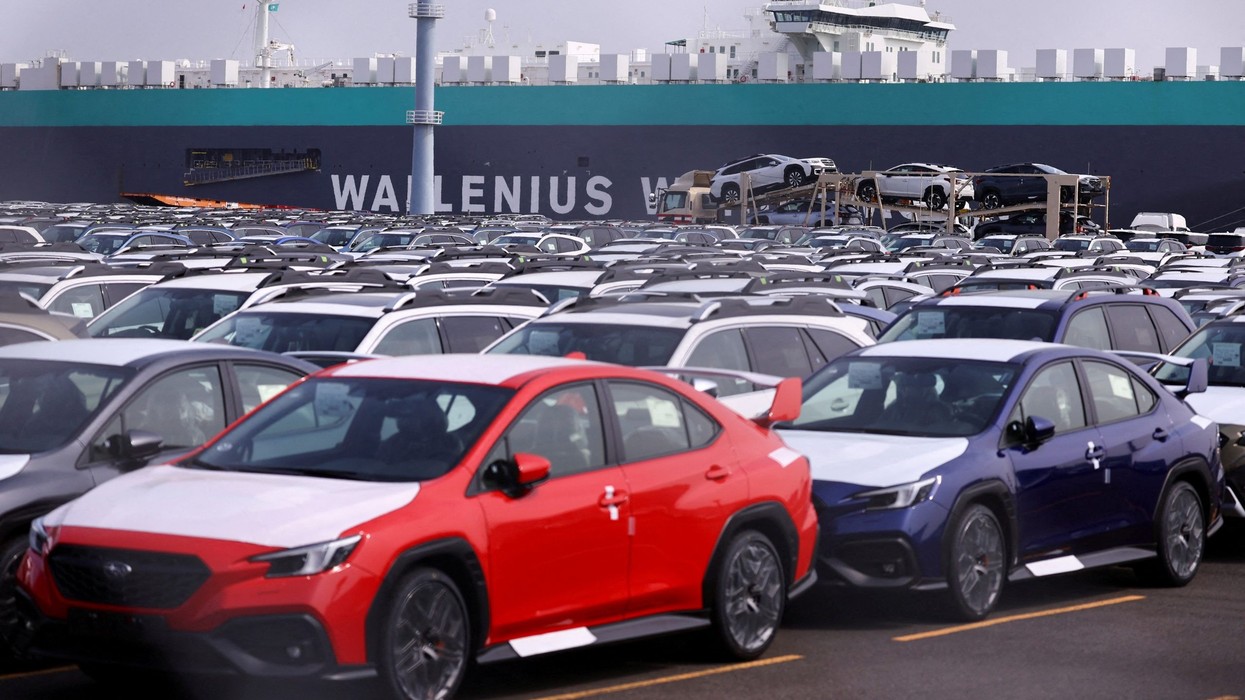
The average transaction price for a new vehicle in the United States reached $51,109 in October, setting a new record, according to Kelley Blue Book, a Cox Automotive brand. That was up 1.3 per cent from September's revised $50,460 and 2.1 per cent from October 2025.
The average manufacturer's suggested retail price, or sticker price, also climbed to $52,933, up 2.4 per cent from a year earlier. Buyers received average incentives of $3,490, equivalent to 6.8 per cent of the transaction price. However, discounts have not been large enough to prevent the overall average from reaching a new high.
There is an important distinction between a record price and unusually rapid price inflation. The annual increase of 2.1 per cent was below the longer-term October average of 3.6 per cent. Prices are rising, but the record also reflects the types of vehicles Americans are choosing to buy.
Why are larger vehicles pushing up the average?
The growing popularity of SUVs and pickup trucks is one of the biggest factors behind the headline figure. These vehicles generally cost more than smaller cars, and strong sales of higher-priced models can lift the industry average even when prices in some segments remain considerably lower.
In October, the average transaction price for a midsize SUV was $50,570, while a full-size pickup truck averaged $67,912. By comparison, compact cars averaged $28,030 and subcompact SUVs $31,333.
The five largest-selling vehicle segments accounted for 64.4 per cent of new-car sales during the month. Three of those segments were priced below the overall industry average, illustrating why the $51,109 figure should not be mistaken for the cost of every new vehicle.
Cox Automotive executive analyst Erin Keating said the average reflected the mix of vehicles being sold as much as affordability pressures. Consumers were still buying plenty of vehicles below the headline average, she noted, while demand for full-size pickups and other larger, well-equipped models continued to push the figure higher.
The cost of making vehicles is also becoming a concern for manufacturers. Steel, copper and computer chips are among the materials facing higher prices. Tariffs on imported metals have added to the pressure, while demand for memory chips from artificial intelligence data centres is tightening supplies for other industries, including automotive manufacturing.
These pressures are particularly relevant because modern vehicles rely on electronics for infotainment, driver-assistance systems and other features. Manufacturers must decide how much of the additional cost to absorb and how much to pass on to customers.
Electric vehicles have not provided a straightforward lower-cost alternative either. The average transaction price for a new EV reached $56,220 in October, up one per cent from September, although it remained 2.7 per cent lower than a year earlier. Incentives were also more generous than in the wider market, averaging 11.3 per cent of the transaction price.
Are buyers taking on longer loans to afford cars?
The pressure is particularly visible in the way Americans are financing their purchases.
Edmunds reported that the average amount financed for a new vehicle reached $44,664 in the third quarter of 2026, up from $42,744 a year earlier. The average monthly payment rose to $787, compared with $756 in the same quarter of 2025.
More than one in four financed new-vehicle purchases involved a loan lasting at least 84 months, or seven years. Such loans accounted for 25.5 per cent of financed purchases, compared with 21.8 per cent a year earlier.
The average annual percentage rate remained at seven per cent, but the amount of interest paid over the life of a loan reached a record $9,938. That is a reminder that even when the interest rate stays unchanged, borrowing a larger amount over a longer period can make a vehicle substantially more expensive.
Longer repayment periods can make monthly payments appear more manageable, but they also keep buyers in debt for longer. They can increase the risk of owing more on a vehicle than it is worth, particularly if its resale value falls faster than the outstanding loan balance.
The used-car market is not offering an easy escape. The average used vehicle was listed at $27,235 in September, up around six per cent from a year earlier and the highest monthly average since December 2022. Cars priced at $15,000 or less accounted for only 15.7 per cent of used-vehicle inventory, according to Cox Automotive data.
The shortage of affordable used vehicles is partly linked to the pandemic-era disruption in production. Manufacturers produced fewer vehicles between 2020 and 2022 because of supply-chain problems, leaving fewer cars to enter the second-hand market in subsequent years. The reduced availability of affordable new models has also limited the choices available to budget-conscious buyers.
For first-time buyers, the challenge can be even greater. Unlike existing owners trading in an older vehicle, they may not have an asset to put towards the purchase. They must find the deposit, manage the monthly repayments and account for insurance, fuel and maintenance costs on top of the purchase price.
The October figures suggest that the US car market is not facing a simple price surge across every category. Rather, a combination of consumer preference for larger vehicles, higher manufacturing costs and limited affordable alternatives is keeping the average elevated.
For buyers, the real question is no longer just whether they can afford the monthly payment. It is whether the total cost of owning the vehicle remains manageable over the years it takes to pay it off.




















 Amazon\u200bMeta Quest 3S VR headset
 www.indiaweekly.biz\u200bMeta Quest 3S VR headset
 Ray-Ban Meta AI smart glasses Amazon
 Oura Ring 5 Amazon
 WHOOP 5.0 fitness tracker Amazon
 Apple AirPods Pro 3 Amazon
 Samsung Galaxy Ring Amazon
 Garmin Venu smartwatch Amazon
 Apple Watch Series 11 Amazon
 Google Pixel Watch 4 Amazon
 Meta Quest 3S VR headset Amazon
 Meta Quest 3S VR headset











 ThermoPro digital meat thermometer Amazon
 Nordic Ware turkey roasting pan Amazon
 KitchenAid stand mixer Amazon
 Hamilton Beach electric carving knife Amazon
 Instant Pot pressure cooker Amazon
 Pyrex glass baking dish set Amazon
 Cuisinart food processor Amazon
 Large wooden serving board Amazon
 Electric buffet food warmer Amazon
 Thanksgiving dinner tableware set Amazon