

AS THE Indian subcontinent copes with extreme heat, rapidly melting glaciers in Asia's Hindu Kush Himalayan region, which is home to the world's highest mountain system, have posed grave threat to lives and livelihoods of two billion people living downstream, a new study has warned, according to Bloomberg.
The glaciers have defrosted 65 per cent quicker in the 2011-2020 period compared to the previous decade and might lose 80 per cent of their current volume by the turn of the 22nd century on the present emission trajectories, Nepal's International Centre for Integrated Mountain Development (ICIMOD) has said in its new study. This may see a drastic reduction in freshwater supplies in as many as 12 rivers that flow across 16 nations in the region, the study further warned.
The study also said that the mountain ranges, which stretch more than 3,500 kilometres from Afghanistan in the west to Myanmar in the east, are also witnessing a shrinking permafrost that can cause more landslides.
ICIMOD has eight member states across Asia, including India and China, the world's two most populous nations located on either side of the Himalayas.
"There is still time to save this critical region, but only if fast and deep emissions cuts start now," ICIMOD's deputy director general Izabella Koziell was quoted as saying by the Bloomberg report.
She added that the glaciers are very sensitive to even slight rises in temperatures.
"Snowmelt, glacier melt and permafrost thawing will mean that disasters are projected to happen more frequently, and will be deadlier and costlier," she added.
According to the report, besides the danger of flash floods and landslides, the Hindu Kush Himalayan region is also at a high risk of glacial lake outburst floods with 200 glacier lakes across Hindu Kush Himalaya "deemed dangerous". Agriculture, food security, availability of fresh water and energy resources could be adversely affected and even some plant and animal species in the biodiversity hotspots could be pushed to the point of extinction, the Bloomberg report added.
"As ice retreats, land where ice used to be becomes unstable and starts to move — the extra melt water then has the potential to easily wash that away, resulting in destructive mass flows," Jakob Steiner, a research fellow at ICIMOD, told the news outlet.
Planet Earth is already more than a degree hotter than during the pre-industrial times, leaving the ice at the Arctic and Antarctic at an alarming rate. While more and more countries face heat waves from the UK to China, Canadian forests are scorched by wildfires and severe cyclones hit coasts of India and Pakistan, it is being increasingly acknowledged that climate emergencies are no longer just freak weather-related events and require careful policy moves.





 A 1996 photo of rapper Tupac Shakur (L) and Marion "Suge" Knight is shown on screens during closing arguments in the Duane Davis murder trial, related to the 1996 killing of rapper Tupac Shakur, at Clark County District Court at the Regional Justice Center in Las Vegas, Nevada, on August 31, 2026. Getty Images






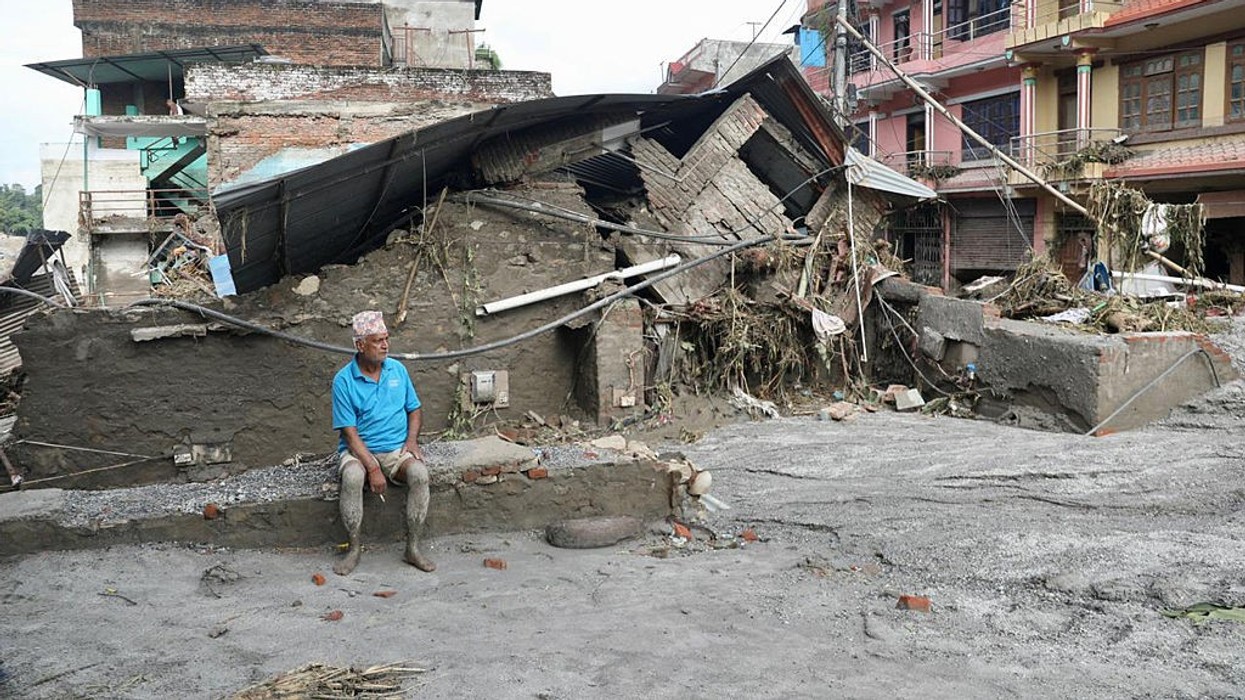
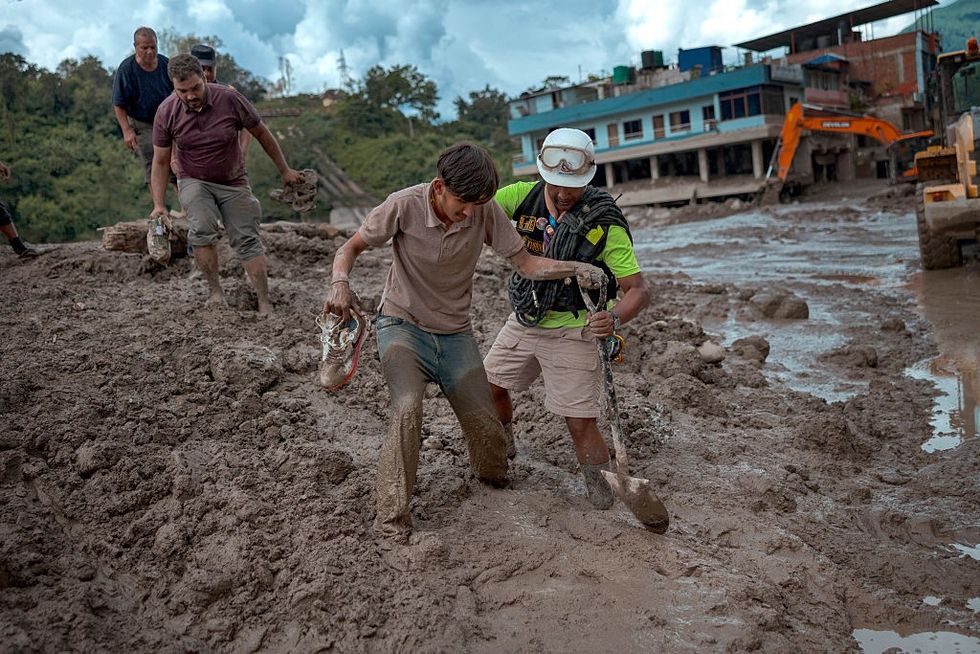 A rescuer assists a resident through heavy mud following flash floods on August 27, 2026 in Trishuli, Nepal. A sudden flood swept through the Bhote Koshi River basin in northern Rasuwa on August 26, damaging settlements, roads and energy infrastructure as rescue teams searched for residents and foreign travellers reported out of contact. Hundreds were reported missing, as the death toll started to climb.Getty Images
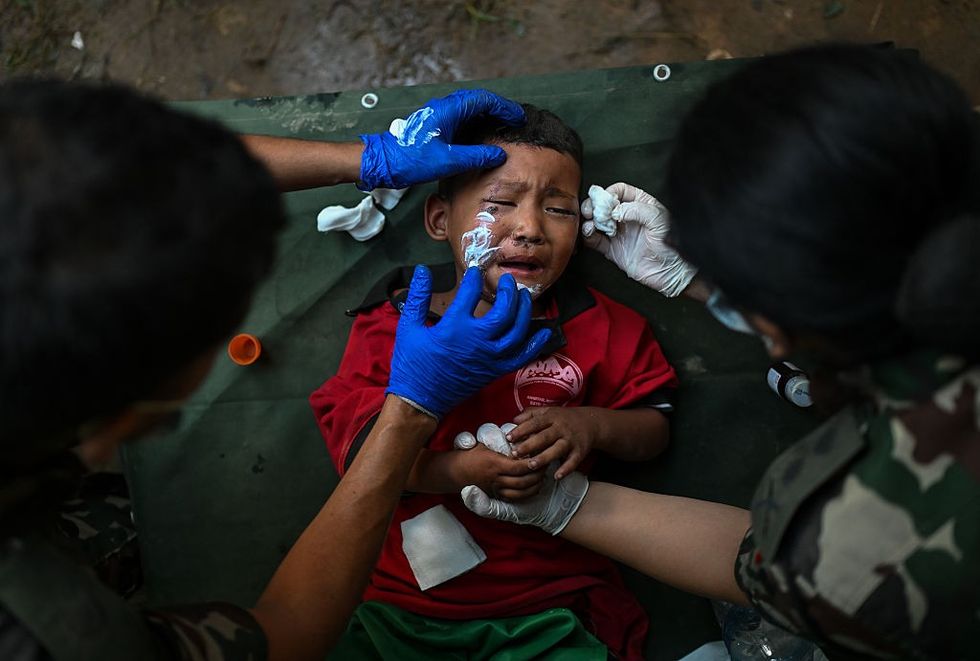 Rescue personnel provide medical treatment to a child at an army rescue camp in Trishuli Batar, Nepal, on August 27, 2026. A sudden flood swept through the Bhote Koshi River basin in northern Rasuwa on August 26, damaging settlements, roads and energy infrastructure, as rescue teams searched for residents and foreign travellers reported out of contact. Hundreds were reported missing as the death toll began to climb. Getty Ima
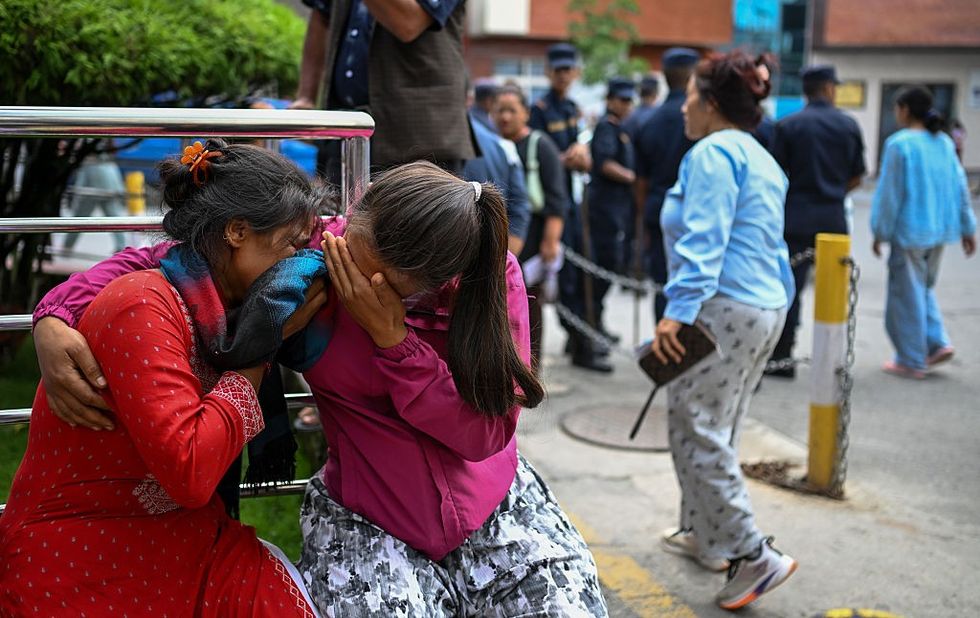 Family members of missing flood victims react at the emergency ward of the Maharajgunj Medical Campus, part of the Tribhuvan University Teaching Hospital, on August 28, 2026 in Kathmandu, Nepal. Authorities said the flash floods were triggered after a mass of ice, mud and rock collapsed into a Himalayan river near the Nepal-China border, leaving hundreds dead or missing and causing widespread damage in affected districts. Authorities continued the gruelling search for victims, many buried under metres of mud, as both China and Nepal issued fresh flooding alerts.Getty Images