A SOLAR industry pioneer and a father of two from Sydney has died of Covid-19 in India on Sunday (16). Govind Kant, who lived in Australia, had traveled to Delhi in April for his mother's funeral. He was 48.
Kant is believed to be the second Australian to have died in India amid a temporary travel ban imposed after a devastating second wave hit India. Australian officials are yet to comment on the matter.
Although the three-week ban on Indian arrivals ended on Saturday (15), more than 9,000 Australians are still stuck in the country.
Kant’s sister told a local news outlet that her brother was trying to get back home to Australia in mid-April. He finally booked a flight back home but could not board it since he contracted the virus before his plane was due to leave and was admitted to hospital. She told the outlet that he kept saying "get me out of here" during their video calls.
Kant was the Australian assistant director for energy company Trina Solar.
"Our deepest condolences go to his wife, two daughters, and other family members," the company posted on social media. "This is a significant loss to Trina Solar and mere words cannot express the heartfelt sorrow we all feel upon Govind's passing and we will provide necessary assistance to his family in this mourn period and we pray his soul may rest in peace."
Expressing his grief, Australian Prime minister Scott Morrison said on Tuesday (18) that he mourns with Kant's family.
"I feel terribly sorry for the family and I mourn with them, just as I do for any Australian family who has lost loved ones overseas during this pandemic," Morrison said. "We will provide support to the family through our consular offices to return their loved one to Australia if that is what they wish."
Australia had barred its citizens and permanent residents who were in India from coming back home between April 28 and May 15, making it a criminal act with the threat of fines and jail sentences.
While the government argued it was a necessary public health measure to contain the high rates of Covid infection among arrivals from India, the move was accused widely of racism with allegations on the government of abandoning its citizens.



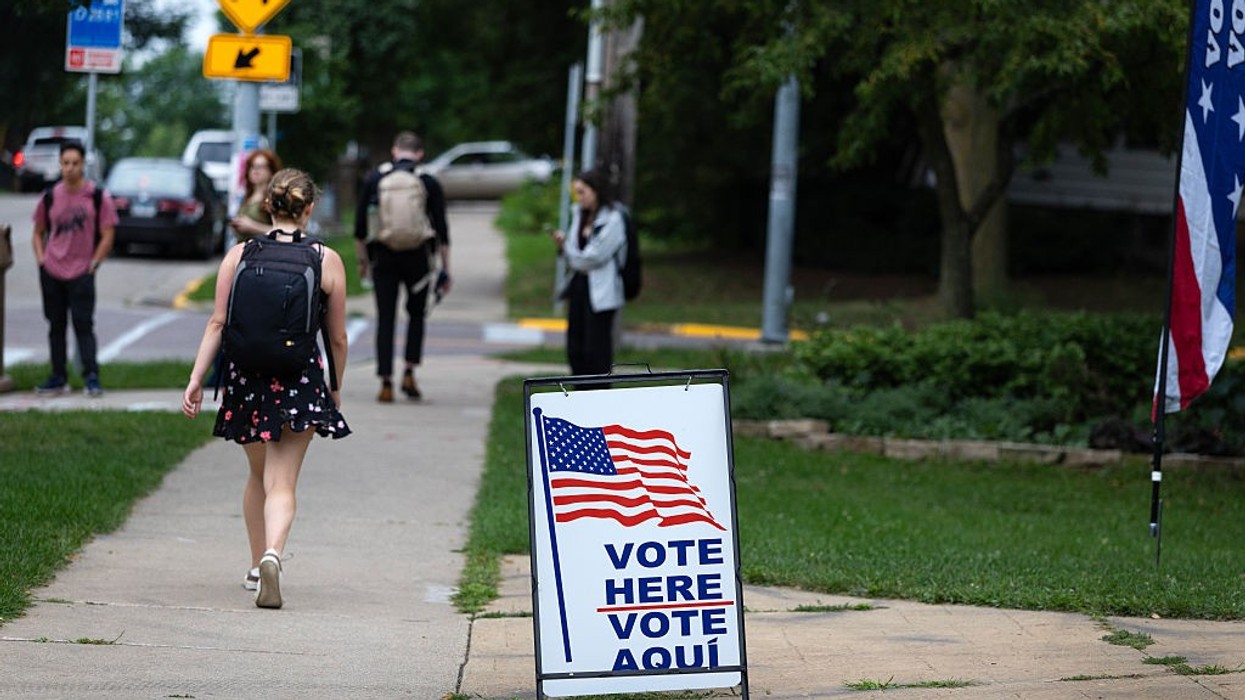
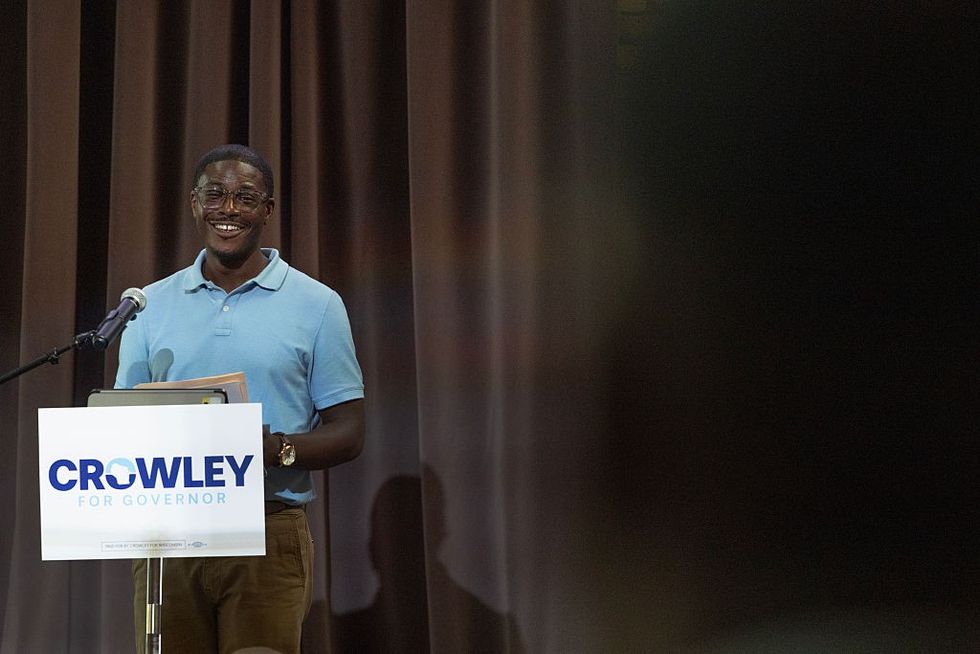 Democratic Wisconsin gubernatorial candidate David Crowley speaks to supporters at a campaign rally on August 10, 2026 in Milwaukee, Wisconsin. Crowley is polling second behind front-runner Francesca Hong in the Democratic primary, which takes place tomorrow. Getty Images
 Wisconsin Democratic gubernatorial candidate Francesca Hong speaks to supporters during an election-night party on August 11, 2026 in Madison, Wisconsin. Recent polling had Hong with a substantial lead over her nearest Democratic rival David Crowley, but returns have shown a tight race throughout the evening with the two candidates trading slight leads.Getty Images
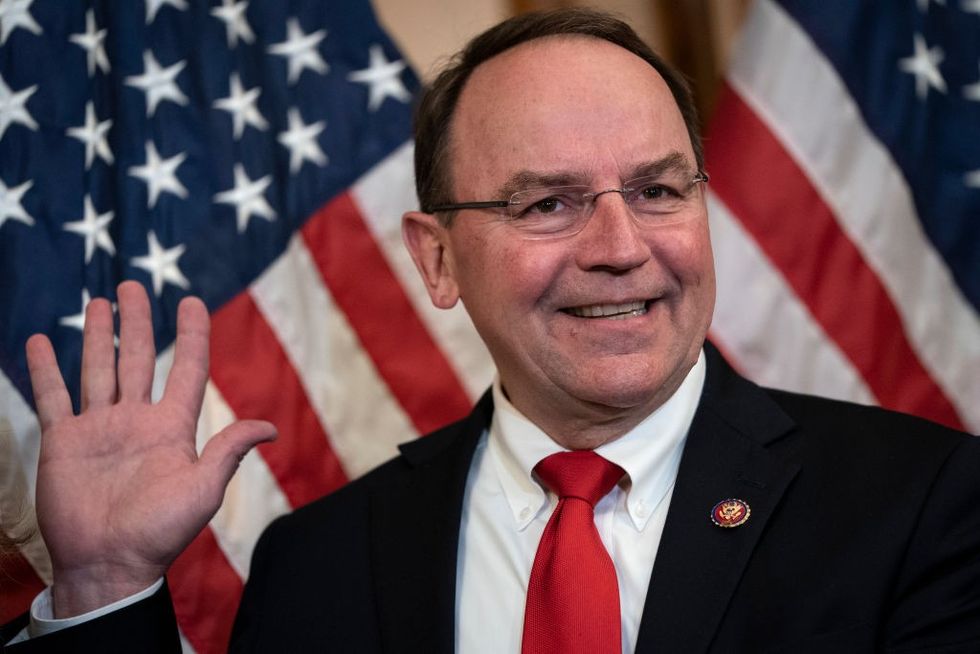 Rep. Tom Tiffany (R-WI) participates in a ceremonial swearing-in at the U.S. Capitol on May 19, 2020 in Washington, DC. Rep. Tom Tiffany (R-WI) and Rep. Mike Garcia (R-CA) were both officially sworn-in as new House members on Tuesday morning.Getty Images