

THE CHIEF executive of Tata Steel, TV Narendran, is proving to be a tough negotiator for union leaders at the Port Talbot plant.
The India-headquartered steelmaker is adamant about closing down two blast furnaces at Britain’s biggest steel plant and converting to environment-friendly electric arc furnace (EAF) production. The move will, however, cost about 2,800 people in south Wales their livelihoods.
Narendran has rejected the unions’ proposals to keep one of the two blast furnaces running. In an interview to The Times, he said, “It’s just not sustainable. The status quo was not an option.”
He pointed out Tata Steel has incurred a loss of £380 million this year — more than £1m a day.
Tata Steel paid £6.7 billion to buy steelmaker Corus in 2007, but cheap steel exports from China rendered its Port Talbot operation an uneconomic enterprise.
After acquiring Corus, Tata claims it has spent £5bn to keep it running.
Narendran feels enough is enough. People think Tatas will stay invested because it has continued to pump money despite making losses, he added.
Unions defiant
The union leaders are defiant. They want to keep one of the two blast furnaces in Port Talbot running while the works are switched to EAF production.
But Narendran counters that implementing the union plan will cost an additional £1.7bn.
Roy Rickhuss, general secretary of Community, a union representing steelworkers, claimed that keeping one blast furnace would return the company to profitability.
It could, he said, be funded by an additional £450m of UK state aid — on top of the £500m the government is putting in to help switch to the new furnaces.
He pointed out that other European countries are investing much more in their domestic steel industries.
On the other hand, Tata’s other European works, at Ijmuiden in Holland, is poised to restart a blast furnace production.
Narendran says there is no comparison because Ijmuiden has “always made money”.
Virgin steel
Another argument being put forth is that the closure of the Port Talbot blast furnaces will deprive Britain of “virgin” steel – used to make car bodies and tin cans.
EAFs make new steel from scrap, whereas blast furnaces melt raw iron ore to produce steel.
Narendran argues that blast furnaces depend on imported iron ore and coal, while Britain is one of the biggest exporters of scrap metal in the world.
“You’re using scrap which is available in the UK to make steel in the UK. You are not dependent on imports coming from across the world,” he told The Times.
Narendran concedes EAF production has quality shortcomings – it can produce only about 90 per cent of the grades made through traditional methods.
However, he believes the technology is developing so rapidly that EAF production will be able to produce higher-quality steel grades.
Welsh first minister Vaughan Gething is travelling to India this week to persuade Tata Steel to change its mind on Port Talbot.




 A 1996 photo of rapper Tupac Shakur (L) and Marion "Suge" Knight is shown on screens during closing arguments in the Duane Davis murder trial, related to the 1996 killing of rapper Tupac Shakur, at Clark County District Court at the Regional Justice Center in Las Vegas, Nevada, on August 31, 2026. Getty Images




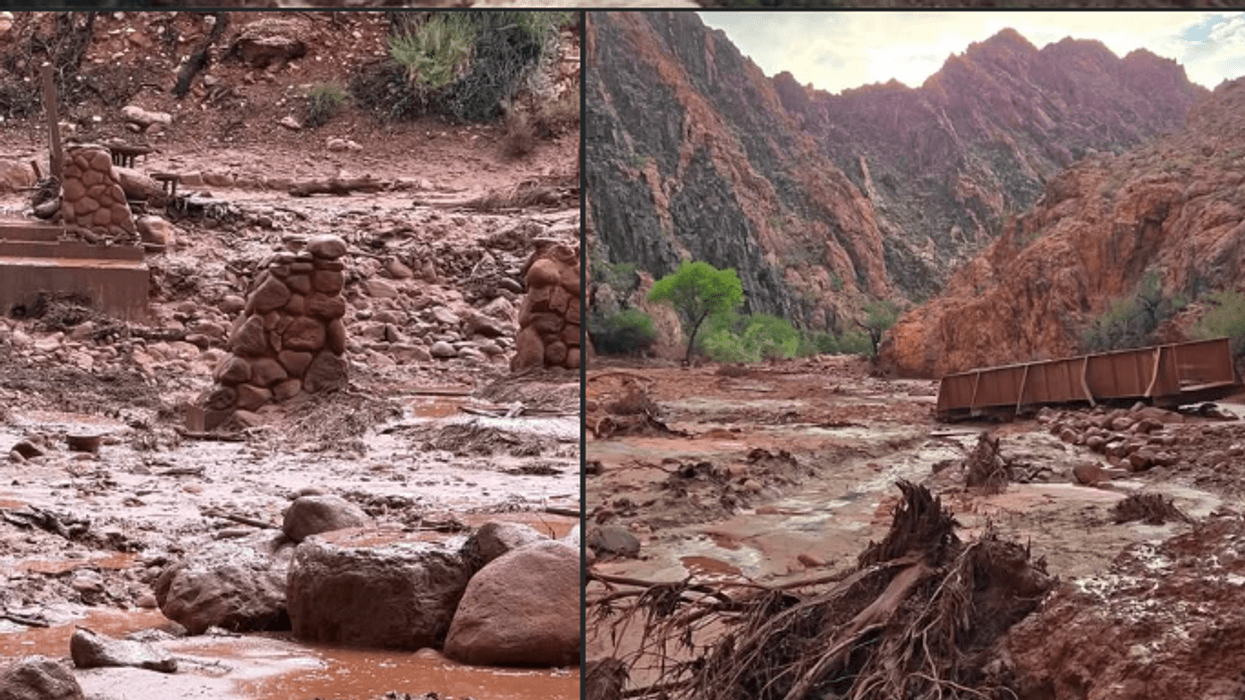

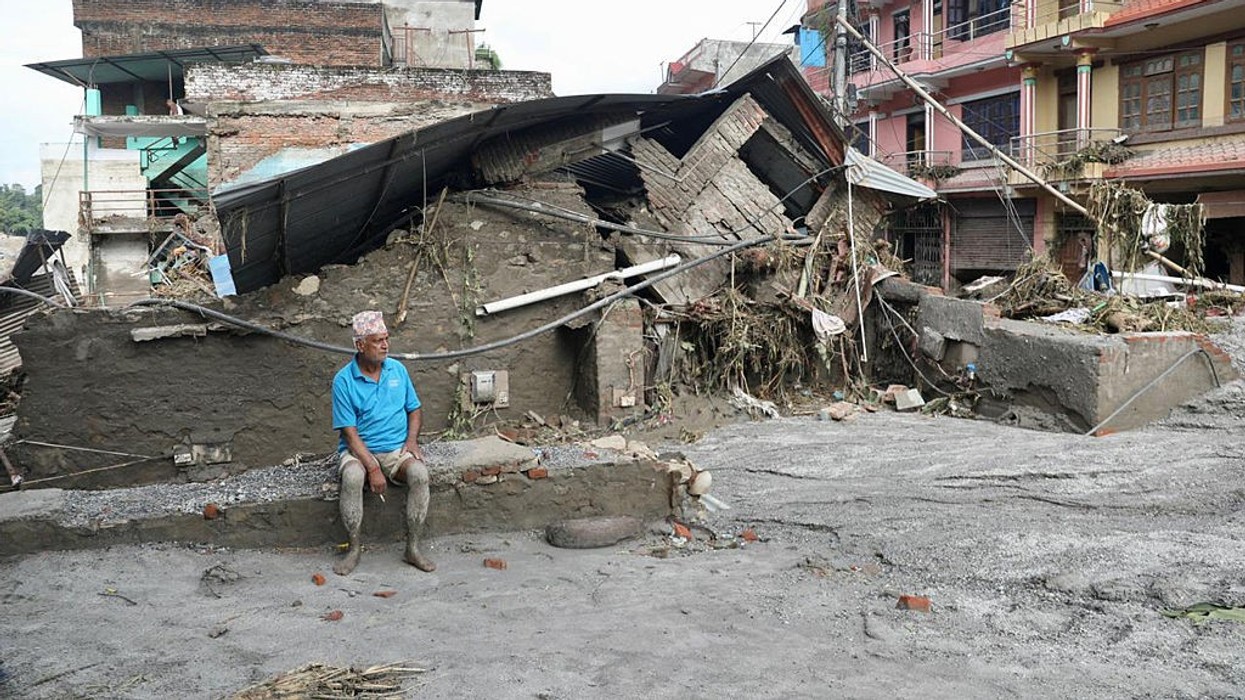
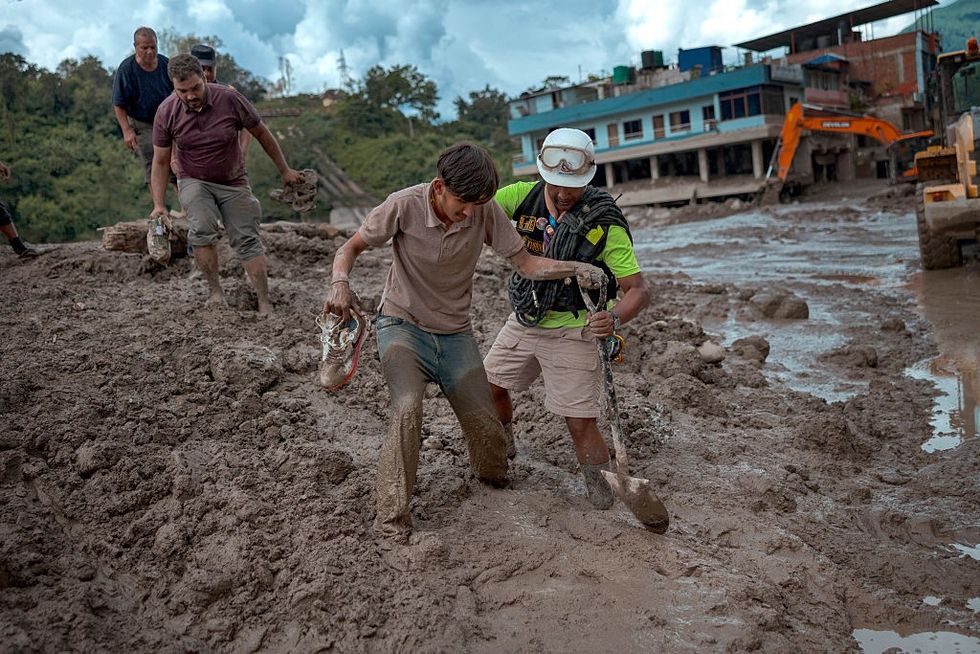 A rescuer assists a resident through heavy mud following flash floods on August 27, 2026 in Trishuli, Nepal. A sudden flood swept through the Bhote Koshi River basin in northern Rasuwa on August 26, damaging settlements, roads and energy infrastructure as rescue teams searched for residents and foreign travellers reported out of contact. Hundreds were reported missing, as the death toll started to climb.Getty Images
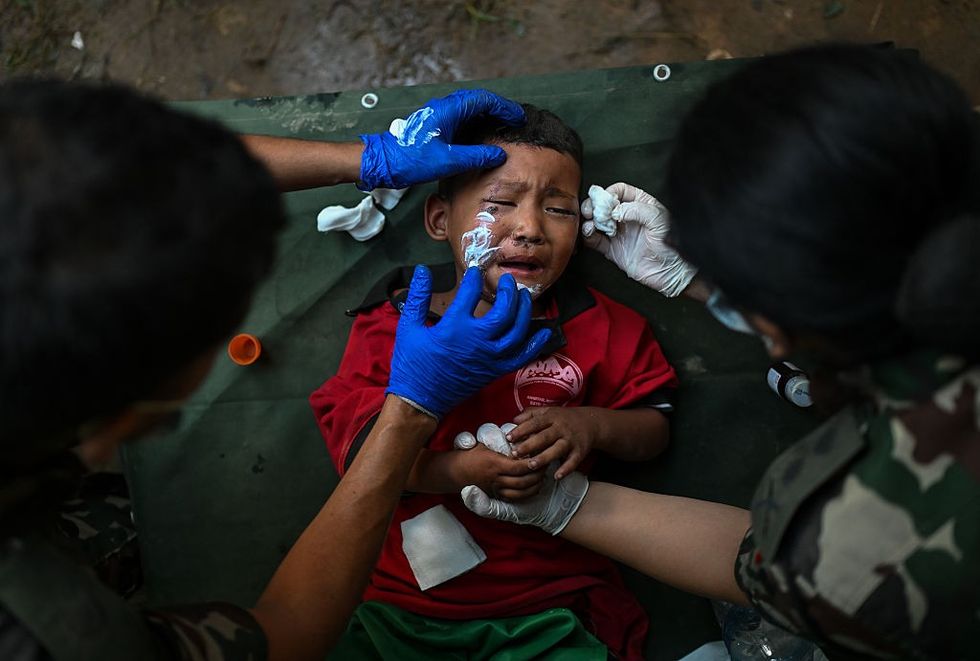 Rescue personnel provide medical treatment to a child at an army rescue camp in Trishuli Batar, Nepal, on August 27, 2026. A sudden flood swept through the Bhote Koshi River basin in northern Rasuwa on August 26, damaging settlements, roads and energy infrastructure, as rescue teams searched for residents and foreign travellers reported out of contact. Hundreds were reported missing as the death toll began to climb. Getty Ima
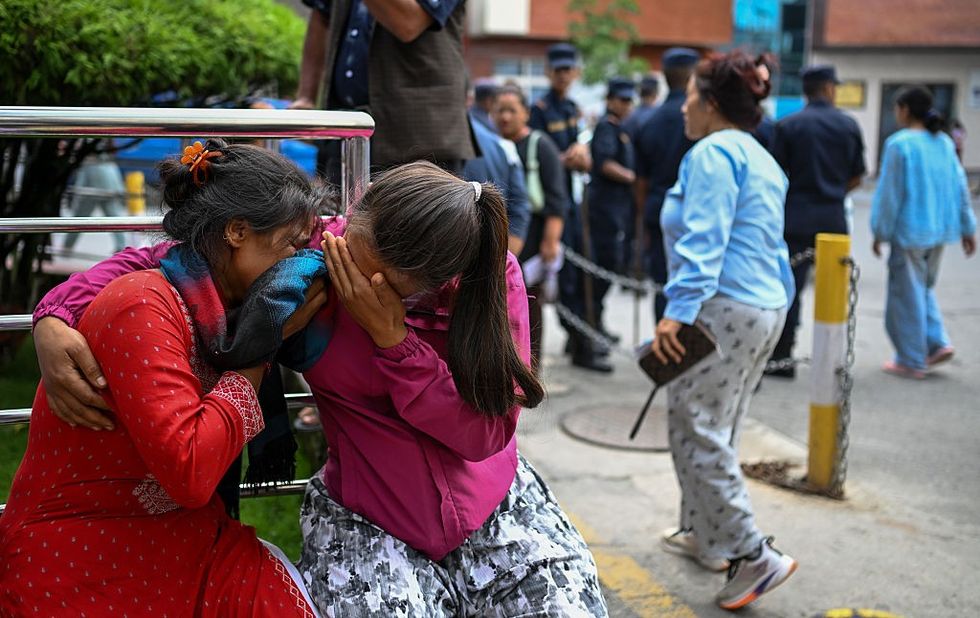 Family members of missing flood victims react at the emergency ward of the Maharajgunj Medical Campus, part of the Tribhuvan University Teaching Hospital, on August 28, 2026 in Kathmandu, Nepal. Authorities said the flash floods were triggered after a mass of ice, mud and rock collapsed into a Himalayan river near the Nepal-China border, leaving hundreds dead or missing and causing widespread damage in affected districts. Authorities continued the gruelling search for victims, many buried under metres of mud, as both China and Nepal issued fresh flooding alerts.Getty Images