

CONGRESS leader Priyanka Gandhi on Wednesday (24) termed prime minister Narendra Modi as "Pradhan Prachar Mantri" and accused the Bharatiya Janata Party (BJP) of "wasting drinking water" to clean roads in Banda, an arid town in Uttar Pradesh's Bundelkhand region.
Priyanka's comments drew a sharp reaction from chief minister Yogi Adityanath who said her statements show that the fear of defeat has gripped the Congress.
The Congress's attack on Modi and the BJP came a day ahead of the prime minister's visit to Banda.
Water from tankers were being used to clean roads to "welcome our Pradhan Prachar Mantri (chief publicity minister)", she claimed.
This is happening at a time when "the entire Bundelkhand, the men and women living there, school going children, crops, birds and animals are facing the spectre of
drought," the Congress general secretary said.
In a tweet, Priyanka said, "Is he a 'chowkidar' (watchman) or a 'shahnshah' (emperor) coming from Delhi."
Rebutting allegations, Yogi Adityanath said, "The fear of defeat has gripped the Congress so much that it can be proved from the fact that Priyanka Gandhi Vadra has termed 11 seconds of washing of keechad (mud), as the washing of an entire road."
In a tweet, he said, "The Congress is a factory of lies. Even after tendering an apology in the Supreme Court, these Congressmen are not mending their ways."
His reference was to Congress president Rahul Gandhi expressing regret in the Supreme Court on Monday over his remark "chowkidar (watchman) Narendra Modi chor hain" in connection with the Rafale judgment.




 A 1996 photo of rapper Tupac Shakur (L) and Marion "Suge" Knight is shown on screens during closing arguments in the Duane Davis murder trial, related to the 1996 killing of rapper Tupac Shakur, at Clark County District Court at the Regional Justice Center in Las Vegas, Nevada, on August 31, 2026. Getty Images




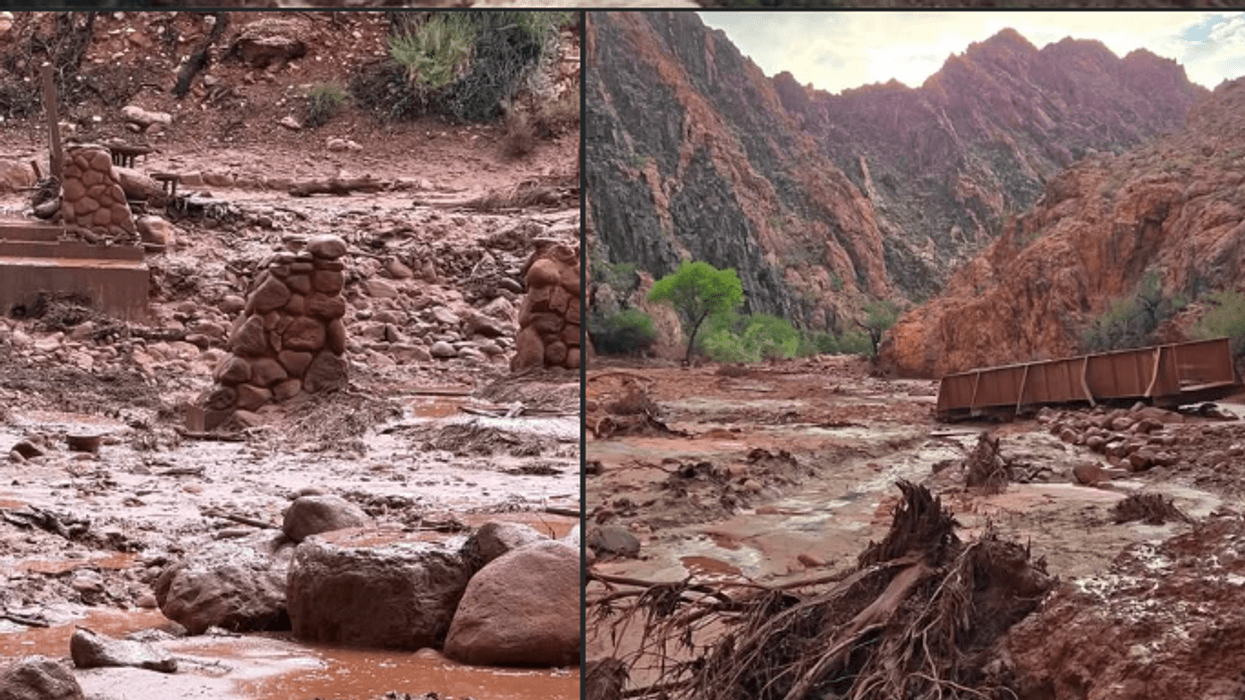


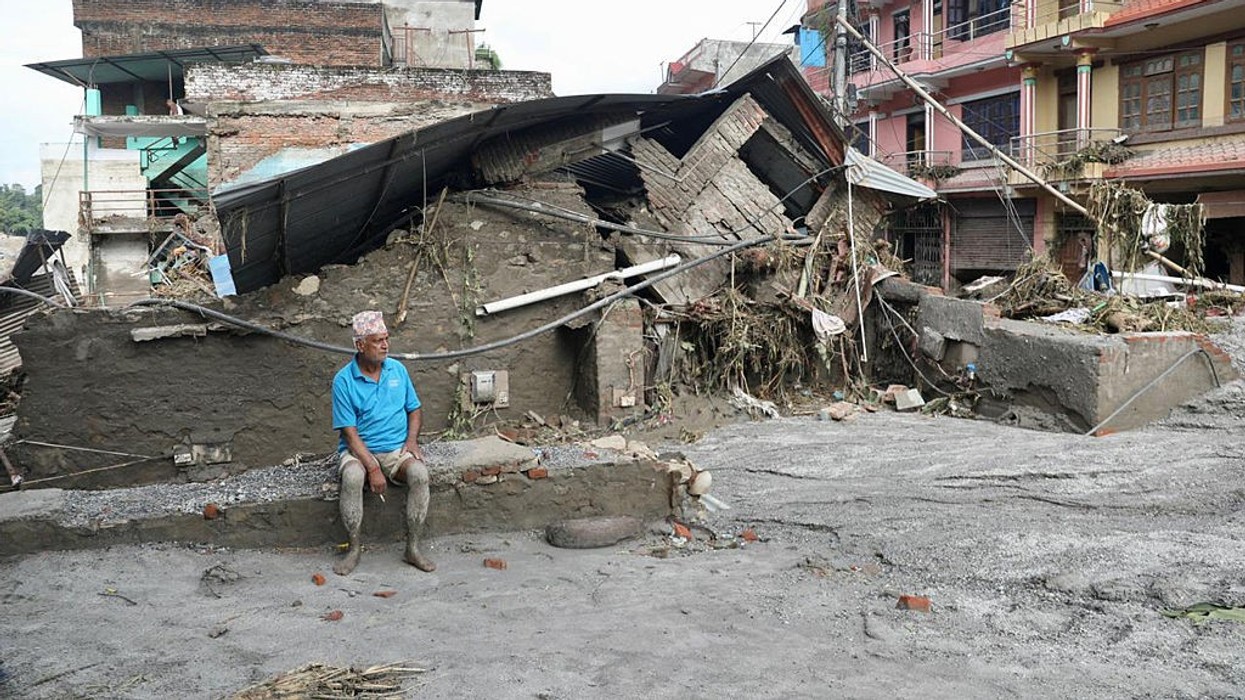
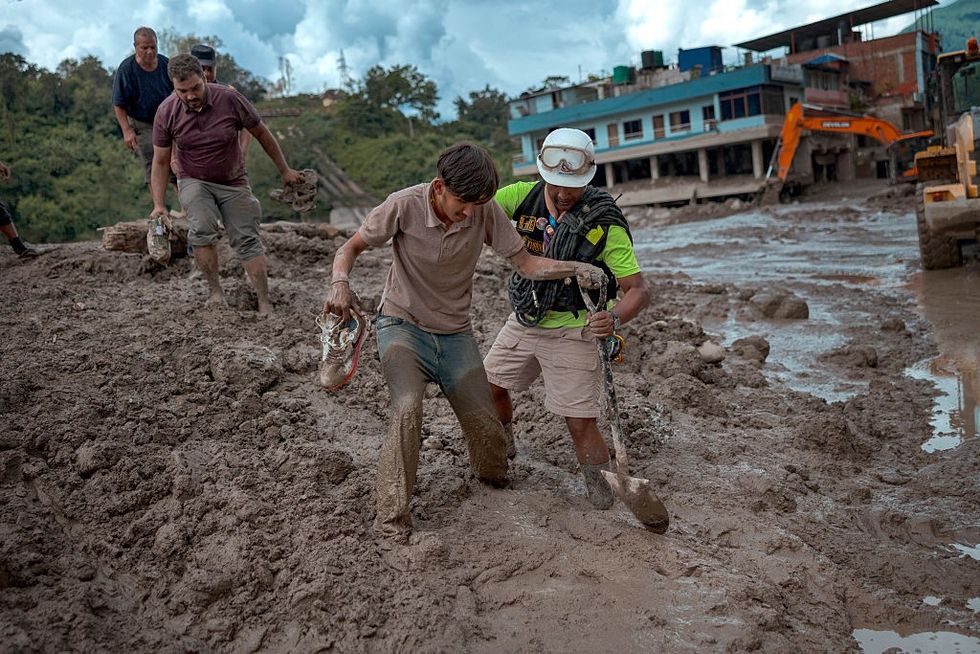 A rescuer assists a resident through heavy mud following flash floods on August 27, 2026 in Trishuli, Nepal. A sudden flood swept through the Bhote Koshi River basin in northern Rasuwa on August 26, damaging settlements, roads and energy infrastructure as rescue teams searched for residents and foreign travellers reported out of contact. Hundreds were reported missing, as the death toll started to climb.Getty Images
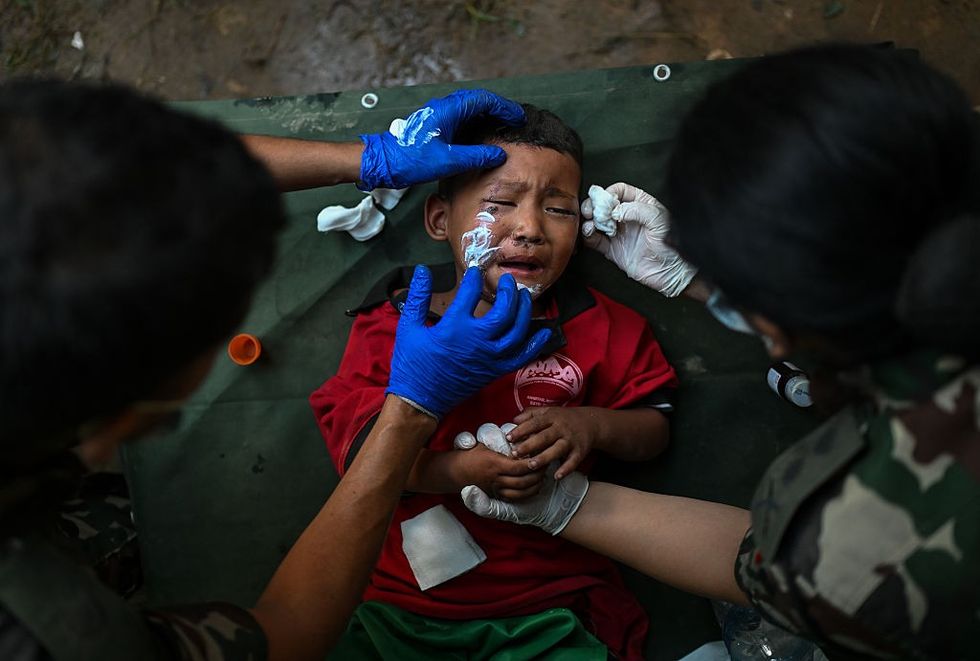 Rescue personnel provide medical treatment to a child at an army rescue camp in Trishuli Batar, Nepal, on August 27, 2026. A sudden flood swept through the Bhote Koshi River basin in northern Rasuwa on August 26, damaging settlements, roads and energy infrastructure, as rescue teams searched for residents and foreign travellers reported out of contact. Hundreds were reported missing as the death toll began to climb. Getty Ima
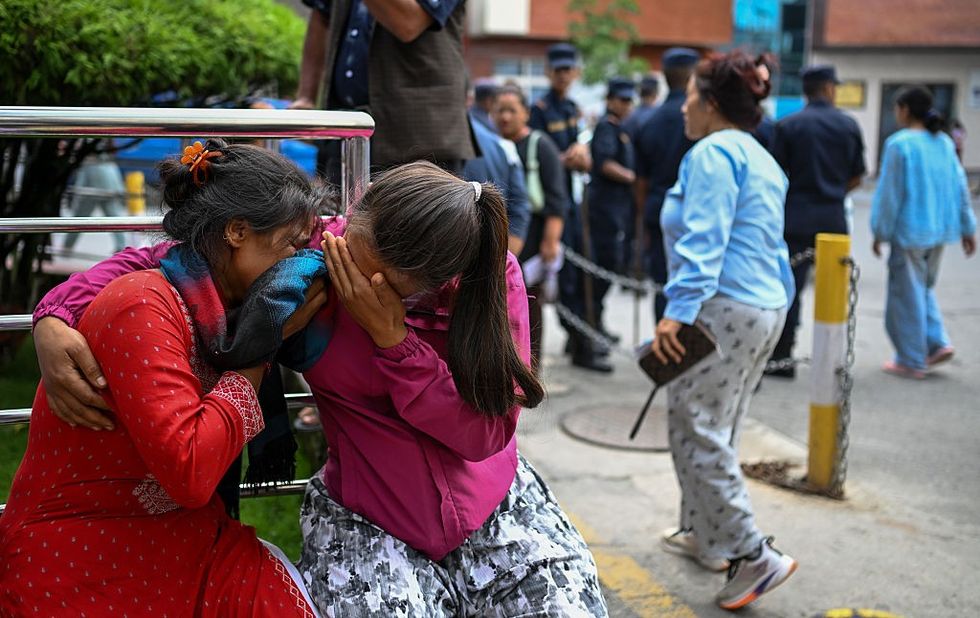 Family members of missing flood victims react at the emergency ward of the Maharajgunj Medical Campus, part of the Tribhuvan University Teaching Hospital, on August 28, 2026 in Kathmandu, Nepal. Authorities said the flash floods were triggered after a mass of ice, mud and rock collapsed into a Himalayan river near the Nepal-China border, leaving hundreds dead or missing and causing widespread damage in affected districts. Authorities continued the gruelling search for victims, many buried under metres of mud, as both China and Nepal issued fresh flooding alerts.Getty Images