

SCIENTISTS have warned that Britain will have to face the prospect of thousands of annual Covid deaths in the coming years, The Guardian reported.
The disease will circulate alongside flu and other seasonal viruses and become part of accepted winter illness, they added.
According to them, Covid is likely to sweep the country every winter affecting elderly and infirm people. When cold weather forces people indoors, virus transmission will increase, case numbers will rise, and some of these will result in deaths, the report added.
Researchers said that Covid infections could rise in autumn as vaccination rates falter and schools return. This could lead to a fourth wave this winter – one that could become an annual occurrence for years to come, The Guardian report said.
“We are going to see problems with Covid for a long time. The virus has shown itself to be genetically more nimble than we expected, though not as much as the influenza virus. So I would envisage Covid being a continuing problem for some time, with annual death tolls reaching thousands and possibly tens of thousands," Prof Adam Finn of Bristol University, told the newspaper.
Prof James Naismith, director of the Rosalind Franklin Institute in Oxford, said: “We won’t see Covid-19 spread like wildfire again. There will be enough herd immunity in the population to ensure it will never kick off like that again. But everything will not be hunky-dory. We will have waves of illness similar to flu, I think. And they will kill. The issue is: how many? That is difficult to assess but if you look at current Covid deaths, these are occurring at about 100 a day."
According to Prof Jonathan Ball of Nottingham University, numbers of Covid deaths will decrease over time as population immunity to the disease not only increases but also broadens.
“Covid is not going to be something that brings society to a halt. And we can minimise the problems it poses – through careful use of vaccines, for example," said Prof Finn.
Prof Martin Hibberd of the London School of Hygiene and Tropical Medicine, told The Guardian: “I think we may be at a turning point in Covid-19 in the UK, with the proportion of people with antibodies now rising above 90 per cent. That means that soon we will be in as good a place as possible with vaccine protection – and yet, we are still seeing the disease.
“This is what we will have to live with: a new nasty disease that will continue to cause problems. I think we can use influenza as an example here. We have vaccines for influenza and yet we still have perhaps an average of 20,000 deaths a year in the UK.”
Scientists are now pressing for the introduction of booster vaccines for people over 50 and for 16- and 17-year-olds to be considered for vaccination.
According to the report, previous lockdowns in the UK may have weakened the British population’s immunity to other respiratory illnesses such as flu.




 A 1996 photo of rapper Tupac Shakur (L) and Marion "Suge" Knight is shown on screens during closing arguments in the Duane Davis murder trial, related to the 1996 killing of rapper Tupac Shakur, at Clark County District Court at the Regional Justice Center in Las Vegas, Nevada, on August 31, 2026. Getty Images




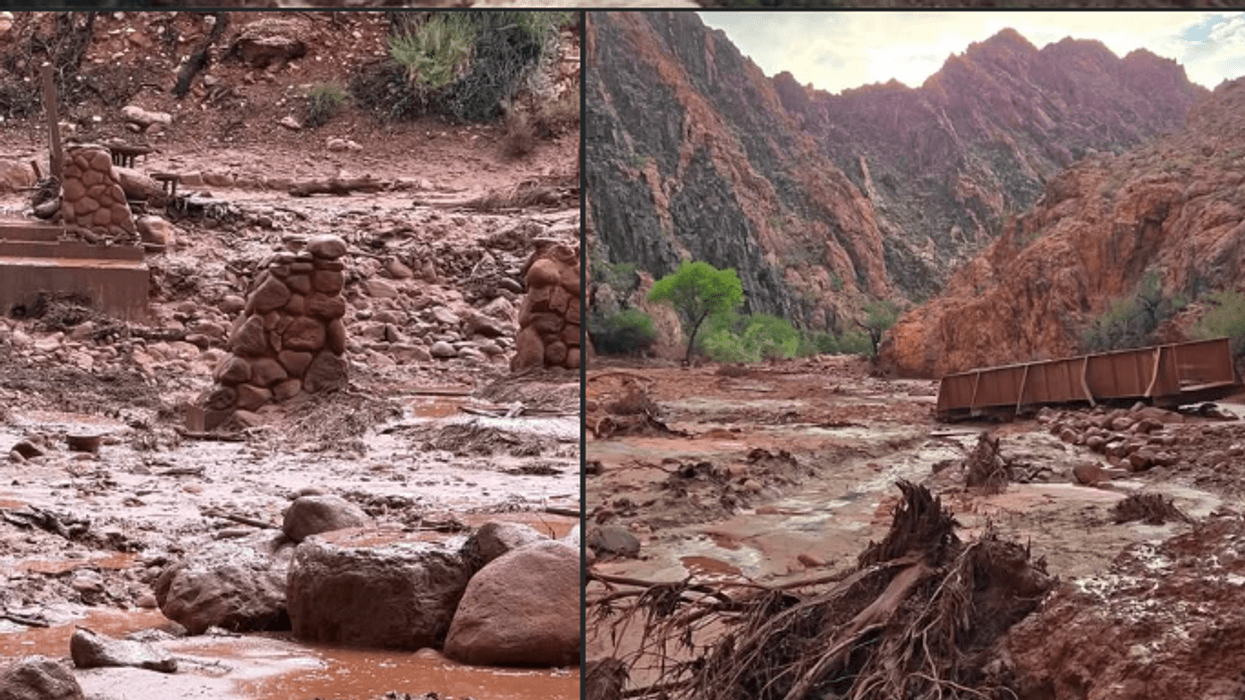

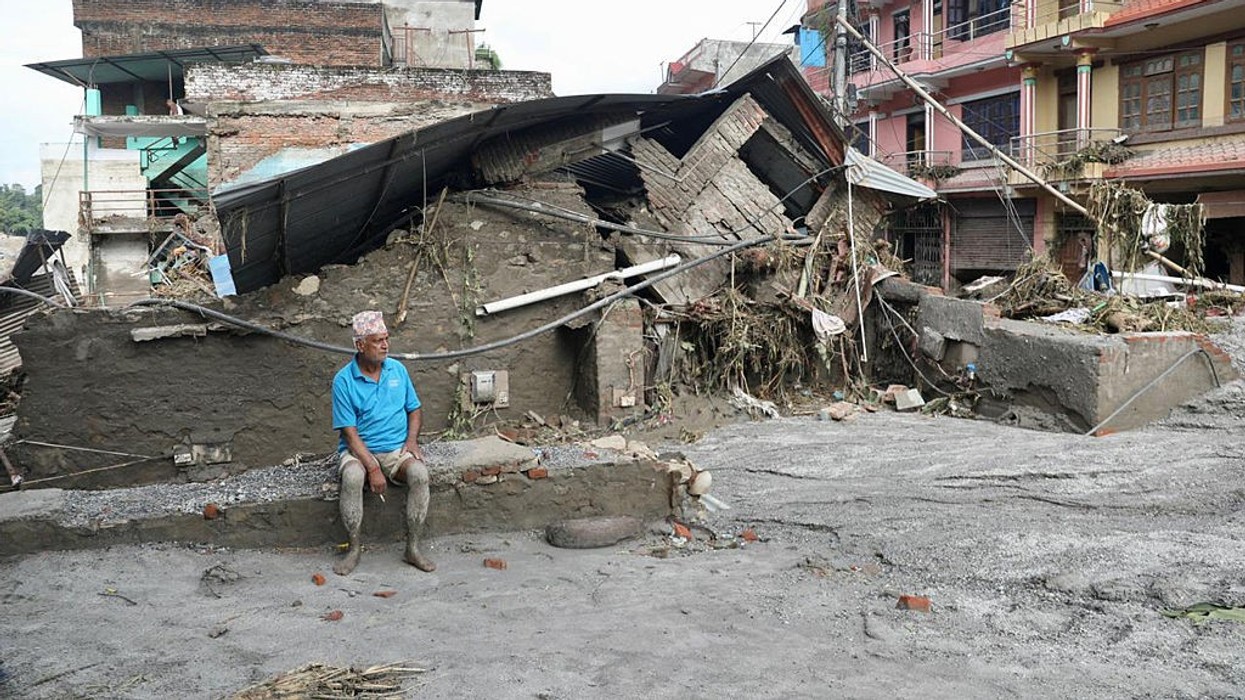
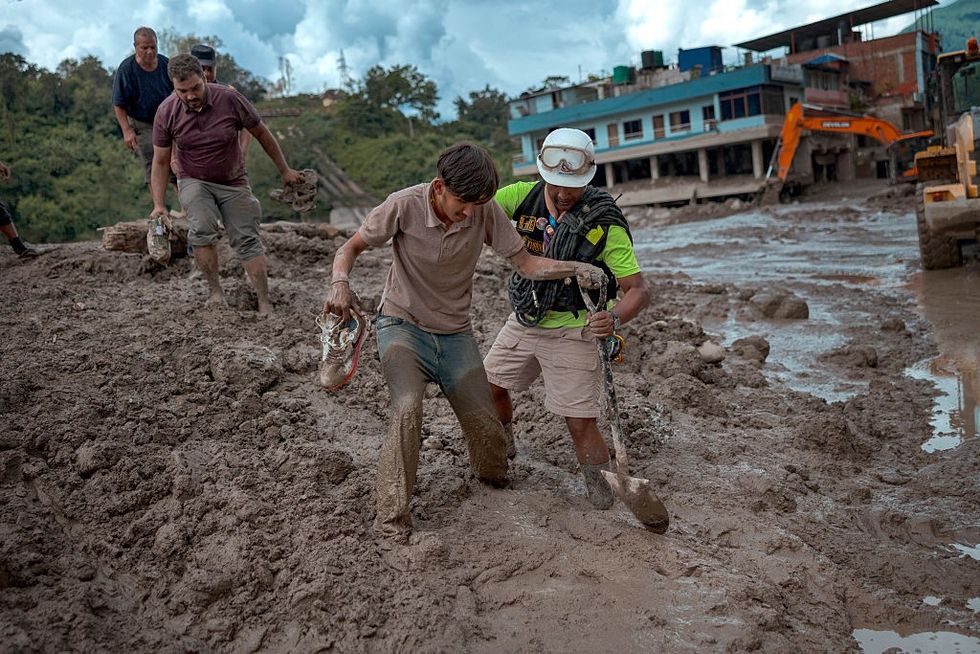 A rescuer assists a resident through heavy mud following flash floods on August 27, 2026 in Trishuli, Nepal. A sudden flood swept through the Bhote Koshi River basin in northern Rasuwa on August 26, damaging settlements, roads and energy infrastructure as rescue teams searched for residents and foreign travellers reported out of contact. Hundreds were reported missing, as the death toll started to climb.Getty Images
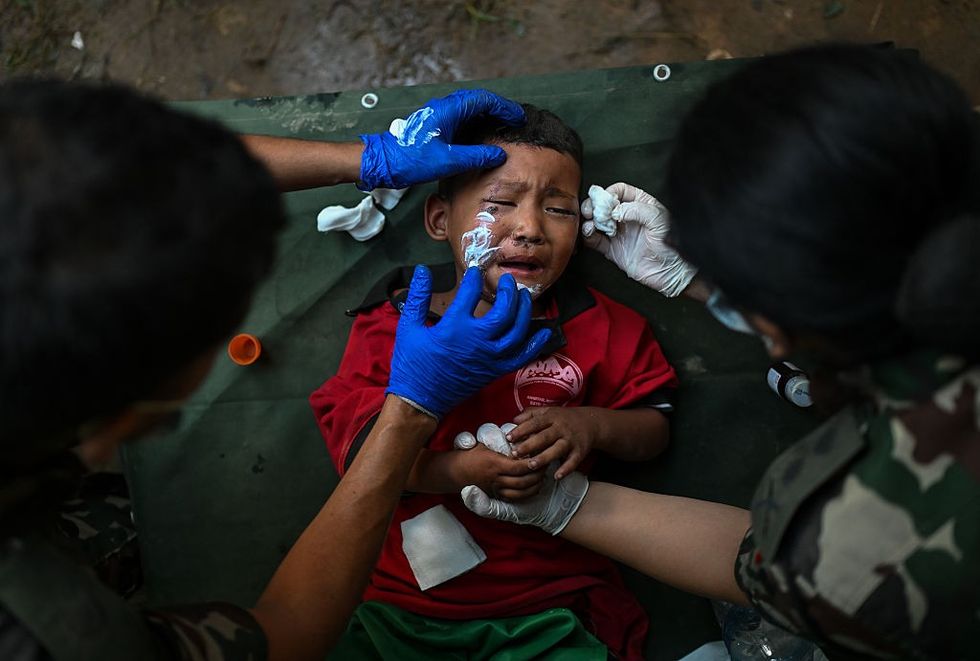 Rescue personnel provide medical treatment to a child at an army rescue camp in Trishuli Batar, Nepal, on August 27, 2026. A sudden flood swept through the Bhote Koshi River basin in northern Rasuwa on August 26, damaging settlements, roads and energy infrastructure, as rescue teams searched for residents and foreign travellers reported out of contact. Hundreds were reported missing as the death toll began to climb. Getty Ima
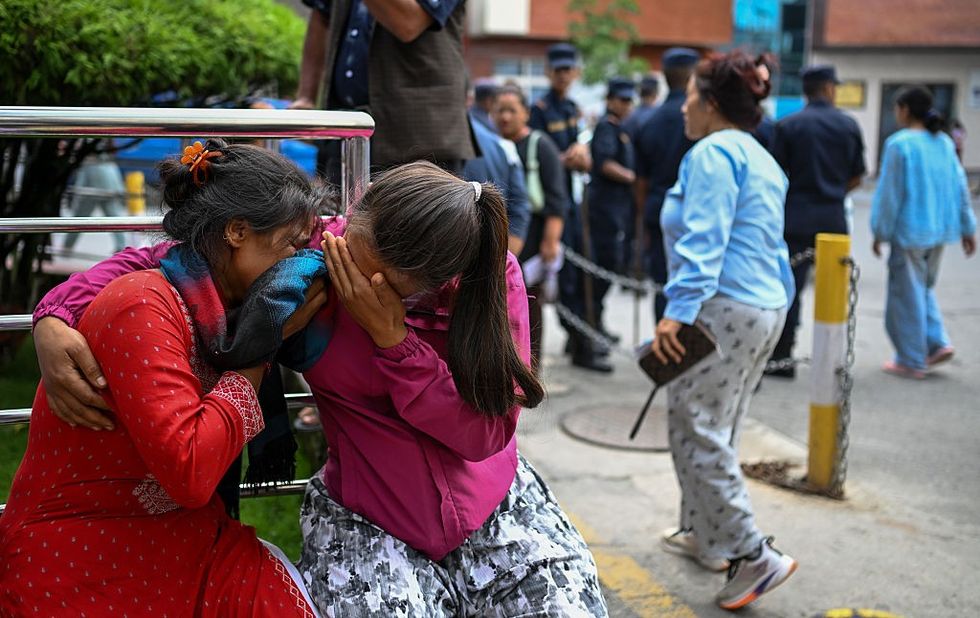 Family members of missing flood victims react at the emergency ward of the Maharajgunj Medical Campus, part of the Tribhuvan University Teaching Hospital, on August 28, 2026 in Kathmandu, Nepal. Authorities said the flash floods were triggered after a mass of ice, mud and rock collapsed into a Himalayan river near the Nepal-China border, leaving hundreds dead or missing and causing widespread damage in affected districts. Authorities continued the gruelling search for victims, many buried under metres of mud, as both China and Nepal issued fresh flooding alerts.Getty Images