

Asserting that a woman or a girl is killed every 11 minutes by an intimate partner or a family member, United Nations chief Antonio Guterres has said that violence against them is the most pervasive "human rights violation" in the world and called on governments to implement national action plans that tackle this scourge.
Secretary general Guterres made these remarks ahead of the International Day for the 'Elimination of Violence against Women' which is observed on November 25.
 UN secretary-general Antonio Guterres (Photo by Dave Kotinsky/Getty Images for Vital Voices Global Partnership)
"Violence against women and girls is the most pervasive human rights violation in the world. Every 11 minutes, a woman or a girl is killed by an intimate partner or family member — and we know that other stresses, from the COVID-19 pandemic to economic turmoil, inevitably lead to even more physical and verbal abuse," he said.
Guterres's remarks come in the backdrop of the recent Shraddha Walkar murder case that has shocked India with its brutal details.
He said women and girls also face rampant online violence, from misogynistic hate speech to sexual harassment, image abuse and grooming by predators.
"This discrimination, violence and abuse targeting half of humanity come at a steep cost. It limits women's and girls' participation in all walks of life, denies their basic rights and freedoms, and blocks the equal economic recovery and sustainable growth our world needs," he said.
The UN chief gave a clarion call to all to "consign violence against women and girls to the history books," saying now is the time for transformative action that ends violence against women and girls.
He said this means governments designing, funding and implementing national action plans to tackle this scourge, involving grass-roots and civil society groups at every stage of decision-making and ensuring that laws are implemented and respected, so survivors see their rights to justice and support upheld.
Calling on governments to increase funding by 50 per cent to women's rights organisations and movements by 2026, Guterres urged all to take a "stand and raise our voices in support of women's rights" and proudly declare that "we are all feminists."
He called for supporting public campaigns that challenge patriarchal norms and promote different forms of masculinities that reject misogyny and violence.
Noting that this year's theme on an international day is 'UNITE: Activism to End Violence Against Women and Girls', Guterres said it means standing with activists around the world who are calling for change and supporting survivors of violence.
Walkar's live-in partner Aaftabl Amin Poonawala allegedly strangled her and sawed her body into 35 pieces, which he kept in a fridge for almost three weeks at his home in south Delhi's Mehrauli area. He then dumped the body across the city over several days. Walkar had often complained about being physically assaulted by Poonawala, her friends have said.




 A 1996 photo of rapper Tupac Shakur (L) and Marion "Suge" Knight is shown on screens during closing arguments in the Duane Davis murder trial, related to the 1996 killing of rapper Tupac Shakur, at Clark County District Court at the Regional Justice Center in Las Vegas, Nevada, on August 31, 2026. Getty Images



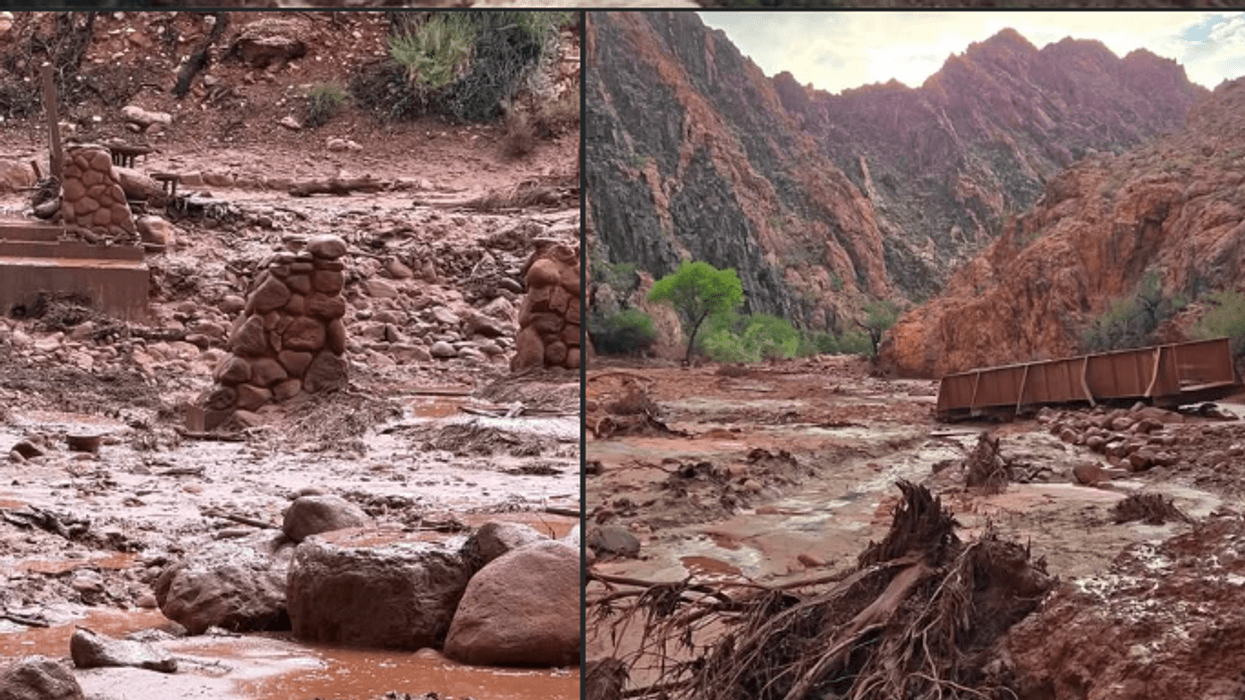

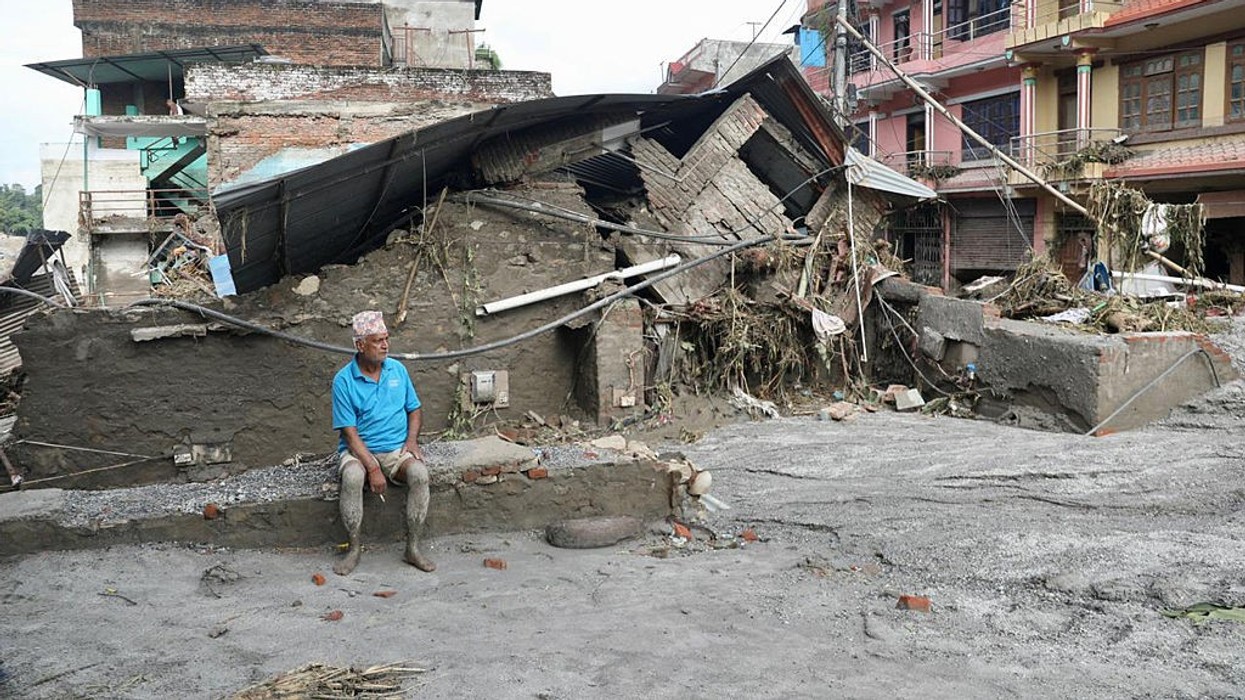
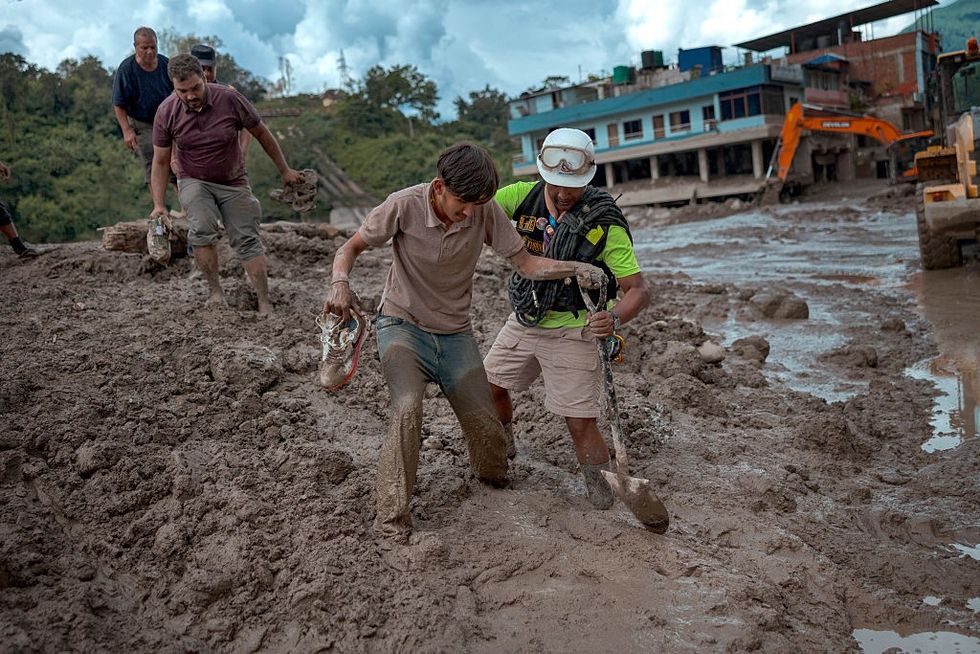 A rescuer assists a resident through heavy mud following flash floods on August 27, 2026 in Trishuli, Nepal. A sudden flood swept through the Bhote Koshi River basin in northern Rasuwa on August 26, damaging settlements, roads and energy infrastructure as rescue teams searched for residents and foreign travellers reported out of contact. Hundreds were reported missing, as the death toll started to climb.Getty Images
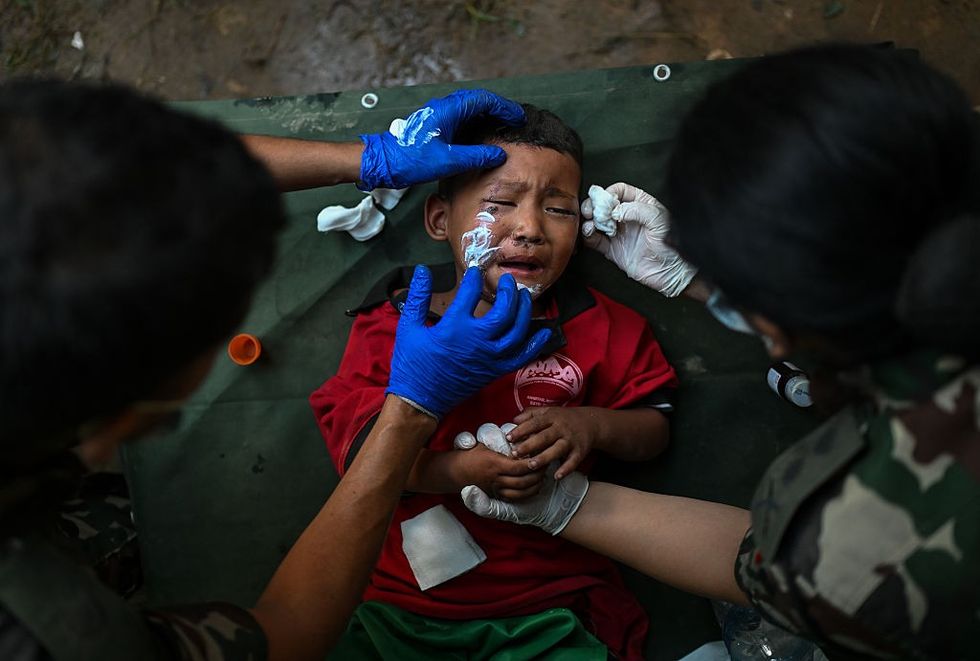 Rescue personnel provide medical treatment to a child at an army rescue camp in Trishuli Batar, Nepal, on August 27, 2026. A sudden flood swept through the Bhote Koshi River basin in northern Rasuwa on August 26, damaging settlements, roads and energy infrastructure, as rescue teams searched for residents and foreign travellers reported out of contact. Hundreds were reported missing as the death toll began to climb. Getty Ima
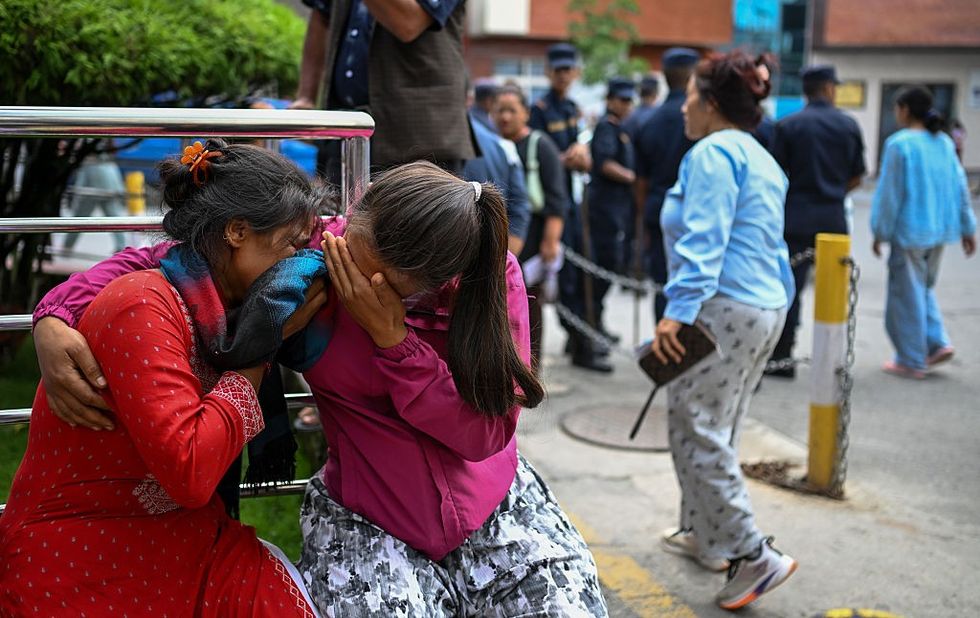 Family members of missing flood victims react at the emergency ward of the Maharajgunj Medical Campus, part of the Tribhuvan University Teaching Hospital, on August 28, 2026 in Kathmandu, Nepal. Authorities said the flash floods were triggered after a mass of ice, mud and rock collapsed into a Himalayan river near the Nepal-China border, leaving hundreds dead or missing and causing widespread damage in affected districts. Authorities continued the gruelling search for victims, many buried under metres of mud, as both China and Nepal issued fresh flooding alerts.Getty Images