

Days before he was hanged in Singapore for smuggling cannabis, Tangaraju Suppiah, a man of Indian origin, requested the prison authorities to bring him his favourite dishes -- chicken rice, nasi biryani, ice cream soda and Milo-flavoured sweets.
Kokila Annamalai, a rights activist from the city-state who represented the 46-year-old Suppah's family, confirmed that the latter had been executed by hanging after the president had turned down pleas for clemency on the eve of the execution.
Annamalai shared a moving post ahead of the execution in which she confirmed that Suppiah got to taste some of his favourite food items after almost a decade. However, the request was not completely fulfilled as the prison authorities could not find the Milo-flavoured sweets.
“Death row prisoners who get an execution notice are given a small amount of money to buy a treat for the others on death row, in the week leading up to their execution,” Annamalai said. Suppiah bought with his allowance fish burgers, curry puffs and soft drinks for other such prisoners, according to her.
In the weeks leading up to his execution, Suppiah had been taking only one meal a day in an effort to reduce weight, Annamalai said.
“Maybe if I'm heavier, it'll take longer for me to go?” he told a childhood friend during a visit.
Suppiah was executed at Changi Prison at dawn on Wednesday (26) for trafficking a kilogram of Cannabis despite concerns about the case and protests held globally.
A death sentence was passed in 2018 on Suppiah following his conviction for "abetting by engaging in a conspiracy to traffic" cannabis in 2013, The Times reported.
The home affairs ministry of Singapore said two phones belonging to the convict were used to co-ordinate the drugs' delivery and his guilt had been proved beyond reasonable doubt, the report added.
On Monday (24), British business tycoon Sir Richard Branson, a campaigner against the death penalty, called on authorities in Singapore to stop Suppiah's execution. He criticised in a blog post the practice of “killing those at the lowest rungs of the illicit drug supply chain, often minorities living in poverty”, The Times report added.
“Killing people for allegedly smuggling cannabis is particularly cruel and misguided, given that more countries are now introducing sensible drug policy by decriminalising and regulating both medicinal and recreational cannabis," Branson was quoted as saying.
Branson was accused by the home affairs ministry of “disrespect for Singapore’s judges and our criminal justice system with such allegations”, the report added.
The UN Human Rights Office also urged Singapore to reconsider the death sentence.
According to activists and Suppiah’s family, he had been interrogated in English without an interpreter despite the fact that he was a Tamil speaker and without being able to access a lawyer, he had to represent himself at a review of his conviction, the report said.
The authorities, however, said that Suppiah sought an interpreter only during the trial, and that he had access to legal counsel throughout the procedure, The Times added.
(With agency inputs)

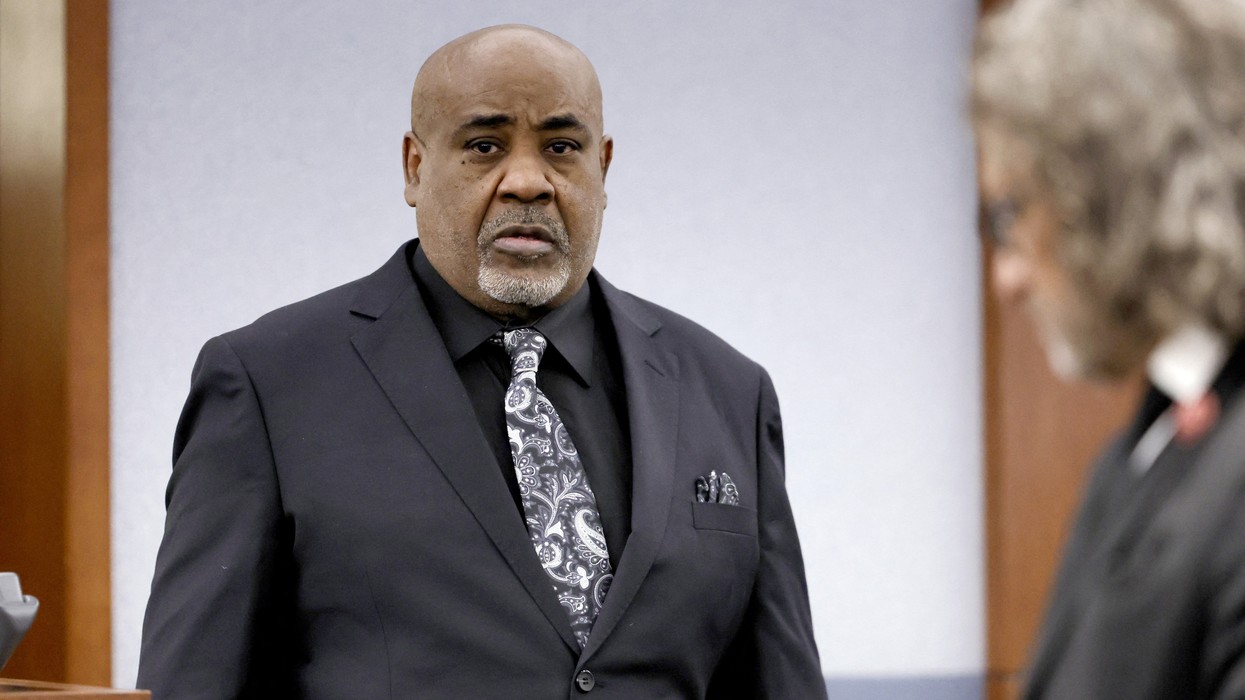
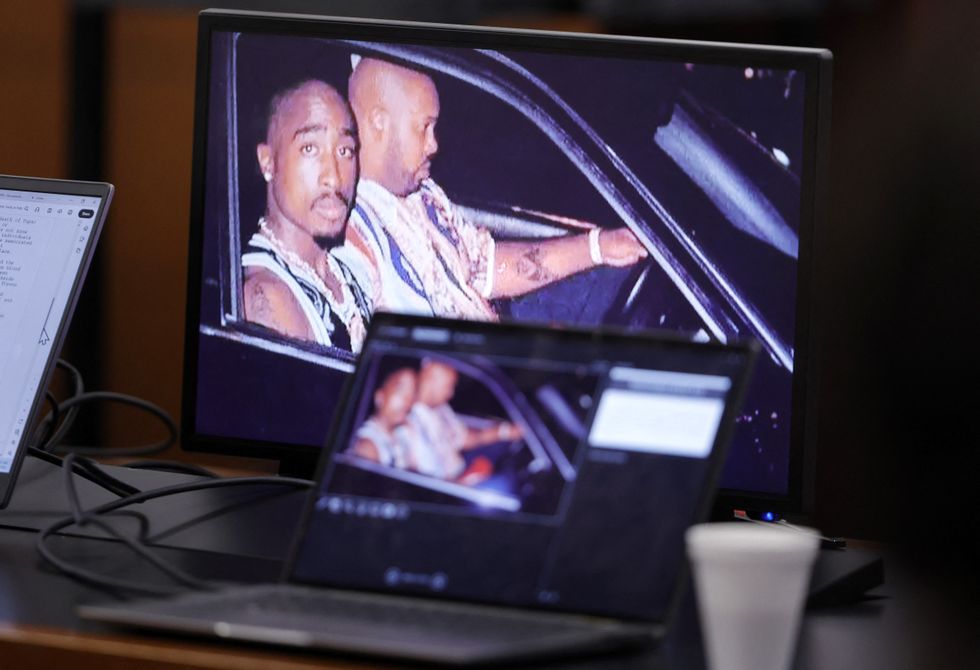 A 1996 photo of rapper Tupac Shakur (L) and Marion "Suge" Knight is shown on screens during closing arguments in the Duane Davis murder trial, related to the 1996 killing of rapper Tupac Shakur, at Clark County District Court at the Regional Justice Center in Las Vegas, Nevada, on August 31, 2026. Getty Images



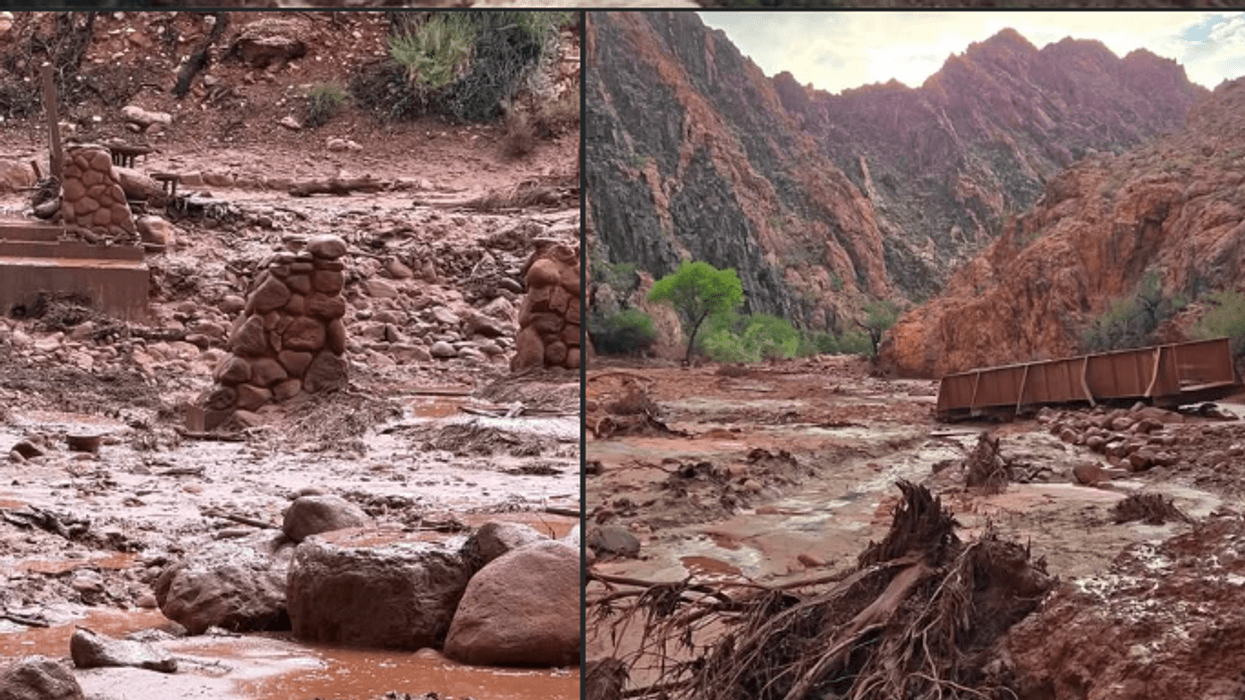
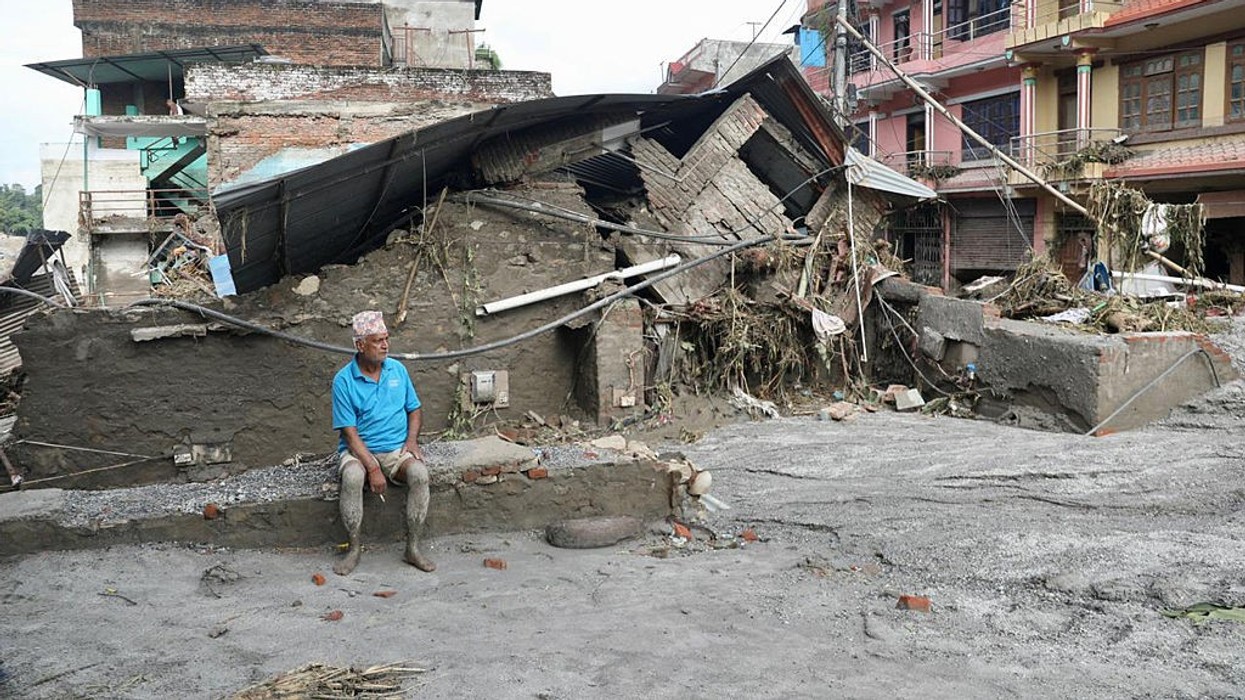
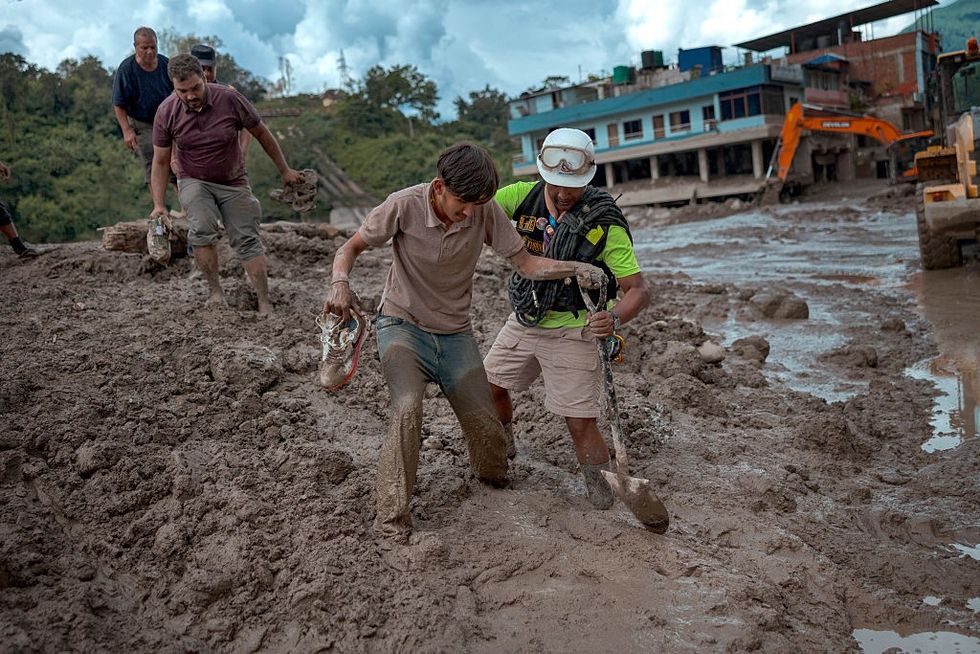 A rescuer assists a resident through heavy mud following flash floods on August 27, 2026 in Trishuli, Nepal. A sudden flood swept through the Bhote Koshi River basin in northern Rasuwa on August 26, damaging settlements, roads and energy infrastructure as rescue teams searched for residents and foreign travellers reported out of contact. Hundreds were reported missing, as the death toll started to climb.Getty Images
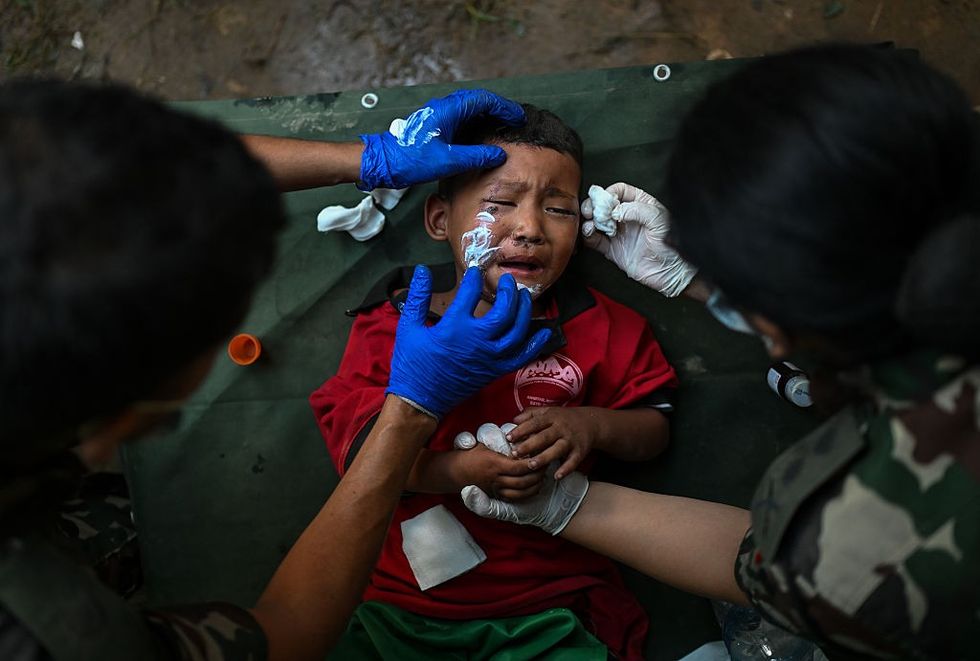 Rescue personnel provide medical treatment to a child at an army rescue camp in Trishuli Batar, Nepal, on August 27, 2026. A sudden flood swept through the Bhote Koshi River basin in northern Rasuwa on August 26, damaging settlements, roads and energy infrastructure, as rescue teams searched for residents and foreign travellers reported out of contact. Hundreds were reported missing as the death toll began to climb. Getty Ima
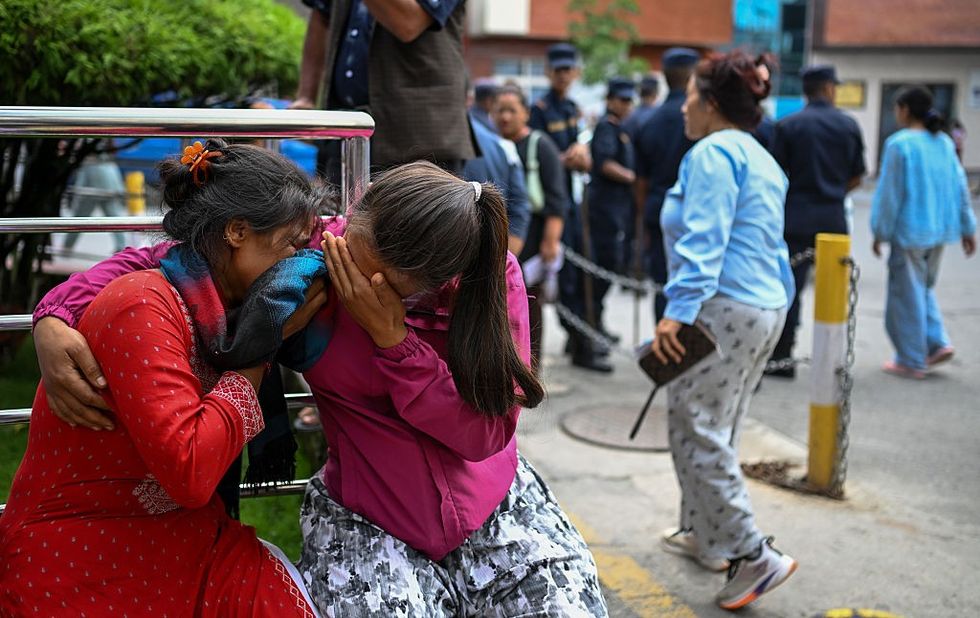 Family members of missing flood victims react at the emergency ward of the Maharajgunj Medical Campus, part of the Tribhuvan University Teaching Hospital, on August 28, 2026 in Kathmandu, Nepal. Authorities said the flash floods were triggered after a mass of ice, mud and rock collapsed into a Himalayan river near the Nepal-China border, leaving hundreds dead or missing and causing widespread damage in affected districts. Authorities continued the gruelling search for victims, many buried under metres of mud, as both China and Nepal issued fresh flooding alerts.Getty Images