

India's finance minister said today (15), fast economic growth and rapid urbanisation would slash the number of people in extreme poverty by 2021 and end it completely in the decade after that.
More than 21 per cent of India’s 1.3 billion people lived on less than $1.90 a day in 2011, when the last census was taken, according to the World Bank.
The economy is a major issue in a staggered general election that began last week and will end on May 19, with the main opposition Congress party rejecting a rosy picture prime minister Narendra Modi’s Bharatiya Janata Party (BJP) has been presenting.
Finance minister Arun Jaitley, who heads the BJP’s publicity department in the election, said the number of people who live in poverty would drop to below 15 per cent in the next three years and to a negligible level in the 10 years after that.
“Urbanisation will increase, the size of the middle-class will grow and the economy will expand manifolds,” Jaitley said in a Facebook post
“These will add to the number of jobs, and as the experience of the past three decades have shown in the liberalised economy, every section of citizens will benefit.”
Economic growth in recent years had generated enough revenue for states to work more on poverty alleviation, job creation and improving healthcare and education, he said.
But the Congress has taken issue with such assertions, in particular, pointing to leaked government data that showed unemployment rose to its highest level in at least 45 years in 2017-18.
Jaitley said economic problems could be addressed as India remained the world’s fastest growing major economy.

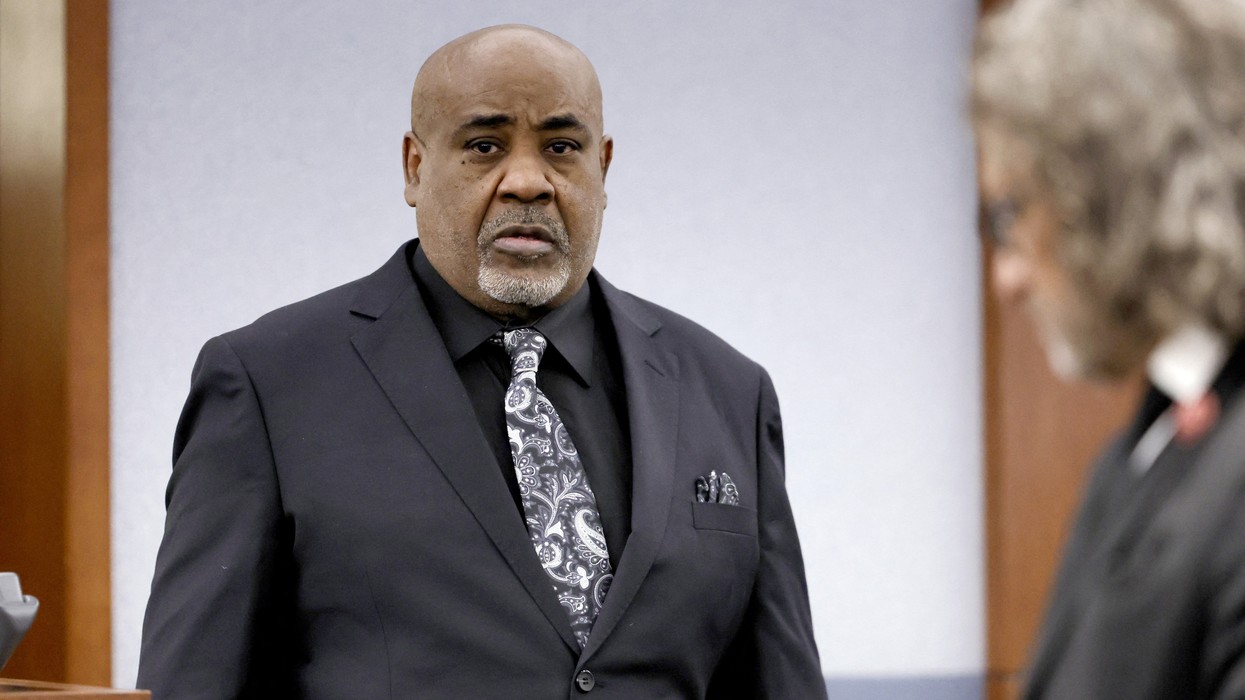
 A 1996 photo of rapper Tupac Shakur (L) and Marion "Suge" Knight is shown on screens during closing arguments in the Duane Davis murder trial, related to the 1996 killing of rapper Tupac Shakur, at Clark County District Court at the Regional Justice Center in Las Vegas, Nevada, on August 31, 2026. Getty Images


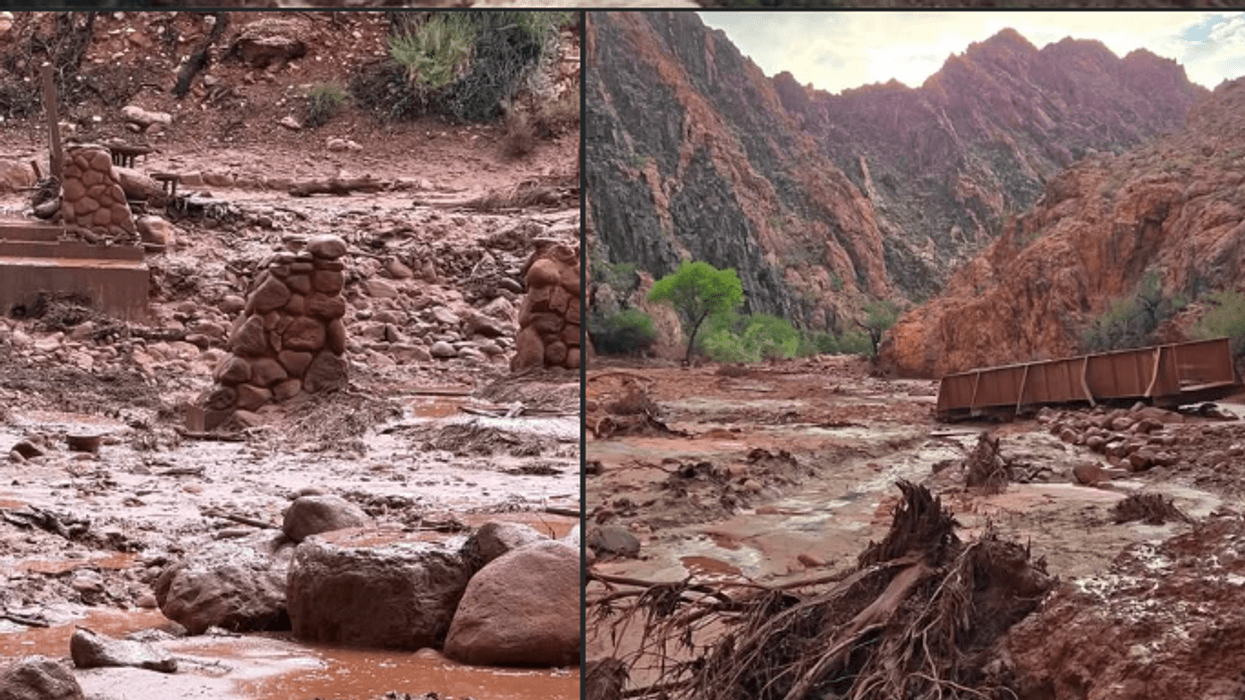
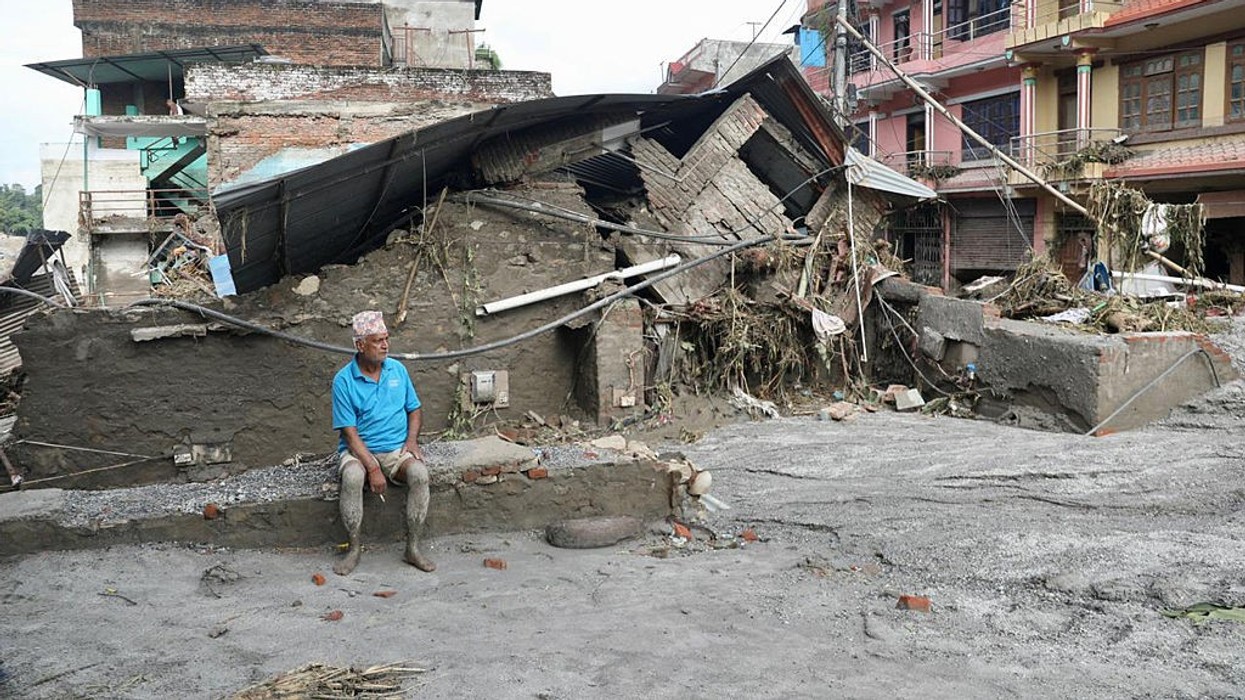
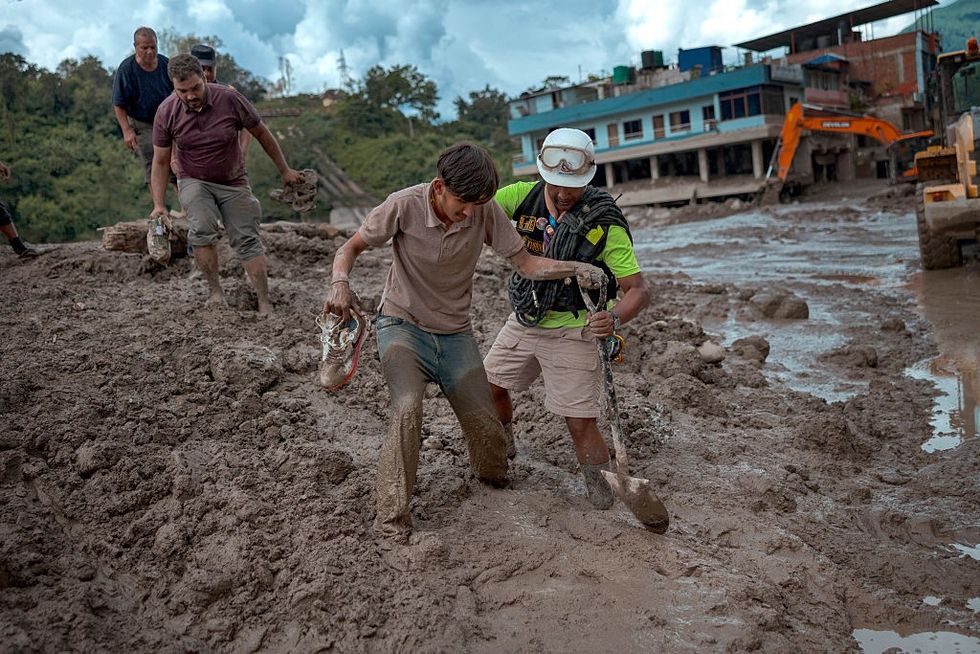 A rescuer assists a resident through heavy mud following flash floods on August 27, 2026 in Trishuli, Nepal. A sudden flood swept through the Bhote Koshi River basin in northern Rasuwa on August 26, damaging settlements, roads and energy infrastructure as rescue teams searched for residents and foreign travellers reported out of contact. Hundreds were reported missing, as the death toll started to climb.Getty Images
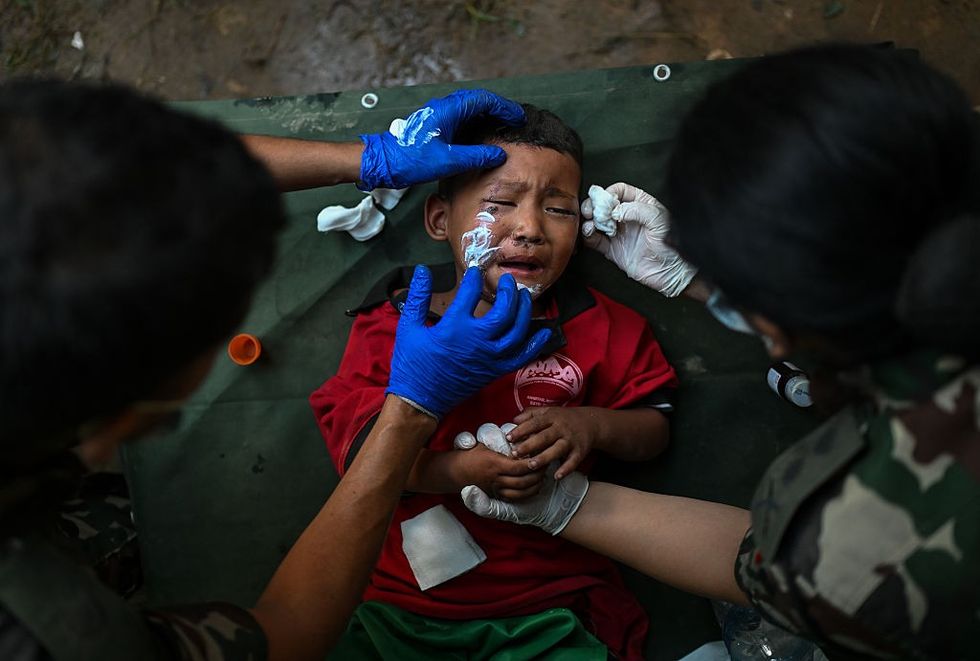 Rescue personnel provide medical treatment to a child at an army rescue camp in Trishuli Batar, Nepal, on August 27, 2026. A sudden flood swept through the Bhote Koshi River basin in northern Rasuwa on August 26, damaging settlements, roads and energy infrastructure, as rescue teams searched for residents and foreign travellers reported out of contact. Hundreds were reported missing as the death toll began to climb. Getty Ima
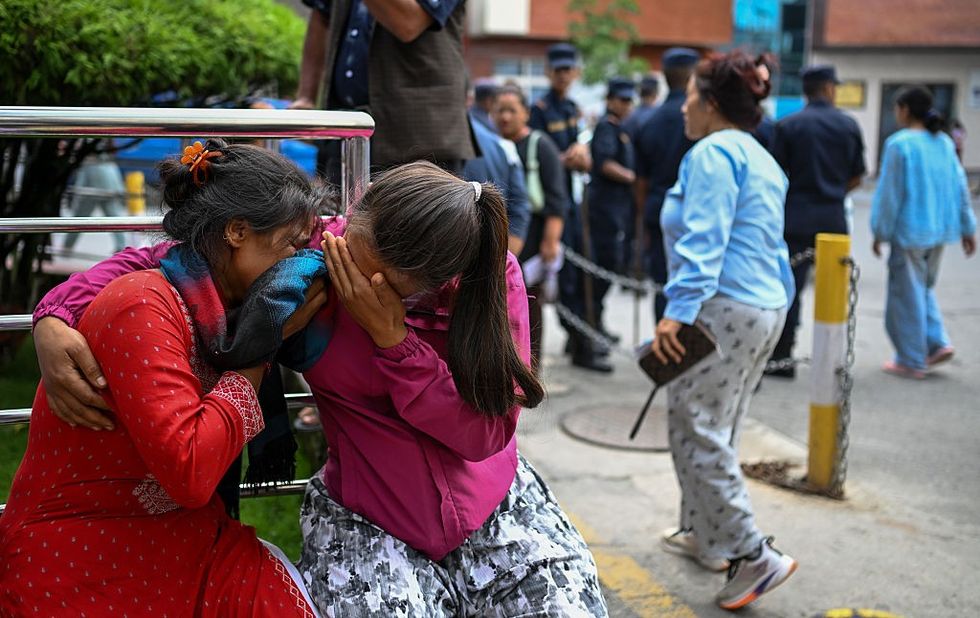 Family members of missing flood victims react at the emergency ward of the Maharajgunj Medical Campus, part of the Tribhuvan University Teaching Hospital, on August 28, 2026 in Kathmandu, Nepal. Authorities said the flash floods were triggered after a mass of ice, mud and rock collapsed into a Himalayan river near the Nepal-China border, leaving hundreds dead or missing and causing widespread damage in affected districts. Authorities continued the gruelling search for victims, many buried under metres of mud, as both China and Nepal issued fresh flooding alerts.Getty Images