

MEMBERS OF England and Australia cricket teams were seen sporting black armbands and observing a minute's silence ahead of the start of the play on the first day of the first Ashes Test at Edgbaston on Friday (16).
What was the reason for wearing the black armbands?
It was a symbol of mourning the recent attacks in Nottingham in which three persons were killed. Two of the deceased were 19-year-old students of the University of Nottingham -- Barnaby Webber from Taunton, Somerset, and Grace O'Malley-Kumar, who was of India and Irish descent. Both were sports enthusiasts.
While Webber was a member of Bishop Hull Cricket Club, Somerset, O'Malley-Kumar played for England in hockey at the age-group level and also represented London's Woodford Wells Cricket Club. Webber had also been picked for the university team. The third person who died in the attack was 65-year-old Ian Coates, a school caretaker.
A 31-year-old man was being interrogated by the police on suspicion of the triple murder.
England and Australia cricketers and support staff members and the officials of the match donned the black armbands and observed a moment's silence on the opening day of the match. The women's Ashes also kicked off the same day at Trent Bridge in Nottingham, where the attacks took place. They also wore the black armbands in response to the tragedy.
“The deeply distressing scenes witnessed in Nottingham this week have brought immense sorrow to everyone, particularly the cherished friends and families of the victims,” Wisden quoted England men’s captain Ben Stokes as saying. “It is impossible to express how much their lives and futures have been tragically disrupted.
“It was incredibly saddening to learn about the events that took place in Nottingham, and it felt a bit closer to home to learn that two of the victims had been cricket players,” England women’s captain Heather Knight said.
Australia and India cricketers wore black armbands and observed a minute's silence before the start of the World Test Championship final recently at The Oval as a mark of respect to the people killed in a deadly train crash in the Indian state of Odisha on June 2.


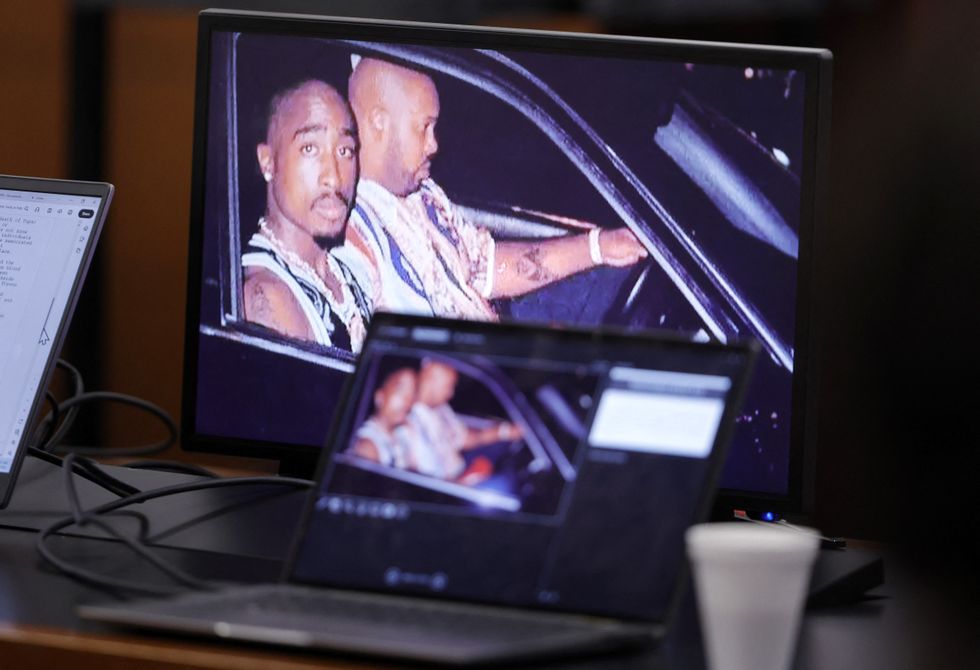 A 1996 photo of rapper Tupac Shakur (L) and Marion "Suge" Knight is shown on screens during closing arguments in the Duane Davis murder trial, related to the 1996 killing of rapper Tupac Shakur, at Clark County District Court at the Regional Justice Center in Las Vegas, Nevada, on August 31, 2026. Getty Images



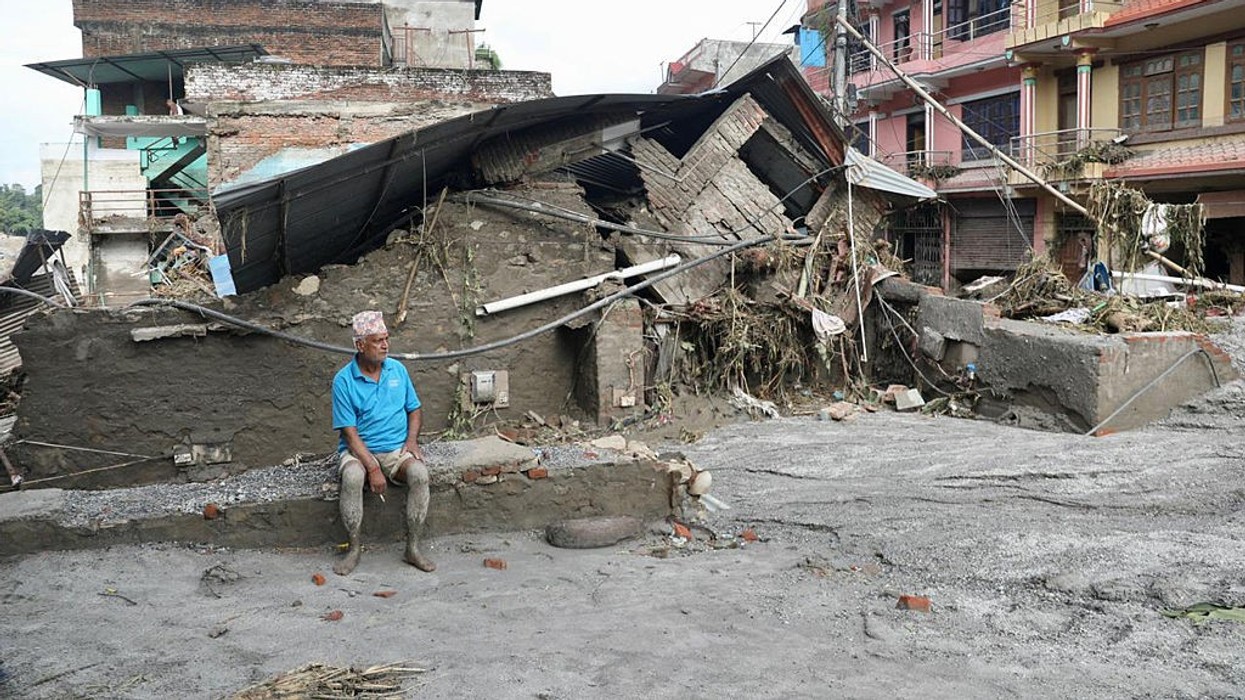
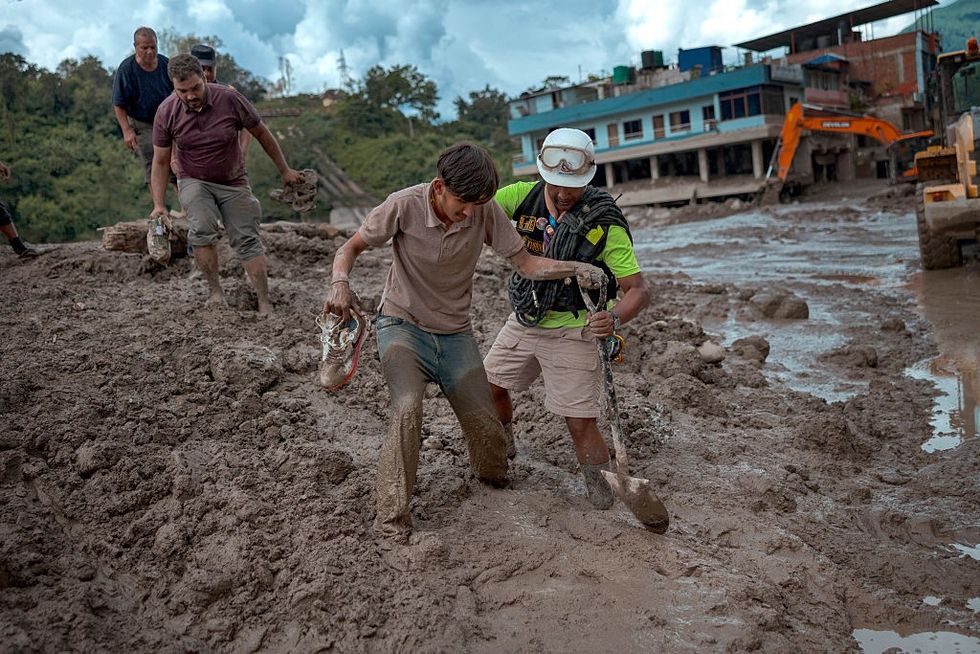 A rescuer assists a resident through heavy mud following flash floods on August 27, 2026 in Trishuli, Nepal. A sudden flood swept through the Bhote Koshi River basin in northern Rasuwa on August 26, damaging settlements, roads and energy infrastructure as rescue teams searched for residents and foreign travellers reported out of contact. Hundreds were reported missing, as the death toll started to climb.Getty Images
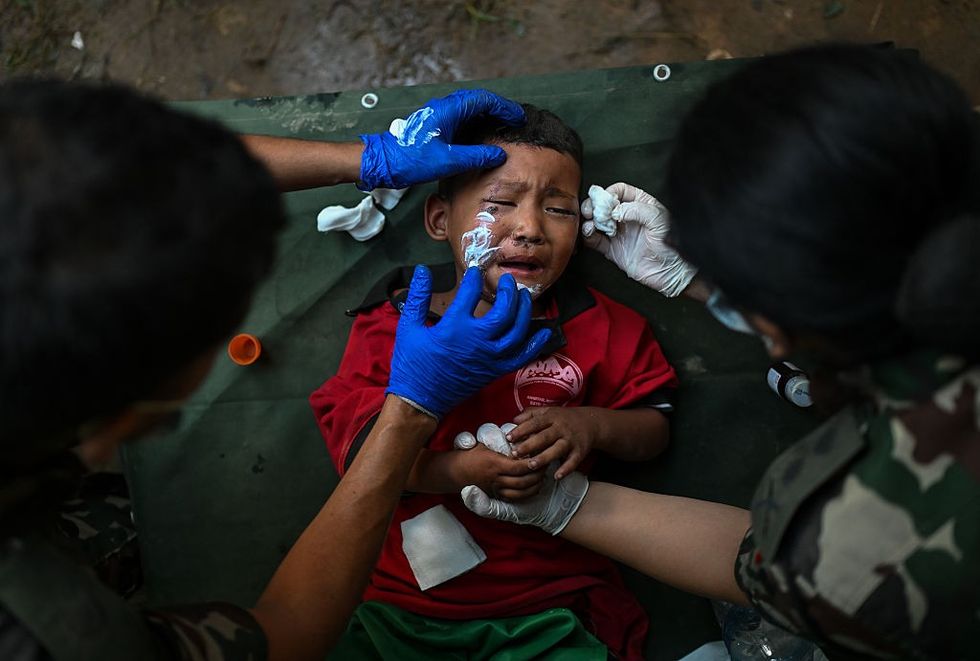 Rescue personnel provide medical treatment to a child at an army rescue camp in Trishuli Batar, Nepal, on August 27, 2026. A sudden flood swept through the Bhote Koshi River basin in northern Rasuwa on August 26, damaging settlements, roads and energy infrastructure, as rescue teams searched for residents and foreign travellers reported out of contact. Hundreds were reported missing as the death toll began to climb. Getty Ima
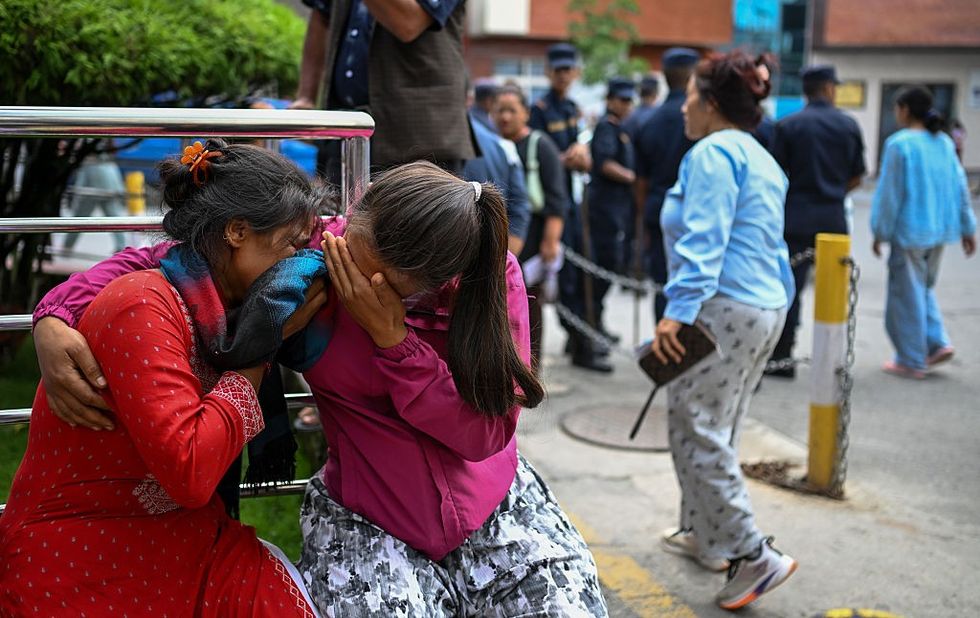 Family members of missing flood victims react at the emergency ward of the Maharajgunj Medical Campus, part of the Tribhuvan University Teaching Hospital, on August 28, 2026 in Kathmandu, Nepal. Authorities said the flash floods were triggered after a mass of ice, mud and rock collapsed into a Himalayan river near the Nepal-China border, leaving hundreds dead or missing and causing widespread damage in affected districts. Authorities continued the gruelling search for victims, many buried under metres of mud, as both China and Nepal issued fresh flooding alerts.Getty Images