

The first-ever drug for alopecia hair loss gets the green signal as the NHS considers funding it.
Alopecia, which is a hair loss condition affects roughly 40% of women, and 30% of men at some point in their lives. Hollywood star Jada Pinkett Smith and 100,000 Britons are also affected by this debilitating condition.
The drug is called baricitinib, and it is already in use on the NHS for a number of conditions, including arthritis, dermatitis, and even severe Covid. Baricitinib has been proven to regrow hair.
The drug works by interrupting faulty signals that make the immune system attack hair follicles, the Daily Mail informs.
Trials have reportedly shown that taking the daily pill can almost entirely reverse the condition that causes hair to fall out in clumps.
Charities and doctors celebrated the good news of the funding of the drug, and have now called for the NHS to pay for those with the most severe form of alopecia to receive the drug as soon as possible.
Sue Schilling, chief executive of the charity Alopecia UK is reported to have said, “This is a really important step in the right direction for a group of patients who up until now had no effective treatment options.”
She adds, “Alopecia is an incredibly debilitating condition that leaves people depressed, anxious, and sometimes even suicidal. The NHS needs to fund this, so patients can receive it for free.”
It is reported that about 100,000 Britons have a condition called alopecia areata, where cells in the immune system attack hair follicles, and the reasons for this are not understood.
Over a period of weeks, the hair begins to come out in clumps, and this results in bald patches. Some people have been known to even lose their eyebrows, eyelashes, and hair elsewhere on the body.
Steroid treatments can be prescribed to treat alopecia and are effective in one in five patients. However, steroid pills long-term can dramatically increase the risk of serious conditions such as type 2 diabetes.
Therefore, doctors advise patients to stop taking them after six weeks. Additionally, steroid creams can irritate the skin and cause migraines.
On the other hand, Baricitinib which is a part of a family of drugs called JAK inhibitors can be taken daily and continued indefinitely.
Unlike steroid drugs, this medication does not attack healthy immune cells, and thus the side effects are usually minimal.
Studies show that for a third of patients, the drug baricitinib sparks hair regrowth within three months and it continues to grow back.
Patients who respond to the treatment have reportedly seen 80% of their hair get restored.
“Given the clear benefits, it’s likely that people with the most severe form of alopecia will soon be able to access baricitinib,” Dr Paul Farrant, consultant dermatologist at University Hospitals Sussex NHS Foundation Trust, said.
Dr Farrant who is reported to have given baricitinib to more than 30 patients, is quoted as saying, “For those who respond, the effects can be transformative. They go from no hair to full hair.”
However, due to the drug’s effectiveness, some dermatology clinics are reportedly offering patients baricitinib at a cost of £1,000 a month and charities are concerned this high price is forcing many to buy the drug out of the country.
“We’ve heard of a number of people buying it from overseas and taking it without medical supervision,’ says Schilling.
“Taking a drug like this in large doses can be unsafe, especially without monitoring. This could be avoided if the treatment is available on the NHS,” she said.
Tyson Braun, 37, from Milwaukee, Wisconsin is someone who has benefitted from baricitinib. He reportedly began to lose his hair at the age of 25, after suffering from the flu. He is quoted as saying, “At first, it was just patches on my beard. Then the hair on my head was coming out too. Within a year I didn’t have any hair anywhere on my body.”
Tyson tried a number of treatments but all were unsuccessful. However, two months ago, he got lucky and got a prescription for baricitinib.
Speaking about the transformation he said, “There’s already hair sprouting on my face, where I used to have a beard. And there’s even a bit on my head.
“Every day it feels like there’s more. I never expected to have hair again. My two sons have only ever known me as bald. ‘It will take some explaining when it grows out even more.”



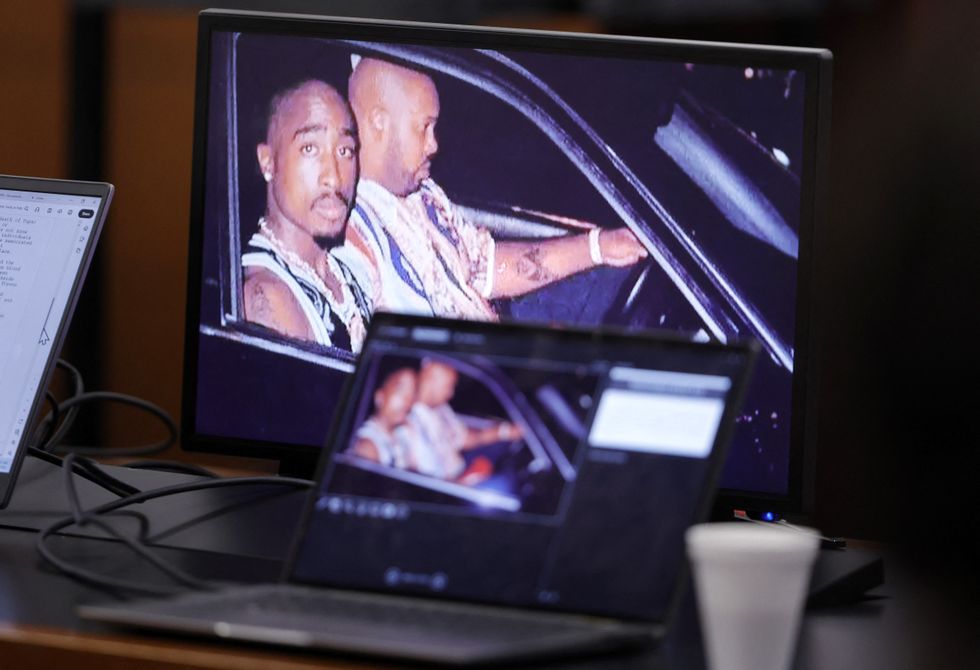 A 1996 photo of rapper Tupac Shakur (L) and Marion "Suge" Knight is shown on screens during closing arguments in the Duane Davis murder trial, related to the 1996 killing of rapper Tupac Shakur, at Clark County District Court at the Regional Justice Center in Las Vegas, Nevada, on August 31, 2026. Getty Images








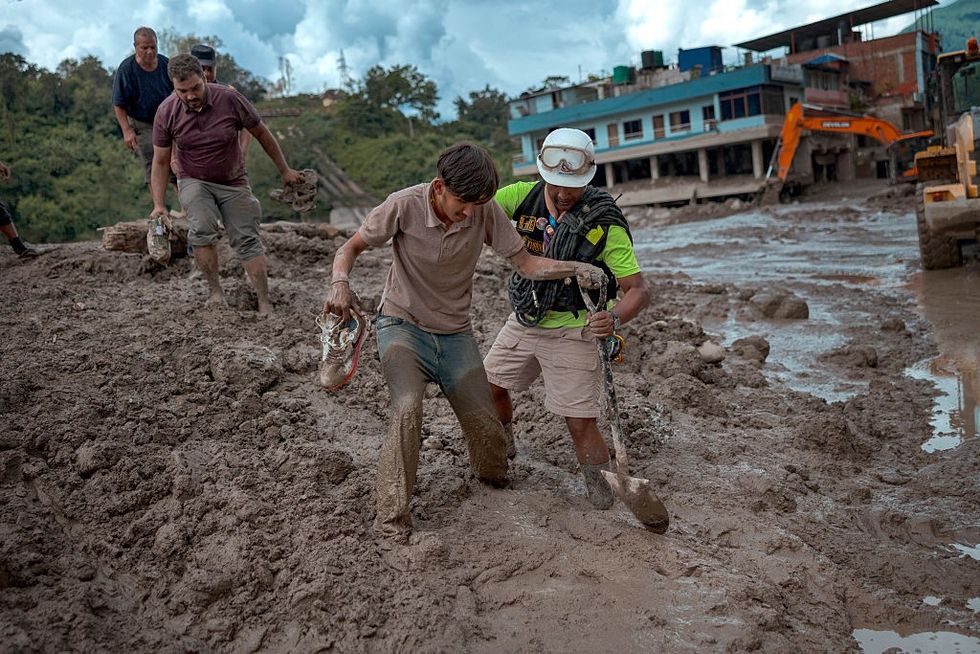 A rescuer assists a resident through heavy mud following flash floods on August 27, 2026 in Trishuli, Nepal. A sudden flood swept through the Bhote Koshi River basin in northern Rasuwa on August 26, damaging settlements, roads and energy infrastructure as rescue teams searched for residents and foreign travellers reported out of contact. Hundreds were reported missing, as the death toll started to climb.Getty Images
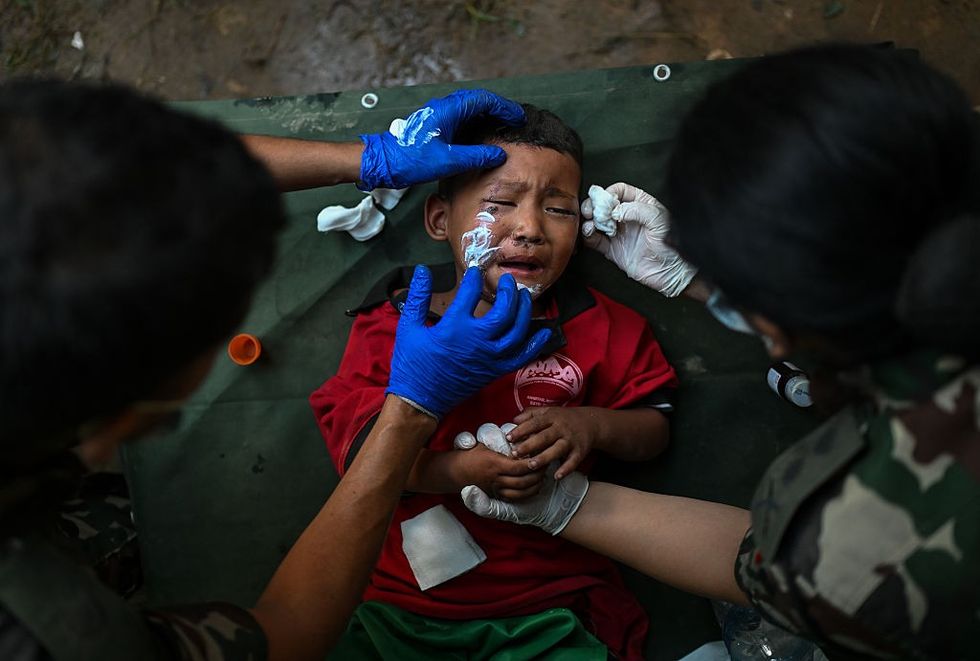 Rescue personnel provide medical treatment to a child at an army rescue camp in Trishuli Batar, Nepal, on August 27, 2026. A sudden flood swept through the Bhote Koshi River basin in northern Rasuwa on August 26, damaging settlements, roads and energy infrastructure, as rescue teams searched for residents and foreign travellers reported out of contact. Hundreds were reported missing as the death toll began to climb. Getty Ima
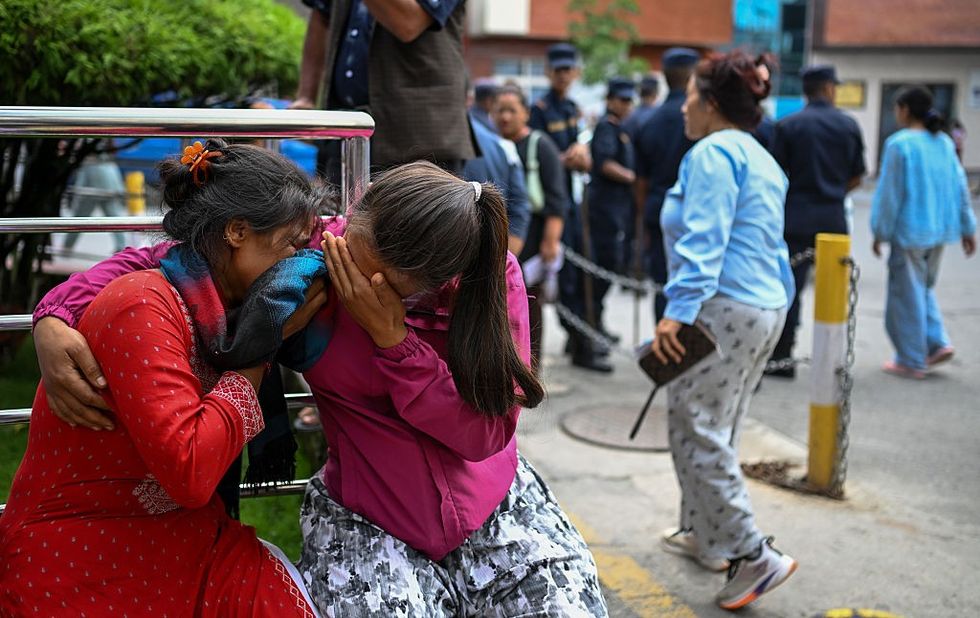 Family members of missing flood victims react at the emergency ward of the Maharajgunj Medical Campus, part of the Tribhuvan University Teaching Hospital, on August 28, 2026 in Kathmandu, Nepal. Authorities said the flash floods were triggered after a mass of ice, mud and rock collapsed into a Himalayan river near the Nepal-China border, leaving hundreds dead or missing and causing widespread damage in affected districts. Authorities continued the gruelling search for victims, many buried under metres of mud, as both China and Nepal issued fresh flooding alerts.Getty Images