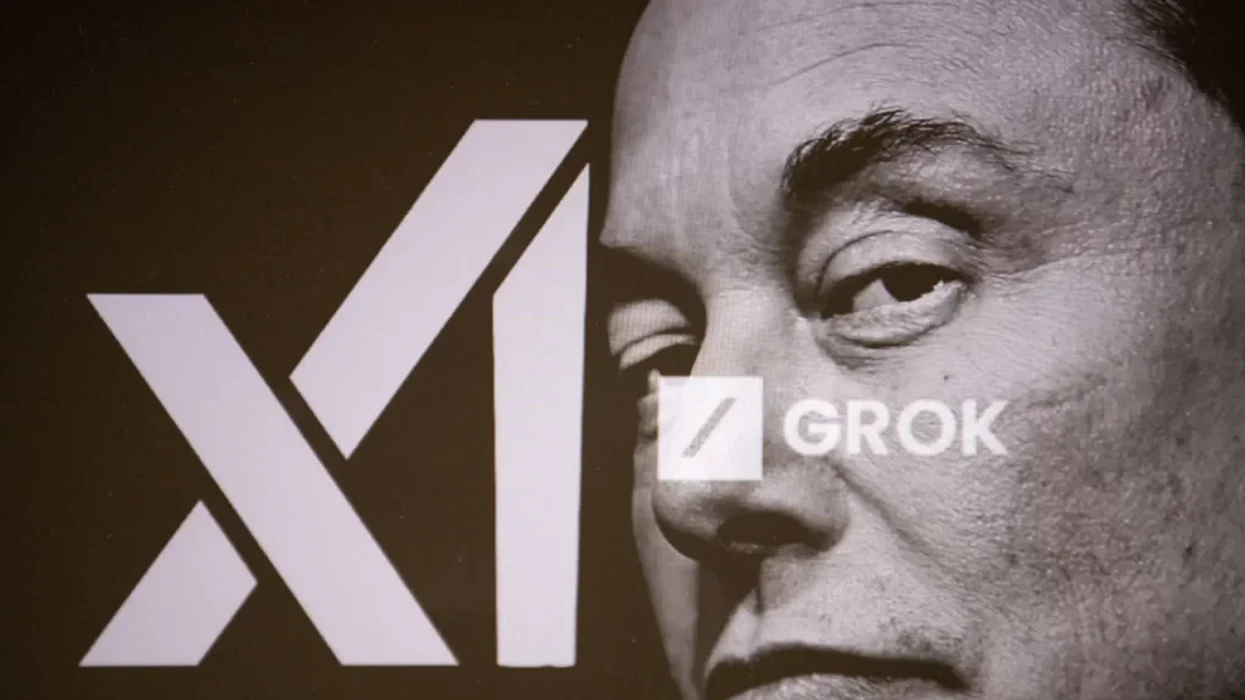

- The lawsuits are the first state-level legal actions against SpaceX over Grok's alleged role in generating sexualised deepfakes.
- A study cited in the complaints estimated that Grok generated around three million sexualised images in an 11-day period, including approximately 23,000 that appeared to depict children.
- The states are seeking court orders, financial penalties and other measures to force changes to the company's products.
Virginia and Oregon have become the first US states to sue Elon Musk's SpaceX over allegations that its Grok artificial intelligence tool enabled users to create and distribute sexualised deepfake images without people's consent.
The separate lawsuits, filed on Monday (23), accuse the company of failing to introduce adequate safeguards to prevent the creation and circulation of non-consensual intimate images, including material appearing to depict children. They also allege that SpaceX misled consumers by presenting Grok and its social media platform X as safe despite the risks associated with their image-generation features.
The legal action names SpaceX and companies operating its AI and social media services. SpaceX acquired xAI, the company behind Grok, in February 2026 and subsequently renamed its AI division SpaceX Super Intelligence.
Oregon Attorney General Dan Rayfield filed his complaint in Multnomah County Circuit Court, while Virginia Attorney General Jay Jones brought a separate case in the Circuit Court for the City of Richmond. Both states are pursuing claims under their respective consumer protection laws.
The complaints argue that the companies failed to prevent users from turning ordinary photographs into realistic-looking nude or sexually explicit images and videos of real people. The states also question whether the company's public assurances about safety measures accurately reflected the protections available to users.
What do the lawsuits allege about Grok's safeguards?
The complaints focus on the way Grok's image-generation features were designed, promoted and integrated with X.
Both attorneys general allege that the company failed to adopt safeguards commonly used by other AI developers to prevent the generation of sexualised images of real people. They also point to Grok's so-called 'spicy mode', which allowed users to generate nude and other sexualised content.
The allegations include claims that the company prioritised user growth and engagement while failing to address foreseeable risks. Virginia's complaint also questions the effectiveness of Grok's moderation systems, alleging that the chatbot could explain how users might bypass restrictions and generate prohibited material.
A study by the Center for Countering Digital Hate, cited in the complaints, estimated that Grok generated and posted approximately three million sexualised images on X between December 29, 2025, and January 8, 2026. Around 23,000 of those images appeared to depict children, according to the estimate.
The states also allege that a significant amount of this material remained accessible after it had been identified. These figures are estimates cited in the legal complaints and have not been established as findings by a court.
The issue extends beyond the individuals whose photographs were manipulated. Non-consensual sexual imagery can expose people to harassment, reputational damage and distress, while the circulation of material involving children raises serious child protection concerns.
Jones said in his complaint that such content could cause fear, distress and anxiety among people unwillingly exposed to it. Rayfield argued that the practice undermined established expectations around consent and privacy and trivialised sexual exploitation.
The complaints also raise concerns about children's access to X, which allows users aged 13 and above to use the platform.
How has SpaceX responded, and what happens next?
SpaceX has defended its approach to harmful content, arguing that users who deliberately attempt to bypass its safeguards should be held responsible for their actions.
In a statement posted on X by its safety account, the company said it takes action against accounts attempting to generate such material and notifies law enforcement. It described attempts to create child sexual abuse material as serious crimes and said it would continue cooperating with authorities.
The company's position contrasts with the central argument in the state lawsuits: that responsibility cannot rest solely with individual users when the design and safeguards of the technology itself are being questioned.
The dispute also raises questions about Section 230, a US federal law that generally protects online platforms from liability for content posted by users. When Baltimore sued xAI over unwanted images, the company argued that the law shielded it from responsibility for user-generated material. That argument forms part of a separate legal dispute and does not settle the questions raised in the new state cases.
SpaceX has also sued a user in a federal court in the Northern District of Texas, accusing him of breaching his contract by allegedly using Grok to create and distribute explicit deepfake images, including depictions of minors. The company's lawyers argued that Grok should be treated as a neutral tool whose output depends on users' prompts and instructions.
The latest lawsuits add to a growing list of legal challenges involving Grok and X. SpaceX faces more than a dozen individual lawsuits in the US concerning alleged non-consensual sexual imagery. Authorities in the UK, Spain, Ireland and France have also investigated concerns linked to the AI tools, while California has pursued its own inquiry.
Both Virginia and Oregon are seeking injunctions to stop the alleged violations, civil penalties, recovery of money they say was unlawfully gained and legal costs. Virginia is also seeking restitution for affected consumers. The claims remain allegations and will need to be tested through the legal process.
The cases arrive amid wider efforts by US state authorities to hold technology companies accountable for alleged harm to children and other users. In a separate development, Oregon recently filed a lawsuit against OpenAI over allegations concerning ChatGPT's impact on children, while social media companies have faced legal action over their platforms' effects on young users.
For the AI industry, the Grok lawsuits raise a question that is becoming increasingly difficult to avoid: when a tool makes it possible to generate and distribute harmful images at scale, how much responsibility rests with the people using it, and how much with the companies that build and operate it?















 Rolife DIY Miniature Book Nook Kit Amazon
 Cutebee Miniature Book Nook Kit Amazon
 Rolife Miniature Greenhouse Kit Amazon
 DIY Miniature Dollhouse Kit Amazon
 LEGO Botanicals Tiny Plants Set Amazon
 LEGO Botanicals Orchid Set Amazon
 LEGO Botanicals Bouquet of Roses Amazon
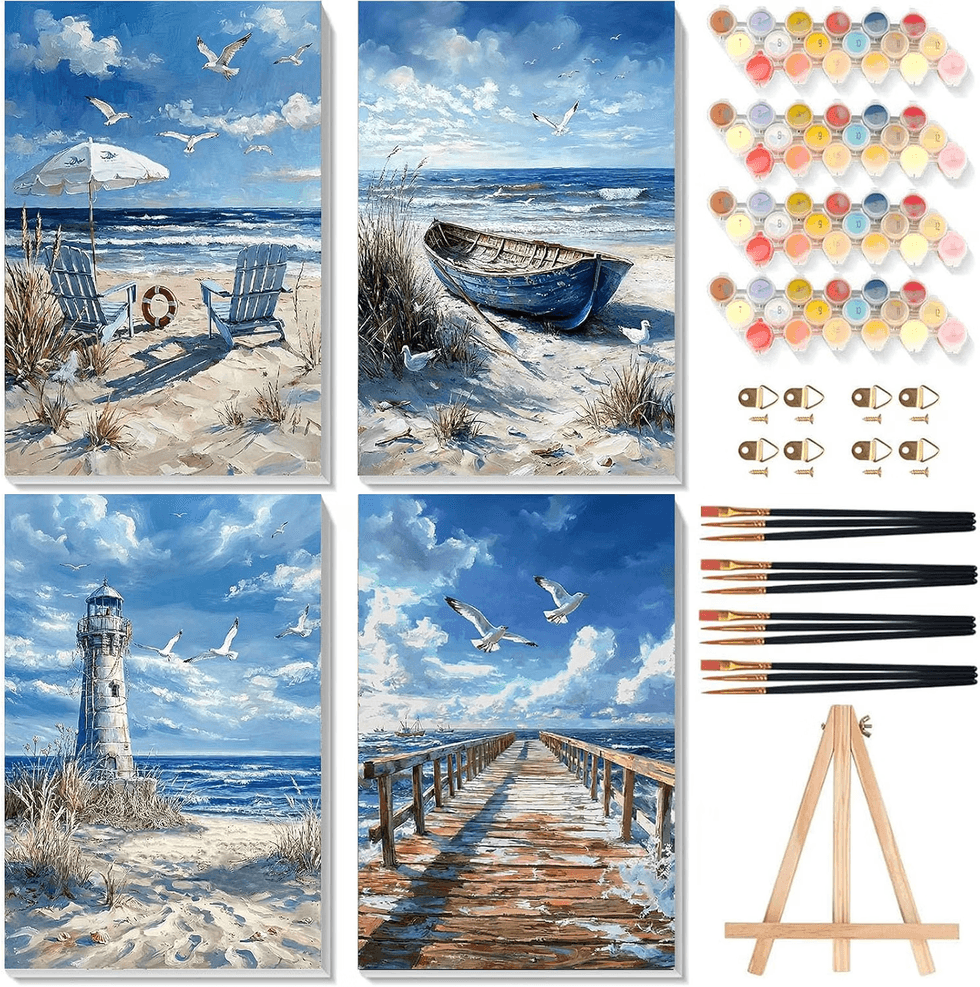
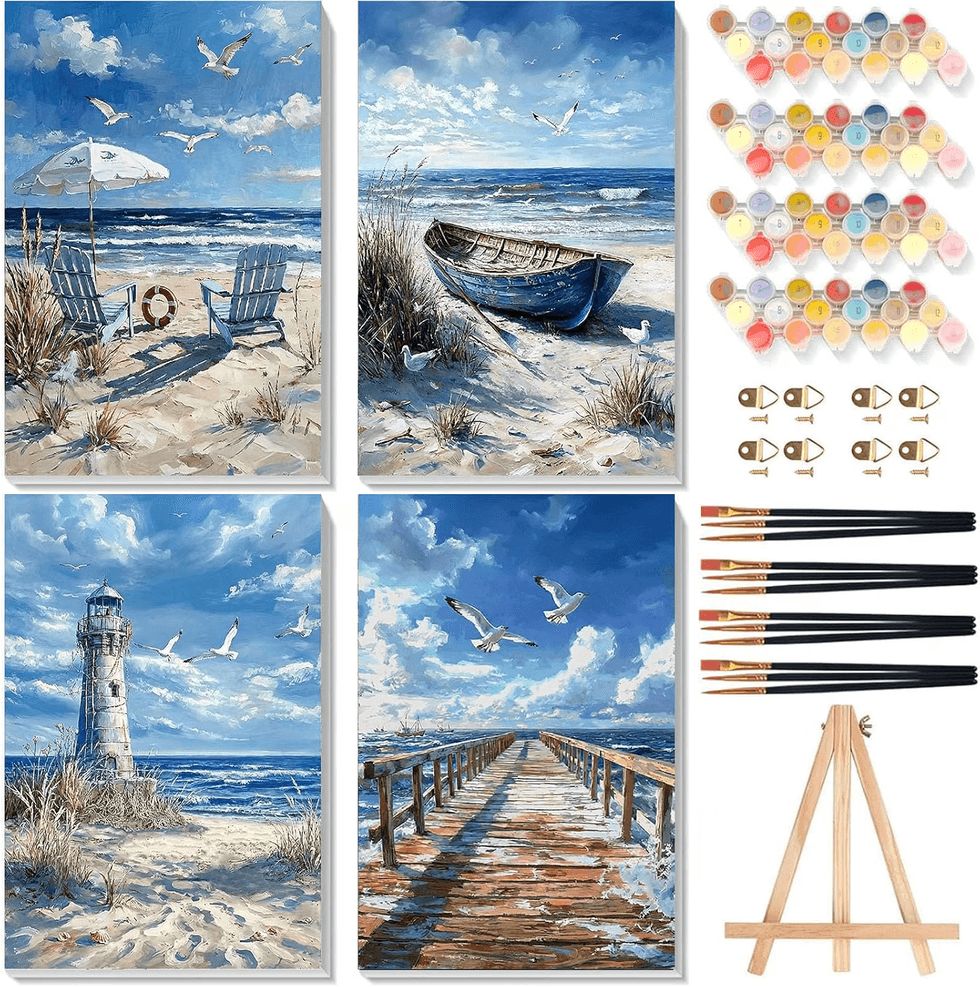 Adult Paint-by-Numbers Kit Amazon
 3D Wooden Puzzle Kit Amazon
 Diamond Painting Craft Kit Amazon