

Most of the historians in India have given prominence in recording the history of Mughals only, ignoring the glorious rules of many empires like Pandyas, Cholas, Mauryas, Guptas and Ahoms, Union Home Minister Amit Shah said on Friday.
Releasing a book ‘Maharana: Sahastra Varsha Ka Dharma Yuddha’, Shah also said that the battle fought for the protection of the culture, language and religion for 1,000 years has not gone in vain as “India is again standing with respect before the world now and the country’s glory is recognised”.
“I want to tell something to the historians. We have many empires but historians have concentrated only on the Mughals and wrote mostly about them. The Pandya empire ruled for 800 years. The Ahom empire ruled Assam for 650 years. They (Ahoms) had even defeated Bakhtiyar Khalji, Aurangzeb and kept Assam sovereign. The Pallava empire ruled for 600 years. The Cholas ruled for 600 years.
“The Mauryas ruled the whole country — from Afghanistan to Lanka for 550 years. The Satvahanas ruled for 500 years. The Guptas ruled for 400 years and (Gupta emperor) Samudragupta had for the first time visioned a united India and established an empire with the whole country. But there is no reference book on them,” he said.
The home minister said reference books should be written on these empires and if they are written, “the history which we believe wrong will gradually fade away and truth will emerge”.
For this, he said, there is a need to start work by many people.
“By keeping aside comments, our glorious history should be kept in front of the public. When we make big efforts, then automatically the attempt of falsehood becomes small. So, we should pay more attention to make our efforts bigger,” he said.
Shah said history is not written on the basis of victory or defeat, but on the basis of the outcome of any event.
History is not made on the basis of the government and books, truth is made on the basis of events, he said.
“No one can stop us from writing the truth. We are now independent. We can write our own history,” he said.
The home minister said it is a fact that some people have written history in such a way that it generates disappointment. “But India is such a country where disappointment can’t survive”.
“It may be decades, 50 years or a hundred year but at the end it is the truth which will emerge victorious,” he said.
Shah said some historians have written some books on a small scale but no one has done any comprehensive work on the history of the whole country and there is limited reference books.
He said the government is also taking initiatives but when the government takes the initiatives for writing history, many difficulties come up.
“When independent historians write history, only truth comes up and that is why our people should write book with facts and without making any comments,” he said.
(PTI)





 A 1996 photo of rapper Tupac Shakur (L) and Marion "Suge" Knight is shown on screens during closing arguments in the Duane Davis murder trial, related to the 1996 killing of rapper Tupac Shakur, at Clark County District Court at the Regional Justice Center in Las Vegas, Nevada, on August 31, 2026. Getty Images





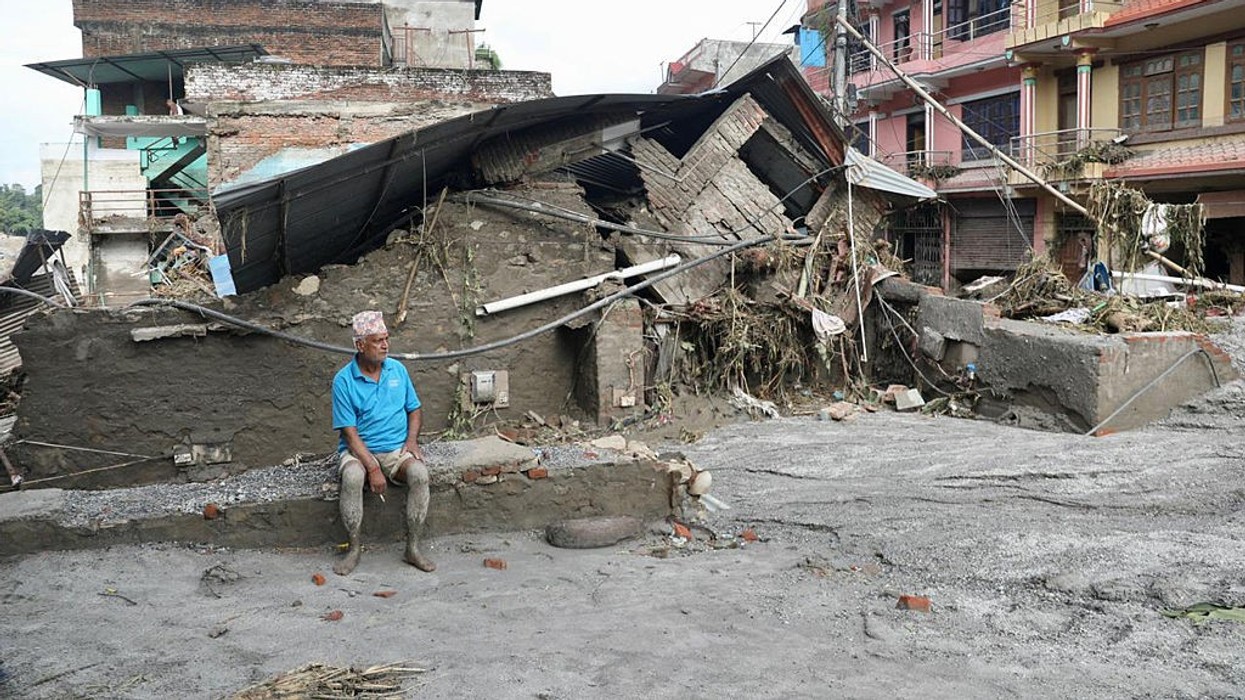
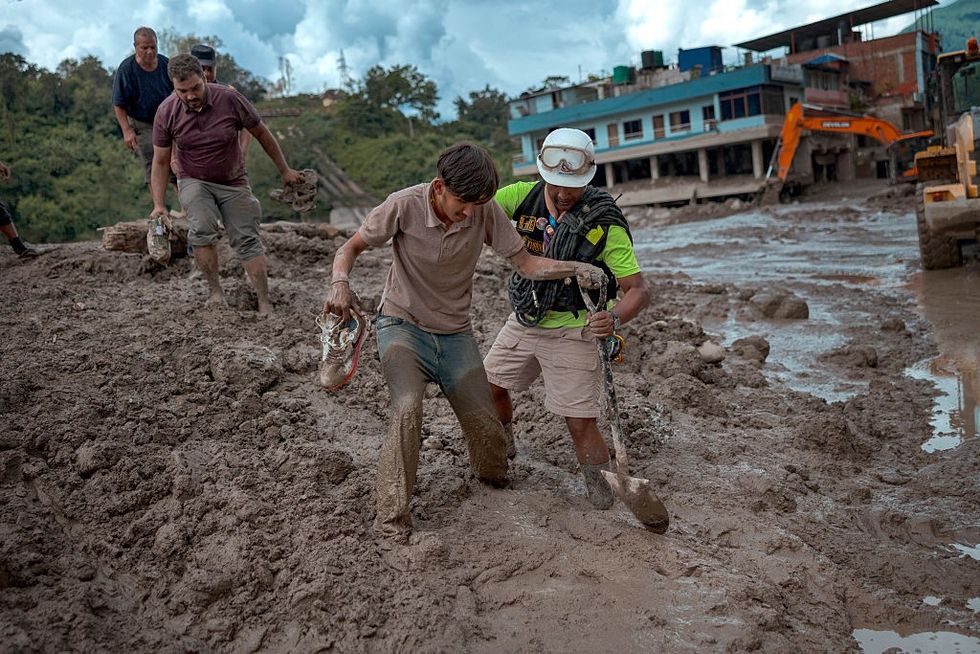 A rescuer assists a resident through heavy mud following flash floods on August 27, 2026 in Trishuli, Nepal. A sudden flood swept through the Bhote Koshi River basin in northern Rasuwa on August 26, damaging settlements, roads and energy infrastructure as rescue teams searched for residents and foreign travellers reported out of contact. Hundreds were reported missing, as the death toll started to climb.Getty Images
 Rescue personnel provide medical treatment to a child at an army rescue camp in Trishuli Batar, Nepal, on August 27, 2026. A sudden flood swept through the Bhote Koshi River basin in northern Rasuwa on August 26, damaging settlements, roads and energy infrastructure, as rescue teams searched for residents and foreign travellers reported out of contact. Hundreds were reported missing as the death toll began to climb. Getty Ima
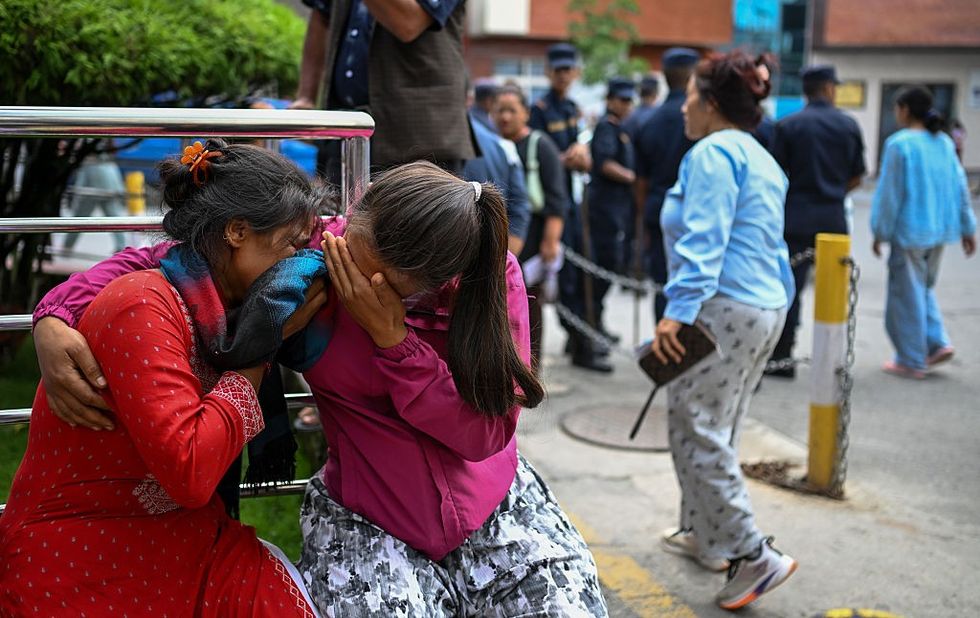 Family members of missing flood victims react at the emergency ward of the Maharajgunj Medical Campus, part of the Tribhuvan University Teaching Hospital, on August 28, 2026 in Kathmandu, Nepal. Authorities said the flash floods were triggered after a mass of ice, mud and rock collapsed into a Himalayan river near the Nepal-China border, leaving hundreds dead or missing and causing widespread damage in affected districts. Authorities continued the gruelling search for victims, many buried under metres of mud, as both China and Nepal issued fresh flooding alerts.Getty Images