

INDIA'S lunar mission Chandrayaan-3 is likely to be launched during the third quarter of 2022, the country’s minister of state in the department of space, said on Wednesday (28), stressing that the progress was hampered by the Covid-19 pandemic.
Responding in writing to a question in Lok Sabha, the lower house of the Indian parliament, Singh said the launch of Chandrayaan-3 was rescheduled.
“Chandrayaan-3 is likely to be launched during third quarter of 2022 assuming normal work flow henceforth,” he said, adding the realisation of the mission involves various processes, including finalisation of configuration, subsystems realisation, integration, spacecraft level detailed testing, etc.
“The realisation progress was hampered due to the COVID-19 pandemic,” he said.
He said that all works that were possible in the work from home mode were taken up even during the lockdown periods and Chandrayaan-3 realisation resumed after commencement of unlock period and is currently in matured stage of realisation.
Chandrayaan-2, which is aimed at landing a rover on an uncharted Lunar South Pole, was launched on July 22, 2019, on board the country's most powerful geosynchronous launch vehicle.
However, the lander Vikram hard-landed on September 7, 2019, crashing India’s dream to become the first nation to successfully land on the lunar surface in its maiden attempt.
Chandrayaan-3 is critical for the Indian Space Research Organisation as it will demonstrate India’s capacity to make landings for further interplanetary missions.




 A 1996 photo of rapper Tupac Shakur (L) and Marion "Suge" Knight is shown on screens during closing arguments in the Duane Davis murder trial, related to the 1996 killing of rapper Tupac Shakur, at Clark County District Court at the Regional Justice Center in Las Vegas, Nevada, on August 31, 2026. Getty Images





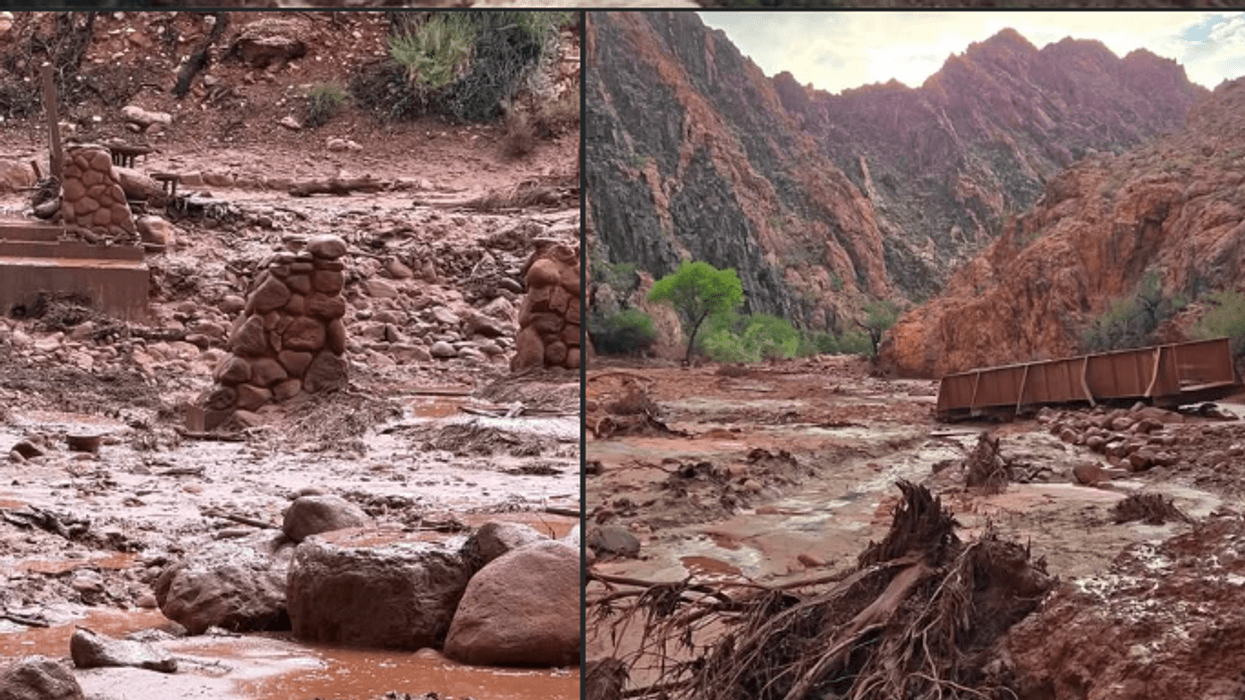

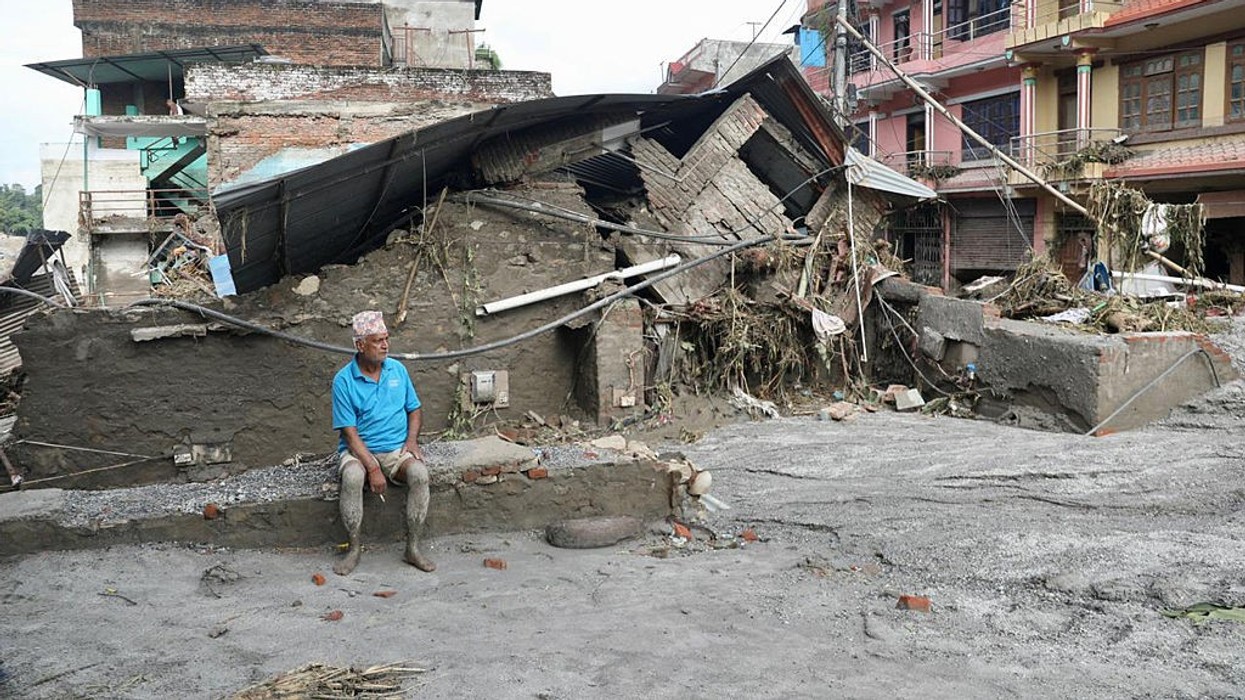
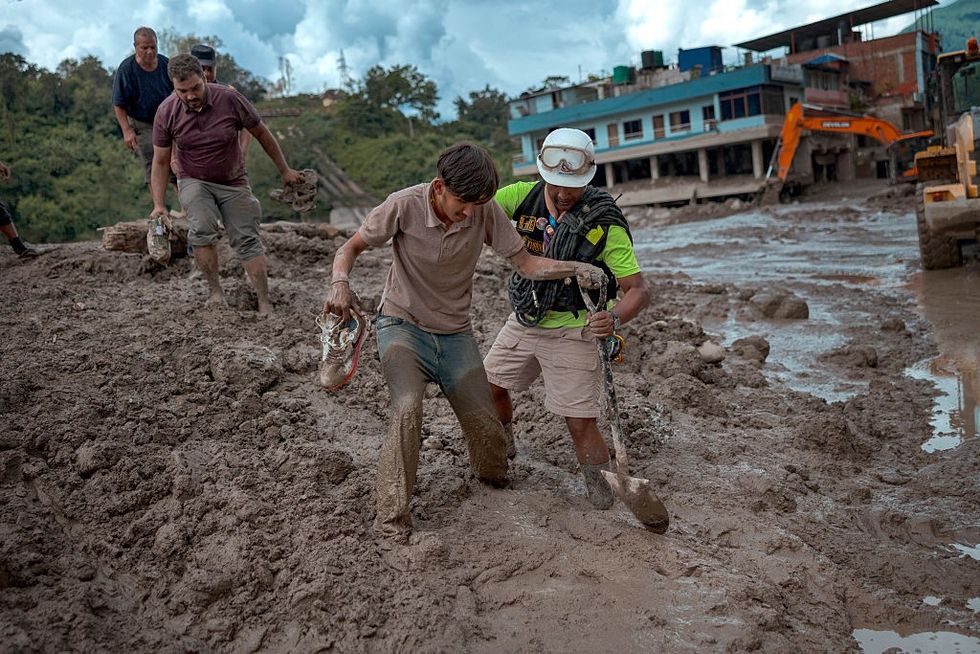 A rescuer assists a resident through heavy mud following flash floods on August 27, 2026 in Trishuli, Nepal. A sudden flood swept through the Bhote Koshi River basin in northern Rasuwa on August 26, damaging settlements, roads and energy infrastructure as rescue teams searched for residents and foreign travellers reported out of contact. Hundreds were reported missing, as the death toll started to climb.Getty Images
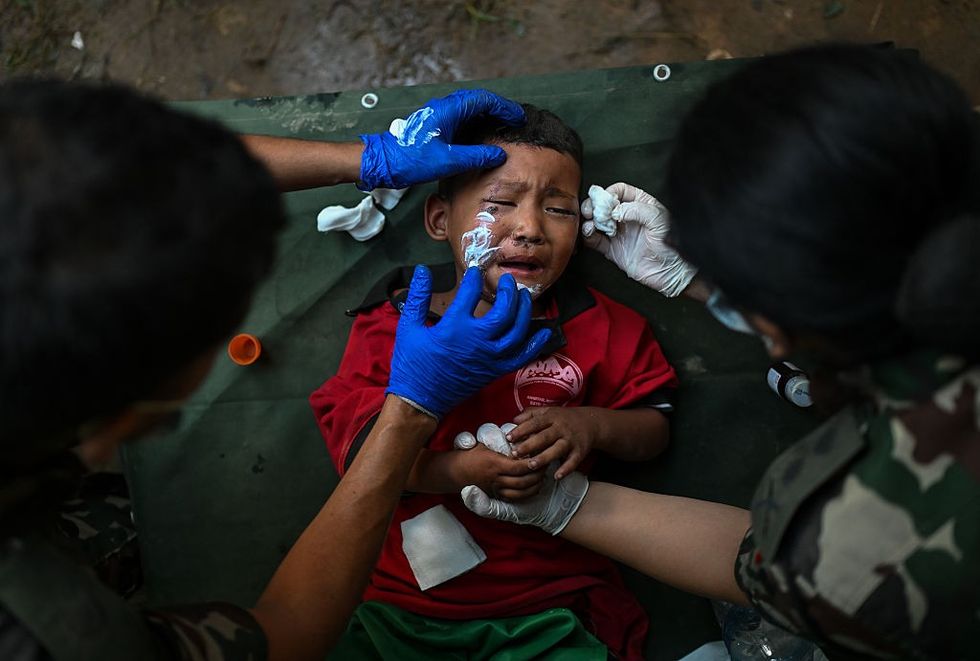 Rescue personnel provide medical treatment to a child at an army rescue camp in Trishuli Batar, Nepal, on August 27, 2026. A sudden flood swept through the Bhote Koshi River basin in northern Rasuwa on August 26, damaging settlements, roads and energy infrastructure, as rescue teams searched for residents and foreign travellers reported out of contact. Hundreds were reported missing as the death toll began to climb. Getty Ima
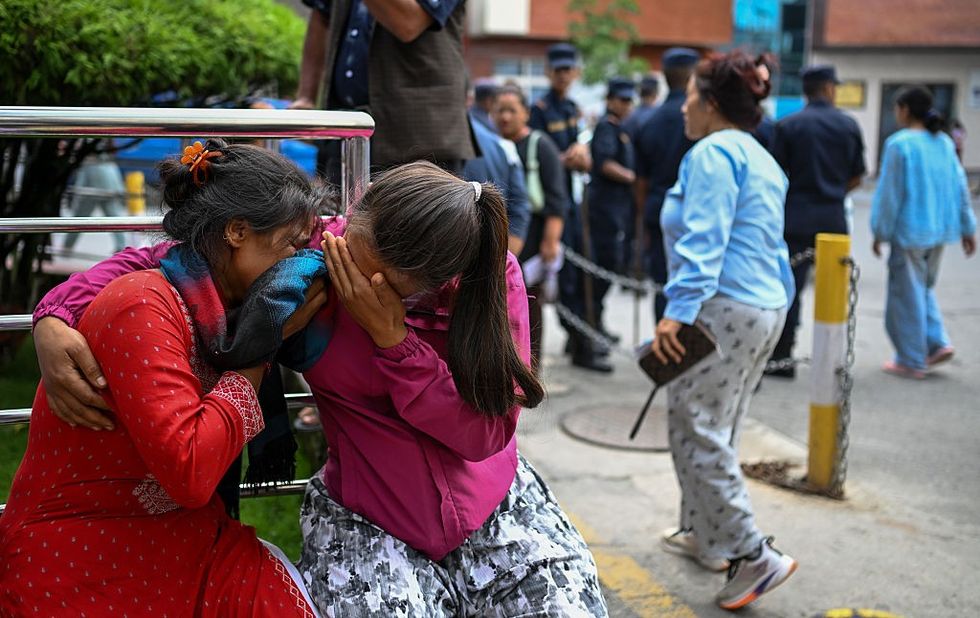 Family members of missing flood victims react at the emergency ward of the Maharajgunj Medical Campus, part of the Tribhuvan University Teaching Hospital, on August 28, 2026 in Kathmandu, Nepal. Authorities said the flash floods were triggered after a mass of ice, mud and rock collapsed into a Himalayan river near the Nepal-China border, leaving hundreds dead or missing and causing widespread damage in affected districts. Authorities continued the gruelling search for victims, many buried under metres of mud, as both China and Nepal issued fresh flooding alerts.Getty Images