

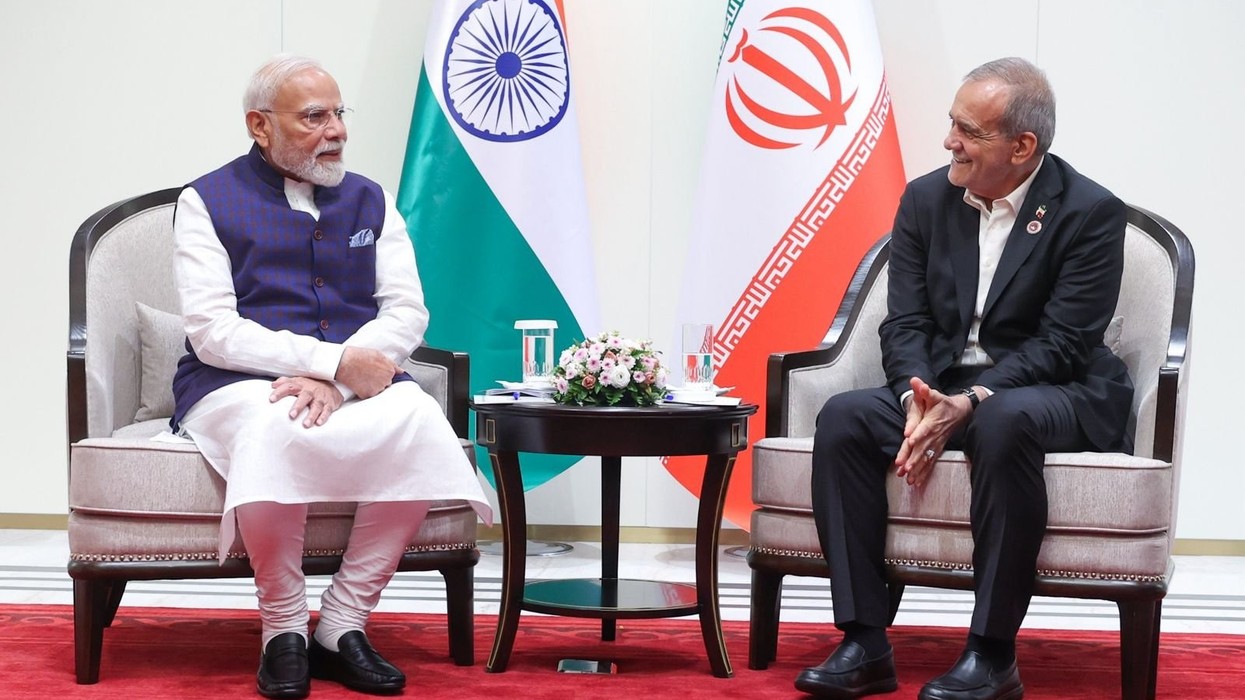
A parliamentary panel in India has recommended that the country needs to review and enhance its developmental diplomacy in view of the increasing Chinese outreach and presence in its neighbourhood.
The view of the Parliamentary Standing Committee on External Affairs is part of the action taken report tabled by the government in the parliament earlier this week.
The ministry report was on the panel's observations on the subject ‘Demands for Grants' of the ministry for the year 2022-23.
It also dealt with aid allocations to India's neighbouring countries, including Afghanistan and Nepal.
"In view of the increasing Chinese outreach and presence in India's neighbourhood, the Committee feel that India needs to review and enhance their developmental diplomacy," the panel said.
It further suggested that "a strategy/vision should be formulated to expand our developmental partnership, particularly capacity building and knowledge sharing, to effectively counter the presence of other regional powers in our neighbourhood."
The ministry submitted that the Government of India attaches high priority to the relationship with neighbouring countries and has a well articulated policy of 'Neighbourhood First'.
In its reply, the ministry of external affairs told the panel that primary orientation of India's foreign policy remains its immediate neighbourhood under the 'Neighbourhood First' policy.
The overarching philosophy is to ensure that our partners in the region draw benefits and values from the growth, development and rise of India and on this basis, all countries in our region work towards developing equitable partnerships with each other, the ministry said in the report.



 A 1996 photo of rapper Tupac Shakur (L) and Marion "Suge" Knight is shown on screens during closing arguments in the Duane Davis murder trial, related to the 1996 killing of rapper Tupac Shakur, at Clark County District Court at the Regional Justice Center in Las Vegas, Nevada, on August 31, 2026. Getty Images




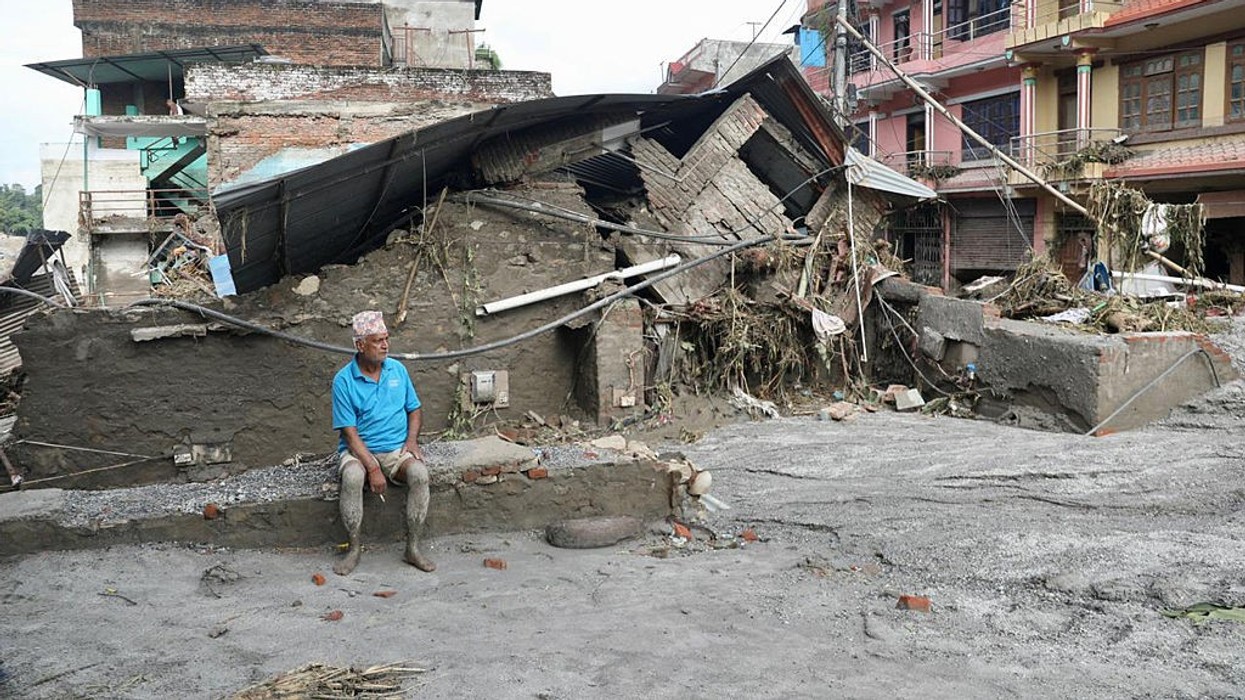
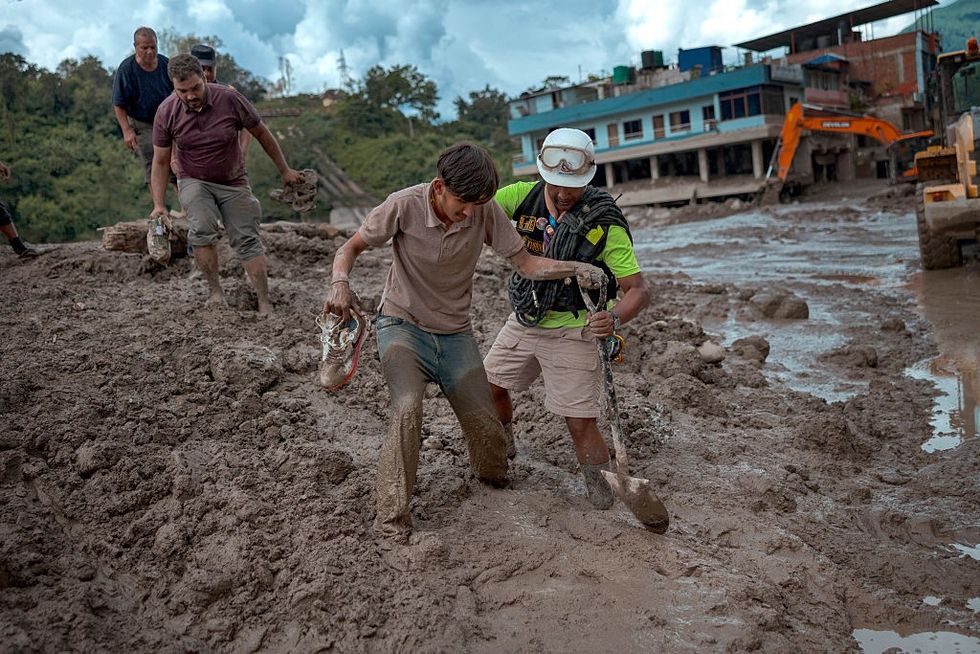 A rescuer assists a resident through heavy mud following flash floods on August 27, 2026 in Trishuli, Nepal. A sudden flood swept through the Bhote Koshi River basin in northern Rasuwa on August 26, damaging settlements, roads and energy infrastructure as rescue teams searched for residents and foreign travellers reported out of contact. Hundreds were reported missing, as the death toll started to climb.Getty Images
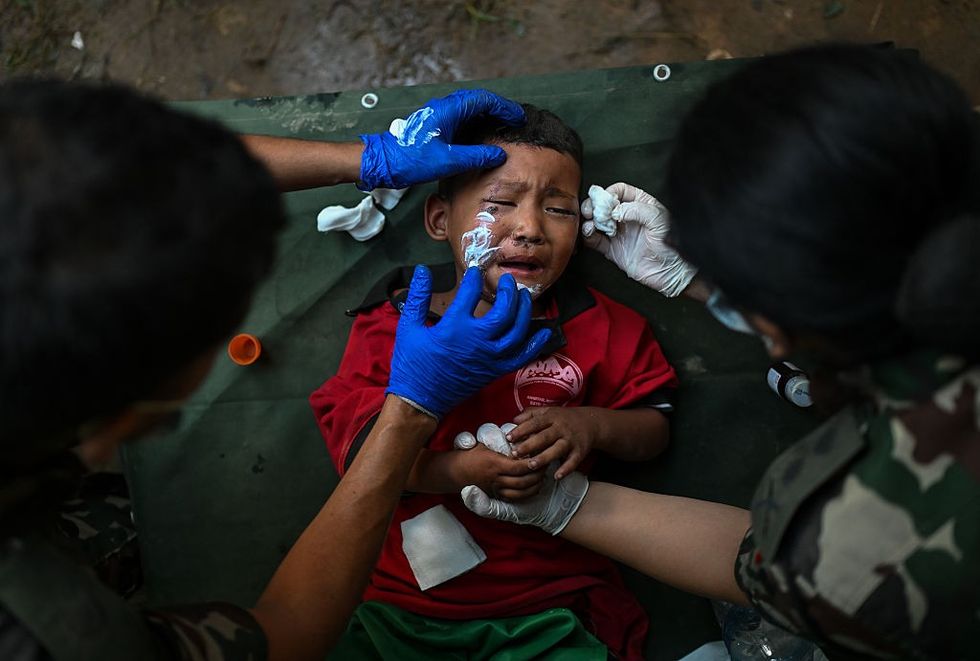 Rescue personnel provide medical treatment to a child at an army rescue camp in Trishuli Batar, Nepal, on August 27, 2026. A sudden flood swept through the Bhote Koshi River basin in northern Rasuwa on August 26, damaging settlements, roads and energy infrastructure, as rescue teams searched for residents and foreign travellers reported out of contact. Hundreds were reported missing as the death toll began to climb. Getty Ima
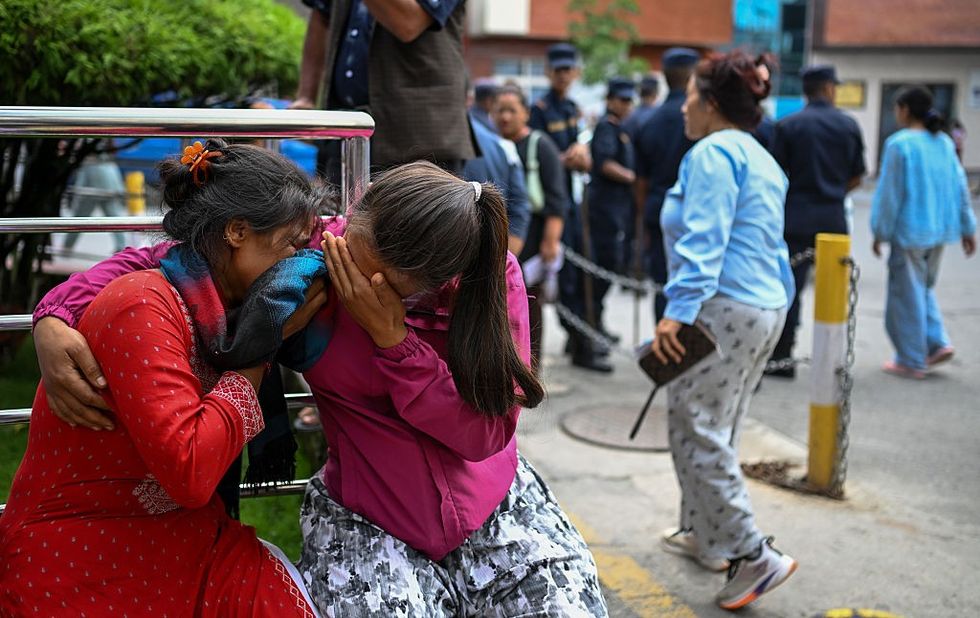 Family members of missing flood victims react at the emergency ward of the Maharajgunj Medical Campus, part of the Tribhuvan University Teaching Hospital, on August 28, 2026 in Kathmandu, Nepal. Authorities said the flash floods were triggered after a mass of ice, mud and rock collapsed into a Himalayan river near the Nepal-China border, leaving hundreds dead or missing and causing widespread damage in affected districts. Authorities continued the gruelling search for victims, many buried under metres of mud, as both China and Nepal issued fresh flooding alerts.Getty Images