

KING CHARLES III on Monday (5) sent a condolence message to Indian President Droupadi Murmu, expressing his shock over Friday’s (3) deadly train accident in the south Asian country.
The monarch also recalled his memories of a visit to the Odisha state 43 years ago.
The accident, involving three trains, took place in Odisha’s Balasore district on Friday night. It claimed 275 lives and left over 1,200 people injured.
“Both my wife [Queen Camilla] and I have been most profoundly shocked and saddened by the news of such a dreadful accident outside Balasore. I would like to express our deepest possible condolences to the families of all those who have so tragically lost their lives,” Charles said in a statement issued by Buckingham Palace in London.
In the statement posted across the royal social media channels, the 74-year-old monarch speaks of the special place in his heart for India and reflects upon his fond memories of a visit to Odisha more than four decades ago.
“I do hope you know what a special place India and the people of India have in our hearts. I have particularly fond memories of visiting Odisha in 1980 and meeting some of its people on that occasion,” he said.
“I pray, therefore, that you may be able to convey our most heartfelt prayers and sympathy to all those who have been affected by this appalling tragedy, together with our special thoughts for the people of Odisha,” the King said.
The message follows several condolence messages from the UK government, including from Prime Minister Rishi Sunak who extended his support and admiration to the survivors and those who worked tirelessly to respond to the accident.
(PTI)



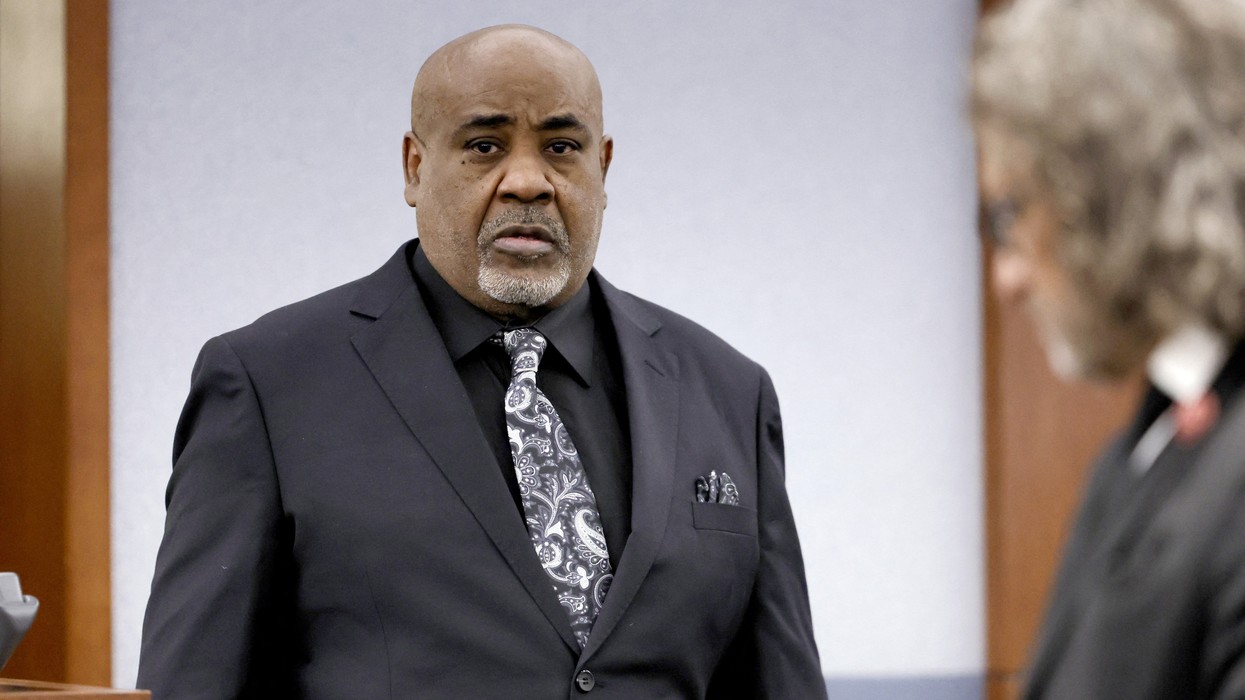
 A 1996 photo of rapper Tupac Shakur (L) and Marion "Suge" Knight is shown on screens during closing arguments in the Duane Davis murder trial, related to the 1996 killing of rapper Tupac Shakur, at Clark County District Court at the Regional Justice Center in Las Vegas, Nevada, on August 31, 2026. Getty Images





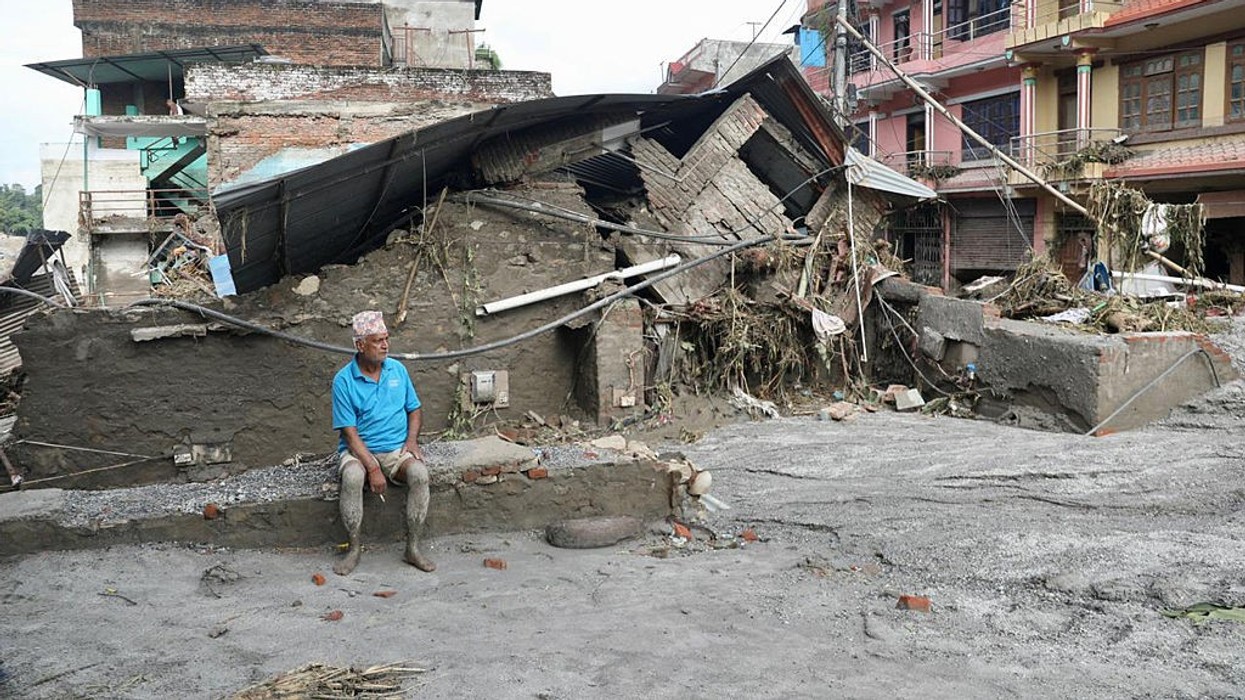
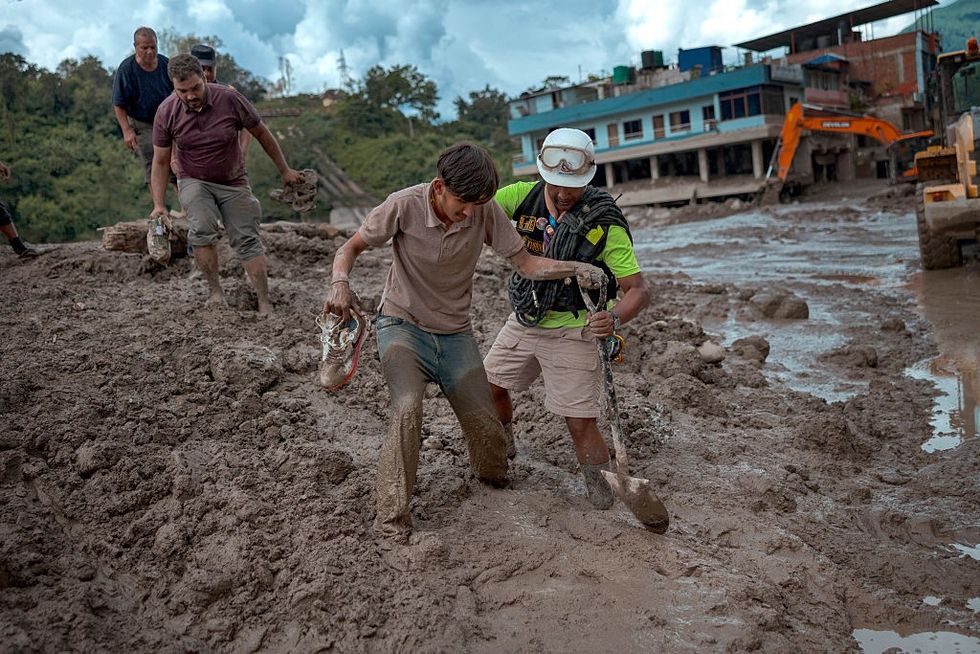 A rescuer assists a resident through heavy mud following flash floods on August 27, 2026 in Trishuli, Nepal. A sudden flood swept through the Bhote Koshi River basin in northern Rasuwa on August 26, damaging settlements, roads and energy infrastructure as rescue teams searched for residents and foreign travellers reported out of contact. Hundreds were reported missing, as the death toll started to climb.Getty Images
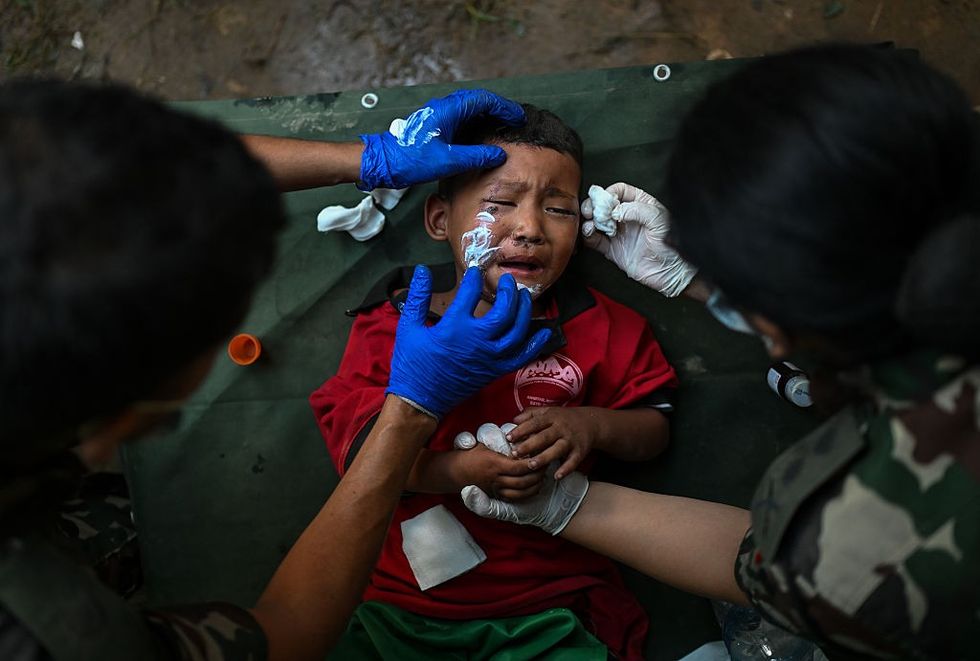 Rescue personnel provide medical treatment to a child at an army rescue camp in Trishuli Batar, Nepal, on August 27, 2026. A sudden flood swept through the Bhote Koshi River basin in northern Rasuwa on August 26, damaging settlements, roads and energy infrastructure, as rescue teams searched for residents and foreign travellers reported out of contact. Hundreds were reported missing as the death toll began to climb. Getty Ima
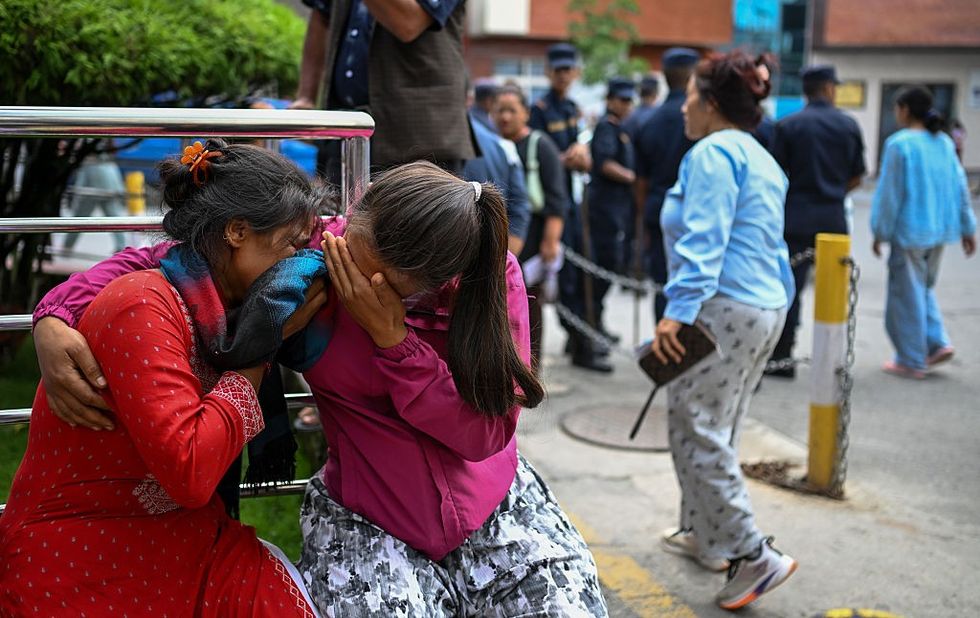 Family members of missing flood victims react at the emergency ward of the Maharajgunj Medical Campus, part of the Tribhuvan University Teaching Hospital, on August 28, 2026 in Kathmandu, Nepal. Authorities said the flash floods were triggered after a mass of ice, mud and rock collapsed into a Himalayan river near the Nepal-China border, leaving hundreds dead or missing and causing widespread damage in affected districts. Authorities continued the gruelling search for victims, many buried under metres of mud, as both China and Nepal issued fresh flooding alerts.Getty Images