
Highlights:
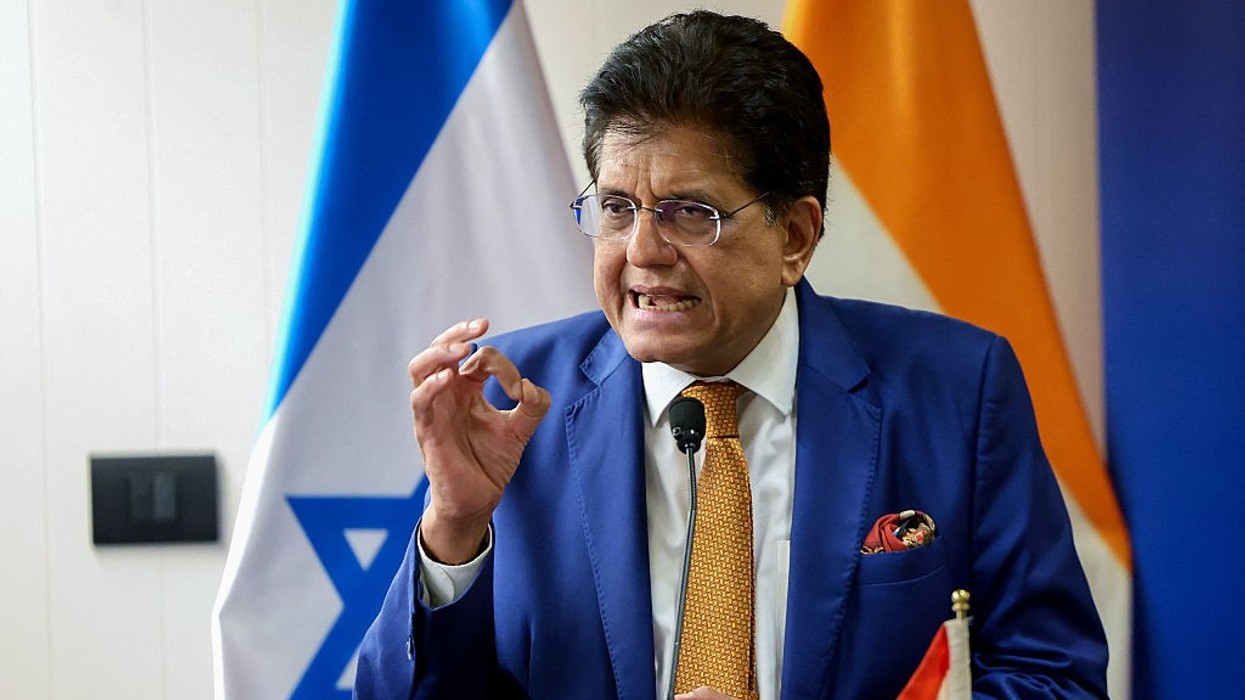
Indian commerce and industry minister Piyush Goyal on Monday (13) dismissed a Reuters report claiming that India was delaying an interim trade deal with the United States because it believed its bargaining position had improved.
Calling the report "completely false, baseless and misleading," Goyal said trade negotiations between India and the US remain active and both countries are committed to reaching a fair agreement.
In a post on X, Goyal said he had "fantastic meetings" with trade representative Jamieson Greer during his visit to India’s capital New Delhi in June.
He added, "Both sides reaffirmed their commitment to an agreement that is balanced, commercially meaningful, and delivers tangible benefits for businesses, farmers, workers, and consumers in both countries. Our teams remain fully engaged in achieving this objective."
The clarification came after Reuters reported that India was not rushing into an interim trade deal because it believed its negotiating position had strengthened. According to the report, India refused to accept a deal that did not meet its key demands, including better tariff treatment than competitors such as China and guarantees that the US would not impose new tariffs after the agreement.
Reuters also reported that India remained firm on protecting sensitive sectors, especially agriculture. An Indian government official was quoted as saying, "Our position is clear, we don’t intend to rush into a deal that is not on favourable terms or compromise on red lines like ceding ground on agriculture."
The report said the Trump administration hoped to secure quicker trade concessions before introducing a new round of tariffs later this month. However, both countries are still negotiating.
A US official quoted by Reuters said Washington still expected an agreement but described India's approach as "slow, bureaucratic and difficult." At the same time, the White House said discussions with India continue in a productive manner.
India and the United States have been negotiating a bilateral trade agreement for several months. The talks are focused on reducing tariffs, improving market access, and resolving sector-specific issues. India has repeatedly said any agreement must protect the interests of its farmers, MSMEs, and other sensitive industries while ensuring reciprocal benefits.
Analysts say India's stronger negotiating position is backed by several factors. A US Supreme Court ruling earlier this year created uncertainty around the Trump administration's tariff policy by striking down broad executive tariffs imposed without congressional approval. This reduced pressure on India to quickly finalize a deal.
India's economy has also remained strong. Merchandise exports increased about 15 percent during April-June despite disruptions caused by the Iran conflict. Exports to both Gulf countries and the United States also grew, while India expanded trade ties with other partners, including the United Kingdom and the European Union.
Wendy Cutler, senior vice president at the Asia Society Policy Institute and a former US trade official, said, "Indian negotiators have gained some leverage in the talks, given its strong economy, diversification initiatives with other partners, and its strategic standing in the world."
Ajay Srivastava, founder of the Global Trade Research Initiative, also supported a cautious approach. He said, "India realises that delaying, or even abandoning, a rushed deal may be more prudent than locking into obligations whose costs could far exceed any temporary tariff relief."
While both countries continue negotiations, India has made it clear that it will not compromise on its core interests simply to reach a quick agreement.