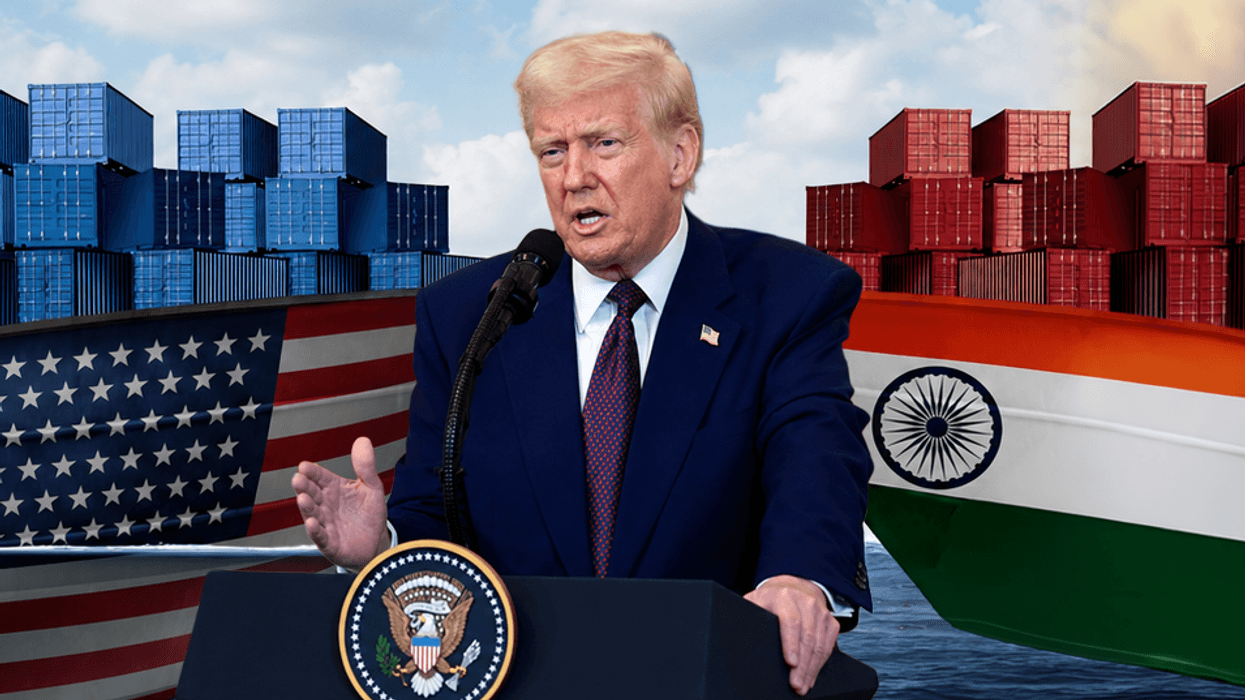

THE US this week has proposed an additional 12.5 per cent tariff on imports from India and dozens of other countries over concerns linked to forced labour, even as Washington and New Delhi appeared close to finalising the first phase of a bilateral trade agreement.
The proposal, announced by the Office of the United States Trade Representative (USTR), came in the middle of a three-day round of trade negotiations in New Delhi between Indian officials and a US delegation led by assistant trade representative Brendan Lynch. The USTR said India was among 54 economies that “failed to impose and effectively enforce a forced labor import prohibition,” making it eligible for the proposed higher tariff.
“India has failed to impose and effectively enforce a forced labor import prohibition,” the office said in a 92-page report that described the country’s policies as unreasonable and a burden on US commerce.
“The failure of our most important trading partners to address the importation of goods made with forced labor is unacceptable,” US trade representative Jamieson Greer said.
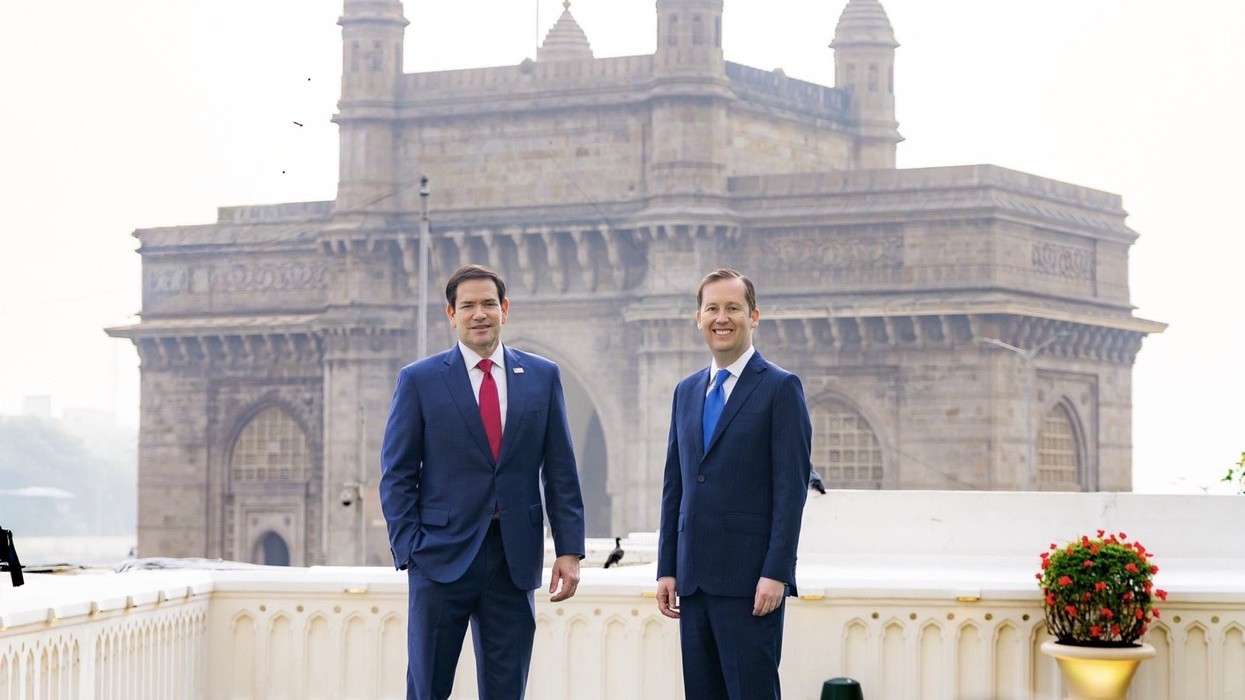
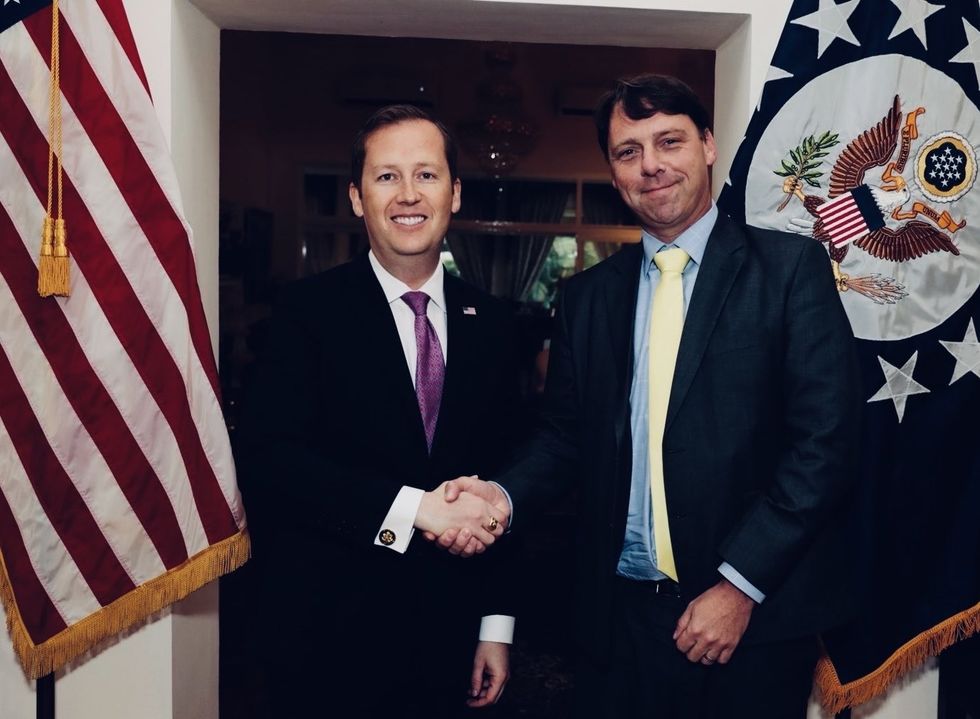 Sergio Gor and Brendan LynchX/Sergio Gor
“This creates a dynamic where American workers are forced to compete globally on an unlevel playing field.”
Trade experts in India have also questioned whether the USTR investigation falls within the intended scope of Section 301.
Ajay Srivastava, founder of the Global Trade Research Initiative (GTRI), told India Weekly the investigation was not based on allegations that Indian exports are produced using forced labor, but on whether India restricts imports linked to forced labor in third countries.
“The current investigation exceeds the scope of Section 301 which deals with market-access barriers faced by the US firms in country being investigated and not what it imports and from where,” he said.
Srivastava also argued that the proposed tariffs exceeded US commitments under World Trade Organization rules because they go beyond bound tariff rates.
“The 12.5 per cent tariffs exceed USA’s WTO commitment as they exceed bound duties. Hence they are WTO illegal,” he said.
Srivastava said India should challenge both the legal basis and the broader scope of the investigation.
“India must argue that the United States is attempting to impose its preferred import-control framework on other countries through unilateral trade measures, this is outside the scope of section 301,” he said.
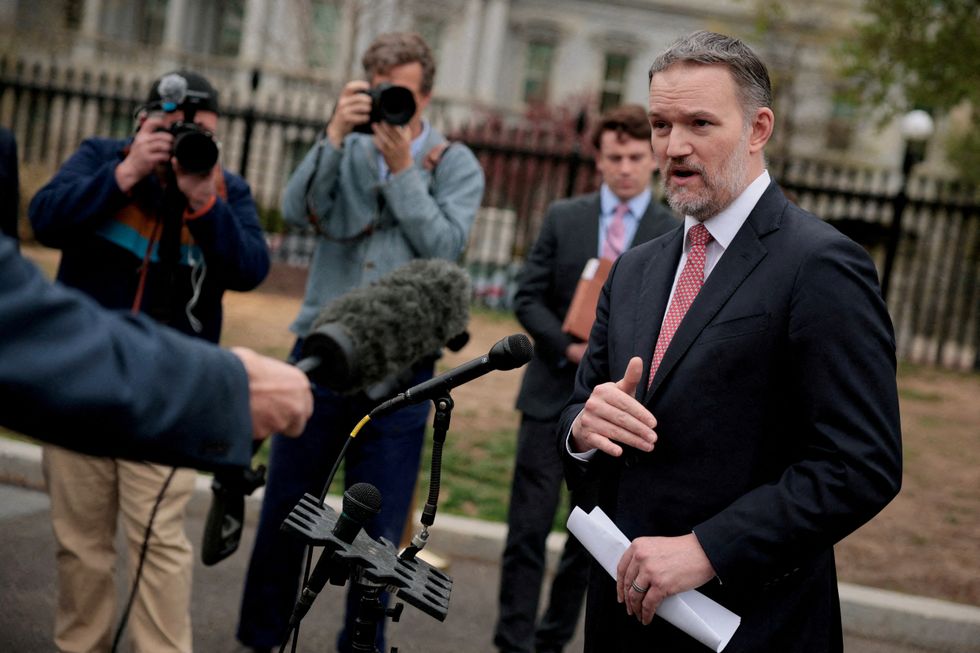 Jamieson GreerReuters
He added that broad country-wide tariff measures were not an appropriate response to concerns that were often product-specific.
“Hence, broad country-wide tariff actions are an inappropriate response when problem could be limited to few products,” he said.
Srivastava said the proposed tariffs should be viewed separately from the ongoing bilateral trade agreement negotiations.
“The proposed tariffs are viewed as part of broader US pressure tactics, and India should treat Section 301 actions and the India–US BTA negotiations separately,” he said.
“India should be prepared to fight and pay section 301 tariffs like other countries,” he added.
The tariffs have not yet been finalised. The USTR said interested parties can submit requests to appear at hearings and summaries of testimony by June 22, while written comments are due by July 6. Hearings are scheduled for July 7.
India’s commerce ministry said New Delhi remained engaged with Washington both on the Section 301 investigations and on the broader trade agreement negotiations.
“India remains engaged with the US on the matter as a part of Section 301 proceedings. India is also parallelly engaged with the US for finalisation of a framework agreement as was announced on February 2, 2026 and in accordance with the joint statement released on February 7, 2026,” the ministry said.
The proposed measure follows investigations launched by the USTR in March under Section 301 of the Trade Act of 1974 covering 60 economies over concerns related to forced labour and excess industrial capacity.
The investigations have become increasingly important for the Trump administration after the US supreme court ruled in February against president Donald Trump’s sweeping reciprocal tariffs imposed under the International Emergency Economic Powers Act.
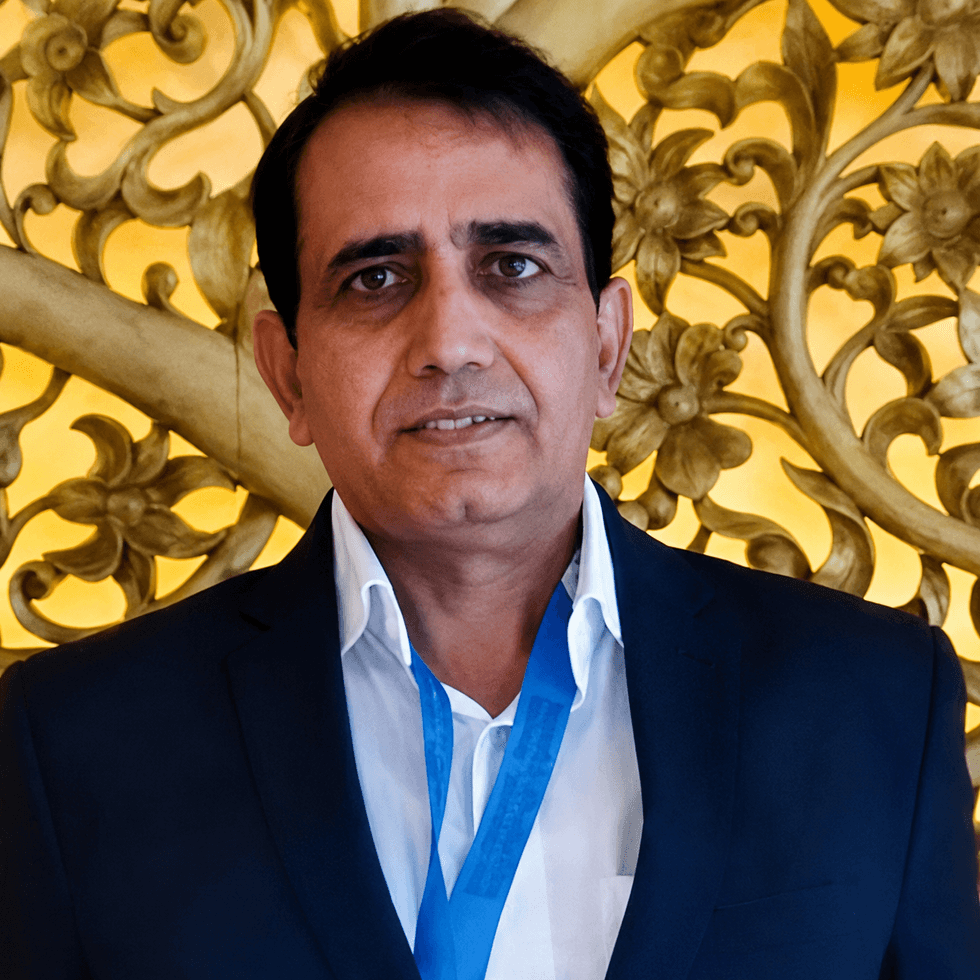 Ajay SrivastavaLinkedin
That ruling forced the administration to rely more heavily on Section 301 investigations as an alternative mechanism for imposing tariffs.
Countries including China, Bangladesh, Brazil, Japan, South Korea, Saudi Arabia, Singapore, the United Arab Emirates, the United Kingdom and Vietnam also face the proposed 12.5 per cent tariff.
A separate 10 per cent tariff has been proposed for six economies – Canada, Ecuador, the European Union, Indonesia, Mexico and Pakistan – which already have forced-labour import prohibitions in place but are accused by Washington of failing to enforce them effectively.
The USTR report also identified India as an intermediary in cotton supply chains linked to Chinese forced-labor inputs.
The tariff proposal arrived while Indian and American negotiators were trying to finalise the first tranche of the bilateral trade agreement framework announced earlier this year.
On February 7, India and the US released a joint statement outlining the contours of the first phase of the proposed agreement.
According to the framework, the US agreed to reduce tariffs on India to 18 per cent from 50 per cent. It removed the 25 per cent tariffs on Indian goods for buying Russian oil and was to cut the remaining 25 per cent to 18 per cent under the pact.
But the trade negotiations became more complicated after the US Supreme Court ruled against Trump’s reciprocal tariff framework on February 20.
Following that ruling, the US administration announced the imposition of 10 per cent tariffs on all countries for 150 days starting February 24.
US envoy to India Sergio Gor said on Wednesday that negotiators were trying to resolve the final sticking points in the trade agreement.
“Once that trade deal is finalised... the interim trade deal was there in place. It is that one per cent that we are trying to get across the finish line. So the leaders can have a signing and put that in stone and in law,” Gor said at Citi’s 2026 India Conference in Mumbai.
“And so we are very hopeful that that will get accomplished over the next weeks, several weeks, but it’s not going to be years. We are very close to getting that done,” he added.
Gor also attempted to downplay concerns that India was being singled out.
“These were tariffs that were applied to everybody, from the European Union to Canada to Mexico, to almost every other country in Asia, including Japan, South Korea,” he said.
The United States was India’s second-largest trading partner in 2025-26.
India’s exports to the US rose marginally by 0.92 per cent to $87.3 billion during the last fiscal year, while imports from the US increased 15.95 per cent to $52.9bn.
India’s trade surplus with the US declined to $34.4bn in 2025-26 from $40.89bn in 2024-25.
The report also warned that India could face additional Section 301 tariff actions in future areas such as excess industrial capacity.
The latest developments reflect the increasingly transactional nature of the India-US economic relationship under Trump’s second term, with trade negotiations now increasingly linked to supply chains, labour standards and strategic competition with China.
Despite the new dispute, both countries continue to publicly signal that they want the trade agreement completed quickly, even as discussions on tariff relief, market access, agriculture and industrial goods remain unresolved.





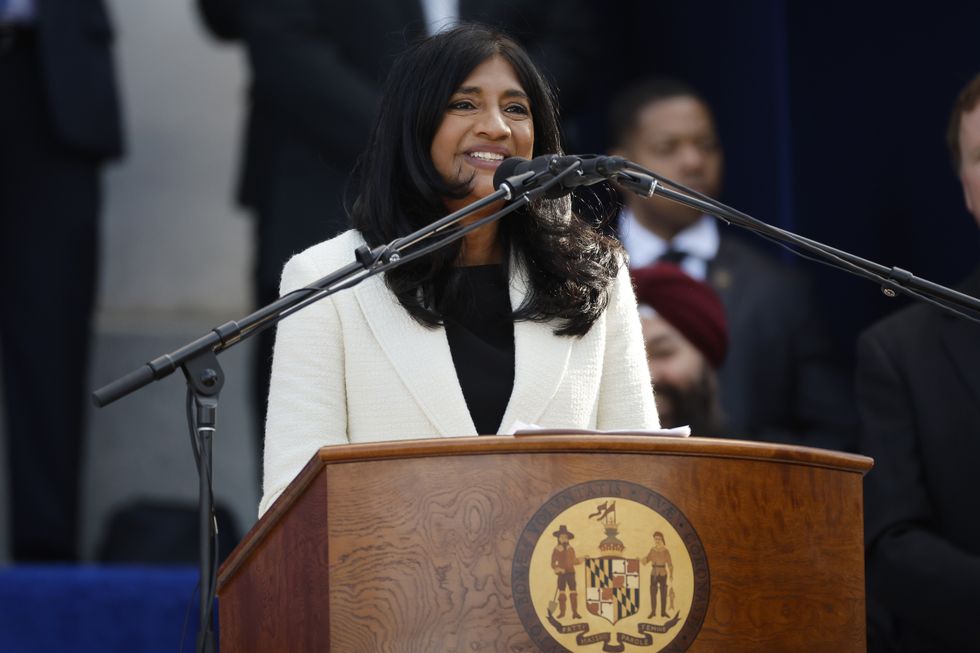 In Maryland, Hyderabad-born Lieutenant Governor Aruna Miller is seeking another term on the Democratic ticket with Governor Wes Moore. Getty
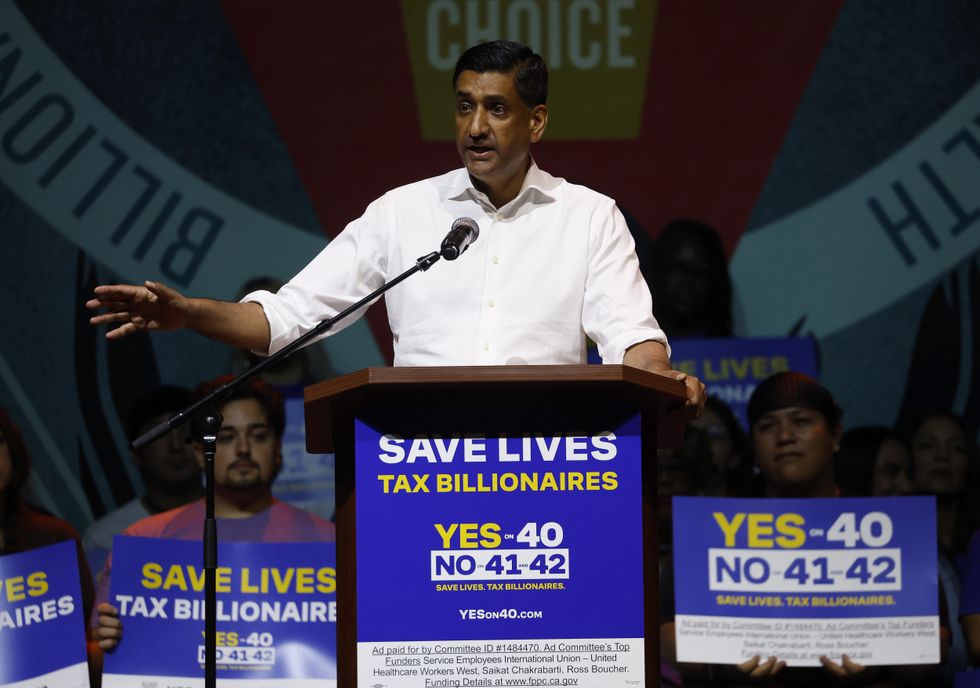 Ro Khanna is seeking re-election.Getty
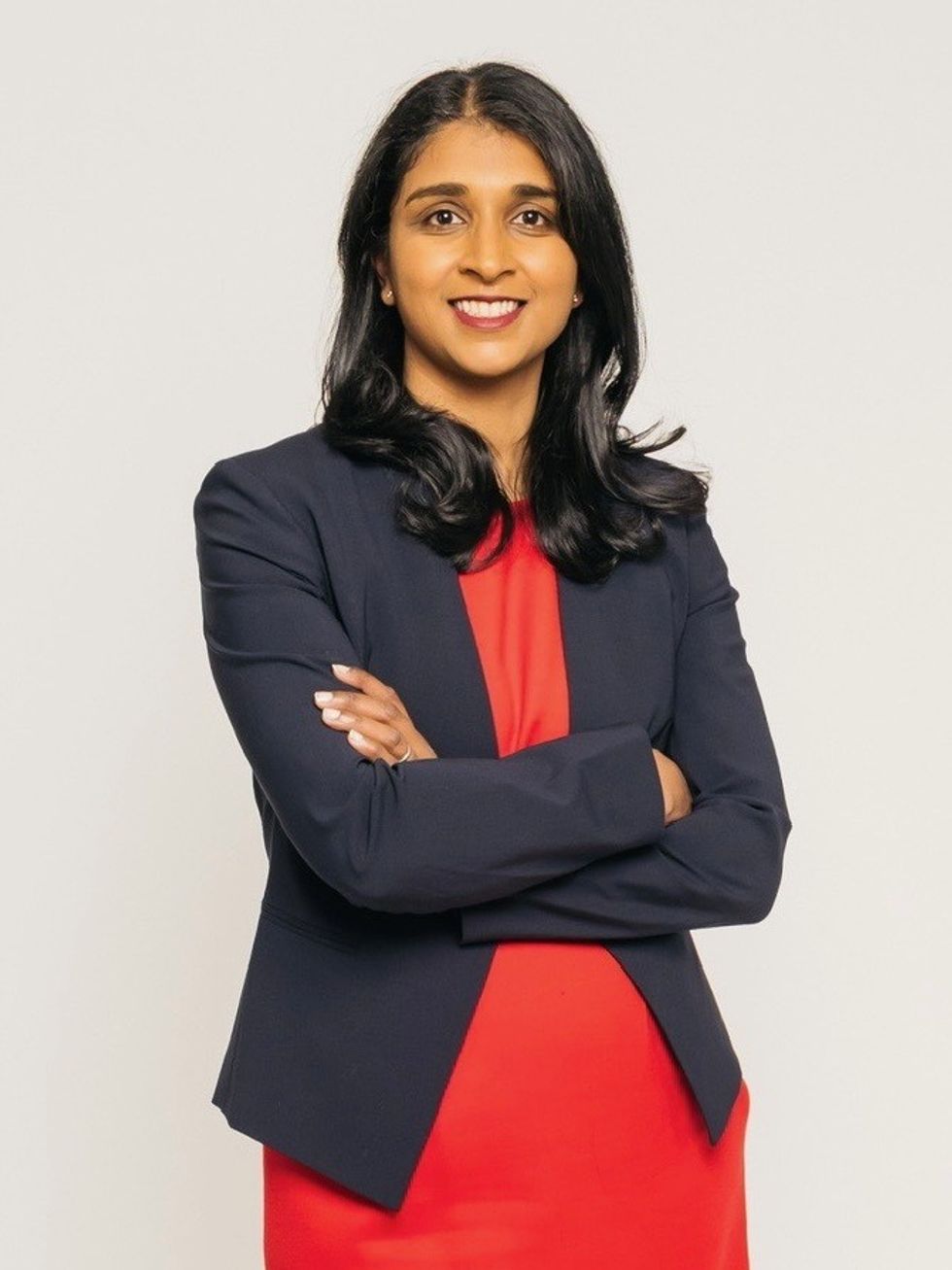 In New York, Republican Saritha Komatireddy is challenging Democratic incumbent Letitia James for attorney general. Getty
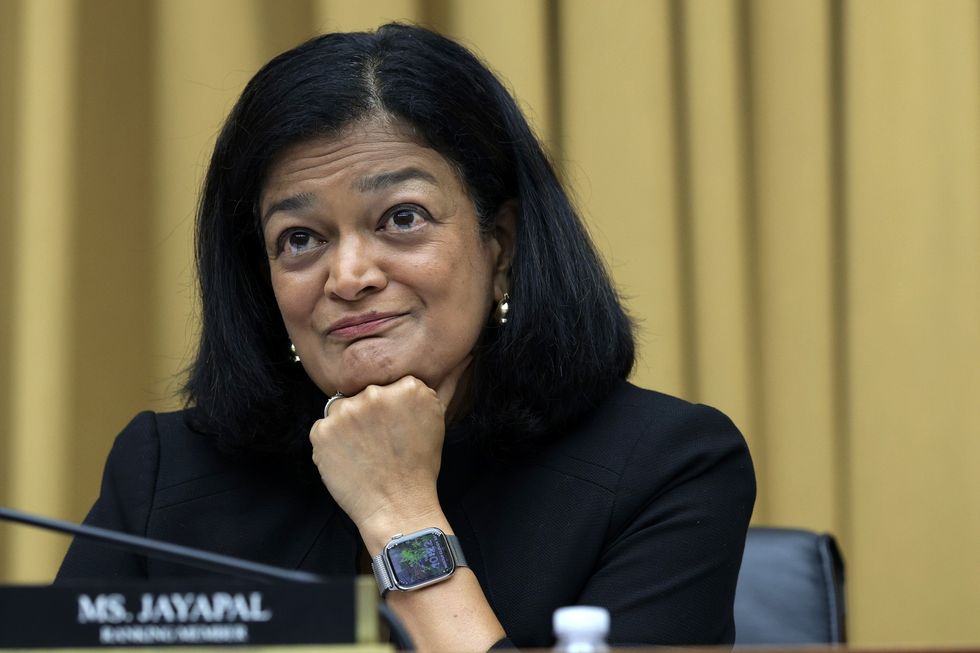 Pramila Jayapal is also seeking re-election.Getty