
- China test-fired a long-range ballistic missile into the Pacific Ocean.
- US and Pacific nations raised concerns over regional security.
- Russia defended the launch as China's sovereign right.
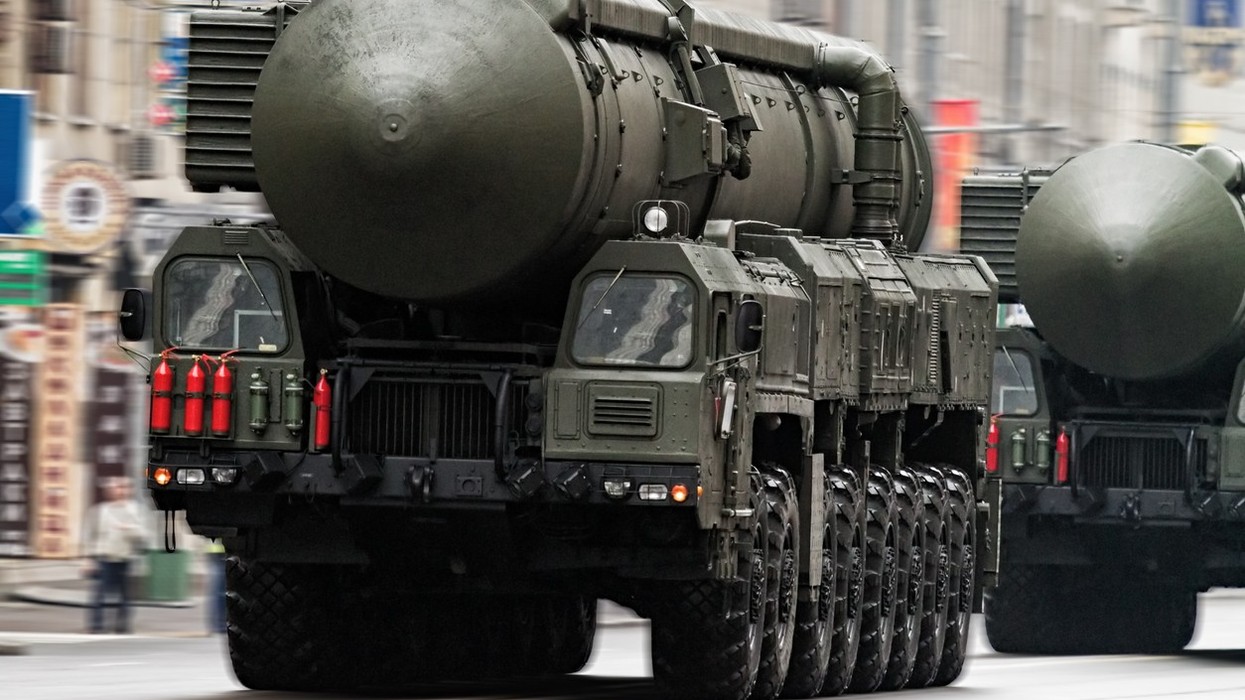
China's long-range ballistic missile test over the Pacific Ocean has sparked fresh concerns among the US and Pacific nations, with governments warning the launch could add to tensions in an already sensitive region. The missile, carrying a dummy warhead, was described by Beijing as part of its routine annual military training, but several countries questioned both the timing of the exercise and the limited notice given before the launch.
The test marks China's second publicly known launch of an intercontinental-range ballistic missile over international waters in recent years. Analysts say the exercise could reflect Beijing's expanding military capabilities, particularly its ability to project nuclear deterrence far beyond its borders.
Growing concerns over China's military expansion
The US State Department said China's expanding nuclear programme remains a source of concern for both the region and the wider world.
State Department spokesperson Tommy Pigott reportedly said Beijing's nuclear weapons programme has grown rapidly with limited transparency. He also urged China to engage in meaningful arms control discussions and establish a regular notification system for future intercontinental ballistic missile and space launches.
The launch also drew criticism from Australia, New Zealand, the Solomon Islands and the Philippines. Australian Foreign Minister Penny Wong reportedly described the test as destabilising for the region, while New Zealand said Pacific countries received only around two hours' notice before the missile launch.
The Philippines went further, reportedly calling the exercise a reckless display of military power and describing it as a calculated act of provocation against countries challenging China's territorial claims.
Japan, which said it had been informed in advance, also expressed serious concern over China's growing military activity and reportedly urged Beijing to reconsider similar launches in future.
Beijing defends launch as tensions grow
China rejected the criticism, insisting the missile launch formed part of its regular military training schedule.
Chinese navy spokesperson Wang Xuemeng reportedly said relevant countries had been informed in advance of the exercise.
According to monitoring groups, the missile was launched from a nuclear submarine before landing in waters near the Solomon Islands. Defence analysts say the test may indicate China is strengthening its sea-based nuclear deterrent, potentially allowing it to project military capability over much greater distances.
The missile test also came on the same day Australia and Fiji signed a new defence treaty aimed at strengthening regional security, although analysts suggested the timing was likely coincidental because such military exercises are usually planned well in advance.
Russia backed China's actions, reportedly describing the launch as Beijing's sovereign right and arguing that China was not threatening any country.
The latest test is expected to add to growing international scrutiny of China's military modernisation, particularly as strategic competition between Beijing and Washington continues to shape security dynamics across the Indo-Pacific region.