

MALAYSIA'S cabinet discussed the permanent residency of Indian Islamic preacher Zakir Naik on Wednesday (14), with three ministers demanding his expulsion for allegedly making racially sensitive remarks in the multi-ethnic nation.
Naik, who has lived in Malaysia for about three years and faces charges of money laundering and hate speech in India, has come under fire for his recent comments that Hindus in the Southeast Asian country had "100 times more rights" than the Muslim minority in India.
Race and religion are sensitive issues in Malaysia, where Muslims make up about 60 per cent of its 32 million people. The rest are mostly ethnic Chinese and Indians, most of whom are Hindus.
The Malaysian ministers said Naik's comments may have been aimed at driving a wedge between Muslims and non-Muslims in Malaysia, an allegation that Naik denied.
"We have expressed our position, which is that action must be taken and that Zakir Naik should no longer be allowed to remain in Malaysia," Gobind Singh Deo, minister of communications and multimedia, said in a statement.
"The prime minister has taken note of our concerns. We leave it to him to consider the position and to decide soonest possible what will be done to deal with the problem," he added.
M Kulasegaran, minister of human resources, and Xavier Jayakumar, the minister of water, land and natural resources, also released statements urging prime minister Mahathir Mohamad to expel Naik.
Naik, who has repeatedly rejected the charges against him in India, said his detractors were quoting him out of context to malign him.
"My praise of the Malaysian government for its Islamic and fair treatment of Hindu minorities is being twisted and misquoted to suit political gains and create communal rifts," he said in a statement on Wednesday.
Malaysian state news agency Bernama quoted Mahathir as saying late on Tuesday (13) that Naik cannot be sent back to India due to fears for his safety.
"If any (other) country wants to have him, they are welcome," Mahathir said.
India banned Naik's Islamic Research Foundation in late 2016, for encouraging and aiding its followers to "promote or attempt to promote feelings of enmity, hatred or ill-will between different religious communities and groups".



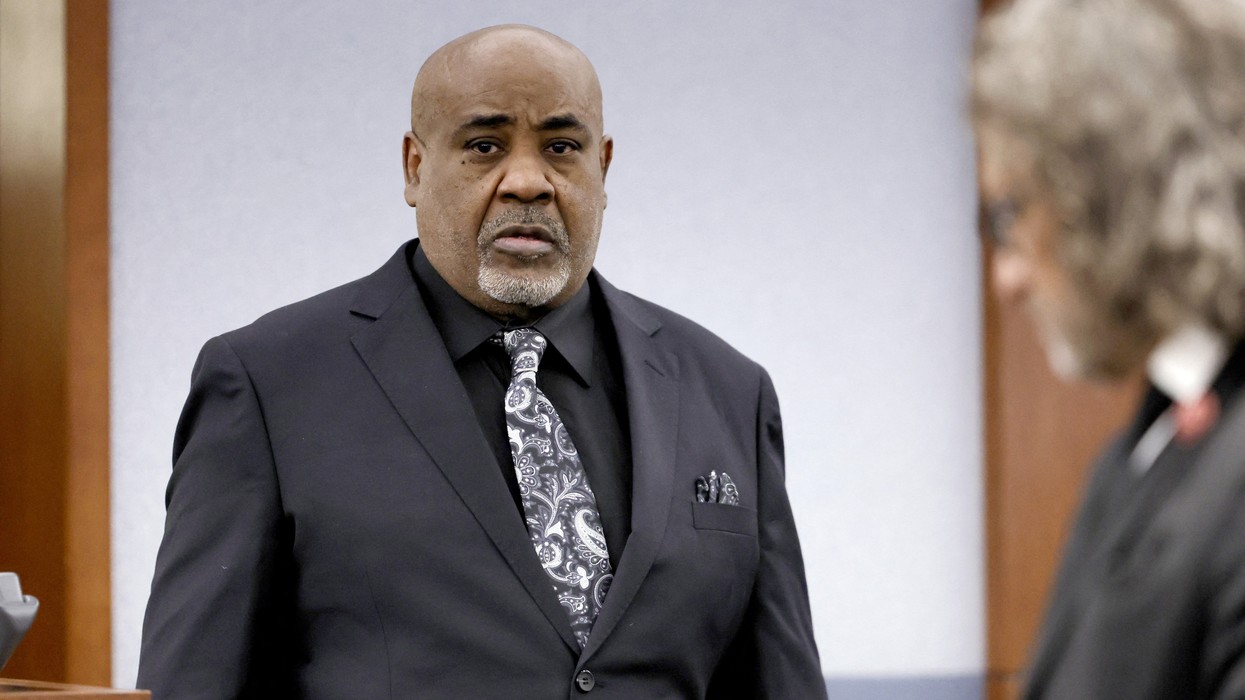
 A 1996 photo of rapper Tupac Shakur (L) and Marion "Suge" Knight is shown on screens during closing arguments in the Duane Davis murder trial, related to the 1996 killing of rapper Tupac Shakur, at Clark County District Court at the Regional Justice Center in Las Vegas, Nevada, on August 31, 2026. Getty Images







 A rescuer assists a resident through heavy mud following flash floods on August 27, 2026 in Trishuli, Nepal. A sudden flood swept through the Bhote Koshi River basin in northern Rasuwa on August 26, damaging settlements, roads and energy infrastructure as rescue teams searched for residents and foreign travellers reported out of contact. Hundreds were reported missing, as the death toll started to climb.Getty Images
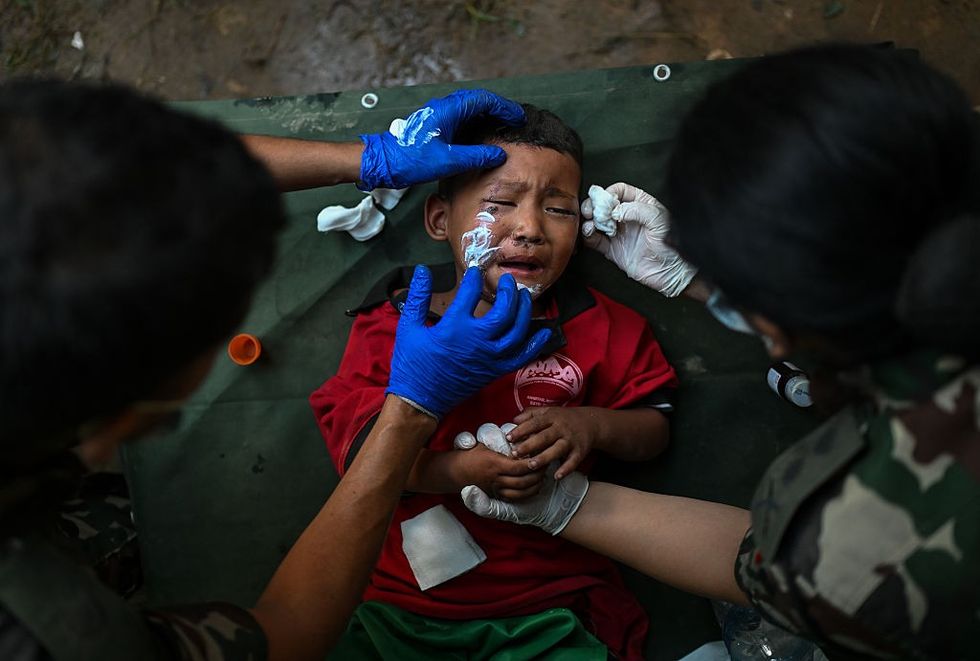 Rescue personnel provide medical treatment to a child at an army rescue camp in Trishuli Batar, Nepal, on August 27, 2026. A sudden flood swept through the Bhote Koshi River basin in northern Rasuwa on August 26, damaging settlements, roads and energy infrastructure, as rescue teams searched for residents and foreign travellers reported out of contact. Hundreds were reported missing as the death toll began to climb. Getty Ima
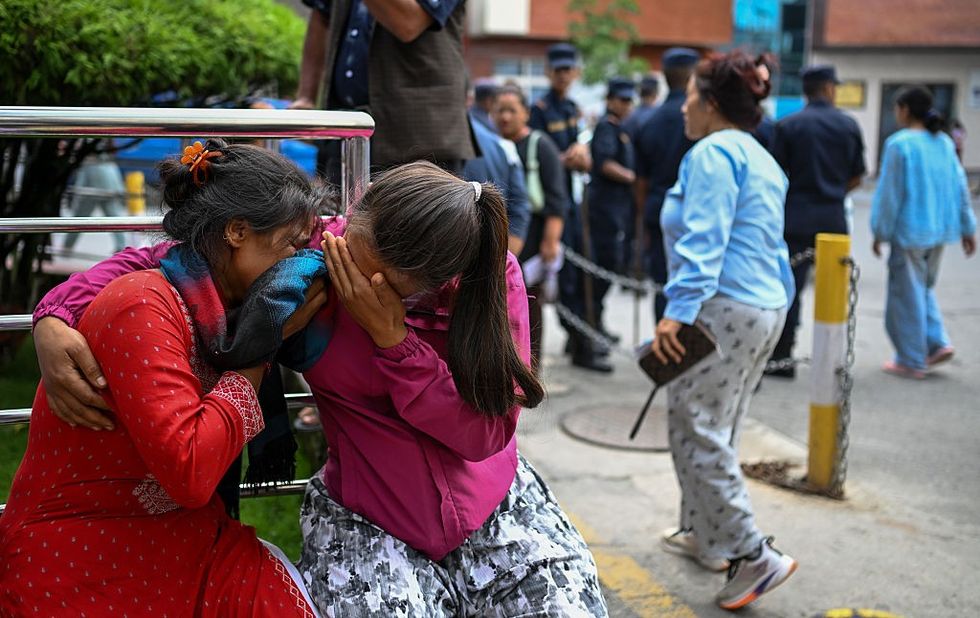 Family members of missing flood victims react at the emergency ward of the Maharajgunj Medical Campus, part of the Tribhuvan University Teaching Hospital, on August 28, 2026 in Kathmandu, Nepal. Authorities said the flash floods were triggered after a mass of ice, mud and rock collapsed into a Himalayan river near the Nepal-China border, leaving hundreds dead or missing and causing widespread damage in affected districts. Authorities continued the gruelling search for victims, many buried under metres of mud, as both China and Nepal issued fresh flooding alerts.Getty Images