

IN a filmy-style act, an Indian Sikh woman visiting the Gurdwara Darbar Sahib in Pakistan's Kartarpur tried to go to Faisalabad city of Punjab province without a visa to meet a Pakistani man she befriended on Facebook, officials said on Tuesday (3).
Manjit Kaur, in her early 20s, visited the Gurdwara Darbar Sahib via the Kartarpur corridor, some 125 kilometres from Lahore, in last week of November, sources said.
Kaur, who was in touch with the man through Facebook, met him at the gurdwara and attempted to go along with him to Faisalabad by showing a Pakistani woman's permit.
Indian pilgrims can visit the Gurdwara Darbar Sahib through the recently-opened Kartarpur corridor without visa but cannot go to the other parts of Pakistan.
"This is the first incident in which an Indian Sikh woman attempted to leave the restricted area of the Kartarpur corridor since its opening on November 9," a senior official of the Evacuee Trust Property Board (ETPB) said.
He said the woman wanted to go along with the Pakistani man but the security officials did not let her cross the restricted area.
While Pakistani officials said she hailed from Amritsar, media reports in India claimed that she is from Rohtak, Haryana.
"The security officials sent the Indian woman back and also informed their counterpart about it," he said.
The Pakistani security officials detained the man along with his two friends, including a woman.
After interrogating the man in question and his two other friends for several hours they were allowed to go home, the sources said.
The Kartarpur corridor connects Darbar Sahib in Kartarpur with Dera Baba Nanak shrine in Gurdaspur district of India's Punjab.




 A 1996 photo of rapper Tupac Shakur (L) and Marion "Suge" Knight is shown on screens during closing arguments in the Duane Davis murder trial, related to the 1996 killing of rapper Tupac Shakur, at Clark County District Court at the Regional Justice Center in Las Vegas, Nevada, on August 31, 2026. Getty Images



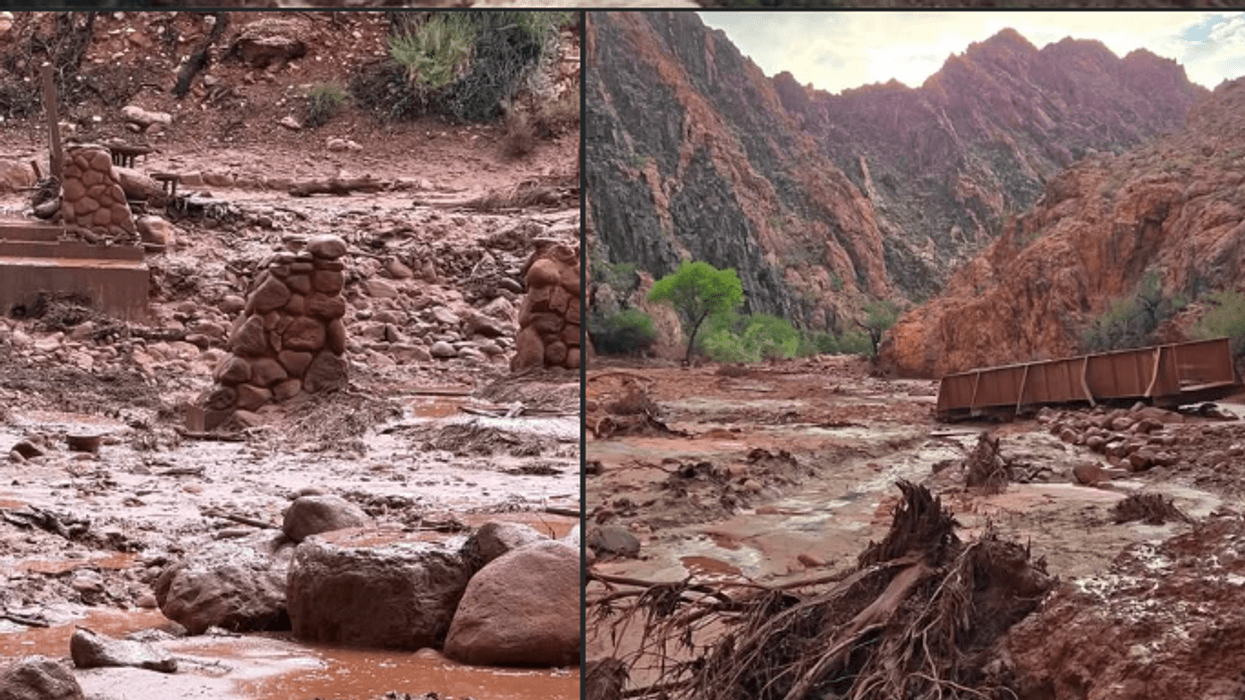

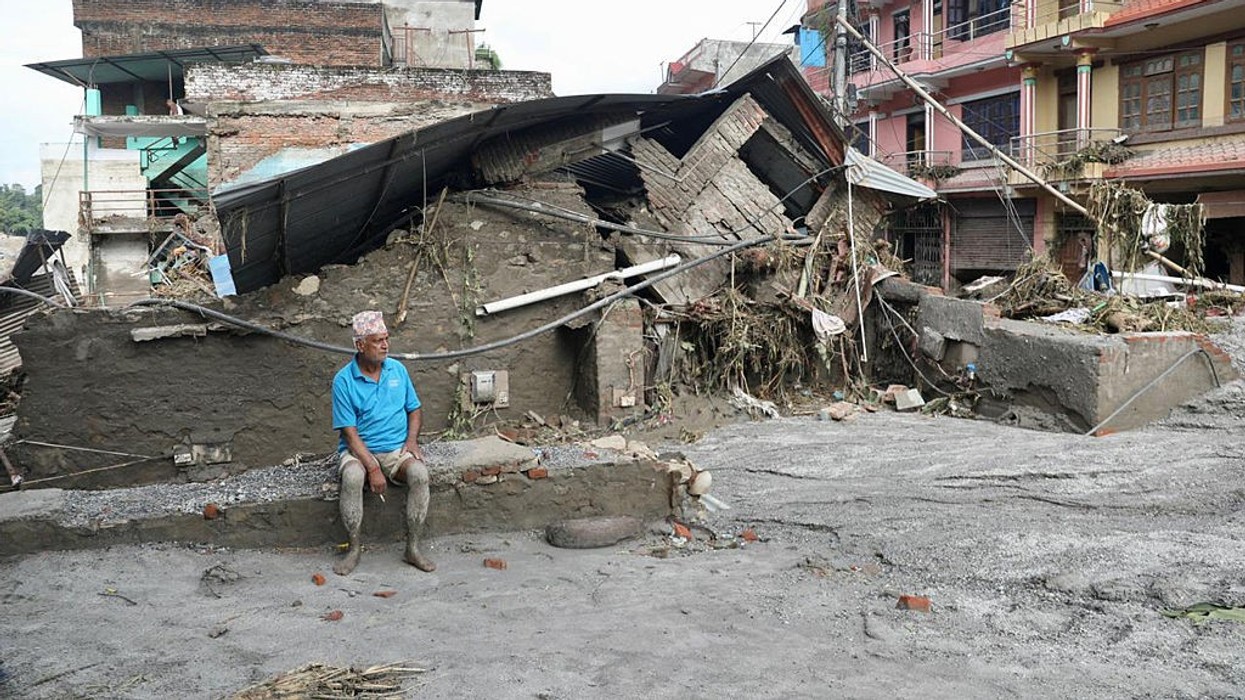
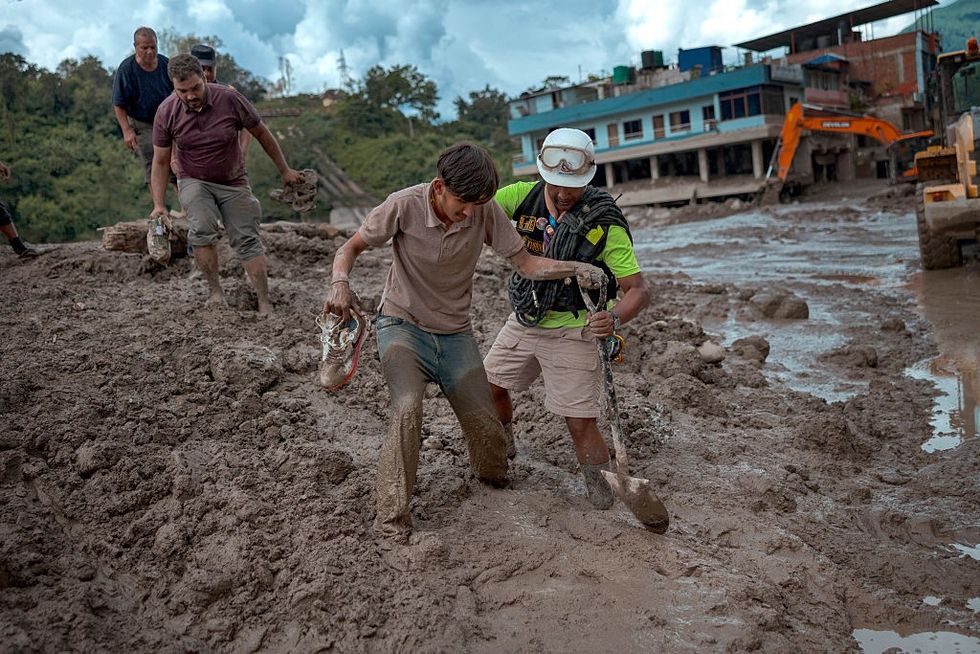 A rescuer assists a resident through heavy mud following flash floods on August 27, 2026 in Trishuli, Nepal. A sudden flood swept through the Bhote Koshi River basin in northern Rasuwa on August 26, damaging settlements, roads and energy infrastructure as rescue teams searched for residents and foreign travellers reported out of contact. Hundreds were reported missing, as the death toll started to climb.Getty Images
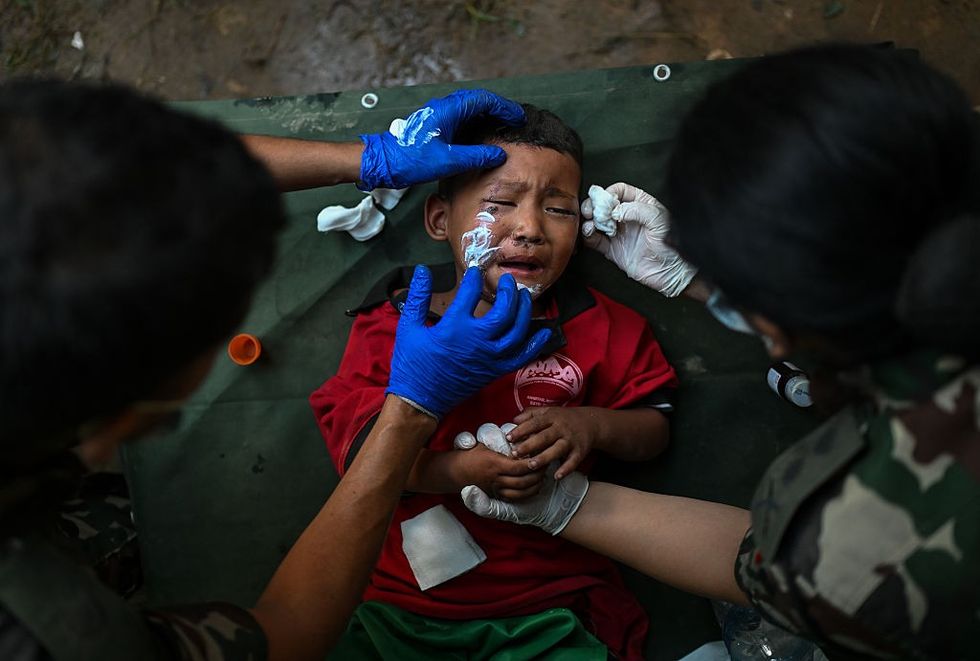 Rescue personnel provide medical treatment to a child at an army rescue camp in Trishuli Batar, Nepal, on August 27, 2026. A sudden flood swept through the Bhote Koshi River basin in northern Rasuwa on August 26, damaging settlements, roads and energy infrastructure, as rescue teams searched for residents and foreign travellers reported out of contact. Hundreds were reported missing as the death toll began to climb. Getty Ima
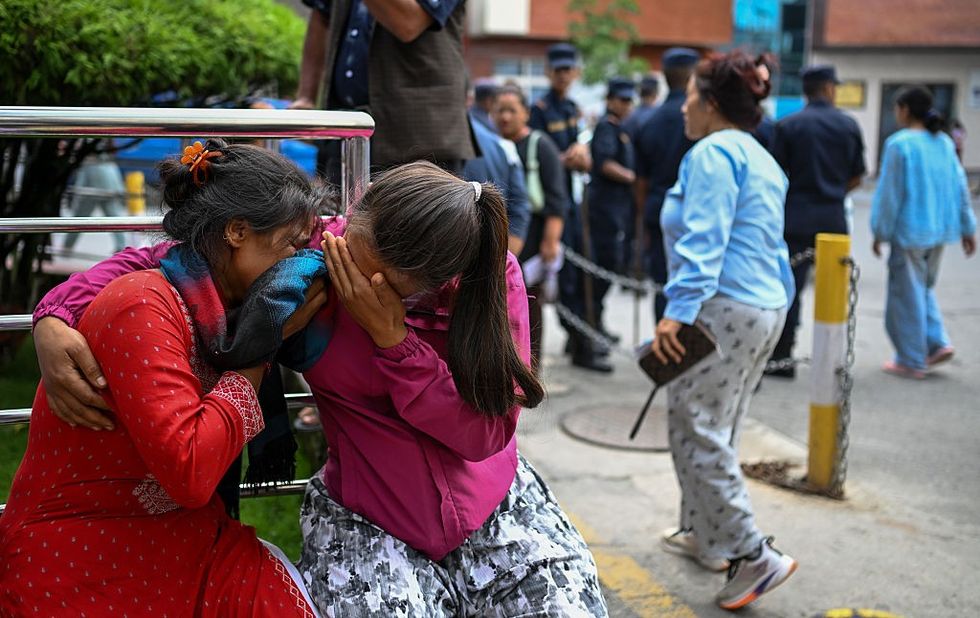 Family members of missing flood victims react at the emergency ward of the Maharajgunj Medical Campus, part of the Tribhuvan University Teaching Hospital, on August 28, 2026 in Kathmandu, Nepal. Authorities said the flash floods were triggered after a mass of ice, mud and rock collapsed into a Himalayan river near the Nepal-China border, leaving hundreds dead or missing and causing widespread damage in affected districts. Authorities continued the gruelling search for victims, many buried under metres of mud, as both China and Nepal issued fresh flooding alerts.Getty Images