

IRISH writer Paul Lynch won the 2023 Booker Prize on Sunday (26) for his novel ‘Prophet Song’, the story of a family and a country on the brink of catastrophe as an imaginary Irish government veers towards tyranny.
The novel, Lynch’s fifth, seeks to show the unrest in Western democracies and their indifference towards disasters such as the implosion of Syria.
“From that first knock at the door, ‘Prophet Song’ forces us out of our complacency as we follow the terrifying plight of a woman seeking to protect her family in an Ireland descending into totalitarianism,” Esi Edugyan, chair of the Booker’s 2023 judges, said.
“This is a triumph of emotional storytelling, bracing and brave.”
Lynch, who was previously the chief film critic of Ireland’s Sunday Tribune newspaper, said he wanted readers to understand totalitarianism by heightening the dystopia with the intense realism of his writing.
“I wanted to deepen the reader’s immersion to such a degree that by the end of the book, they would not just know, but feel this problem for themselves,” Lynch said in comments published on the Booker Prize website.
He became the fifth Irish author to win the Booker Prize, after Iris Murdoch, John Banville, Roddy Doyle and Anne Enright, the organisers of the competition said. The Northern Irish writer Anna Burns won in 2018.
Past winners of the Booker, which was first awarded in 1969 include Margaret Atwood, Salman Rushdie and Yann Martel.
‘Prophet Song’ is published in the UK by Oneworld which also won the prize in 2015 and 2016 with Marlon James’s ‘A Brief History of Seven Killings’ and Paul Beatty’s ‘The Sellout.’
(Reuters)




 A 1996 photo of rapper Tupac Shakur (L) and Marion "Suge" Knight is shown on screens during closing arguments in the Duane Davis murder trial, related to the 1996 killing of rapper Tupac Shakur, at Clark County District Court at the Regional Justice Center in Las Vegas, Nevada, on August 31, 2026. Getty Images



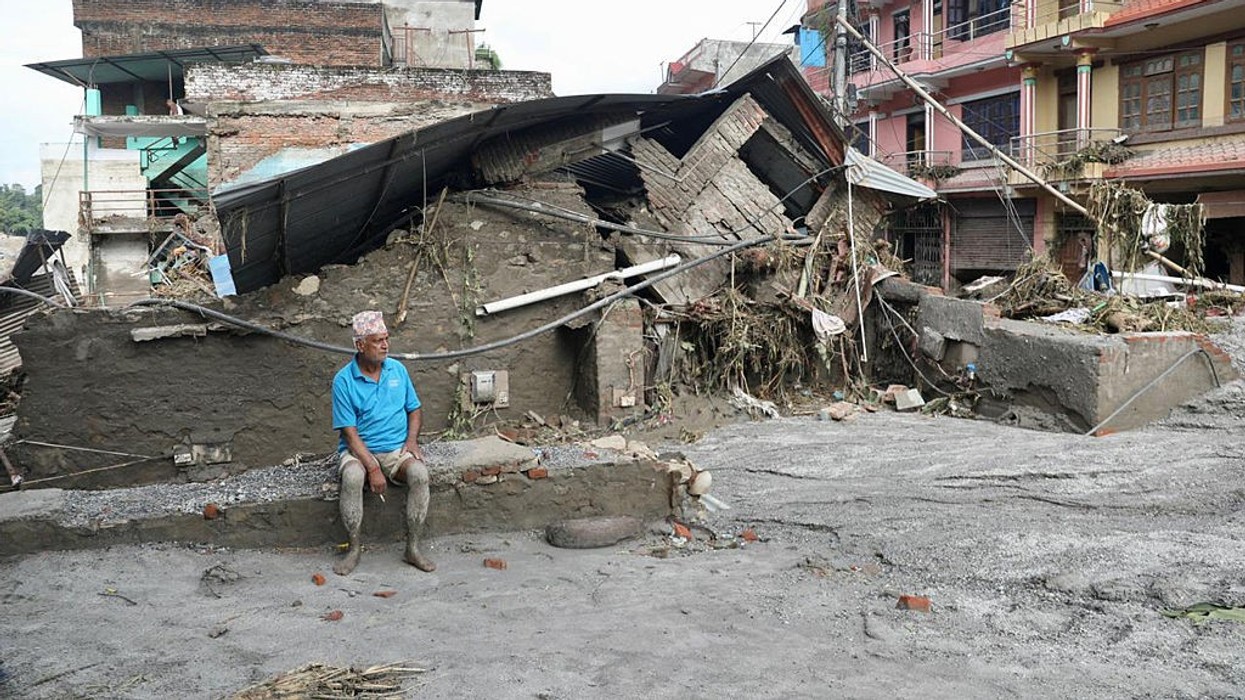
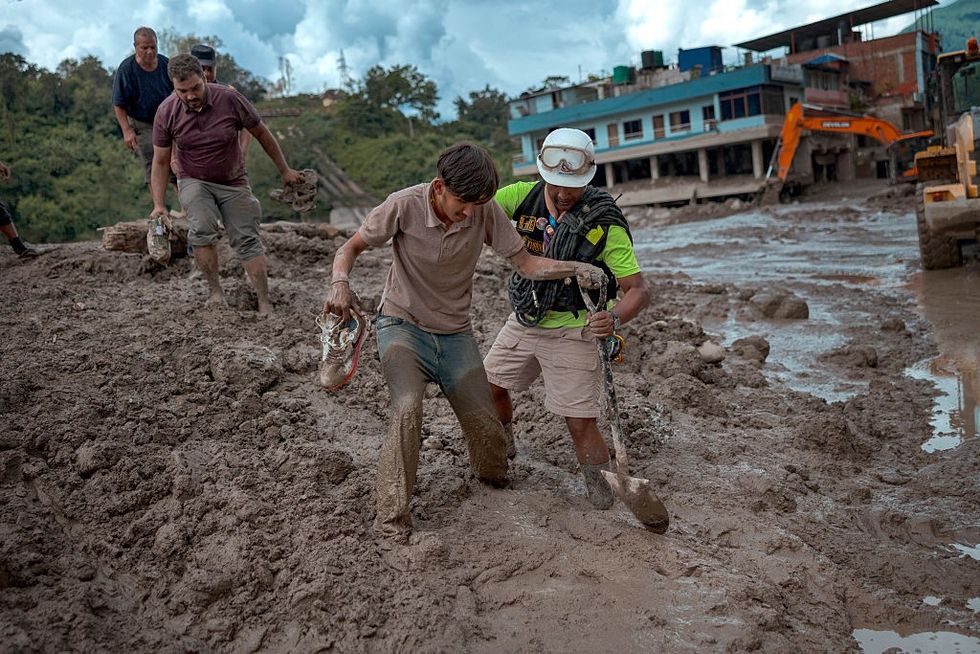 A rescuer assists a resident through heavy mud following flash floods on August 27, 2026 in Trishuli, Nepal. A sudden flood swept through the Bhote Koshi River basin in northern Rasuwa on August 26, damaging settlements, roads and energy infrastructure as rescue teams searched for residents and foreign travellers reported out of contact. Hundreds were reported missing, as the death toll started to climb.Getty Images
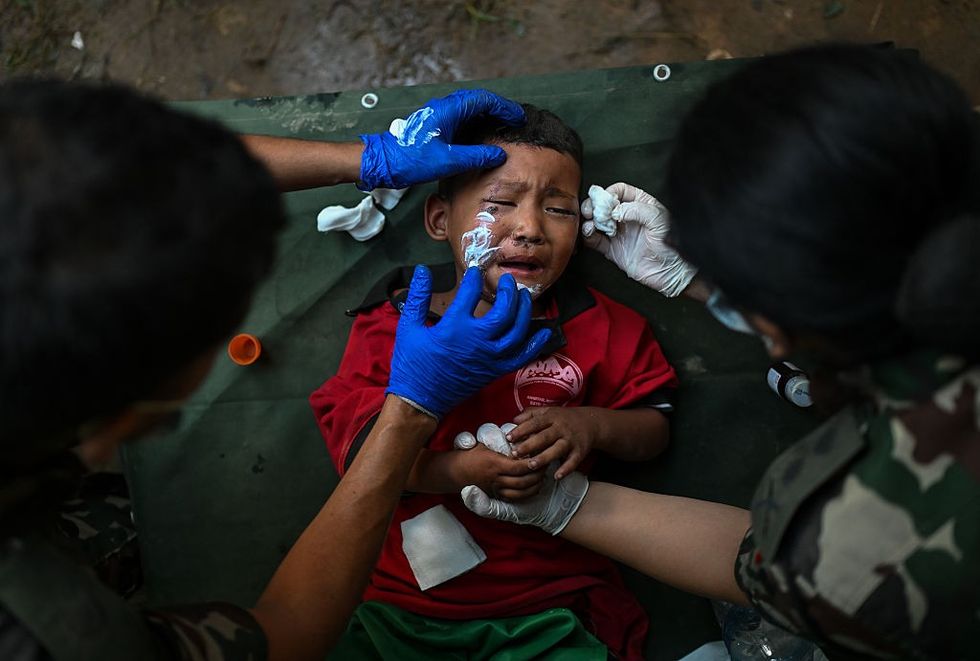 Rescue personnel provide medical treatment to a child at an army rescue camp in Trishuli Batar, Nepal, on August 27, 2026. A sudden flood swept through the Bhote Koshi River basin in northern Rasuwa on August 26, damaging settlements, roads and energy infrastructure, as rescue teams searched for residents and foreign travellers reported out of contact. Hundreds were reported missing as the death toll began to climb. Getty Ima
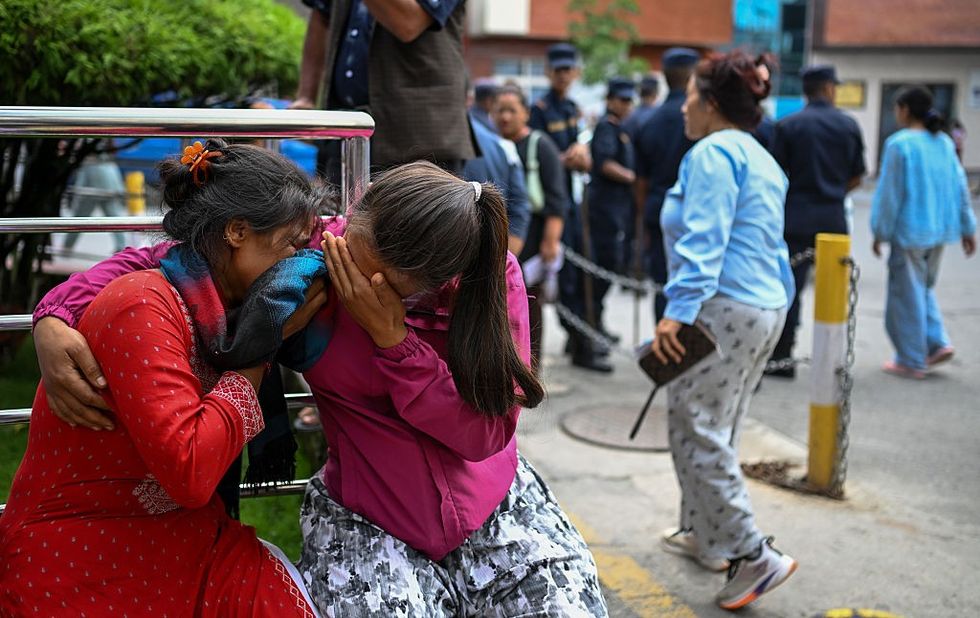 Family members of missing flood victims react at the emergency ward of the Maharajgunj Medical Campus, part of the Tribhuvan University Teaching Hospital, on August 28, 2026 in Kathmandu, Nepal. Authorities said the flash floods were triggered after a mass of ice, mud and rock collapsed into a Himalayan river near the Nepal-China border, leaving hundreds dead or missing and causing widespread damage in affected districts. Authorities continued the gruelling search for victims, many buried under metres of mud, as both China and Nepal issued fresh flooding alerts.Getty Images