Highlights:
- JD Vance has publicly backed Vivek Ramaswamy for Ohio governor.
- The two Republicans became friends at Yale Law School.
- Vance’s wife, Usha, is a family friend of Ramaswamy.
- Vance’s six-year-old son is also named Vivek, creating an unusual political connection.
- Their alliance fits closely with Trump’s America First agenda on immigration, trade and jobs.
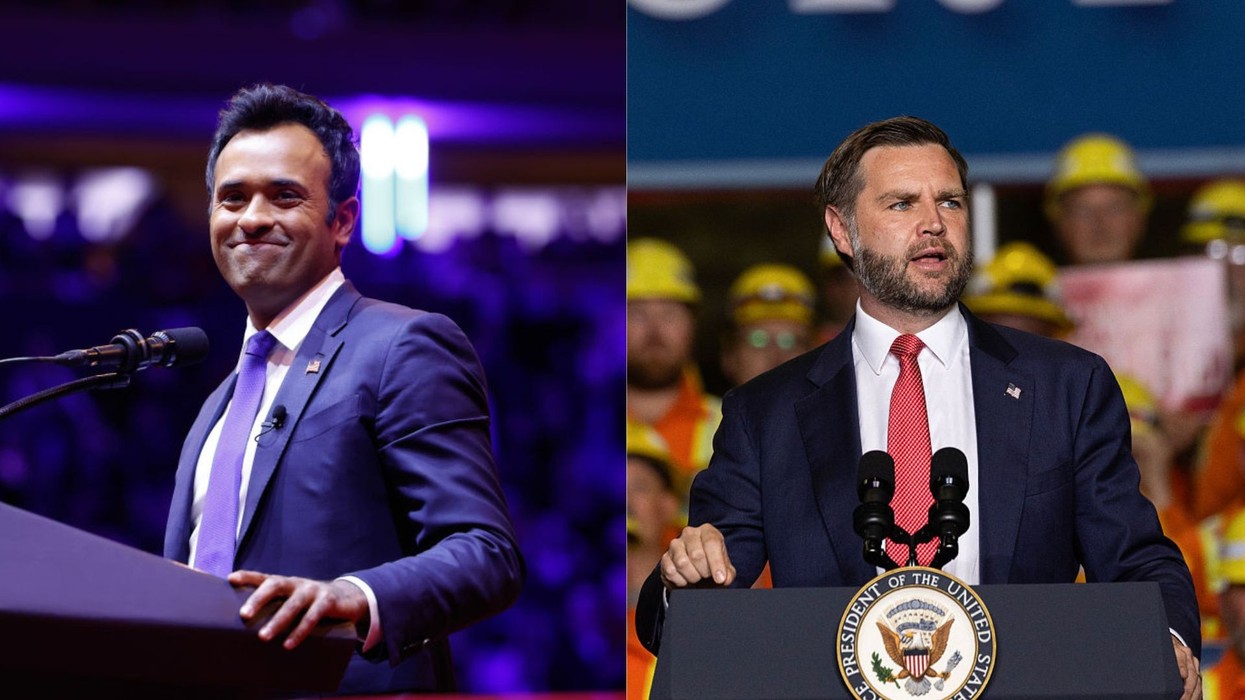
JD Vance did not merely praise Vivek Ramaswamy. He practically handed him a political seal of approval.
Speaking in Middletown, Ohio, Vance called Ramaswamy a “great gubernatorial candidate” and predicted he would make a great governor. The endorsement is significant. Vance is not just a powerful Ohio Republican. He is Donald Trump’s vice-president and one of the most visible figures in the MAGA movement.
But here is the MAD angle: is this endorsement purely political, or is there a deeper personal bond behind it?
The two men go back years. They were classmates at Yale Law School and became friends, bonding over their shared Ohio roots and Cincinnati Bengals fandom. Ramaswamy has described Vance as a friend and fellow southwest Ohioan.
There is also a striking family connection. Vance’s Indian-American wife, Usha Vance, is a family friend of Ramaswamy. And Vance and Usha have a son named Vivek. Ramaswamy has spoken publicly about his friendship with both of them.
The Vivek-Vivek connection
Vance himself turned the unusual coincidence into a joke.
He recalled taking his six-year-old son Vivek to vote during the Ohio primary. An internet meme then used AI to create an image suggesting that Vance had taken Ramaswamy to the polling station.
The joke worked because the political relationship is already so familiar. There is Vivek Ramaswamy, the candidate. Then there is Vivek Vance, the vice-president’s son. And behind them is Usha, who has her own longstanding connection with Ramaswamy.
That does not prove that family ties influenced Vance’s endorsement. But it certainly makes the political alliance more interesting.
Same movement, same message
The stronger explanation may be ideology.
Ramaswamy has built his political identity around the America First movement. Vance has become one of Trump’s most vocal defenders of the same agenda.
At the Middletown event, Vance attacked earlier policies that encouraged American companies to move production overseas. He also argued that American workers should be trained and hired before companies look elsewhere for labor.
That message sits comfortably beside Trump’s approach to immigration and trade.
And that is where the Ramaswamy endorsement gets controversial.
Both men are Indian American Republicans operating inside a political movement that has taken a much harder line on immigration. Trump’s administration has tightened the environment around legal immigration and H-1B visas, creating new uncertainty for Indian professionals who have traditionally relied heavily on the program.
Ramaswamy himself has been outspoken about immigration, arguing for a system based more heavily on merit and national interest.
Friendship, family or political calculation?
Vance's support for Ramaswamy therefore looks like more than a routine endorsement.
There is history. There is friendship. There are family connections. And there is a shared political worldview.
But the timing also matters. Ramaswamy wants to become Ohio's governor, while Republicans want to protect their grip on the state. A high-profile endorsement from Trump's vice-president can give his campaign enormous visibility.
For Vance, backing Ramaswamy may also be about building a reliable political ally in Ohio.
So, is Vance supporting Vivek because he is connected to an Indian-American family through marriage? That would be too simple—and there is no evidence to prove it.
The more uncomfortable question is whether personal loyalty and political strategy are working together.
Vance and Ramaswamy have known each other since Yale. Their families are connected. Their politics have increasingly moved in the same direction.
Now Vance wants Ohio voters to see Ramaswamy as the state's next governor.
For MAGA, that is a powerful friendship.
For critics, it may look like another example of politics being driven as much by personal networks as by policy.
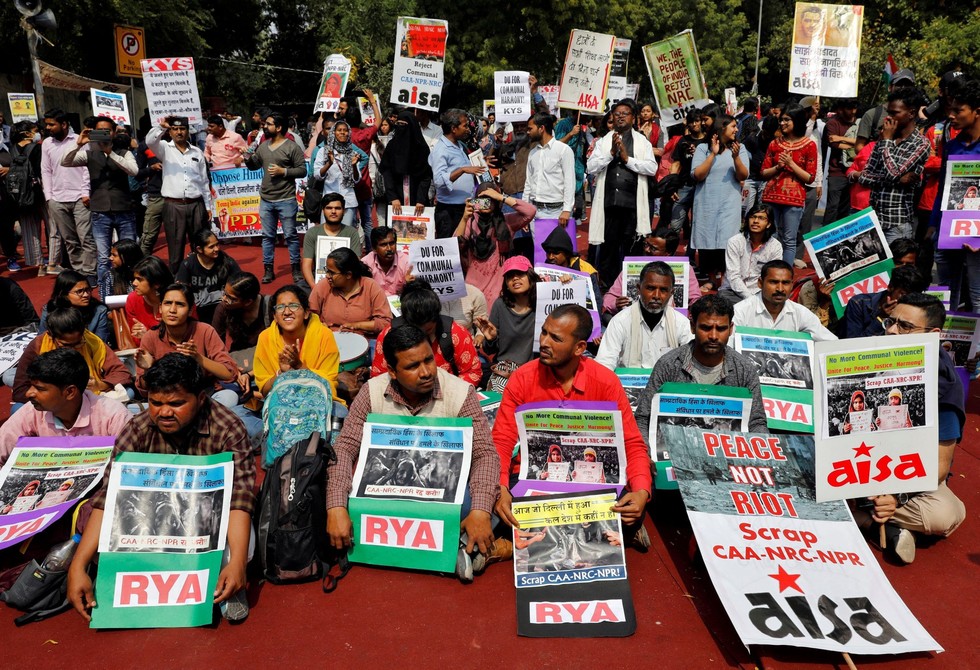
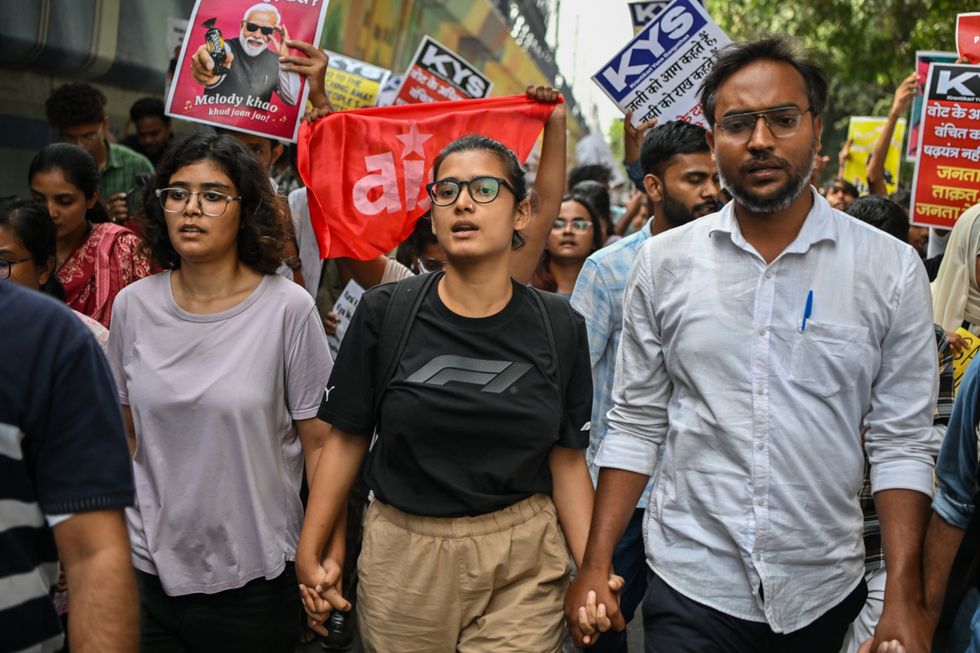 All India Students Association president Neha Bora, wearing a black shirt, takes part in a march during a protest on October 11, 2026 in New Delhi,.Getty
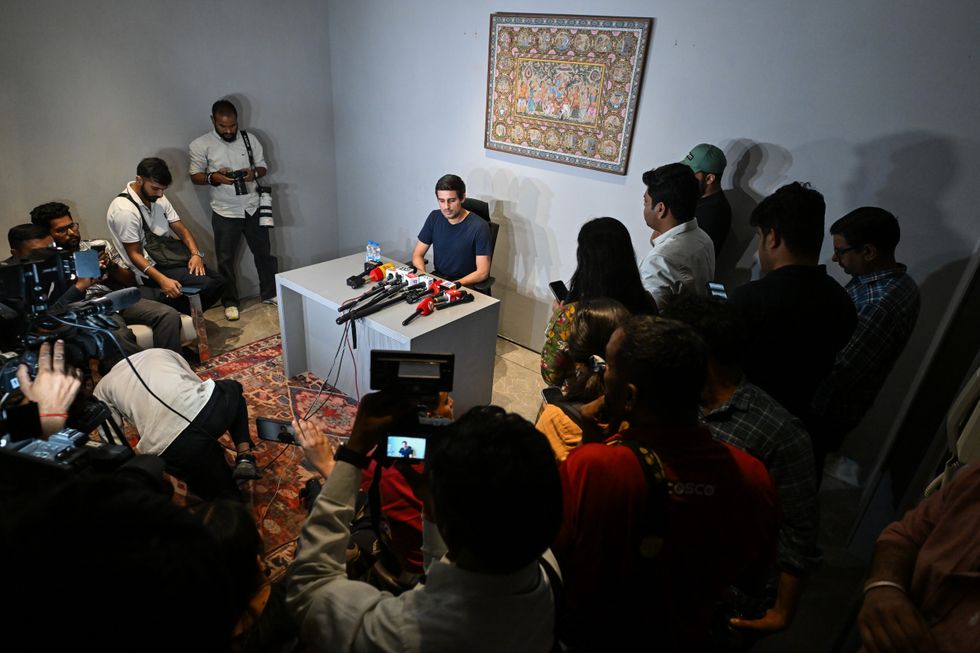 Youtuber Dhruv Rathee speaks during a press conference following his release from police detention on October 11, 2026 in New Delhi.Getty