

INDIAN prime minister Narendra Modi on Sunday (13) said it would take four months for Jammu and Kashmir to return to normal after his government stripped the state of its special status in August and imposed harsh restrictions.
At a rally in the western state of Maharashtra, Modi said that his government had taken necessary steps to maintain security in Jammu and Kashmir, India's only Muslim-majority state.
Alongside the withdrawal on August 5 of constitutional provisions that gave Jammu and Kashmir more autonomy than any other Indian state, Modi's government flooded the region with additional troops, and imposed curfew-like restrictions to keep a lid on protests.
Although many curbs, including those on movement have been eased, mobile telephone and internet connections in the Kashmir valley, home to around seven million people, remain cut off.
"I assure you that it won't take more than four months to normalise the abnormal situation that has persisted there for 40 years," Modi said at the rally, speaking in Hindi.
"Jammu Kashmir and Ladakh aren't just a piece of land for us," Modi said, referring to the remote Buddhist enclave that borders China.
New Delhi insists that its move in August was essential to integrate Kashmir fully into India and bring development to the Himalayan region, but there is anger and discontent among many locals over the decision.
Despite the curbs, Kashmiris have come out on to the streets, and many shops and other commercial establishments in the Kashmir valley have remained mostly shuttered in protests against the withdrawal of the special status.
India has long accused Pakistan of fuelling an armed insurgency in Kashmir, a charge that Islamabad denies.
Last week, the Jammu and Kashmir state government published full-page advertisements in local newspapers asking people to resume normal life, including reopening businesses and sending children to schools.
"Closed shops, no public transport?" the advertisements said, "Who benefits?"
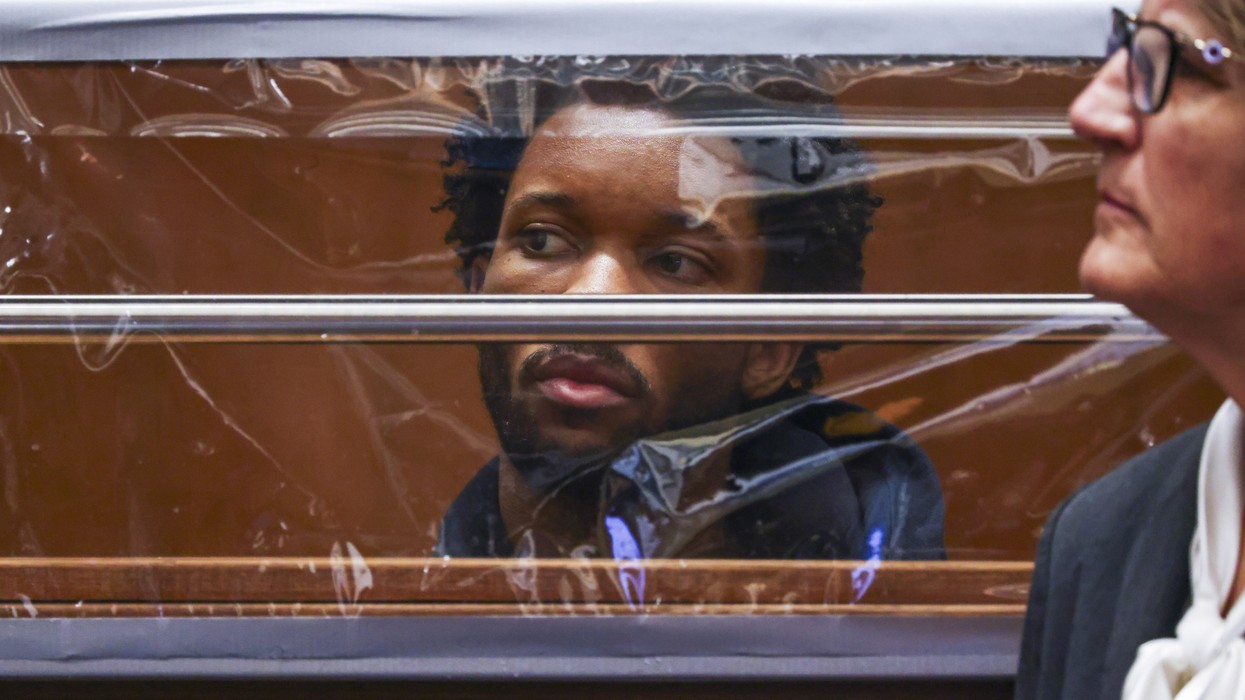
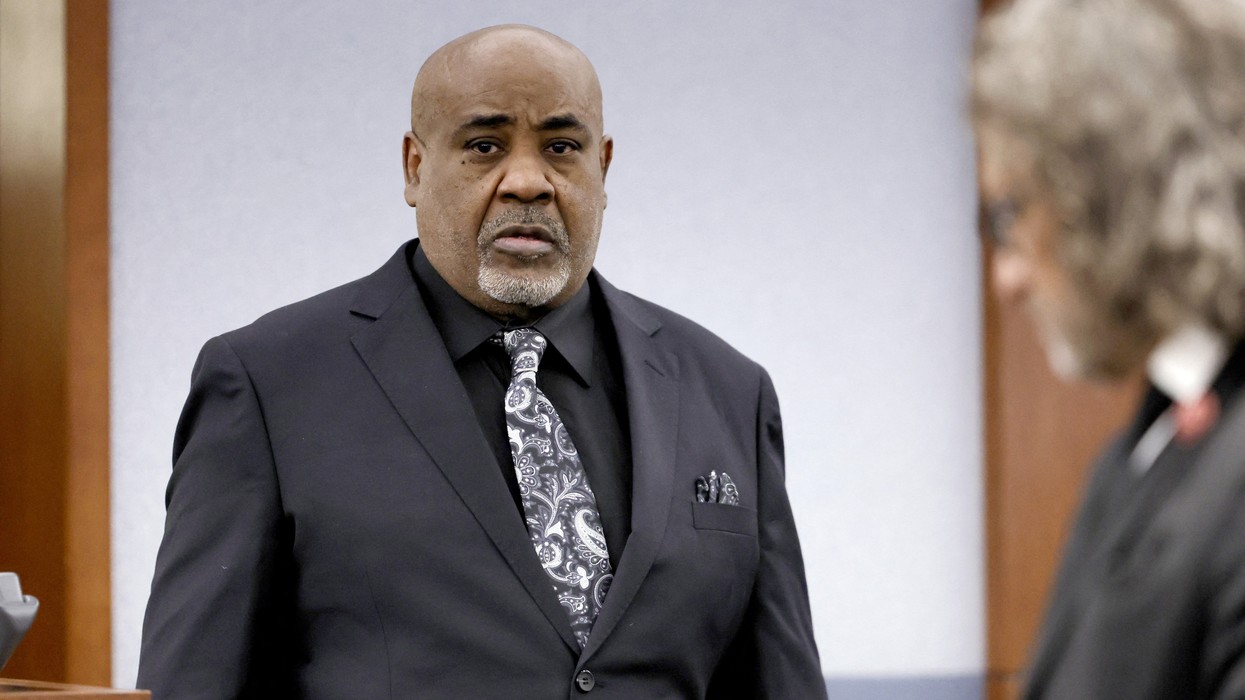
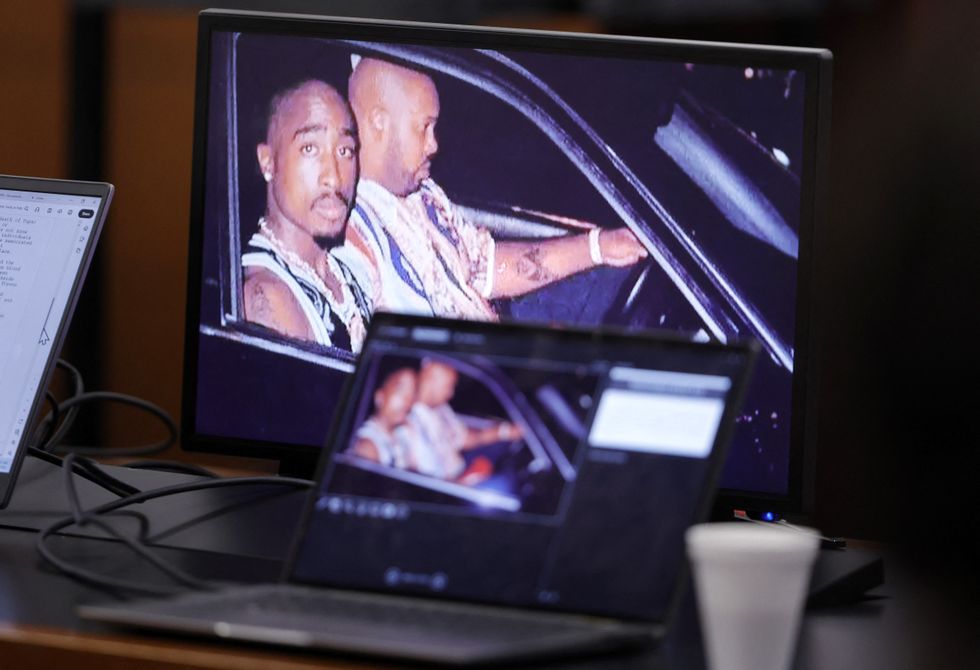 A 1996 photo of rapper Tupac Shakur (L) and Marion "Suge" Knight is shown on screens during closing arguments in the Duane Davis murder trial, related to the 1996 killing of rapper Tupac Shakur, at Clark County District Court at the Regional Justice Center in Las Vegas, Nevada, on August 31, 2026. Getty Images


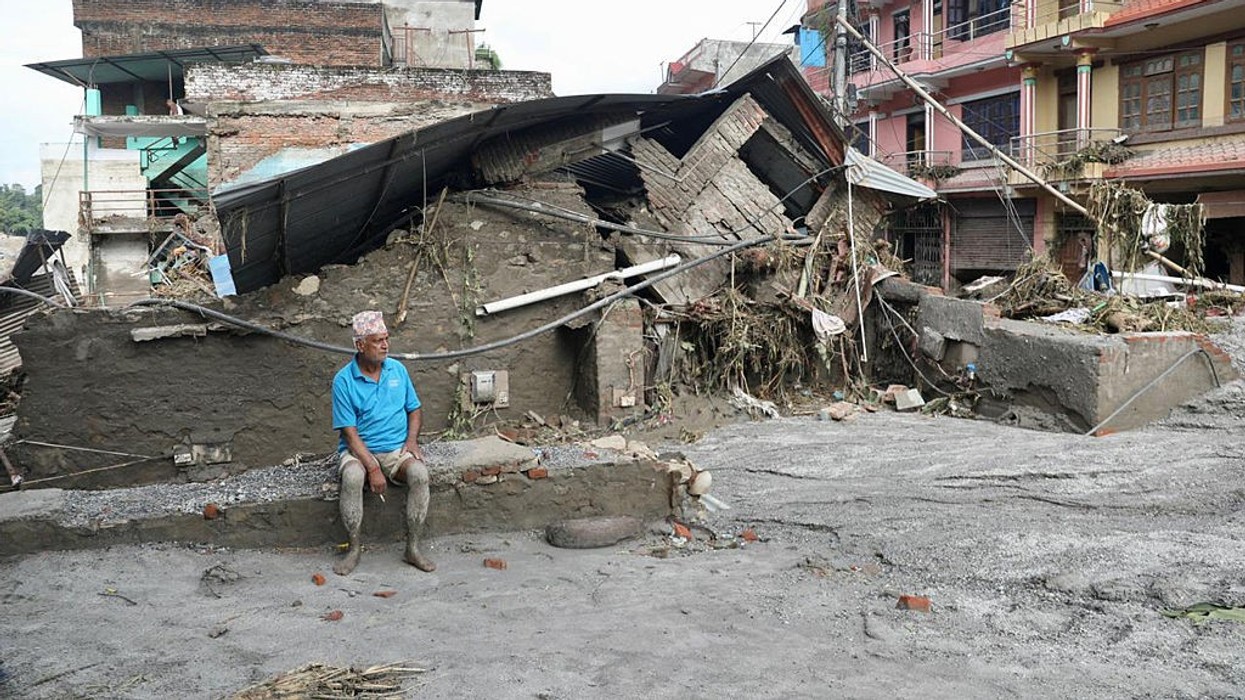
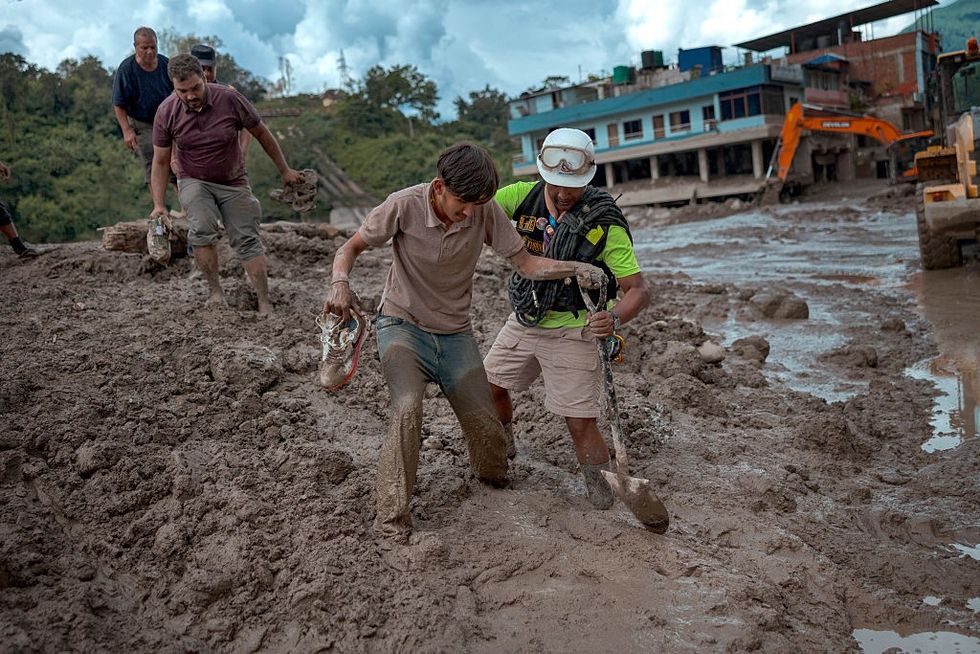 A rescuer assists a resident through heavy mud following flash floods on August 27, 2026 in Trishuli, Nepal. A sudden flood swept through the Bhote Koshi River basin in northern Rasuwa on August 26, damaging settlements, roads and energy infrastructure as rescue teams searched for residents and foreign travellers reported out of contact. Hundreds were reported missing, as the death toll started to climb.Getty Images
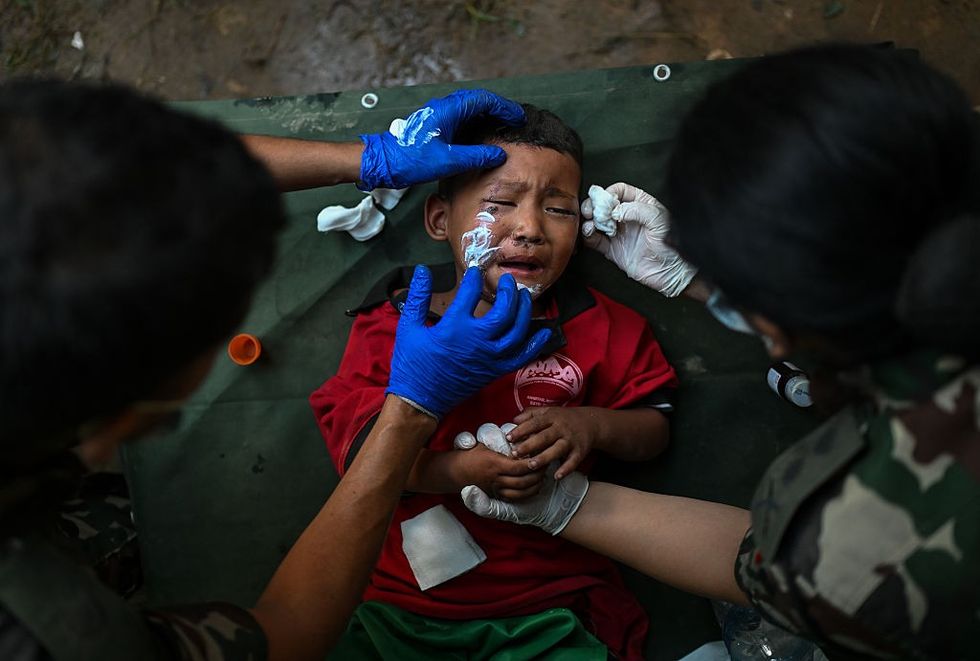 Rescue personnel provide medical treatment to a child at an army rescue camp in Trishuli Batar, Nepal, on August 27, 2026. A sudden flood swept through the Bhote Koshi River basin in northern Rasuwa on August 26, damaging settlements, roads and energy infrastructure, as rescue teams searched for residents and foreign travellers reported out of contact. Hundreds were reported missing as the death toll began to climb. Getty Ima
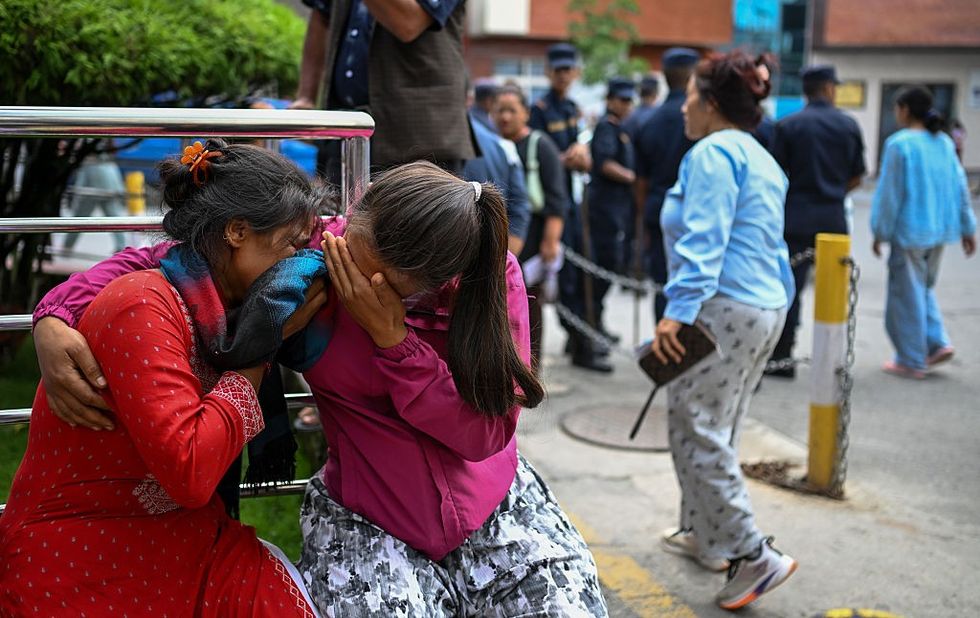 Family members of missing flood victims react at the emergency ward of the Maharajgunj Medical Campus, part of the Tribhuvan University Teaching Hospital, on August 28, 2026 in Kathmandu, Nepal. Authorities said the flash floods were triggered after a mass of ice, mud and rock collapsed into a Himalayan river near the Nepal-China border, leaving hundreds dead or missing and causing widespread damage in affected districts. Authorities continued the gruelling search for victims, many buried under metres of mud, as both China and Nepal issued fresh flooding alerts.Getty Images