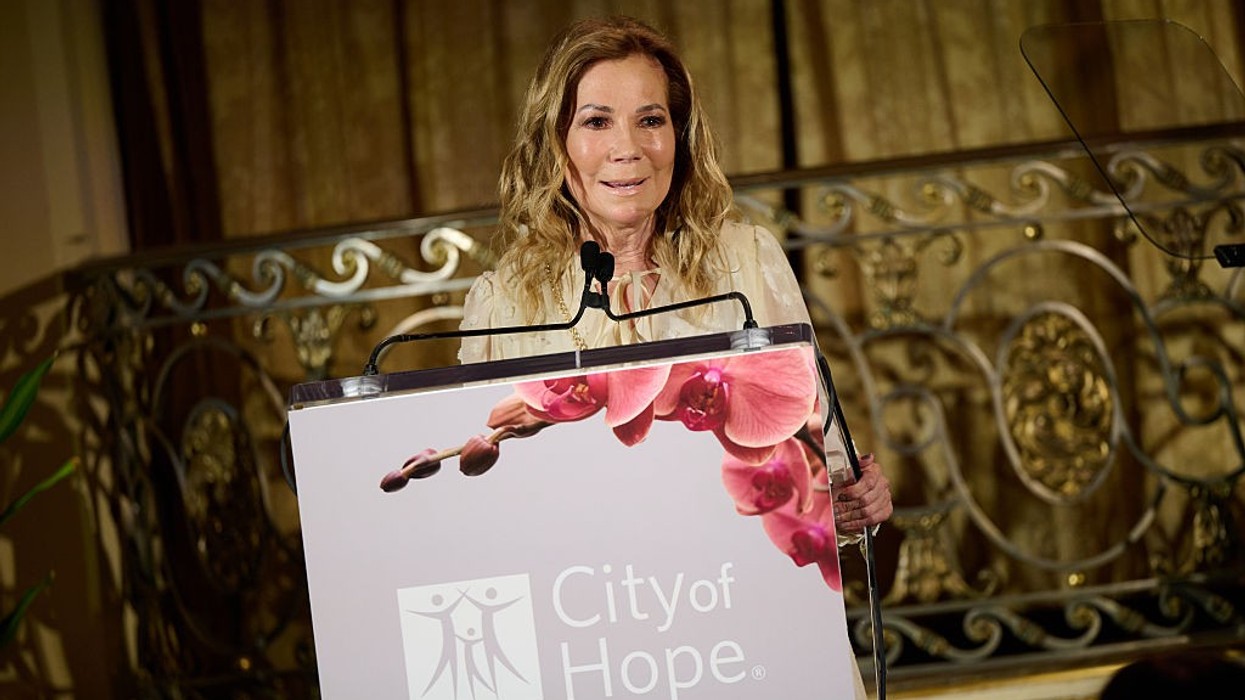

- Kathie Lee Gifford underwent a hip replacement and cataract surgery.
- She said chronic pain became so severe that she "wanted to die."
- The TV star revealed her health struggles kept her away from public life.
- Gifford said broken bones also prevented her from playing with her grandchildren.
- She reflected on decades of physical strain from her entertainment career.
Kathie Lee Gifford is sharing one of the most difficult chapters of her life. The beloved television personality, singer, and actress revealed that months of relentless physical pain left her feeling so overwhelmed that she no longer wanted to keep living through it.
In a candid interview with People, the 72-year-old opened up about a series of health problems that included a total hip replacement, cataract surgery, and complications from broken bones. Together, the conditions forced her to step away from public appearances and dramatically changed her daily life.
The veteran television host said the chronic pain was unlike anything she had ever experienced.
Reflecting on her late husband, NFL legend Frank Gifford, who died in 2015, she explained why she had avoided appearing in public while struggling with her health.
"Frank said to me before he passed, 'When I go somewhere, I know what people are expecting from me. I want to be Frank Gifford when I go out.'"
She said she felt the same way about her own public image. "I want to be Kathie Lee, the person they expect. I don't want to disappoint people. But when you're in pain, it's so debilitating, and everything's a grimace. I've had emotional pain many times in my life, but never this chronic physical pain where you literally want to go home to Jesus."
The pain became so intense that Gifford admitted she reached a heartbreaking point emotionally.
She revealed that she prayed: "Lord, if this is all you have left for me, I want to go home," adding that she "wanted to die a few times" because of the suffering.
At the same time, she made it clear that those feelings were not about taking her own life. "I wasn't going to hurt myself. I wasn't going to kill myself. I just didn't want to be here, as blessed as I am."
Gifford's health issues extended beyond surgery. She explained that broken bones and limited mobility also affected her relationship with her five grandchildren.
Instead of running, playing, or picking them up, she had to find other ways to spend time with them. "I couldn't carry them, I couldn't love on them, I couldn't run and play with them. All I could do was sit there and sing and write silly songs with them."
Looking back over her decades-long career, Gifford believes years of physically demanding performances may have contributed to the wear and tear on her body.
She specifically recalled playing Miss Hannigan in a 2006 production of Annie at New York City's Madison Square Garden. Wanting every child in the audience to enjoy the performance, she pushed herself physically during every show. "I wanted to make it big so that the little kids sitting could see it. I did pratfalls."
Despite the injuries she has endured, Gifford said she has no regrets about giving her all on stage. "When I look back on all of these years in this industry, I go, 'I can't believe I didn't fall apart years ago.'"
She added: "I've never abused [my body], I just used it."
Although the past year has been filled with surgeries, rehabilitation, and physical setbacks, Gifford described herself as resilient. She said that even during her darkest moments, she never lost her determination to keep moving forward.
Beyond discussing her health, Gifford has also attracted attention in recent weeks for comments about The View and the LGBTQ community during an interview with conservative commentator Tomi Lahren.
When asked how Christians should approach LGBTQ issues, Gifford emphasized compassion. "That one is a four-letter word, and it's called L-O-V-E, love,"
before adding that she has had gay friends throughout her life. She then commented on the LGBTQ acronym, saying: "I don't even know how many letters there are now. They've really got to stop with that. We know what you mean, you know?"
Gifford concluded by reiterating that she does not tell others how to live. "I'm not telling anybody how to live their life. I never have. I just know what Jesus said: Love your neighbor as you love yourself. Love God first."
After enduring one of the toughest periods of her life, Gifford's story is a reminder of how chronic pain can affect both the body and the mind—even for someone whose career has been built on optimism, resilience, and a smile in front of millions.













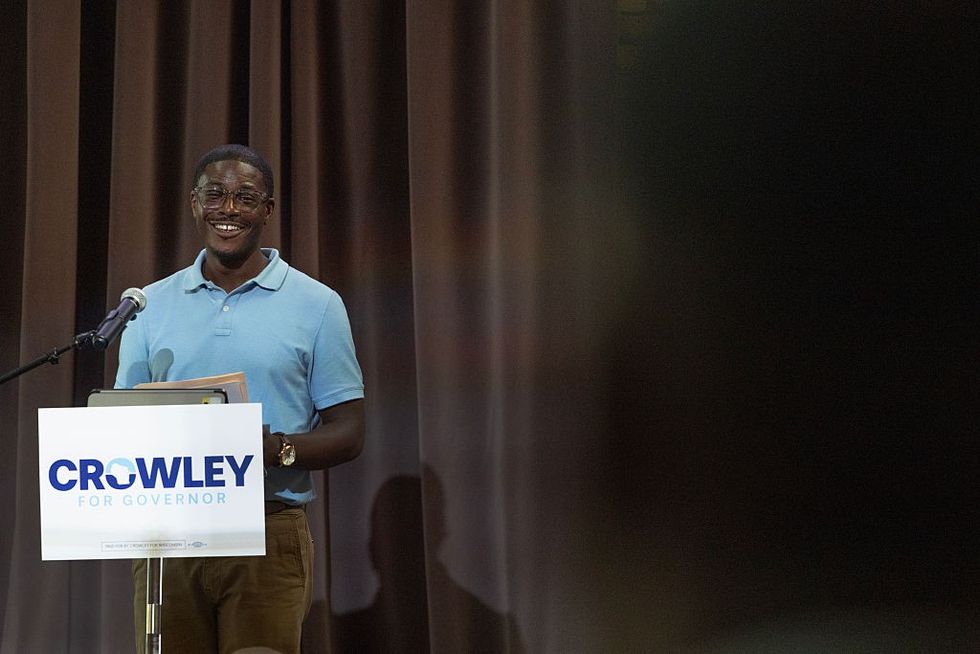 Democratic Wisconsin gubernatorial candidate David Crowley speaks to supporters at a campaign rally on August 10, 2026 in Milwaukee, Wisconsin. Crowley is polling second behind front-runner Francesca Hong in the Democratic primary, which takes place tomorrow. Getty Images
 Wisconsin Democratic gubernatorial candidate Francesca Hong speaks to supporters during an election-night party on August 11, 2026 in Madison, Wisconsin. Recent polling had Hong with a substantial lead over her nearest Democratic rival David Crowley, but returns have shown a tight race throughout the evening with the two candidates trading slight leads.Getty Images
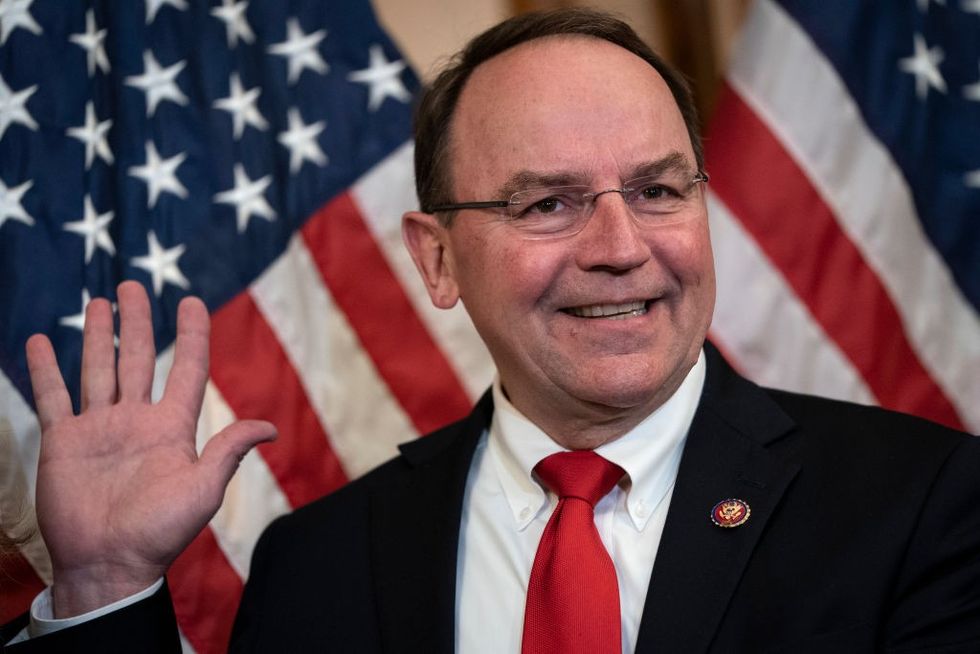 Rep. Tom Tiffany (R-WI) participates in a ceremonial swearing-in at the U.S. Capitol on May 19, 2020 in Washington, DC. Rep. Tom Tiffany (R-WI) and Rep. Mike Garcia (R-CA) were both officially sworn-in as new House members on Tuesday morning.Getty Images