
- David Crowley defeated Francesca Hong in Tuesday’s Democratic primary.
- Hong’s campaign brought Asian American representation into the spotlight.
- Trump-backed Tom Tiffany won the Republican nomination.
- Immigration is likely to be a major issue in November.
- Wisconsin’s changing electorate could make the governor’s race especially competitive.
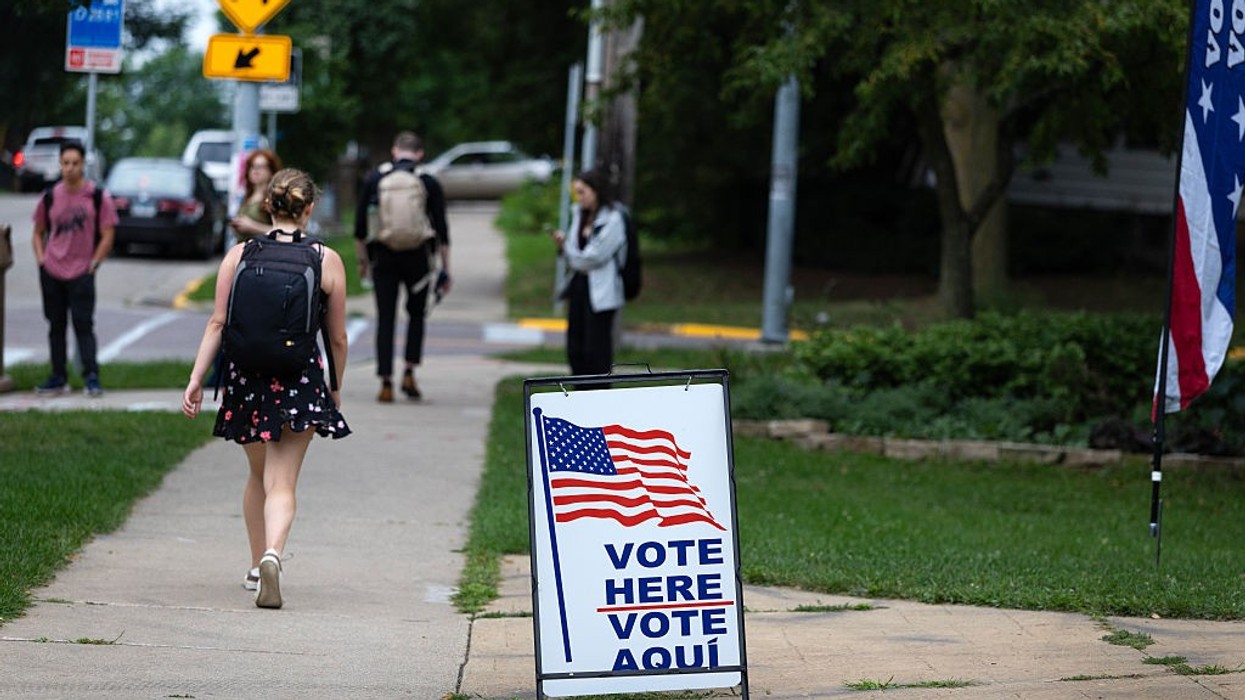
David Crowley, the Milwaukee County executive, defeated state Rep. Francesca Hong in Wisconsin’s Democratic primary for governor Tuesday, ending a closely watched contest over the party’s direction.
Hong, a 37-year-old chef and lawmaker, built a strong grassroots campaign around progressive policies including Medicare for All, universal child care and a moratorium on data centers.
Crowley offered voters a more moderate alternative. After briefly leaving the race in July, he returned with the support of outgoing Gov. Tony Evers and raised hundreds of thousands of dollars during the final stretch.
The result means Crowley will now prepare for a November campaign in a state where elections are often decided by relatively narrow margins.
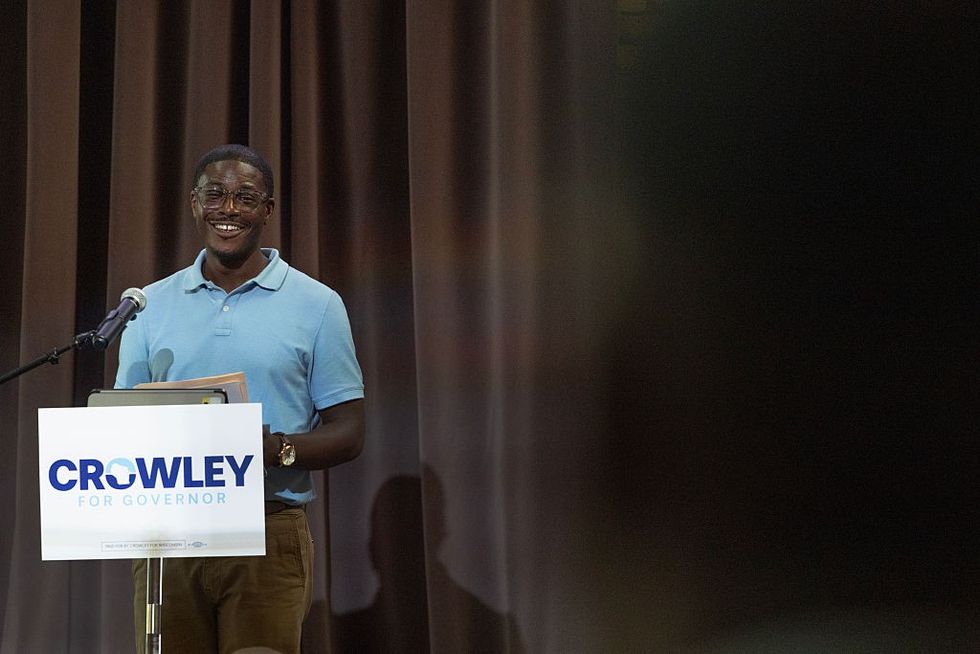 Democratic Wisconsin gubernatorial candidate David Crowley speaks to supporters at a campaign rally on August 10, 2026 in Milwaukee, Wisconsin. Crowley is polling second behind front-runner Francesca Hong in the Democratic primary, which takes place tomorrow. Getty Images
Immigration could become a defining issue
The Wisconsin contest is likely to bring immigration back into the center of the political conversation.
Wisconsin has communities with deep immigrant roots, particularly around Milwaukee, Madison and the state's growing suburban areas. Immigration policy can have an impact well beyond border enforcement, touching employment, family reunification, education, health care and the status of longtime immigrant residents.
That makes the issue relevant to a broad cross-section of Wisconsin voters, including Asian American and South Asian communities that have become increasingly visible in the state's political life.
Hong’s candidacy added another dimension to that changing electorate. She is Korean American and would have brought a distinctive Asian American perspective to the governor’s race.
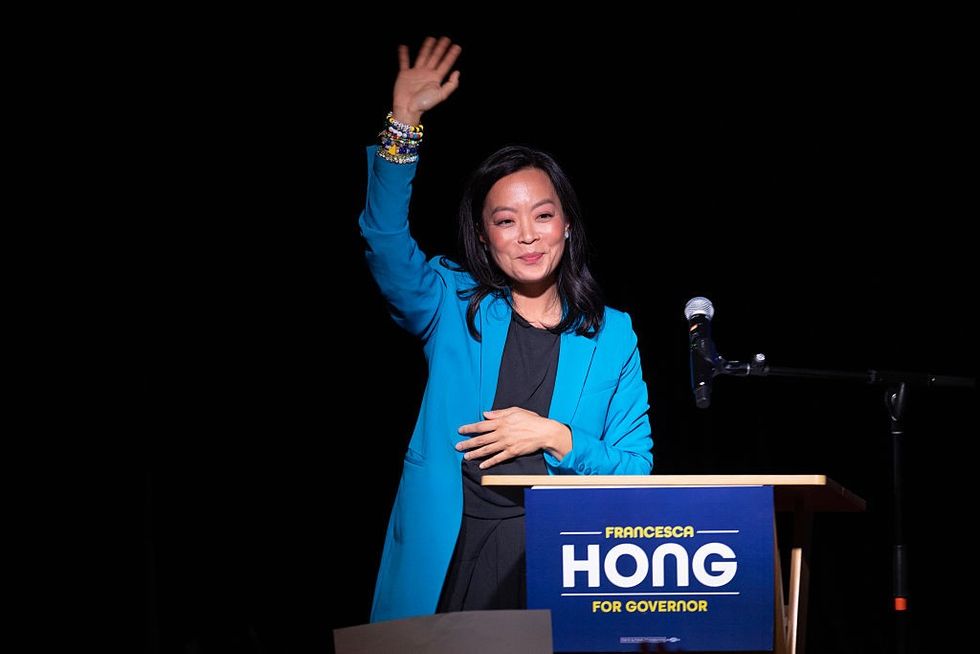 Wisconsin Democratic gubernatorial candidate Francesca Hong speaks to supporters during an election-night party on August 11, 2026 in Madison, Wisconsin. Recent polling had Hong with a substantial lead over her nearest Democratic rival David Crowley, but returns have shown a tight race throughout the evening with the two candidates trading slight leads.Getty Images
Her candidacy should not be confused with South Asian representation, however. Rep. Renuka Mayadev is the first South Asian member of the Wisconsin Legislature, marking another step in the state's evolving political landscape.
Together, these developments point to a Wisconsin electorate that looks increasingly different from the one that dominated state politics a generation ago.
Trump-backed Tiffany heads into November
Republicans will enter the general election with Rep. Tom Tiffany, who won his party's gubernatorial nomination with Trump's endorsement.
Tiffany's victory reinforces Trump's influence among Wisconsin Republicans, but November will be a different test. The general election will require candidates to appeal beyond their party's primary voters.
For Crowley, that means reaching voters who may have supported Hong as well as moderates concerned about the economy, immigration and the direction of state government.
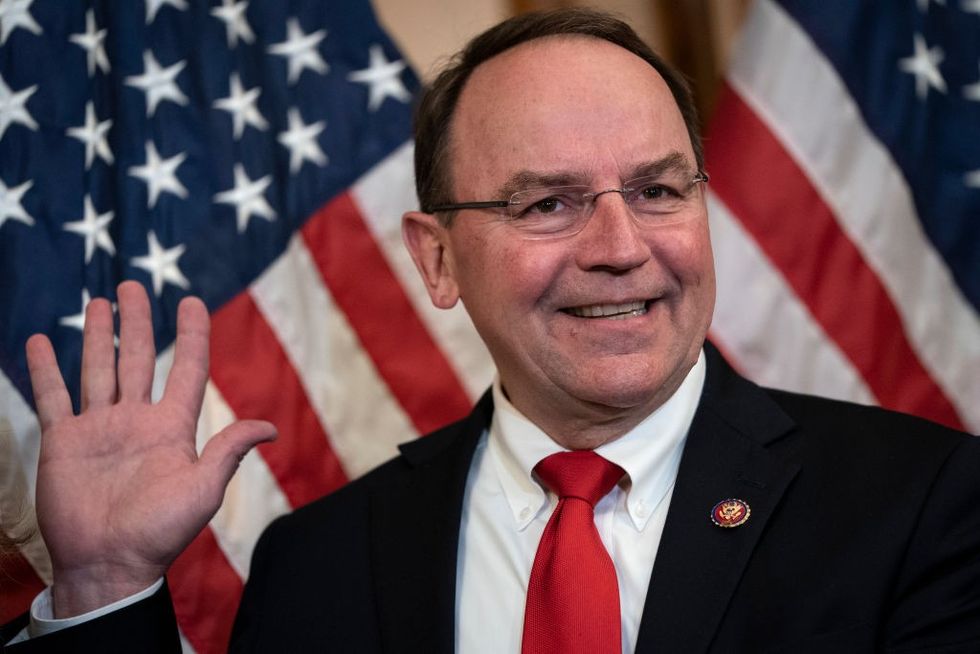 Rep. Tom Tiffany (R-WI) participates in a ceremonial swearing-in at the U.S. Capitol on May 19, 2020 in Washington, DC. Rep. Tom Tiffany (R-WI) and Rep. Mike Garcia (R-CA) were both officially sworn-in as new House members on Tuesday morning.Getty Images
For Tiffany, the challenge will be turning conservative enthusiasm into a statewide coalition.
The November election will ultimately test more than party loyalty. It will show how Wisconsin voters respond to Trump's political influence, immigration policy and a rapidly changing electorate, including communities whose voices are becoming increasingly important in the state's elections.