Highlights:
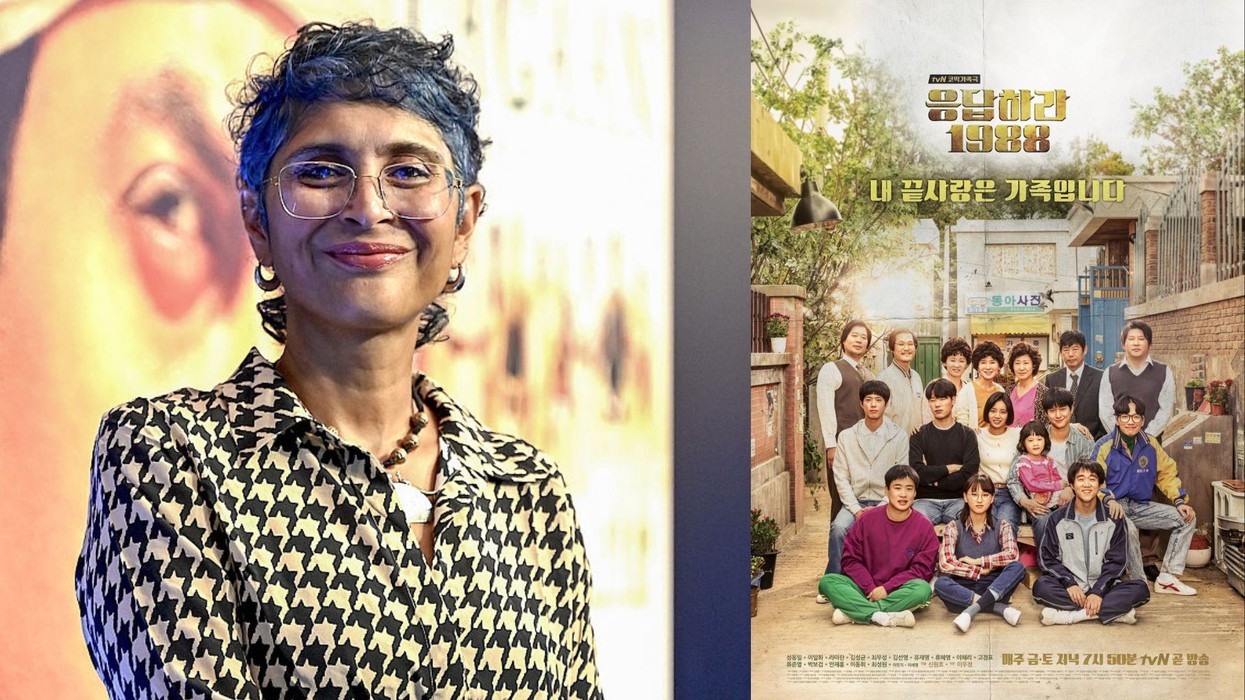
After gaining popularity in Oscar nominations for Lost Ladies (Laapataa Ladies) director Kiran Rao wants to bring the warmth of Korean drama Reply 1988 to Indian audiences, and her reason goes beyond its childhood friendships and first-love stories. The filmmaker sees a familiar world in its portrayal of parents, family relationships and the close-knit neighborhoods that shape everyday life.
Speaking on The Popcorn Hour podcast, Rao named the 2015 South Korean series as a show she would love to adapt for India. She particularly praised its older characters and the way the story treats a neighborhood as an extended family.
“Best K-drama is a show called Reply 1988. It’s a fantastic show. It’s actually set in 1988. In fact, that’s something I would love to remake," she said.
Reply 1988 - Official Promo | Korean Drama In Hindi Dubbed | Prime Video youtu.be
Why Kiran Rao sees an Indian connection
For Rao, one of the show's biggest strengths is its portrayal of parents. The mothers and fathers are not simply supporting characters in their children's lives. They have their own worries, relationships, disappointments and dreams, giving the series an emotional depth that extends beyond teenage romance.
“The genuine jewel of this show is the older women, the mothers, and the fathers. They are just so good. It’s set in a para, as they call it, a neighbourhood in Seoul in 1988. In fact, in Kolkata also you call it para only," she added.
Her comparison with Kolkata's para offers a natural starting point for an Indian adaptation. In many Indian neighborhoods, particularly in cities with strong community traditions, everyday life extends beyond individual households. Neighbors share food, look out for one another and become part of each other's family celebrations and difficult moments.
That sense of belonging is central to Reply 1988. An Indian version could explore similar bonds through local customs, family expectations and the relationships between generations while retaining the emotional core that made the Korean original so popular.
Rao has expressed a desire to remake the series, but no confirmed production details or casting announcements are included in her remarks.
What is Reply 1988 about?
Directed by Shin Won Ho and written by Lee Woo Jung, Reply 1988 is a 20-episode slice-of-life drama set in Seoul's Ssangmun-dong neighborhood. The story begins in 1988, around the time of the Seoul Olympics, and follows five families living along the same alley.
Their children, Sung Deok Sun, Sung Bo Ra, Kim Jung Hwan, Choi Taek, Sung Sun Woo and Dong Ryong — grow up together, navigating school, friendship, family expectations and first love. The narrative moves between 1988 and 1995, with glimpses of the characters as adults adding another layer to their stories.
A central mystery also keeps viewers guessing: who does Deok Sun eventually marry?
But romance is only one part of the series. The parents have their own friendships, marital troubles and financial concerns. Their hopes and disappointments often bring as much humor and heartbreak as the experiences of their children.
Food is shared, doors are left open, and neighbors step in when someone needs help. The result is a story about growing up, but also about the people who make a place feel like home.
- YouTube youtu.be
How Reply 1988 became a Korean television favorite
When Reply 1988 premiered on South Korean cable network tvN in 2015, it became a major success. Its finale recorded a 19.6% viewership rating, making it the highest-rated cable program in South Korea at the time.
The drama's appeal also lies in its nostalgic recreation of late-1980s South Korea, from its fashion to everyday objects such as Walkmans and Air Jordans. For viewers, the period setting complements the show's larger themes of friendship, family and growing up.
In December 2025, tvN marked the series' 10th anniversary with a special featuring members of the original cast, giving fans another opportunity to revisit its characters and memories.
Could the story find a home in India?
Reply 1988 is the third installment in the Reply franchise, following Reply 1997 and Reply 1994. All three series use stories that move between the past and present, explore relationships and include a mystery surrounding the female lead's future husband.
An Indian adaptation would have to find its own setting and voice rather than simply reproduce the Korean series. Its strongest bridge may be the very detail Rao highlighted: the para, where families know one another and neighbors become part of daily life.
Rao last directed Laapataa Ladies, released in 2024, which followed two newly married women accidentally exchanged during a train journey. If her Reply 1988 idea moves forward, the challenge will be to preserve the original's tenderness while finding the Indian experiences that make its story feel equally personal.



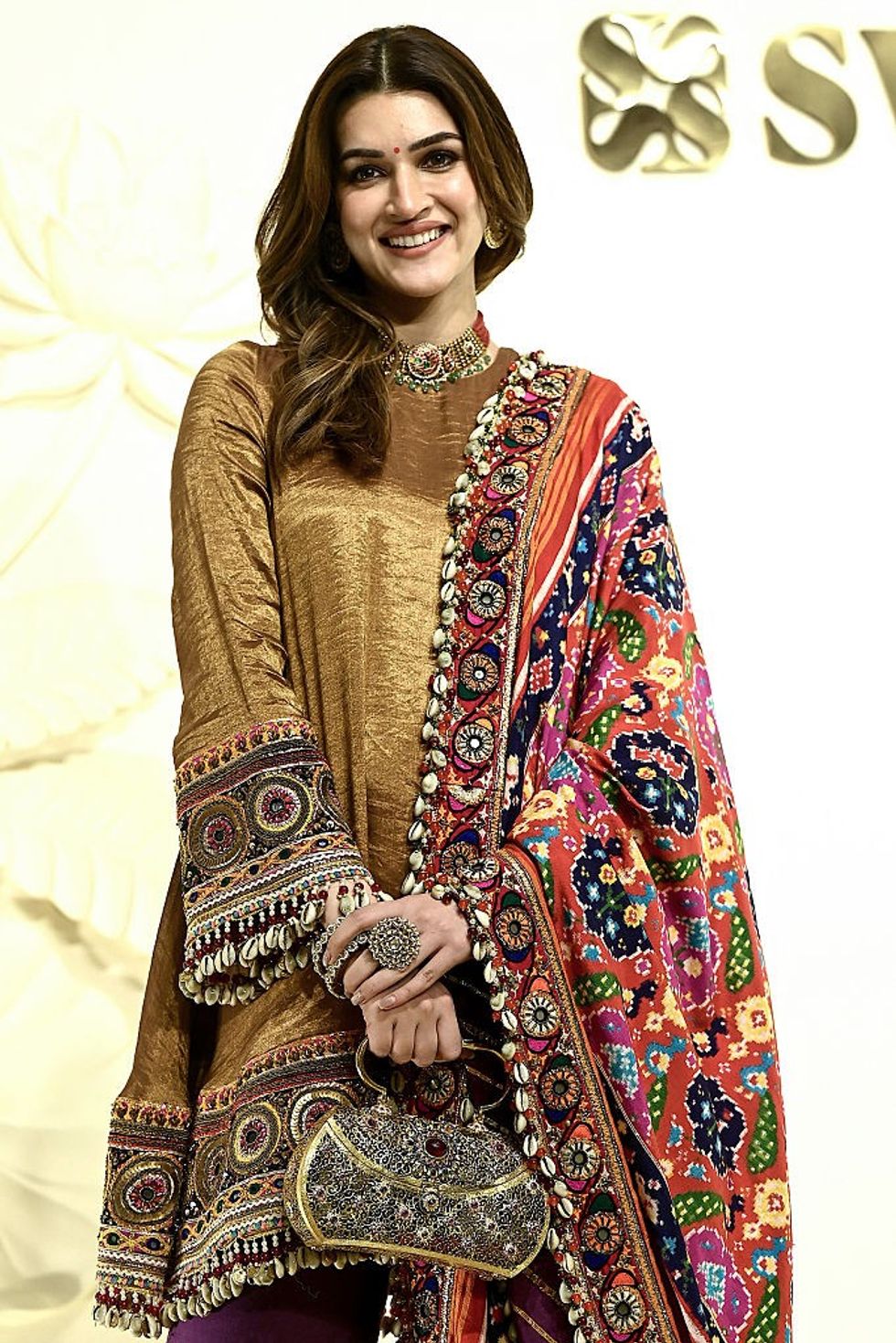 Bollywood actress Kriti Sanon attends a Reliance Foundation event celebrating one year of their flagship retail gallery and museum Swadesh at the UNESCO-designated Art Deco theatre Eros Cinema in Mumbai on October 10, 2026.Getty Images
 Bollywood actress Aditi Rao Hydari attends a Reliance Foundation event celebrating one year of their flagship retail gallery and museum Swadesh at the UNESCO-designated Art Deco theatre Eros Cinema in Mumbai on October 10, 2026. Getty Images
 Bollywood actress Rashmika Mandanna attends a Reliance Foundation event celebrating one year of their flagship retail gallery and museum Swadesh at the UNESCO-designated Art Deco theatre Eros Cinema in Mumbai on October 10, 2026. (Getty Images



 Indian actress Hema Malini poses during a portrait session on Day 2 of the 2007 Bangkok International Film Festival, July 20, 2007 at SF World Cinema,CentralWorld in Bangkok, Thailand.Getty Images