AN EDUCATION and physical activity programme targeted towards people suffering with type 2 diabetes among south Asians in Leicester has proved to have a “lasting impact” on long-term health of participants.
Since the development of the 12-week Healthy Goals programme in 2018, the evidence-based lifestyle initiative has helped 84 individuals to introduce physical activity into their daily routines.
Data from the Centre for Ethnic Health Research showed that nearly 90 per cent of participants who completed the Healthy Goals programme reported being more physically active after the completion of the course and 68 per cent lost weight.
The figures also revealed that 87 per cent of participants reported sitting much less than at the start of the programme, while 50 per cent of those who have completed the course have seen a reduction in the size of their waist.
Following the completion of the course, one participant said: “I have become more aware and alert to my cooking style, including the amount of oil and ghee I use. I now opt for more fresh vegetables in my cooking.”
Another added, “I want to be healthier for me and my family, so I take more time in order to ensure that I make the right decisions.”
The Centre for Ethnic Health Research and the Leicester Diabetes Centre (LDC) worked with Cities Changing Diabetes, Leicester City in the Community (LCitC) to deliver “Healthy Goals”.
“The latest research is a testament to the profound impact of Healthy Goals on the wellbeing of our participants,” said Sunny Rohit, community engagement officer at the Centre for Ethnic Health Research.
“Witnessing 100 per cent adoption of healthier diets post-programme is not just a statistic, it is a reflection of our commitment to cultivating lasting change.”
He added: “Healthy Goals goes beyond the conventional. It’s a platform for active discussions and physical activity sessions that resonate with Leicester’s south Asian communities.”
There is evidence to suggest that south Asians are at an increased risk of developing type 2 diabetes and that they typically do not engage with traditional health promotion programmes locally as they are not culturally appropriate or not relevant to them.
The Centre for Ethnic Health Research aims to reduce ethnic health inequalities by supporting individuals and organisations to involve and understand the needs of diverse and under-served communities when planning and undertaking research and healthcare delivery.
Professor Kamlesh Khunti, co-director of LDC and director of the Centre for Ethnic Health Research, said: “These outcomes speak volumes about the programme’s efficacy in promoting holistic health changes among participants.
“The risk of type 2 diabetes is a looming concern for south Asian communities, and addressing it requires innovative and culturally sensitive approaches. Physical activity is a cornerstone of diabetes prevention, and tailored programmes such as Healthy Goals are vital.”













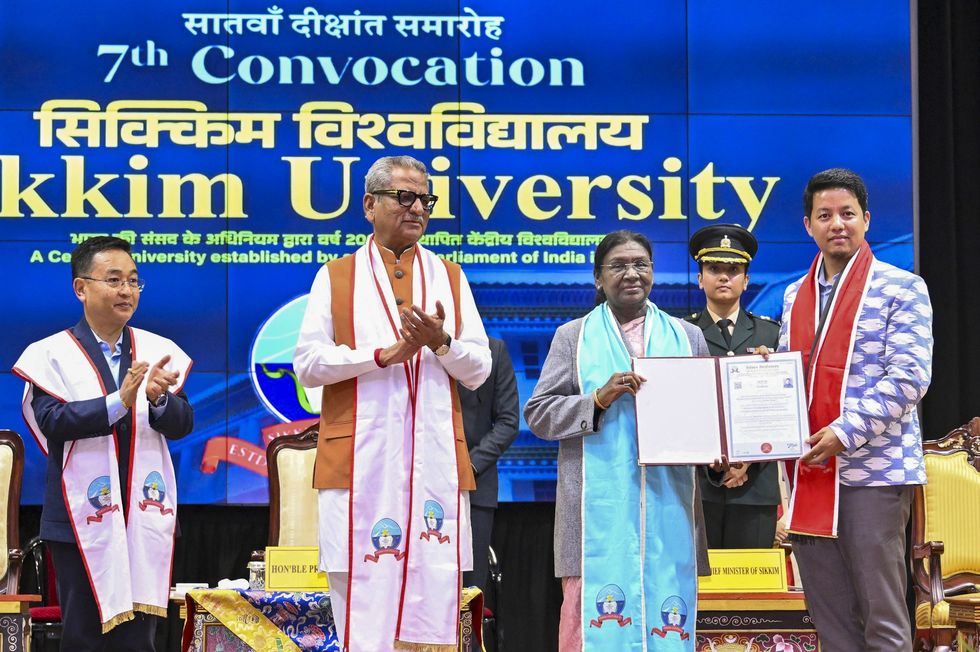 In this image received on May 27, 2026, President Droupadi Murmu during the seventh convocation ceremony of Sikkim University, in Gangtok, Sikkim. Sikkim Chief Minister Prem Singh Tamang is also seen.PTI
 Tibetan Buddhist monks with traditional masks during annual religious ceremony in Rumtek Monastery (Kagyu order) near Gangtok, people watching; North East India.iStock