
Highlights:
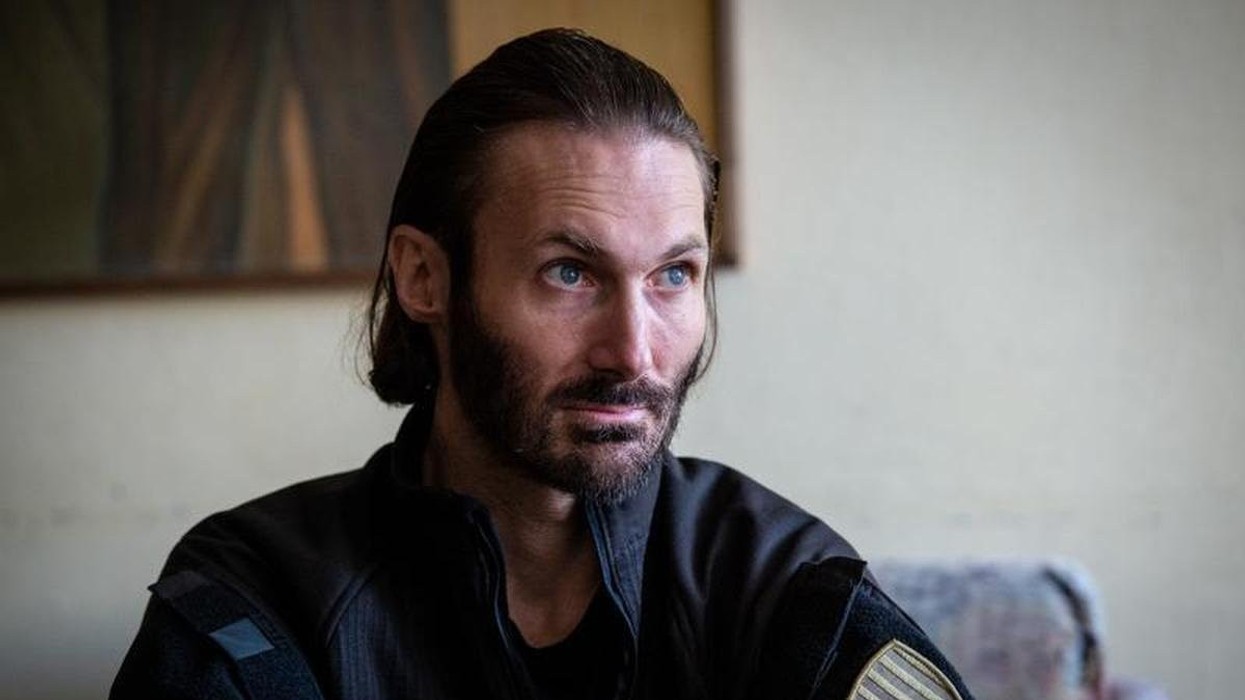
- American national Matthew VanDyke was arrested at Kolkata airport on March 13, 2026.
- The NIA alleges that he and six Ukrainians traveled through Mizoram to Myanmar to train ethnic armed groups in weapons handling and drone warfare.
- VanDyke received default bail in September after the NIA did not file the relevant UAPA charges within the prescribed period.
- A Delhi court has allowed him to return to the US after attending a hearing in India.
- The six Ukrainian nationals have permission to remain abroad until February 24, 2027.
- The NIA says its investigation into the alleged terror-related aspects is continuing.
* The case has prompted Congress leaders to question whether US pressure influenced its handling.An American national accused of providing weapons and drone-warfare training to ethnic armed groups in Myanmar has received permission from a Delhi court to return to the United States after traveling back to India for a hearing. The Rouse Avenue court has also extended permission for six Ukrainian nationals connected to the case to remain outside India until February 24, 2027, according to news agency ANI.
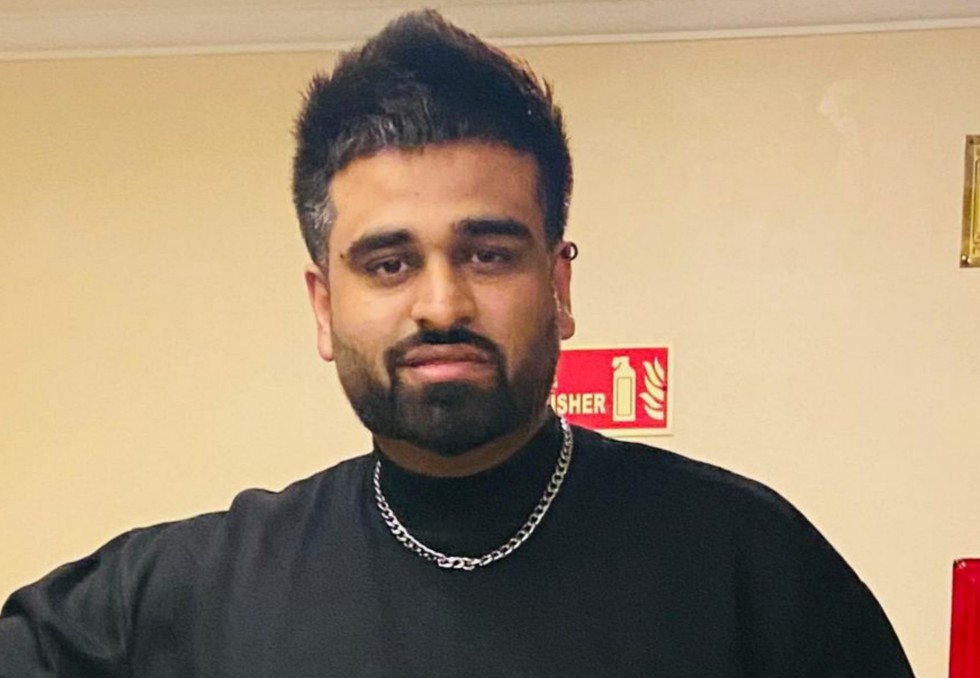
Matthew Aaron VanDyke, who was released from Pune's jail in September after securing default bail, is facing an investigation by India's National Investigation Agency (NIA) over allegations involving cross-border travel and military training in Myanmar. The case has attracted political attention, with the Indian opposition political party Congress questioning whether US pressure influenced the handling of the investigation.
His case has attracted attention because it involves foreign nationals allegedly entering India's northeastern region without the required permits before crossing into Myanmar. It has also raised questions about India's immigration enforcement, counterterrorism investigation and diplomatic engagement with the United States.
VanDyke denies no specific allegations in the information provided, and the charges against him should be understood as allegations rather than established facts.
Why was VanDyke arrested in India?
The NIA arrested VanDyke at Kolkata airport on March 13, 2026. The six Ukrainian nationals were detained at airports in Delhi and Lucknow. According to the agency's allegations, the group traveled to Mizoram without the required permits and subsequently crossed into Myanmar, where they allegedly provided training in weapons handling and drone warfare to ethnic armed groups.
The investigation also examined allegations that the group was involved in a drone attack on a civilian aircraft in Myanmar. The specific incident under investigation was not immediately clear from the available report.
The case initially involved provisions of India's Unlawful Activities (Prevention) Act (UAPA) and the Bharatiya Nyaya Sanhita (BNS). The allegations placed VanDyke and the Ukrainian nationals under scrutiny for their purported activities in Myanmar and their alleged violations of Indian entry and travel regulations.
Why was he released from Pune's Tihar Jail?
VanDyke was released from Tihar Jail on September 24 after receiving default bail. The Rouse Avenue court had granted him bail on September 18 against a personal bond of $1,053 and a surety of the same amount.
Default bail is a form of statutory relief that may become available when investigators fail to file a chargesheet within the legally prescribed period, subject to the applicable legal requirements.
In VanDyke's case, the NIA had not filed a chargesheet invoking the relevant UAPA offences within the prescribed period. Its chargesheet, filed on September 8, instead invoked provisions of the Immigration and Foreigners Act, 2025, concerning the entry and stay of foreign nationals in India.
The agency maintained that its investigation into the alleged terror-related aspects of the case was continuing and that it could file a supplementary chargesheet if further evidence emerged.
After his release, VanDyke was directed to remain in Delhi and appear before the NIA whenever summoned for questioning. He subsequently sought permission to travel to the United States to meet his family.
What has the Delhi court decided now?
The Rouse Avenue court has now allowed VanDyke to travel to the United States again after he returned to India to attend a court hearing.
The court also extended permission for the six Ukrainian nationals to remain outside India until the next hearing, scheduled for February 24, 2027, according to news agency ANI. VanDyke had previously received permission to travel abroad for a month. The latest order allows him to return to the US, while the Ukrainian nationals can remain in their respective countries until the next hearing.
The ruling concerns permission to travel and does not, by itself, resolve the allegations under investigation.
Why has the case become politically controversial?
The case has triggered criticism from the India's opposition party, who questioned whether the handling of the investigation was influenced by pressure from Washington.
Opposition leader Jairam Ramesh questioned whether the NIA's decision not to include Unlawful Activities (Prevention) Act, 1967 (UAPA) charges in its chargesheet followed a proper investigation or was influenced by US authorities. He also asked what India might have received in return.
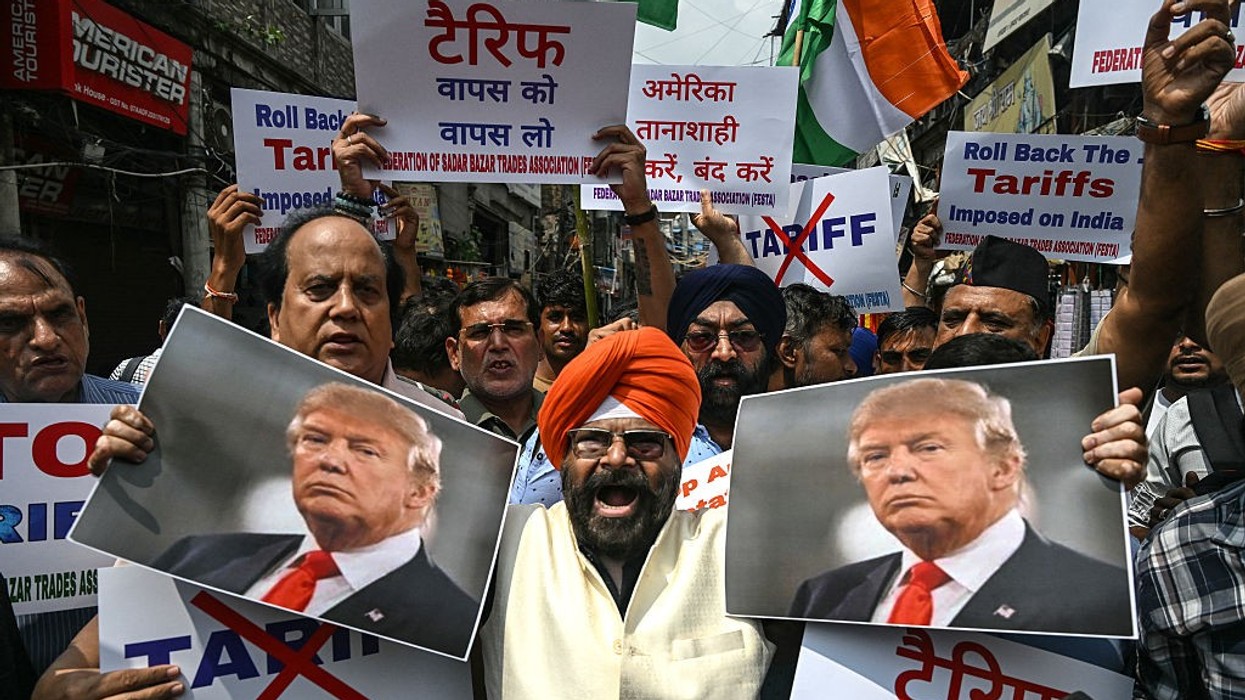
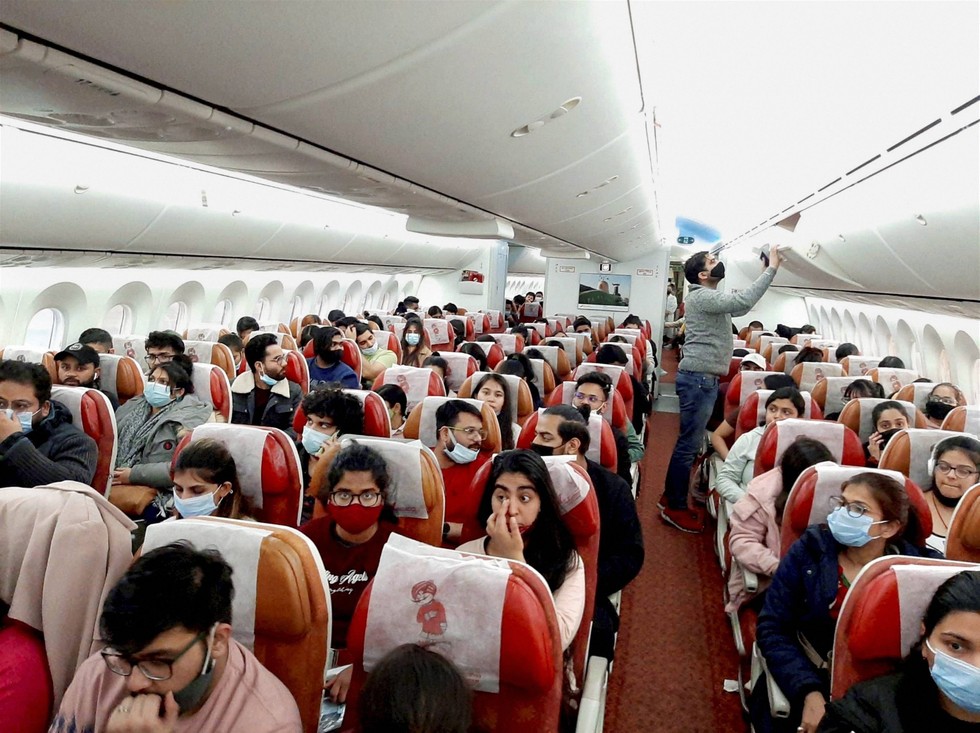
Opposition party leader Pawan Khera separately criticized the government's handling of VanDyke's travel permission, comparing it with the treatment of Indian nationals deported from the United States.
These are political allegations, not established findings that US pressure determined the court's decision or the course of the investigation.
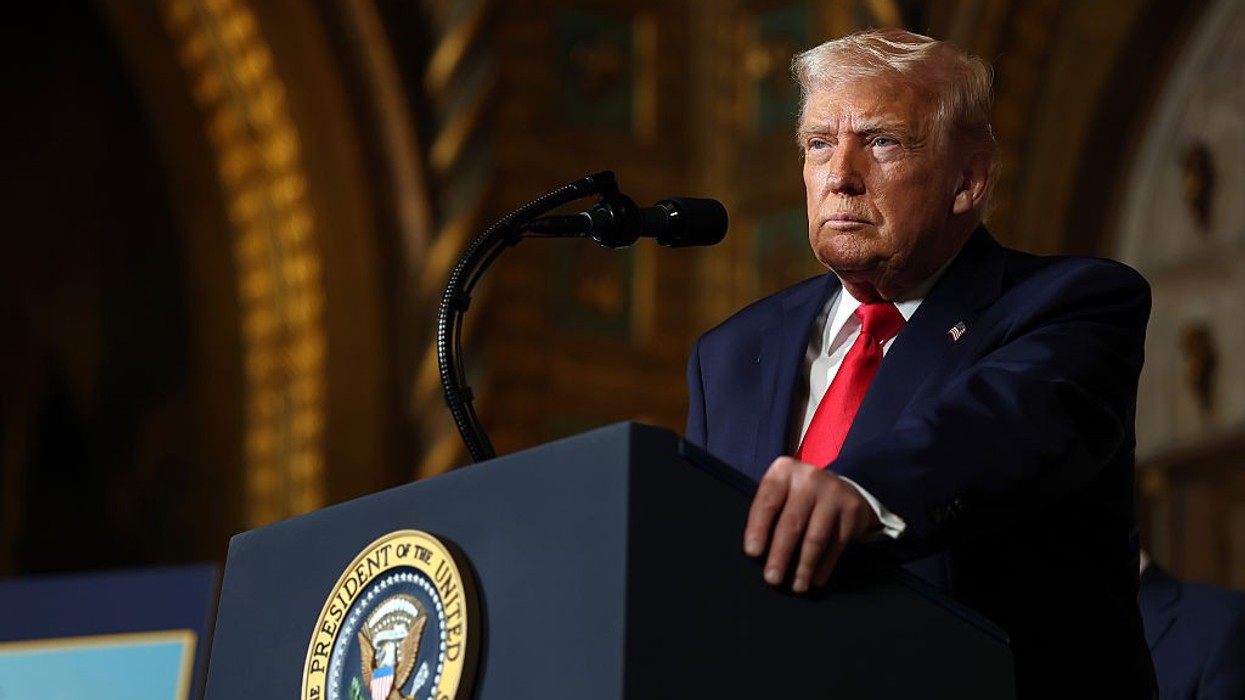
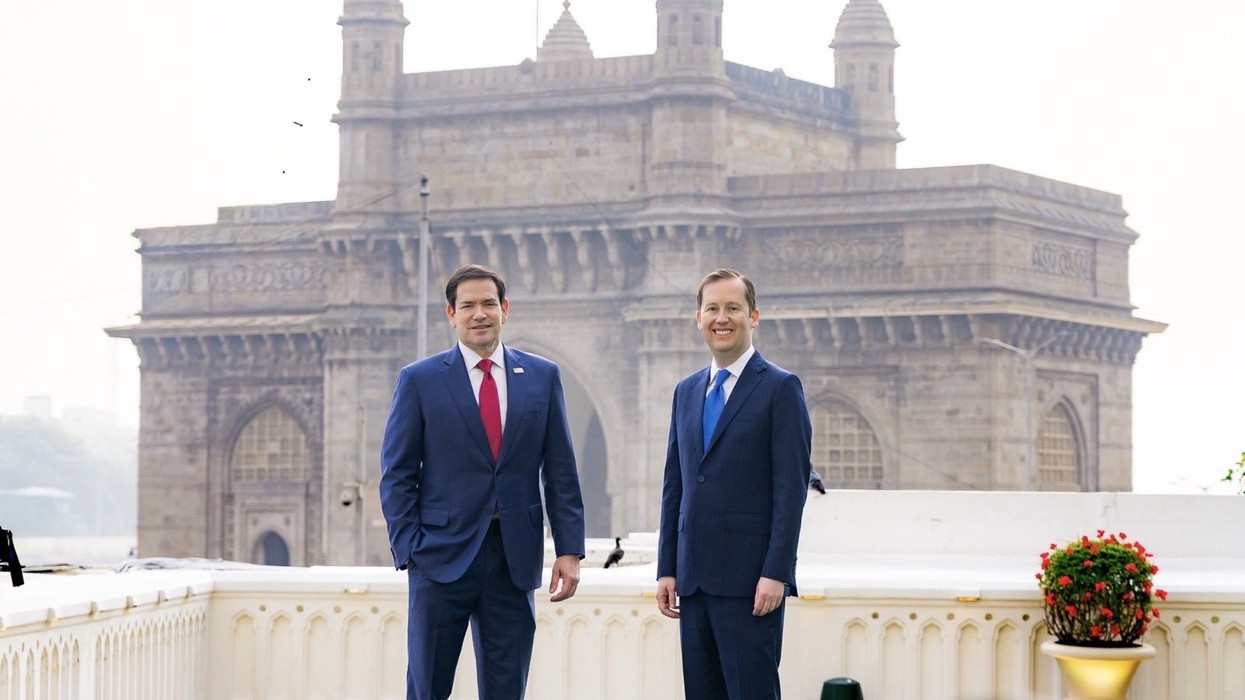
VanDyke's detention had also drawn attention in the United States, where his family appealed to the president Donald Trump administration to intervene. The officials had raised the matter with Indian authorities through consular engagement.
For now, the case remains significant because it brings together alleged cross-border military training, immigration violations, India's security concerns in northeastern India, and questions about diplomatic relations. The NIA's continuing investigation will determine whether additional charges are brought against VanDyke and the other individuals involved.