

WITH campaigning for the seventh and final phase of India's 2024 general elections coming to an end on Thursday (30), prime minister Narendra Modi arrived in Kanyakumari, the southernmost tip of mainland India in the state of Tamil Nadu, to embark on a 45-hour meditation trip till June 1.
The leader chose Vivekananda Rock Memorial, where famous Hindu monk Swami Vivekananda had meditated once, as the venue this time.
Modi's spiritual sojourn comes days before the announcement of the results of the elections on June 4.
He had made a similar trip to the Hindu shrine of Kedarnath in the Himalayan state of Uttarakhand during the previous general elections of 2019 and meditated at a cave before the final phase of the polls.
Upon reaching Kaniyakumari, which is located at the tip of the Indian peninsula where three sea bodies -- Indian Ocean, Bay of Bengal and Arabian Sea converge -- Modi first offered prayers at the Bhagavathy Amman Temple. His meditation was set to begin from Thursday evening to the evening of Saturday (1) at Dhyan Mandapam, the place where Swami Vivekananda is believed to have had a divine vision about 'Bharat Mata' (Mother India).
Saturday will also see India going to its final phase of the marathon election which kicked off on April 19.
Modi is seeking this third successive term in office, something which India's first prime minister Jawaharlal Nehru has accomplished till date in the country's 77-year independence.
Security was beefed up ahead of the PM's visit with 2,000 police personnel deployed at the area. The Indian Coast Guard and Indian Navy would also maintain a tight vigil during Modi's meditation.
The beach area (Vivekananda Rock Memorial is a mid-sea point and is a popular tourism destination) where Modi is will also be out of bounds for tourists from Thursday to Saturday and private boats will not be allowed to ferry, Press Trust of India reported.
The opposition parties have criticised the meditation plan saying it was a breach of the model code of conduct which is in force till the election gets over. Among the parties that opposed Modi's schedule and also approached the Election Commission are the Indian National Congress and its election ally in Tamil Nadu, Dravida Munnetra Kazhagam, which is also the southern state's ruling party.
The opposition have urged the commission to ensure that Modi's meditation trip to Kaniyakumar is not aired by the media.
According to the opponent parties, the Indian PM's act will break the 48-hour 'silence period' between the final phase of the general election on June 1. Campaigning for elections in India concludes 48 hours ahead of the day of the election.
Congress leader Abhishek Manu Singhvi, after a meeting between his party's delegation with commission officials, said, “…You are either campaigning this way or publicising yourself through new channels and print media,” the Hindustan Times reported.
Fifty-seven seats in seven states and Union Territories of India will go to polls in the final phase of the election.
Since the announcement of the general election schedule on March 16, Modi has taken part in 206 public outreach programmes, including rallies and roadshows, PTI reported. During the 2019 polls, he had attended around 145 public rallies.
(With PTI inputs)
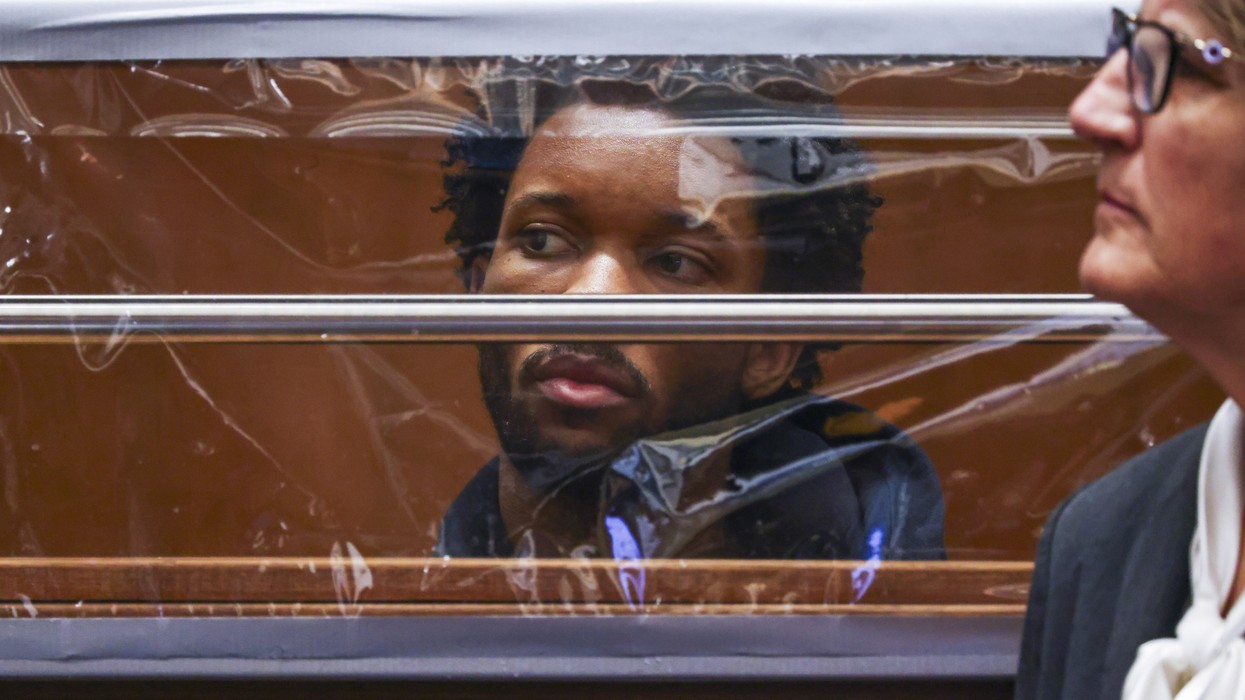
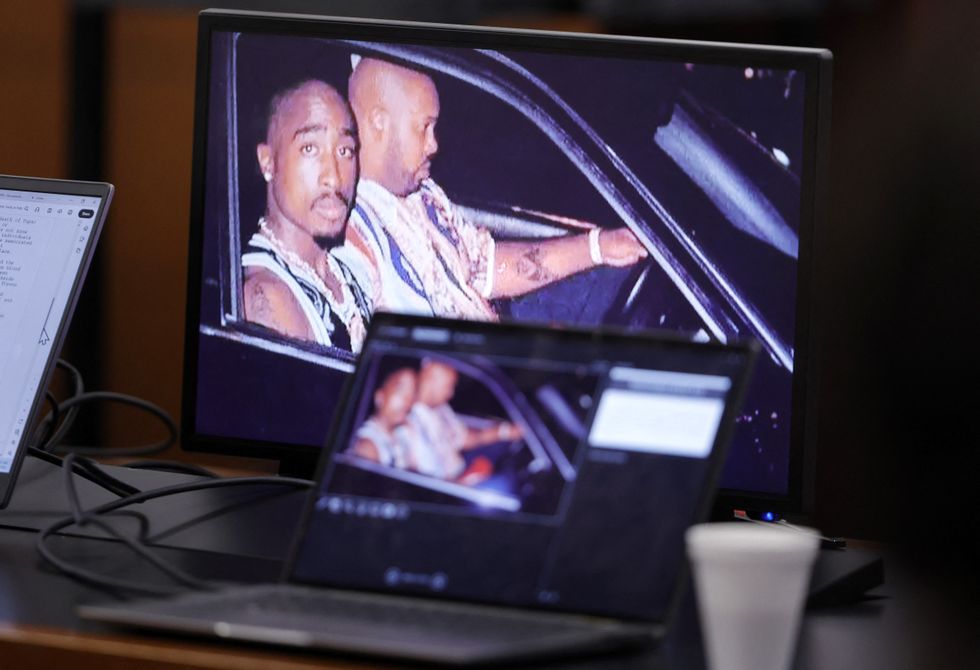 A 1996 photo of rapper Tupac Shakur (L) and Marion "Suge" Knight is shown on screens during closing arguments in the Duane Davis murder trial, related to the 1996 killing of rapper Tupac Shakur, at Clark County District Court at the Regional Justice Center in Las Vegas, Nevada, on August 31, 2026. Getty Images



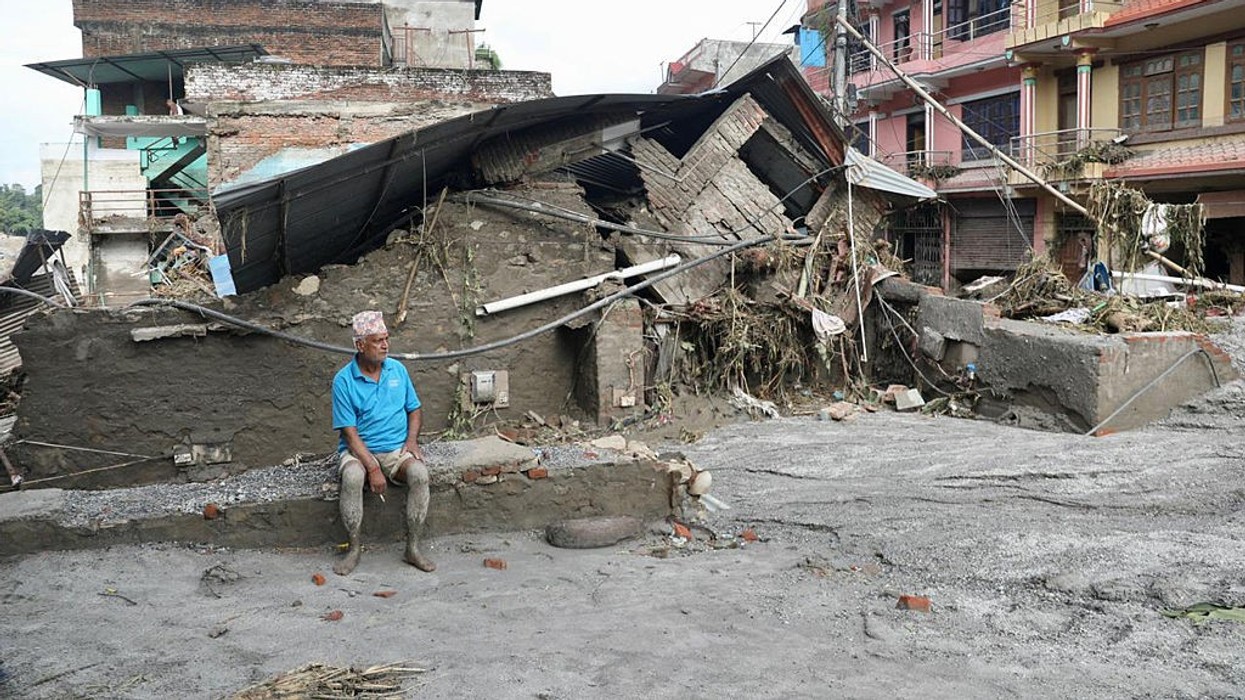
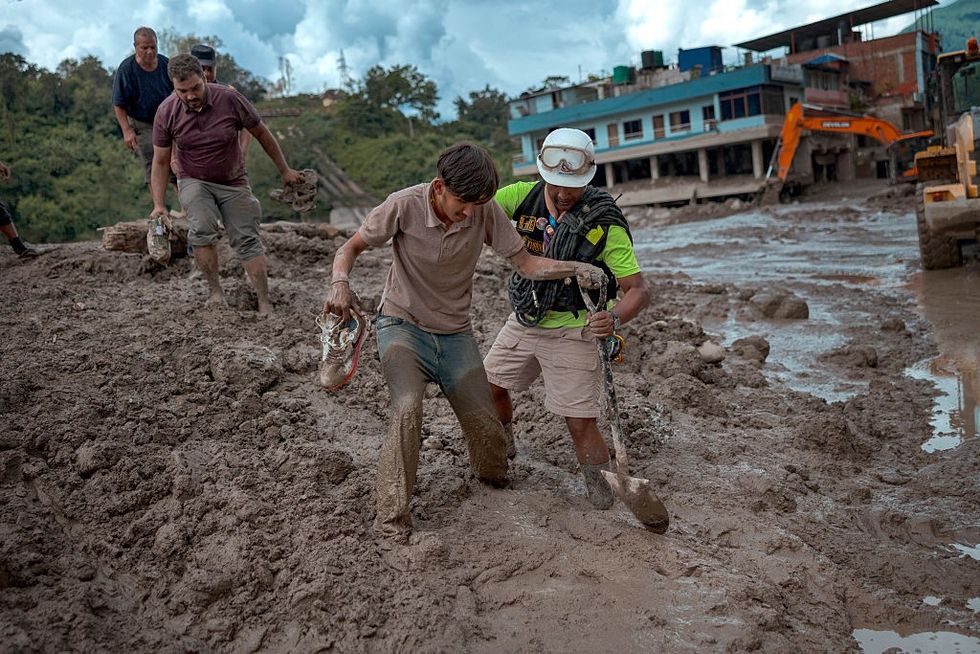 A rescuer assists a resident through heavy mud following flash floods on August 27, 2026 in Trishuli, Nepal. A sudden flood swept through the Bhote Koshi River basin in northern Rasuwa on August 26, damaging settlements, roads and energy infrastructure as rescue teams searched for residents and foreign travellers reported out of contact. Hundreds were reported missing, as the death toll started to climb.Getty Images
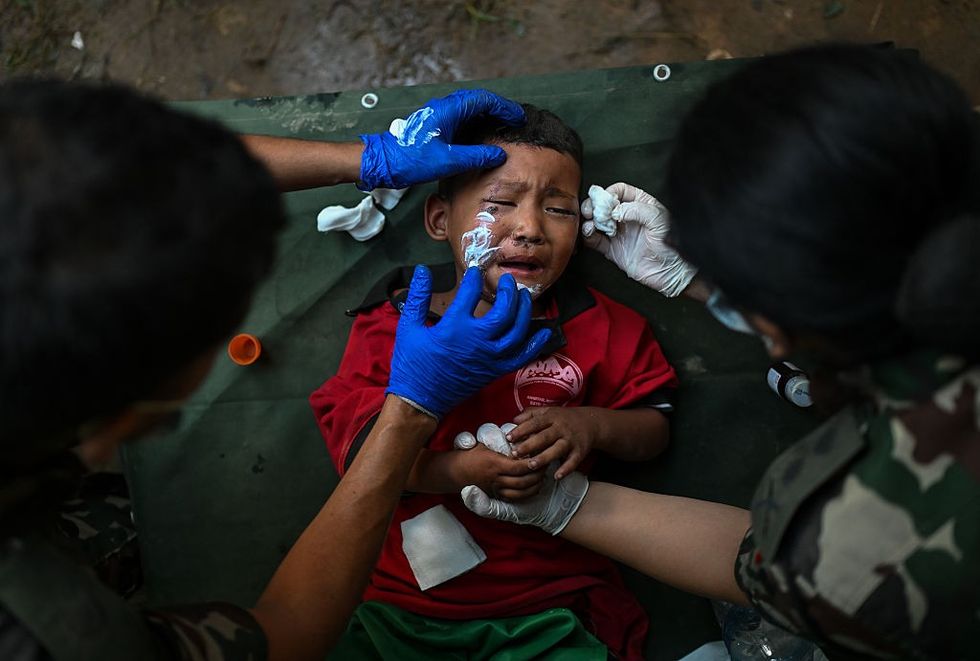 Rescue personnel provide medical treatment to a child at an army rescue camp in Trishuli Batar, Nepal, on August 27, 2026. A sudden flood swept through the Bhote Koshi River basin in northern Rasuwa on August 26, damaging settlements, roads and energy infrastructure, as rescue teams searched for residents and foreign travellers reported out of contact. Hundreds were reported missing as the death toll began to climb. Getty Ima
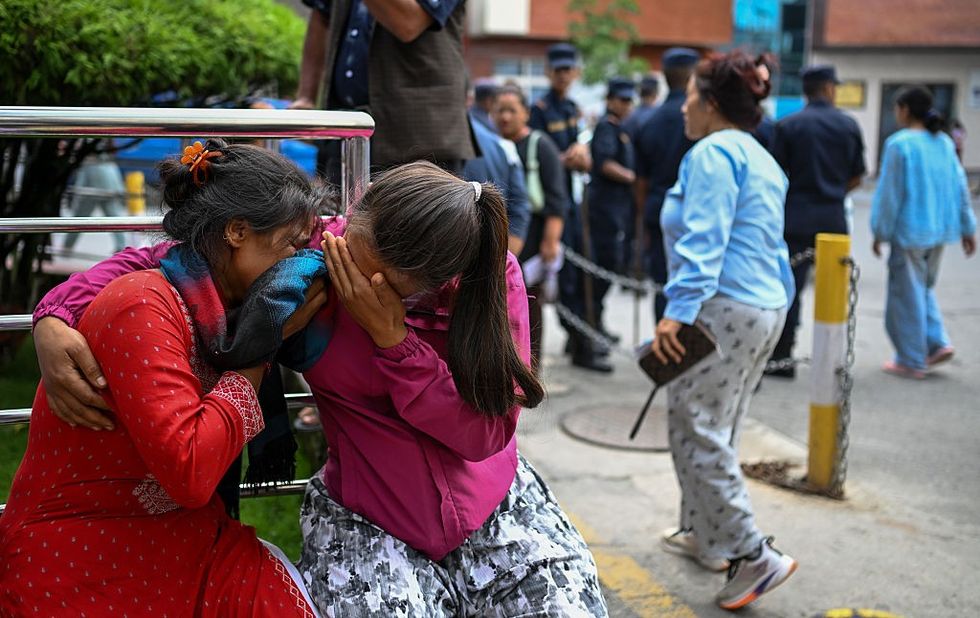 Family members of missing flood victims react at the emergency ward of the Maharajgunj Medical Campus, part of the Tribhuvan University Teaching Hospital, on August 28, 2026 in Kathmandu, Nepal. Authorities said the flash floods were triggered after a mass of ice, mud and rock collapsed into a Himalayan river near the Nepal-China border, leaving hundreds dead or missing and causing widespread damage in affected districts. Authorities continued the gruelling search for victims, many buried under metres of mud, as both China and Nepal issued fresh flooding alerts.Getty Images