
Highlights
- India refused to rush into a lopsided trade deal despite punishing US tariffs.
- Modi avoided public confrontation, denying Trump the spectacle he thrives on.
- Europe discovered that trade agreements don’t protect allies from Trump’s tariffs.
- India kept strategic options open with Russia, China, and new trade partners.
- New Delhi controlled the narrative, limiting Trump’s ability to misrepresent talks.
When Donald Trump turns his anger on a country, friendship counts for little. Europe has learned this the hard way. Despite trade deals, diplomatic warmth, and public flattery, key US allies have found themselves exposed to tariffs, threats, and even public embarrassment. India, by contrast, saw the danger coming and sidestepped it.
Recent weeks have underscored Trump’s approach to diplomacy: aggressive, transactional, and deeply personal. French President Emmanuel Macron and NATO chief Mark Rutte were stunned when Trump reportedly made private communications public amid tensions over Greenland. UK prime minister Keir Starmer, fresh from praising his bond with Trump, was soon criticized over the Chagos Islands deal. The message was unmistakable, loyalty does not guarantee immunity.
Europe’s shock followed Trump’s decision to impose tariffs of up to 25 per cent on close allies, despite having signed trade agreements with them just last year. These moves revealed a central truth of Trump’s worldview: tariffs are not merely economic tools, but also leverage to extract political and personal gains.
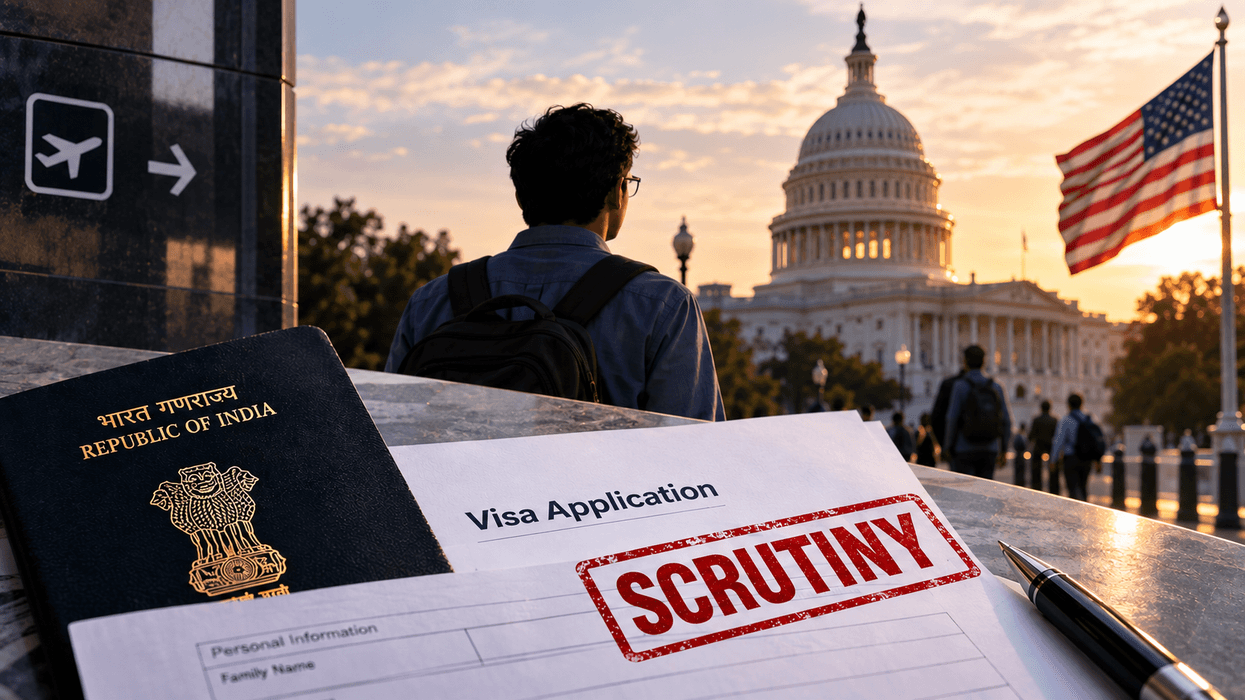
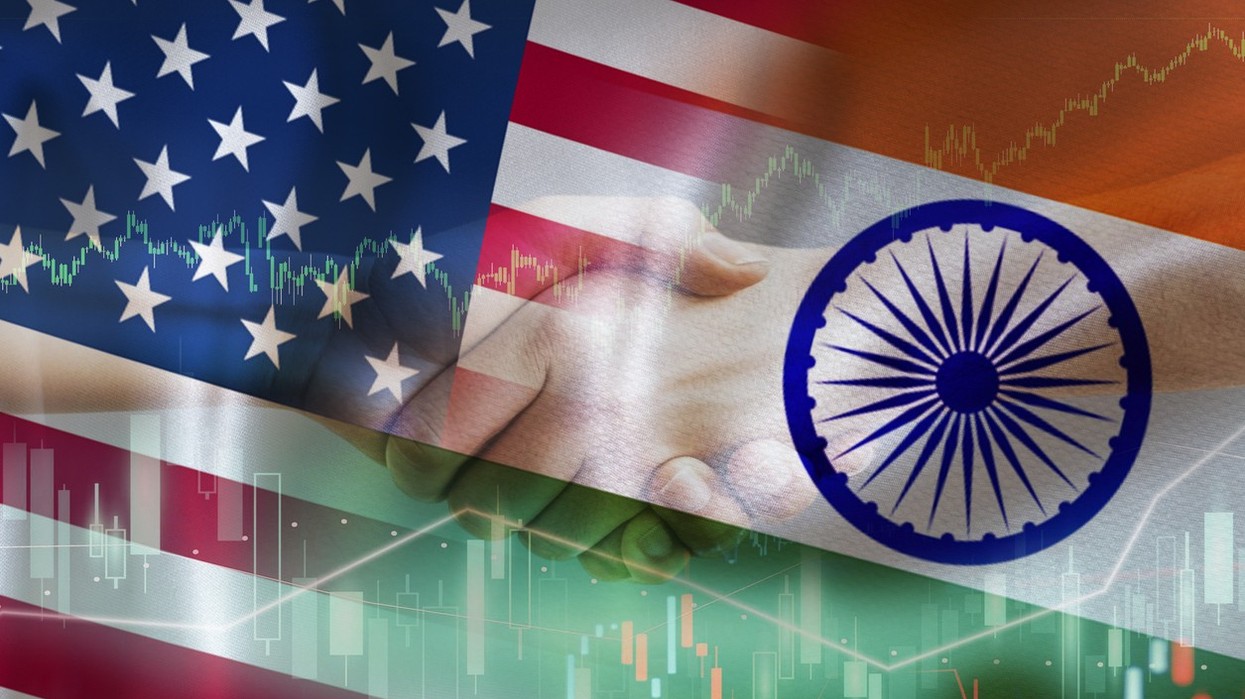
India understood this dynamic early in Trump’s second term. When Washington pushed hard for a trade deal, New Delhi resisted the temptation to hurry. Even after India was hit with steep tariffs, up to 50 per cent, including penalties linked to its purchase of Russian oil—the Modi government refused to bend.
The warning signs had appeared months earlier. In May 2025, Trump claimed he had prevented conflict between India and Pakistan using tariff threats. India quickly clarified that the ceasefire was achieved through direct bilateral contact, not U.S. mediation. Pakistan embraced Trump’s version. India did not. Modi chose restraint over retaliation, signaling firmness without provoking a public clash.
Tensions peaked during a blunt phone call on June 17, when Modi directly rejected Trump’s claims and declined to engage in personal flattery, including talk of a Nobel Peace Prize. The fallout was swift: India faced higher tariffs, while Pakistan faced far lighter penalties. Still, India stayed its course.
Rather than trading insults, Indian leaders kept channels open. Ministers continued quiet diplomacy while New Delhi refused to open sensitive sectors like agriculture and dairy. Russian oil imports continued. At home, Modi doubled down on self-reliance and economic resilience.
At the same time, India subtly demonstrated it had alternatives. Modi’s engagement with China at the SCO summit and visible warmth with Russia’s Vladimir Putin signaled strategic independence. Trade deals with the UK, New Zealand, and Oman moved forward, with a major EU agreement on the horizon. India even imposed a quiet 30 per cent tariff on US pulses, without fanfare.
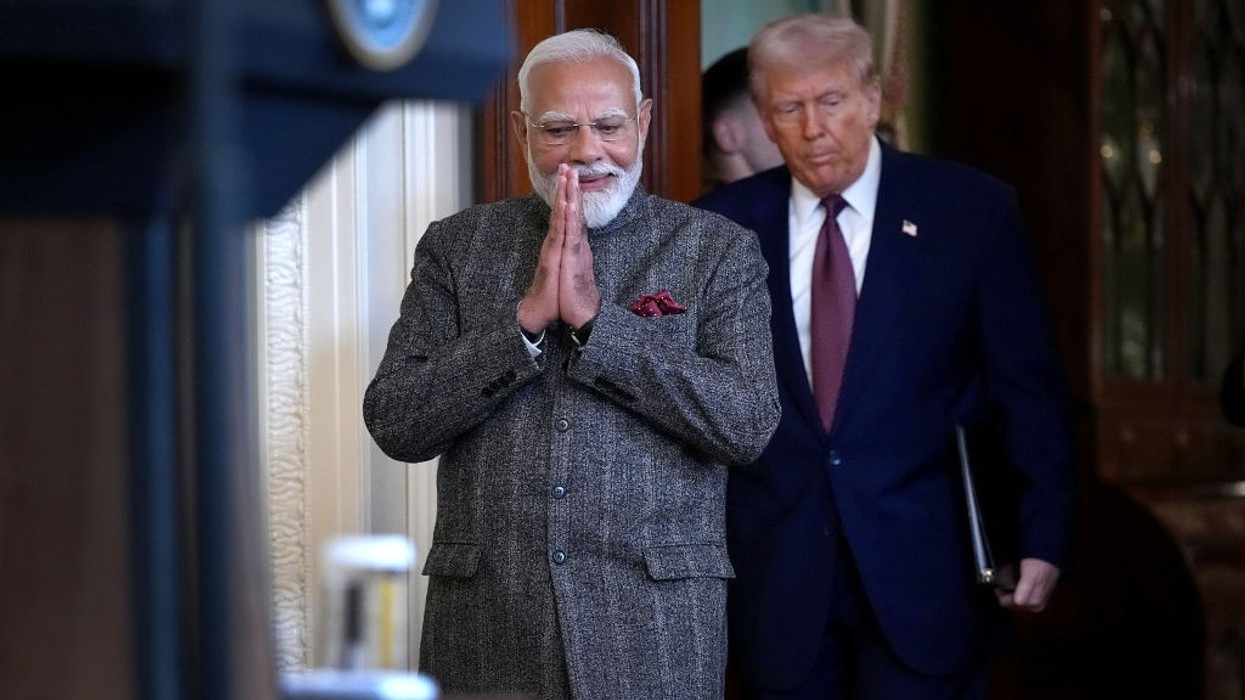
Crucially, Modi also managed the narrative. By limiting direct calls and ensuring India’s account of discussions emerged first, New Delhi denied Trump the chance to exaggerate outcomes.
As Europe scrambles to adjust, India’s approach stands out: calm, patient, and resolute. Modi read Trump right, and avoided the trap others are still falling into.