
- Trump's law threatens 100 per cent tariffs on India over Russian oil purchases
- India-NZ deal takes effect October 20, cutting tariffs on 95 per cent of NZ exports
- Indian students, workers get easier mobility rules; NZ pledges $20 billion investment
- Modi, Luxon aim to double trade to $4.6 billion by 2030
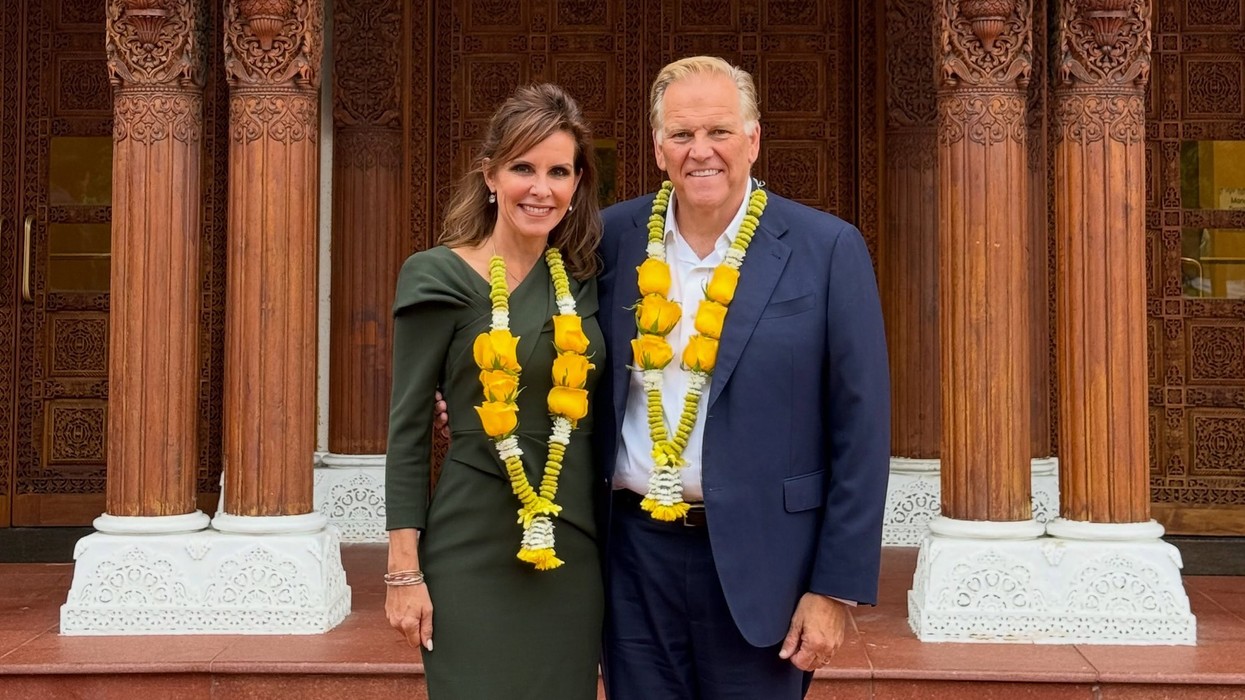
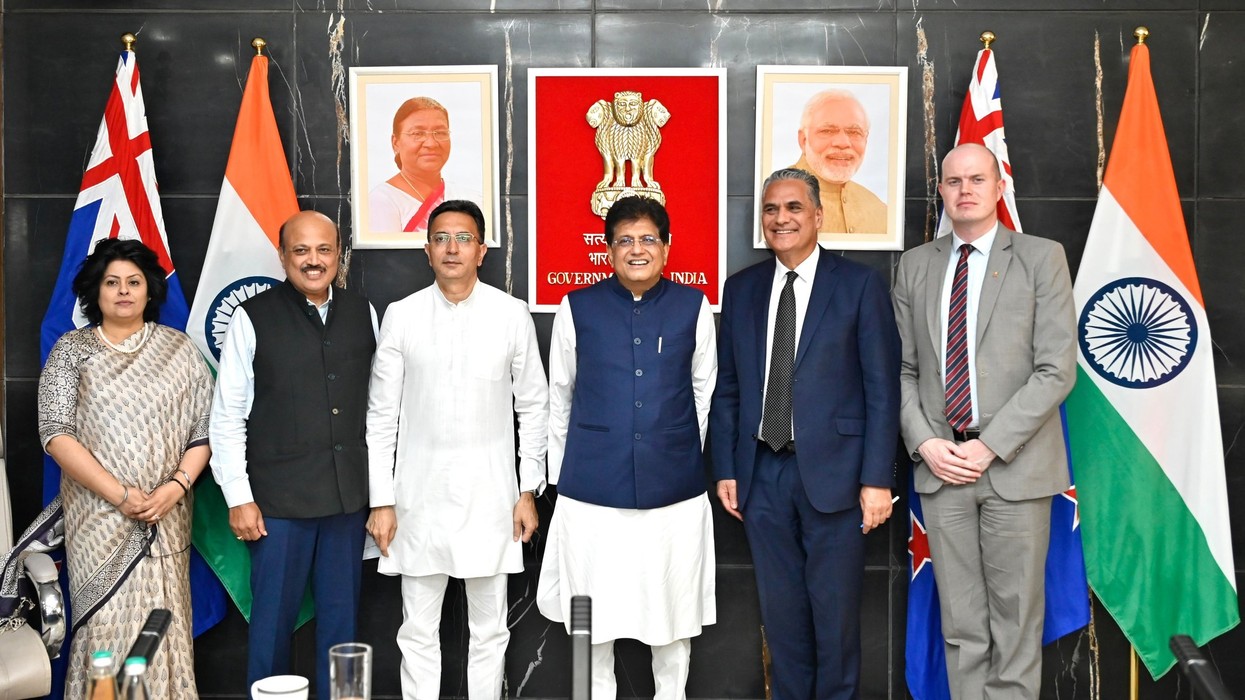
INDIA's free trade agreement (FTA) with New Zealand takes effect October 20, trade minister Piyush Goyal said Monday.
The timing matters: President Donald Trump has signed a law allowing tariffs of up to 100 per cent on countries, including India, that continue buying Russian oil—pushing New Delhi to line up alternative markets fast.
What's changing: Once fully phased in, tariffs on about 95 per cent of New Zealand's exports to India will be eliminated or cut. Some goods—sheep meat, wool, coal, and most forestry products—are tariff-free immediately.
Trump extends $100,000 H-1B fee for another year
Duty-free coverage rises to 82 per cent over time, and wine tariffs drop from 150 per cent to 25-50 per cent over a decade. In return, all Indian goods get duty-free access to New Zealand.
Who's affected: Indian students and workers get easier mobility rules under the deal. New Zealand has also committed $20 billion in investment in India over 15 years.
Businesses on both sides should expect the new tariff schedules to phase in starting October 20.
Congress slams H-1B fee extension as 'humiliation' for India
Why now: India said last week that Washington's new tariff law over Russian oil purchases could hurt bilateral ties—making deals like this one part of a broader push to reduce dependence on the US, India's largest trading partner.
New Delhi has also pursued agreements with the UK and EU this year.
The bigger goal: Prime Ministers Christopher Luxon and Narendra Modi want to double bilateral trade by 2030, from about $2.3 billion currently.