

THE National Green Tribunal on Wednesday refused to entertain a plea challenging the decision of the Delhi government to implement odd-even road rationing scheme in the national capital from November 4-15.
A bench headed by NGT chairperson Justice Adarsh Kumar Goel questioned the maintainability of the plea and "dismissed it as withdrawn".
"Under which law of the land is this plea maintainable," the bench said.
The plea filed by advocate Gaurav Kumar Bansal said CPCB did an assessment of the impact of the odd-even scheme on air quality of Delhi wherein it was found that during the implementation period, the ambient air quality of the city was found to be more deteriorated than the one when the said restriction was not in place.
Delhi chief minister Arvind Kejriwal on September 13 had said the odd-even scheme was part of the seven-point 'Parali Pradushan' (pollution caused by crop stubble burning) action plan that also includes mass distribution of anti-pollution masks, mechanised sweeping and water sprinkling on roads, tree plantation, and special plans for 12 pollution hotspots in Delhi.



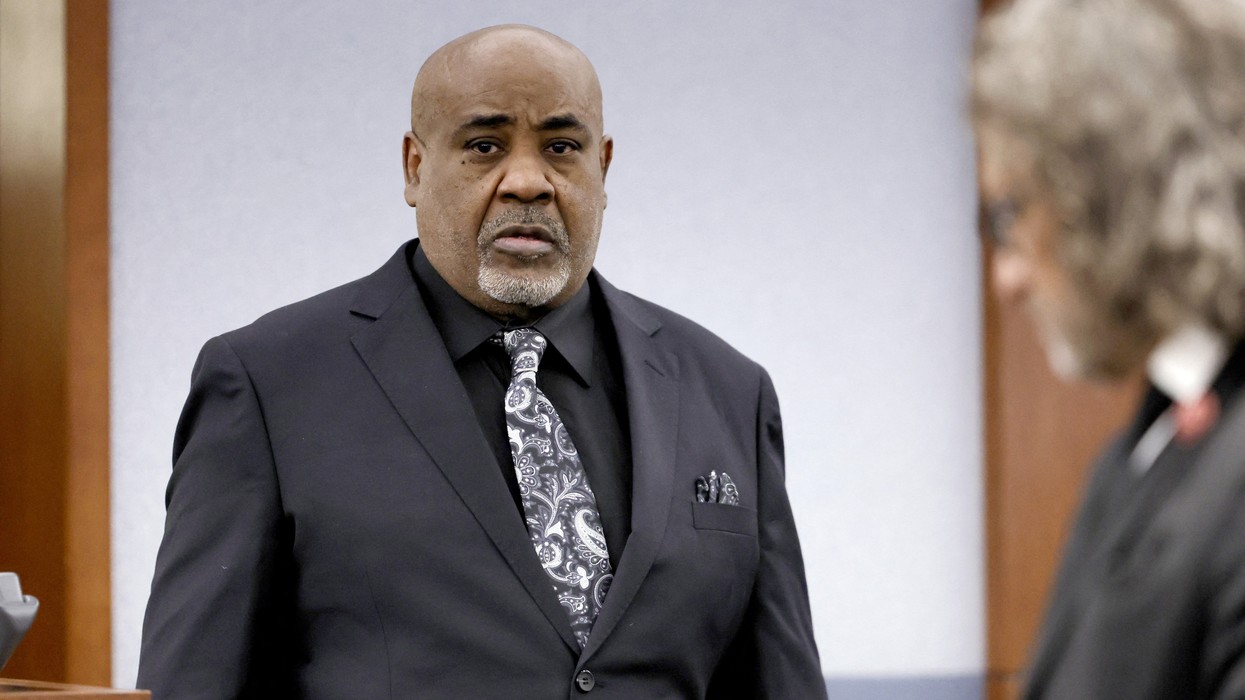
 A 1996 photo of rapper Tupac Shakur (L) and Marion "Suge" Knight is shown on screens during closing arguments in the Duane Davis murder trial, related to the 1996 killing of rapper Tupac Shakur, at Clark County District Court at the Regional Justice Center in Las Vegas, Nevada, on August 31, 2026. Getty Images



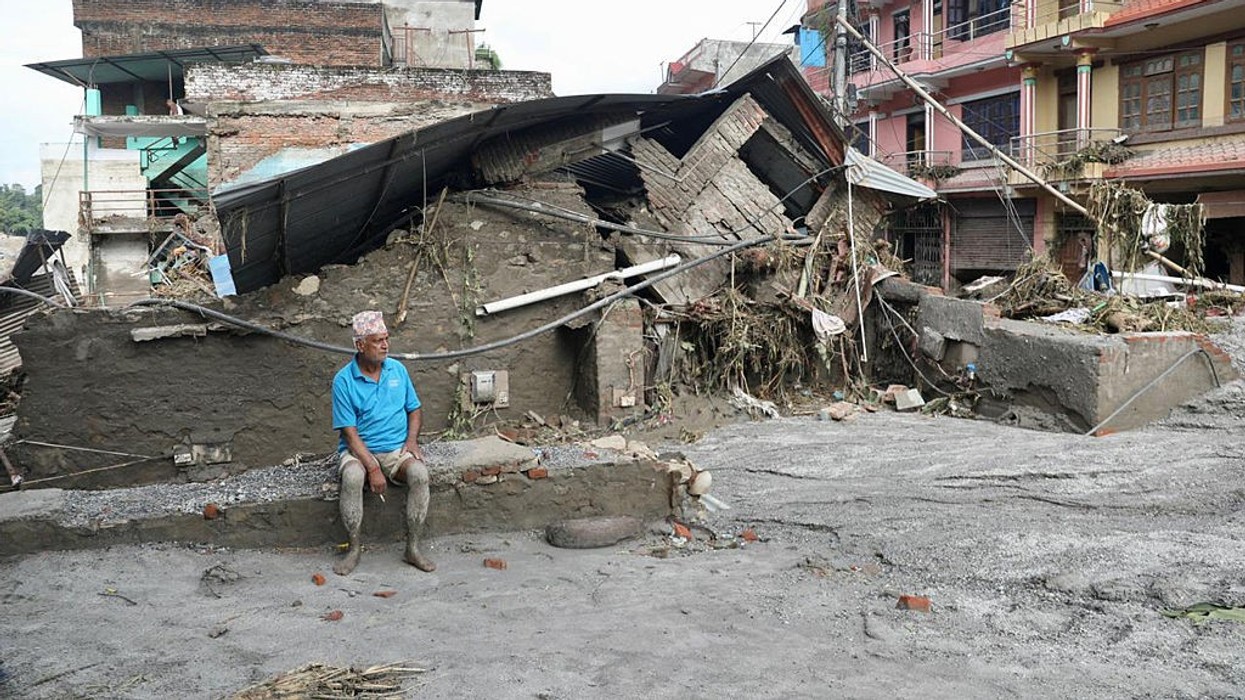
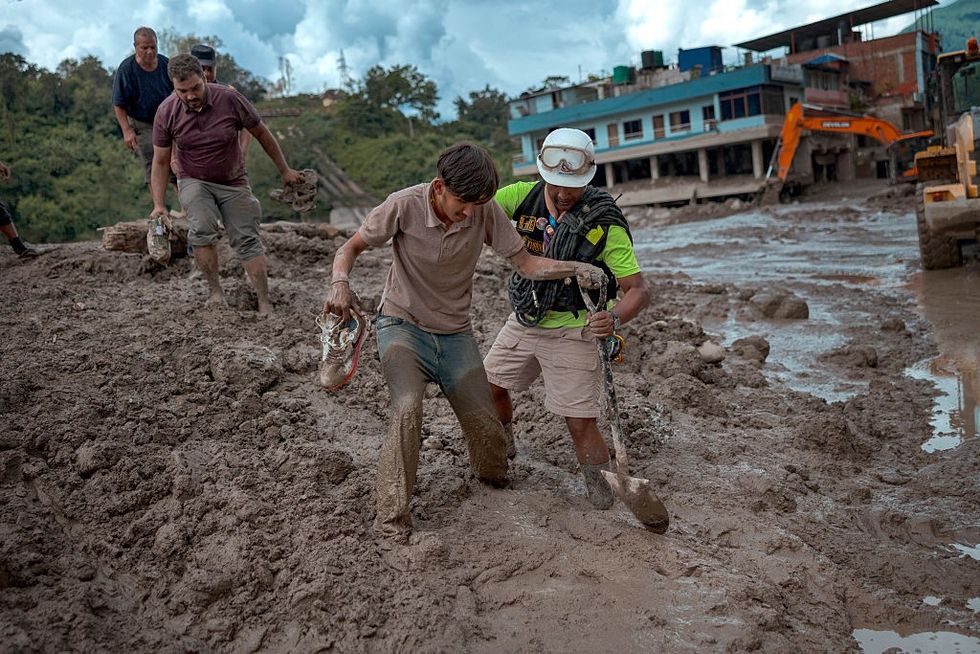 A rescuer assists a resident through heavy mud following flash floods on August 27, 2026 in Trishuli, Nepal. A sudden flood swept through the Bhote Koshi River basin in northern Rasuwa on August 26, damaging settlements, roads and energy infrastructure as rescue teams searched for residents and foreign travellers reported out of contact. Hundreds were reported missing, as the death toll started to climb.Getty Images
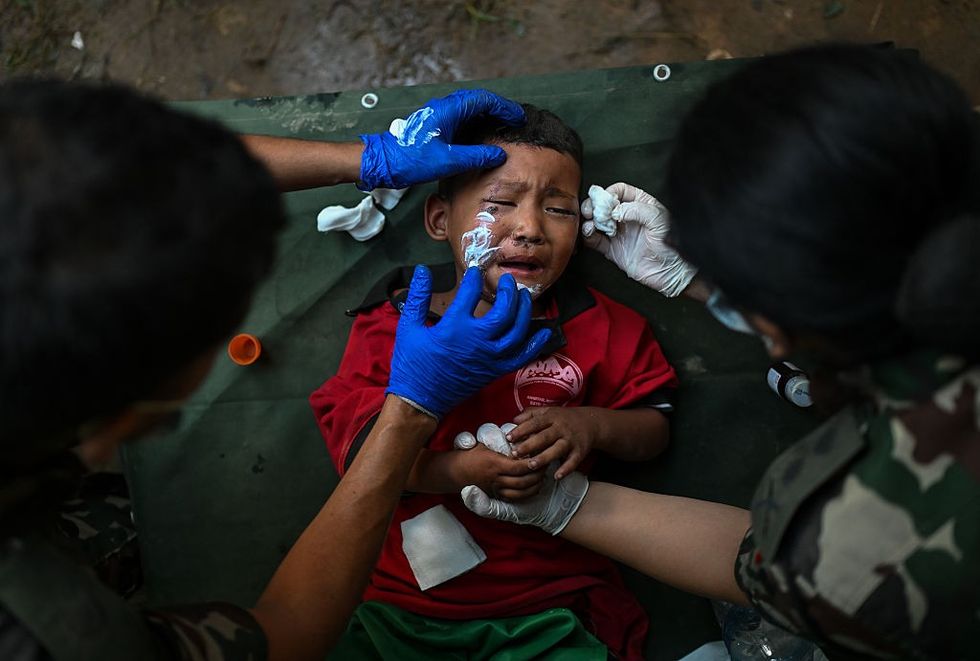 Rescue personnel provide medical treatment to a child at an army rescue camp in Trishuli Batar, Nepal, on August 27, 2026. A sudden flood swept through the Bhote Koshi River basin in northern Rasuwa on August 26, damaging settlements, roads and energy infrastructure, as rescue teams searched for residents and foreign travellers reported out of contact. Hundreds were reported missing as the death toll began to climb. Getty Ima
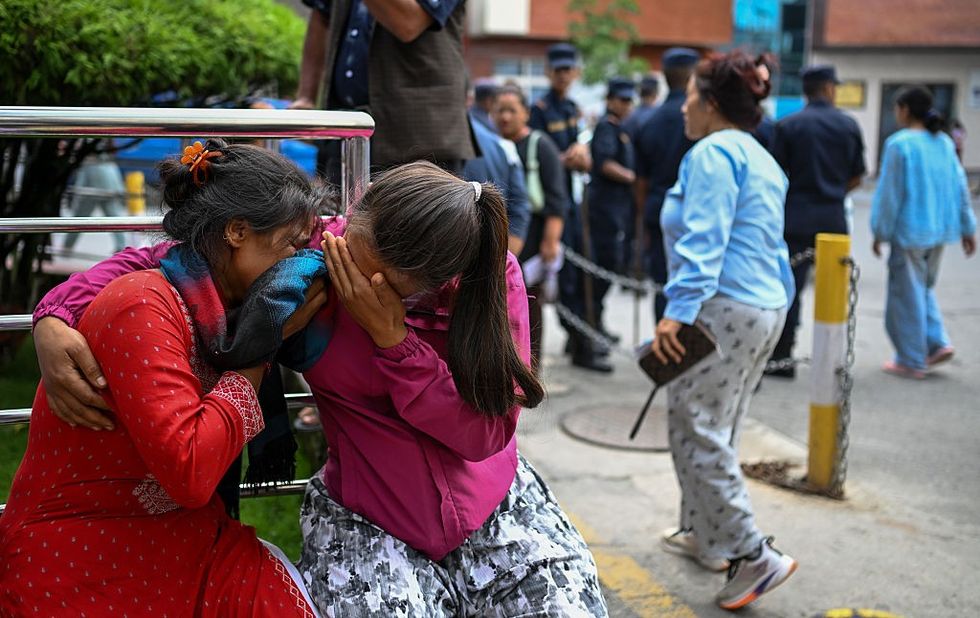 Family members of missing flood victims react at the emergency ward of the Maharajgunj Medical Campus, part of the Tribhuvan University Teaching Hospital, on August 28, 2026 in Kathmandu, Nepal. Authorities said the flash floods were triggered after a mass of ice, mud and rock collapsed into a Himalayan river near the Nepal-China border, leaving hundreds dead or missing and causing widespread damage in affected districts. Authorities continued the gruelling search for victims, many buried under metres of mud, as both China and Nepal issued fresh flooding alerts.Getty Images