
- Google's new TPU variants target confidential computing and applications requiring longer AI context windows.
- It is estimated that TPU-related sales could exceed $135 billion by 2028.
- Component shortages, rising competition and uncertainty over data center spending could test Google's ambitions.
Google is expanding its artificial intelligence chip business with two new versions of its custom-built processors, intensifying its challenge to Nvidia as technology companies look for alternatives to the hardware powering the AI boom.
Alphabet's Google introduced the TPU 8tx and TPU 8i Max on November 9, adding two specialized systems to its eighth-generation tensor processing unit (TPU) lineup. The processors are designed for different requirements, including confidential computing and AI applications that need to process large amounts of information within a single request.
The launch marks a faster pace of development for Google's chip business. The company historically introduced a new generation of AI processors roughly every two years. This year, it has expanded its lineup with four offerings, reflecting a growing belief that specialized hardware will become increasingly important as AI applications evolve.
Amin Vahdat, Google's head of chip development, said the strategy was based on the benefits of designing processors for particular workloads.
"This really follows the thesis that we have here at Google, which is that the future is going to be about specialization, and the upsides for specialization continue to be significant," he said.
The move comes as Nvidia continues to dominate the market for AI processors, with demand for its graphics processing units (GPUs) remaining greater than available supply. However, Google's growing customer base and expanding access to its chips through cloud partners suggest that the competitive landscape is becoming more diverse.
What makes Google's new AI chips different?
The TPU 8tx is designed for confidential computing, where sensitive information must remain protected while being processed. This could make it particularly useful for government agencies, financial institutions and businesses operating in regulated industries.
The system works alongside processors from Advanced Micro Devices (AMD), combining Google's TPU technology with hardware-level encryption. This allows data to remain protected during processing rather than having to be exposed temporarily in computer memory.
The second addition, the TPU 8i Max, targets applications that require long-context windows. These determine how much information an AI model can consider when responding to a request.
Larger context windows are important for tasks involving complex coding, mathematical reasoning and drug discovery, where models need to process extensive amounts of information. The 8i Max combines two TPU chips in a single package to increase computing power and memory capacity.
Both systems build on Google's existing eighth-generation TPU architecture rather than introducing entirely new silicon designs. The company said the specialized variations would become available next year.
Google's strategy reflects a broader shift in the AI semiconductor industry. While Nvidia's GPUs have traditionally been used across a wide range of computing tasks, the increasing complexity of AI systems is encouraging companies to develop processors for more specific applications.
Nvidia is also responding to this shift by expanding its portfolio. It has been developing central processing units (CPUs) alongside its GPUs and strengthening its position in inference, the stage at which trained AI models respond to requests and perform tasks.
The growing use of AI agents, which can carry out multi-step activities rather than simply answer questions, is creating demand for different combinations of processing power, memory and networking capacity.
Can Google turn its TPU business into a serious Nvidia rival?
Google's ambitions are increasingly backed by commercial demand. The company initially developed TPUs to handle its own computing requirements, working with semiconductor design partner Broadcom. It later recognised their potential for AI training and inference and began offering the technology to external customers.
The business has attracted several major technology companies, including Apple, Meta and Oracle. Anthropic, the company behind the Claude chatbot, is also a significant customer and has an option to purchase as much as $150 billion worth of Google chips between 2028 and 2031, according to a recent regulatory filing.
OpenAI is also planning to purchase TPUs, Bloomberg has reported.
Oracle announced last month that its cloud customers would be able to access Google's TPUs from next year, expanding availability beyond Google's own cloud infrastructure.
The appeal is partly economic. Mandeep Singh, an analyst at Bloomberg Intelligence, said Google's TPUs cost about 30 per cent less than Nvidia's GPUs while delivering competitive throughput, or the amount of data processed over a given period.
For companies running large AI workloads, lower computing costs can make a significant difference to the economics of developing and operating models.
Jump Trading, which uses thousands of TPUs to train AI models for trading research, has also expanded its relationship with Google. The company spent several years testing the chips before signing a larger agreement about a year ago.
Alex Davies, chief technology officer at Jump Trading, said the company continued to rely mainly on Nvidia for training but that some employees preferred Google's processors for particular tasks.
"It's actually attractive to have some problems being done differently," he said.
He added that TPUs could offer power-efficiency advantages in areas where their performance matched or exceeded Nvidia's processors.
The commercial opportunity could be substantial. Bloomberg Intelligence estimates that sales of Google's TPUs, including related software and hardware, could exceed $135 billion by 2028, compared with an estimated $12 billion this year. The projection does not include sales to customers accessing the chips through Google Cloud.
However, Google's expansion is not without obstacles. Nvidia benefits from an established software ecosystem, broad customer adoption and a reputation for supporting a wide range of AI workloads. Google's chips are increasingly competitive in selected areas, but convincing more developers and businesses to move away from Nvidia will take time.
There are also supply constraints. Google has said that all its available TPUs are already contracted to customers, with shortages of memory and manufacturing capacity making it difficult to meet demand.
The company is also diversifying its supply arrangements beyond Broadcom. It has signed a deal with Marvell Technology that includes work on its TPU business, while reports have also linked MediaTek to the supply chain.
Competition is likely to intensify further as other AI companies develop their own processors. A startup called Tenspresso, founded by former Google TPU engineers, is working on a chip targeting long-context AI inference. OpenAI and Anthropic are also pursuing in-house chip projects, drawing on engineers with experience in Google's semiconductor operations.
The wider market presents another risk. Technology companies are expected to spend heavily on AI infrastructure, but concerns are growing about whether the returns will justify the investment. Bloomberg Intelligence analyst Singh has estimated that a slowdown could reduce the roughly $1.4 trillion in expected technology-sector spending by 5 per cent to 7 per cent in 2027.
Google also faces the challenge of generating margins comparable with Nvidia, whose business benefits from a broader hardware and software ecosystem.
The latest launch therefore represents more than an expansion of Google's chip range. It signals a push to compete for a larger share of the infrastructure market as AI moves from model training towards increasingly complex applications and autonomous agents.
Nvidia remains the dominant supplier, but customers are showing greater interest in alternatives that offer lower costs, specialized capabilities and more flexibility. Google's ability to turn that interest into reliable supply, wider adoption and profitable sales will determine how far its challenge can go.
















 Amazon\u200bMeta Quest 3S VR headset
 www.indiaweekly.biz\u200bMeta Quest 3S VR headset
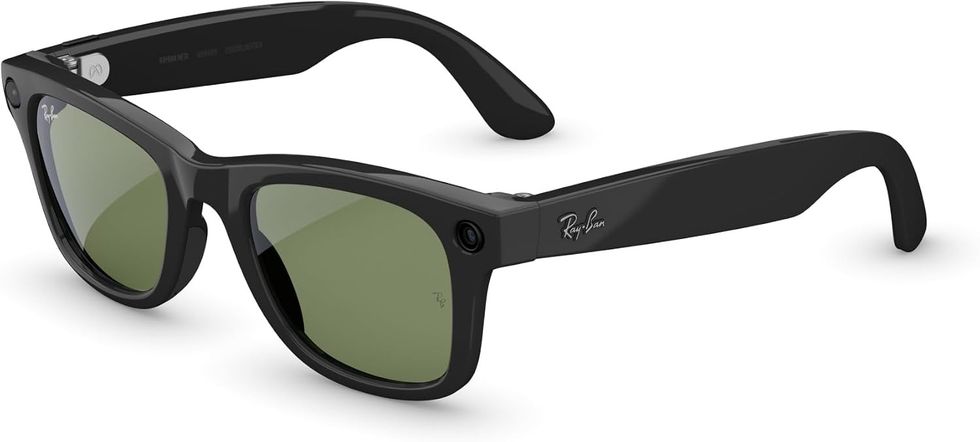
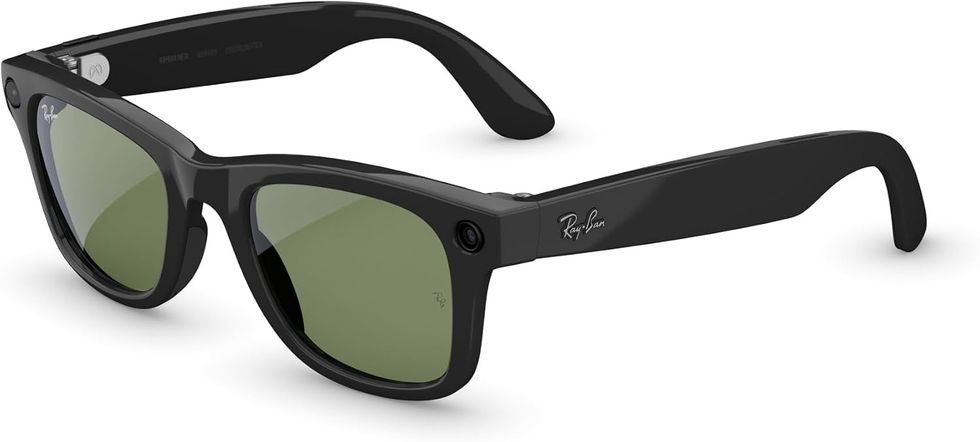 Ray-Ban Meta AI smart glasses Amazon
 Oura Ring 5 Amazon
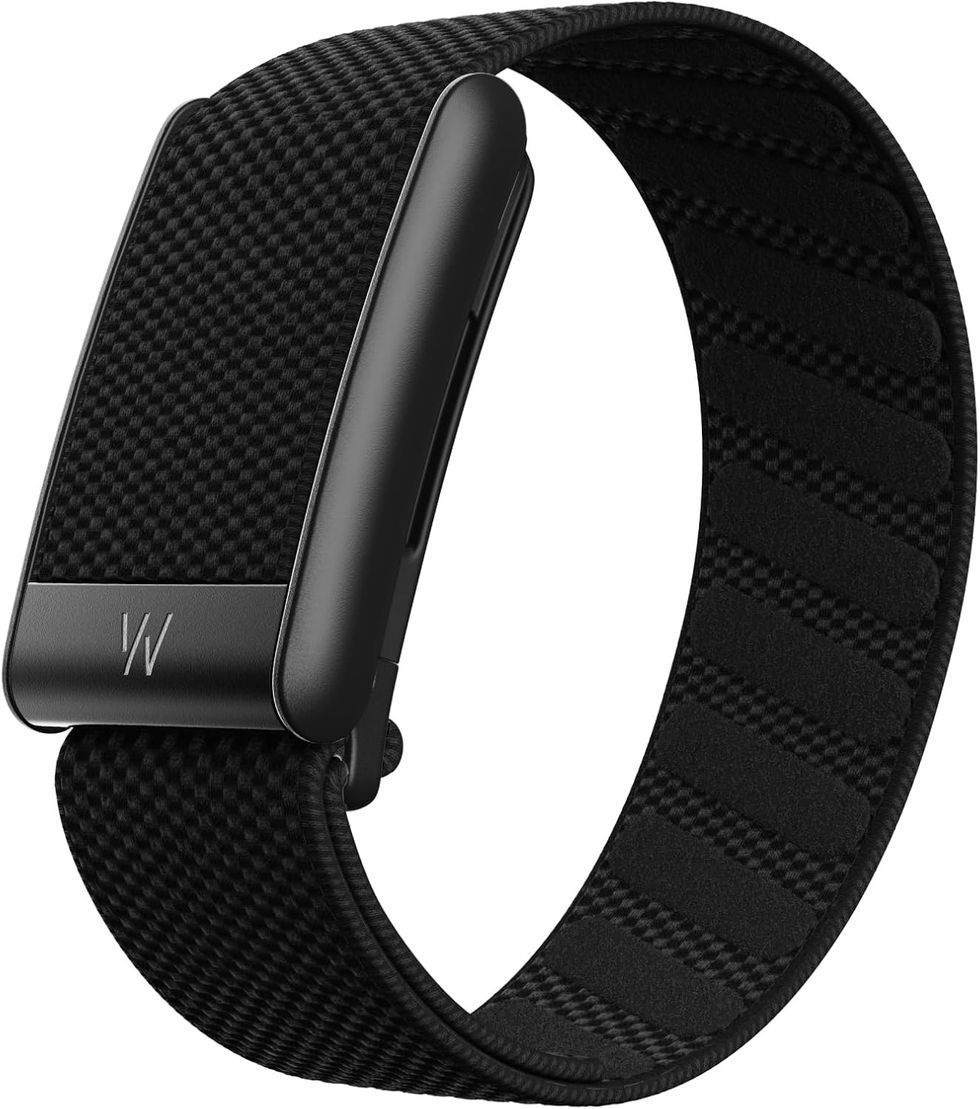
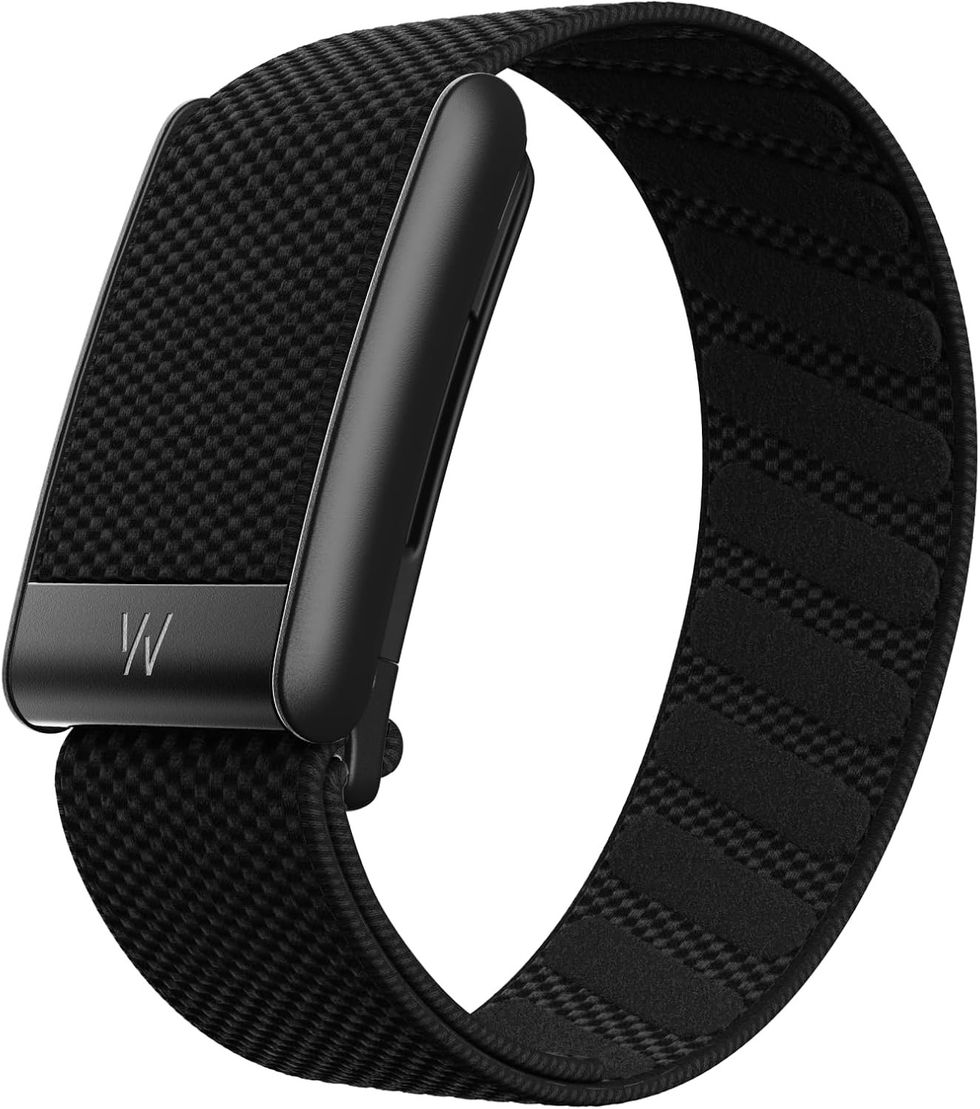 WHOOP 5.0 fitness tracker Amazon
 Apple AirPods Pro 3 Amazon
 Samsung Galaxy Ring Amazon
 Garmin Venu smartwatch Amazon
 Apple Watch Series 11 Amazon
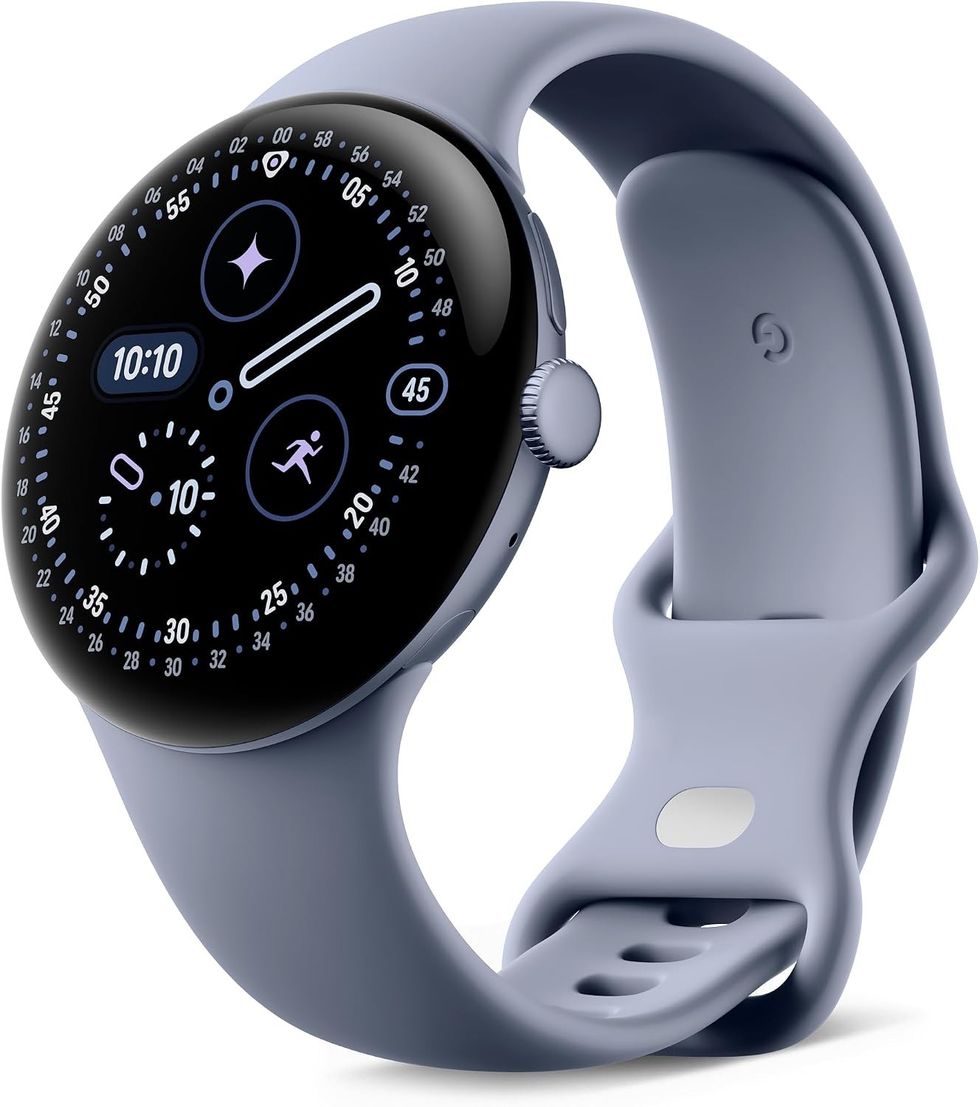
 Google Pixel Watch 4 Amazon
 Meta Quest 3S VR headset Amazon
 Meta Quest 3S VR headset

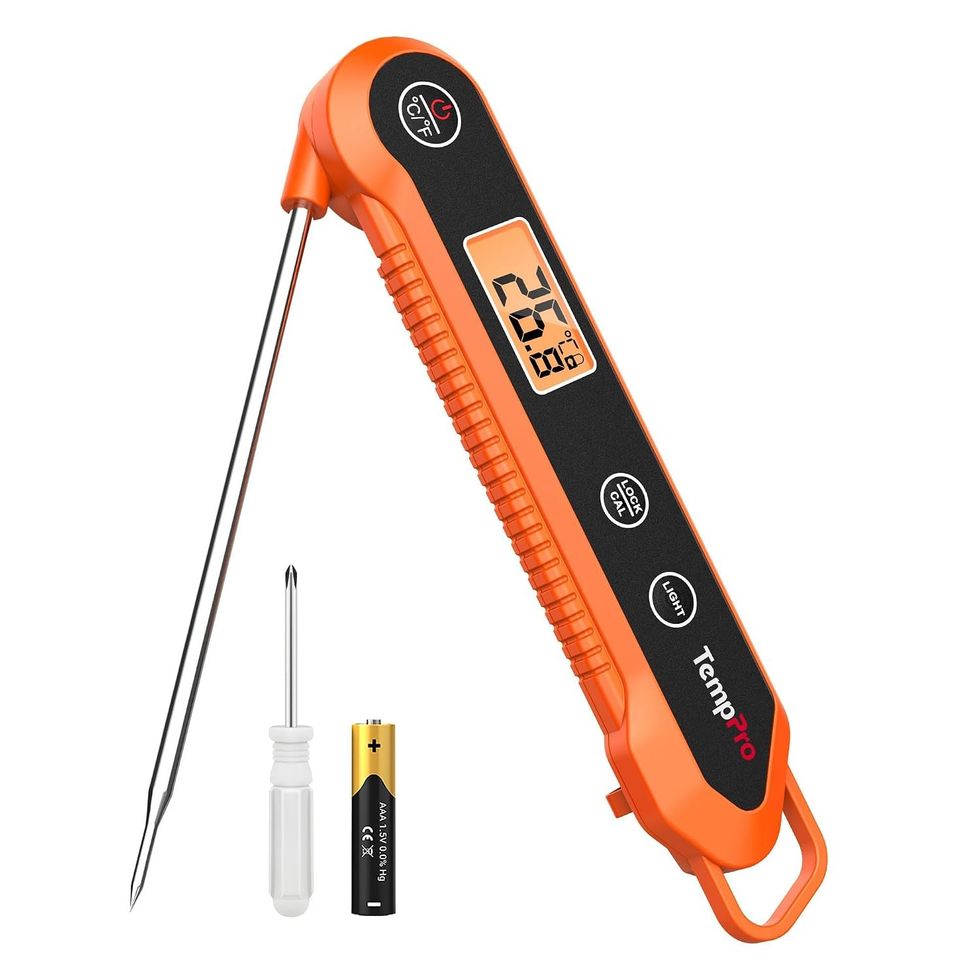









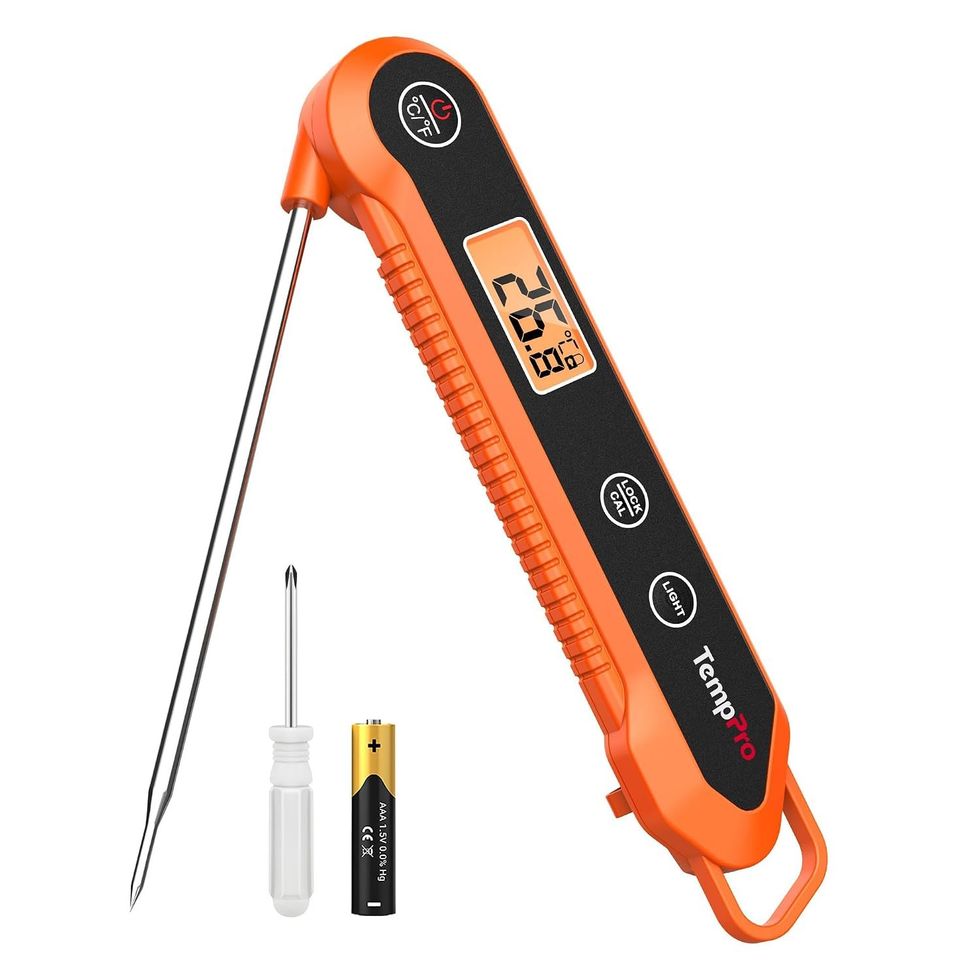 ThermoPro digital meat thermometer Amazon
 Nordic Ware turkey roasting pan Amazon
 KitchenAid stand mixer Amazon
 Hamilton Beach electric carving knife Amazon
 Instant Pot pressure cooker Amazon
 Pyrex glass baking dish set Amazon
 Cuisinart food processor Amazon
 Large wooden serving board Amazon
 Electric buffet food warmer Amazon
 Thanksgiving dinner tableware set Amazon