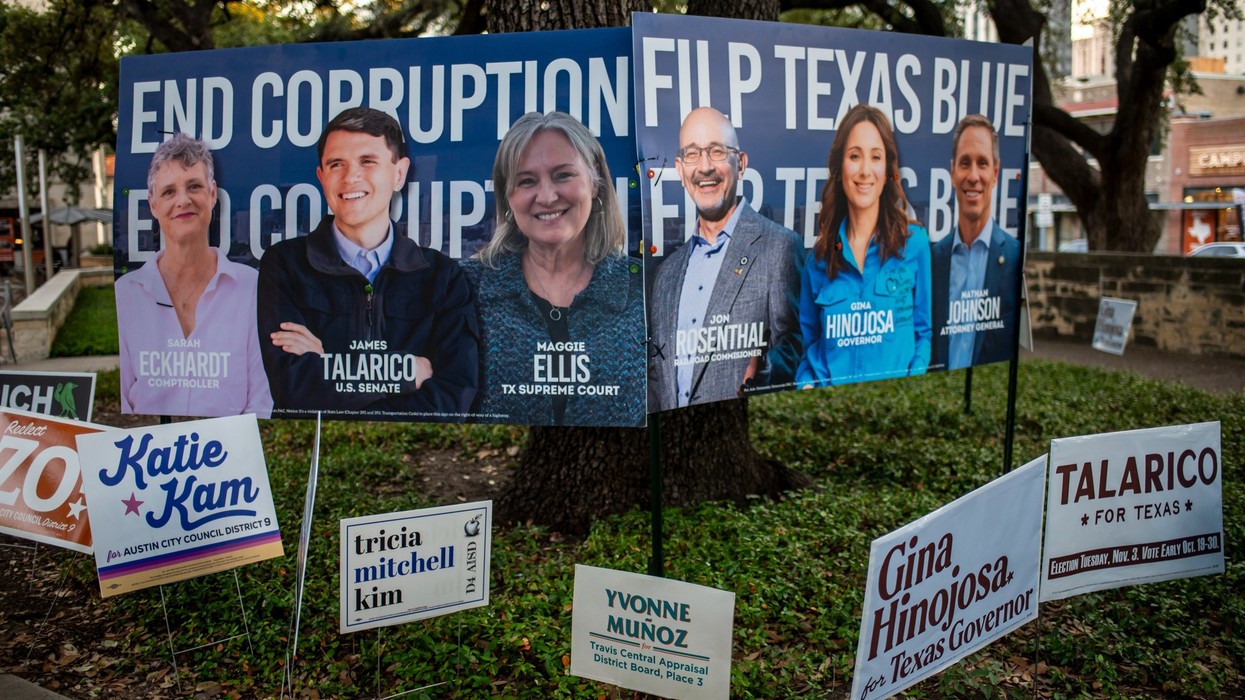

MORE than 60 percent of south Asian voters surveyed in Texas said they would support Democratic candidates James Talarico for the US Senate and Gina Hinojosa for governor, as respondents also reported experiencing hate and hearing anti-immigrant rhetoric.
The survey, conducted by the South Asian American Voter Empowerment of Texas Education Fund (SAAVETX EF) and the University of California San Diego, found that 66 percent of registered voters preferred Talarico over Republican candidate Ken Paxton. Twenty-one percent supported Paxton.
In the gubernatorial race, 63 percent preferred Hinojosa, while 27 percent backed incumbent Republican Greg Abbott.As many as 58 percent of respondents reported at least one experience of hate in Texas during the past year. These included online harassment, threats of violence and damage to places of worship because of their race, ethnicity, religion, nationality, accent or immigration background.
Sixty-four percent said they frequently or sometimes heard south Asians or immigrants described as “invaders” or “outsiders” over the past two years.
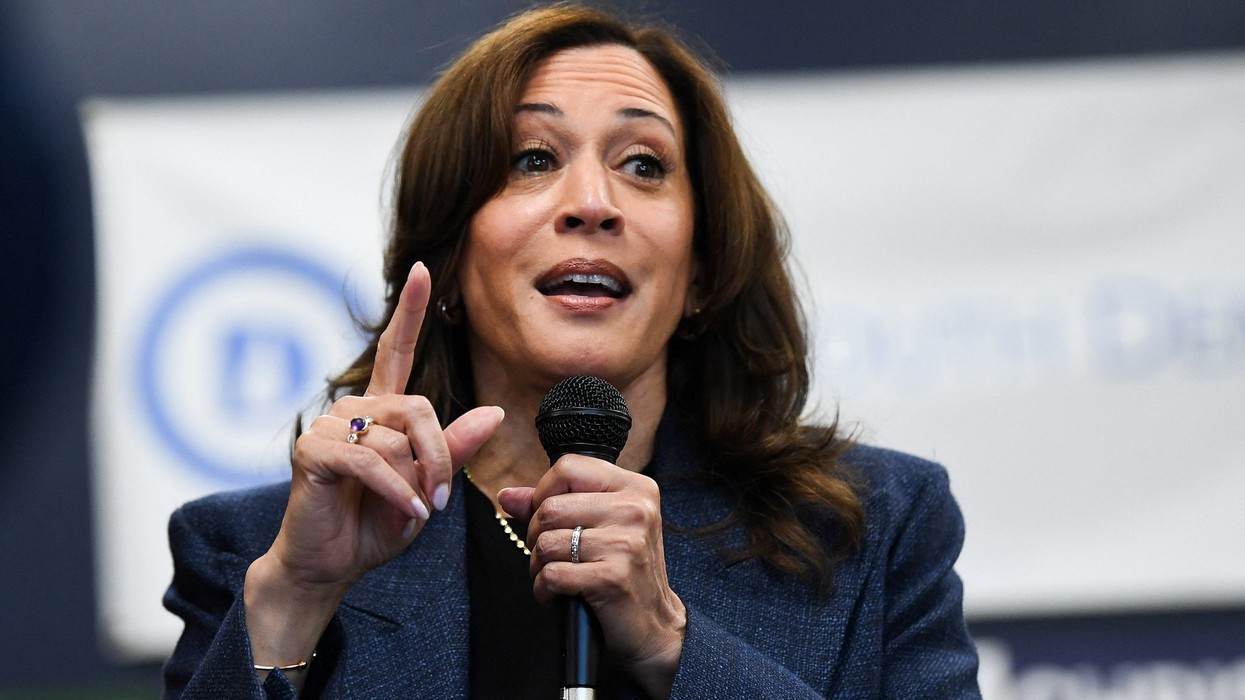
When asked about their vote in the 2024 presidential election, 65 percent said they had voted for Kamala Harris and 25 percent for Donald Trump.
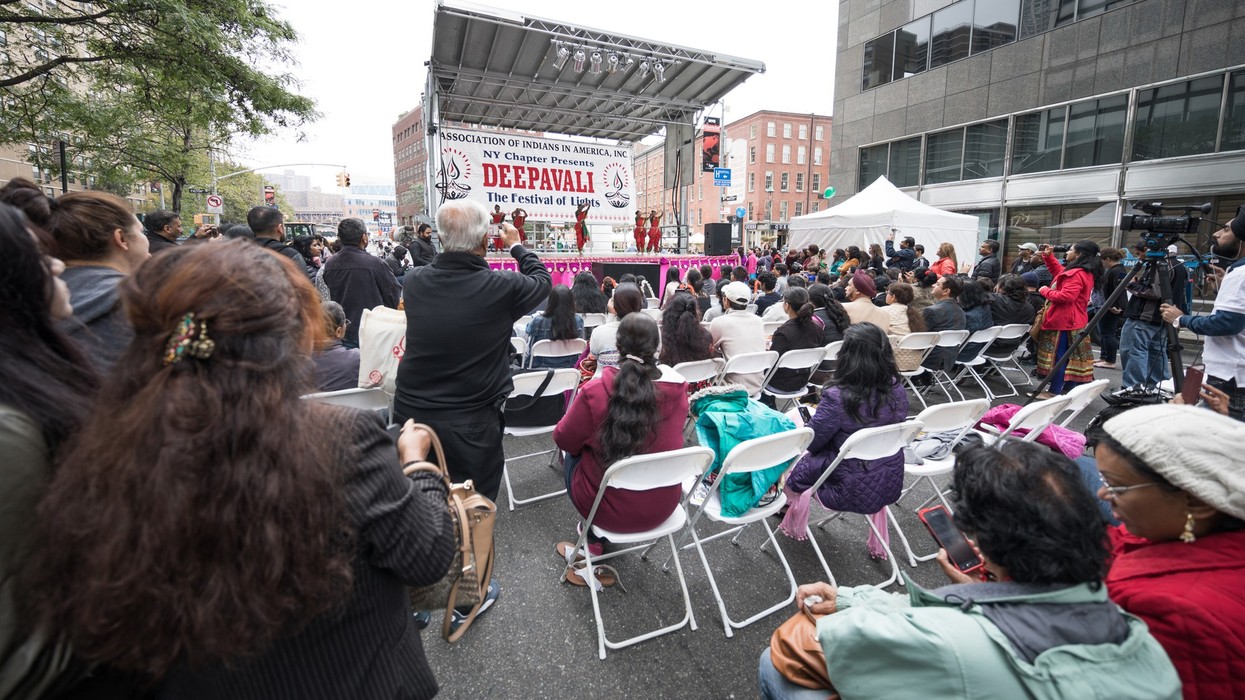
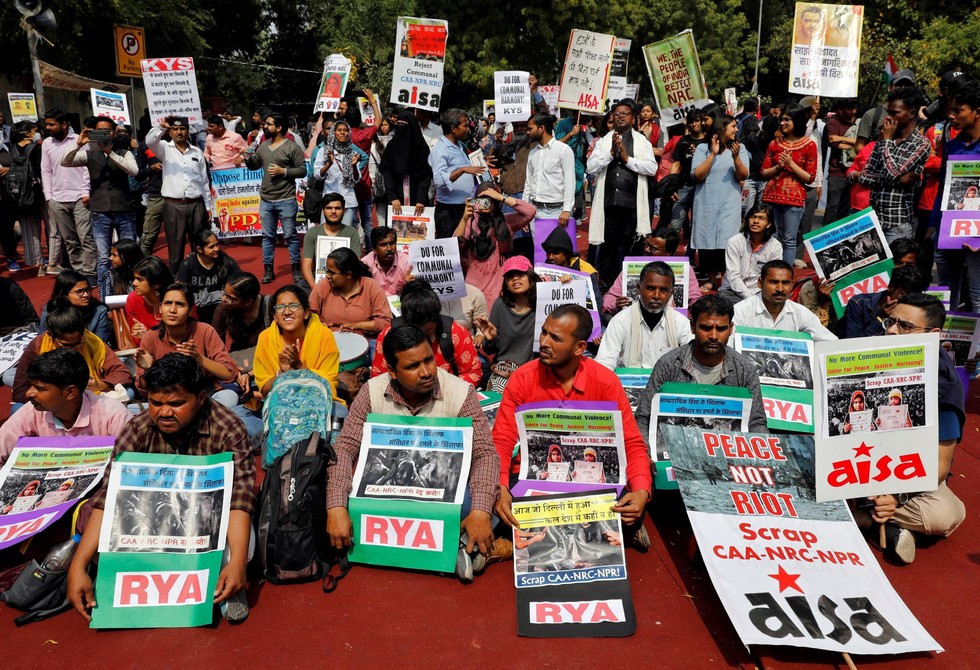
South Asians account for 19 lakh of Texas’ 60 lakh population. Indian-Americans number 5.5 lakh, making Texas the state with the second-largest Indian-American population after California. The rising number of Indian-Americans in Texas has also made them a target of racist attacks from MAGA supporters of President Trump.
The issue has become part of the campaign ahead of the upcoming midterm elections.
Last month, Bo French, the Republican candidate for the Texas Railroad Commissioner’s post, triggered a political row after describing south Asian students celebrating a Texas football game as a “problem” in a social media post.
The remarks were condemned by outgoing Texas Senator John Cornyn, who was defeated in the Senate primary elections by Paxton, a candidate backed by Trump.
“Our community is tired of being treated as outsiders and used as political pawns. When elected officials and candidates fuel hostility, people feel less safe and less confident in the institutions meant to protect them,” Chanda Parbhoo, founder and executive director of SAAVETX EF, said.
A 90-foot statue of Lord Hanuman in Texas also became the subject of political debate last month after a conservative YouTuber called for “tearing this down”. The remarks drew a backlash from Hindu groups and thinkers.
The Statue of the Union, installed at the Asthalaxmi Temple in Sugarland, Texas, has been at the center of controversy since its consecration in August 2024. A section of Christian conservatives has described it as a “demon God”, “unChristian”, a “false god” and a “character from the Planet of Apes”.
“The survey reveals a community confronting exclusion, but also highly civically engaged,” Tom K. Wong, founding director of the US Immigration Policy Center at UC San Diego.
The survey also found that 64 percent of respondents said elected officials did not understand their community’s concerns well or did not understand them at all. Fifty-four percent believed their community had little to no political power.
As many as 62 percent said political rhetoric contributed a great deal or somewhat to hostility toward south Asians.
The findings also showed that 78 percent of respondents would be much or somewhat more likely to vote for a candidate who speaks out against discrimination toward south Asians.