

PAKISTAN'S Punjab government said on Tuesday (25) that it will install the restored statue of the first ruler of the Sikh Empire, Maharaja Ranjit Singh (1780-1839), at Kartarpur Sahib on Wednesday so that visiting Sikhs from India would get to view it too.
Kartarpur Sahib is also known as Gurdwara Darbar Sahib and is situated about 150 km northeast of Lahore, close to the Indian border.
The nine-foot-tall bronze statue of Maharaja Ranjit Singh was first installed at the Lahore Fort near his Samadhi in 2019. It was twice vandalised by activists of the Tehreek-e-Labbaik Pakistan (TLP), a far-right Islamic political party in Pakistan.
“We are going to install Maharaja Ranjit Singh’s statue at Gurdwara Darbar Sahib, Kartarpur on Wednesday afternoon in the presence of local and Indian Sikhs,” Punjab’s first Sikh Minister and President (pardhan) of the Pakistan Sikh Gurdwara Parbandhak Committee (PSGPC) Sardar Ramesh Singh Arora told PTI.
The restored statue is being placed at Kartarpur Sahib so that Indian Sikhs visiting there could see it, Arora said. He also assured better security to protect the restored statue.
The minister said restoration work of Maharaja Ranjit Singh Sandhi has already begun which will soon be completed.
Maharaja Ranjit Singh was the founder of the Sikh Empire, which ruled the northwest Indian subcontinent in the early half of the 19th century with his headquarters at Lahore.
Currently, 455 Sikhs, who arrived here from India last week to take part in festivities in connection with Maharaja Ranjit Singh’s death anniversary, will also be present at Kartarpur Sahib on Wednesday when Singh’s statue will be unveiled. (PTI)


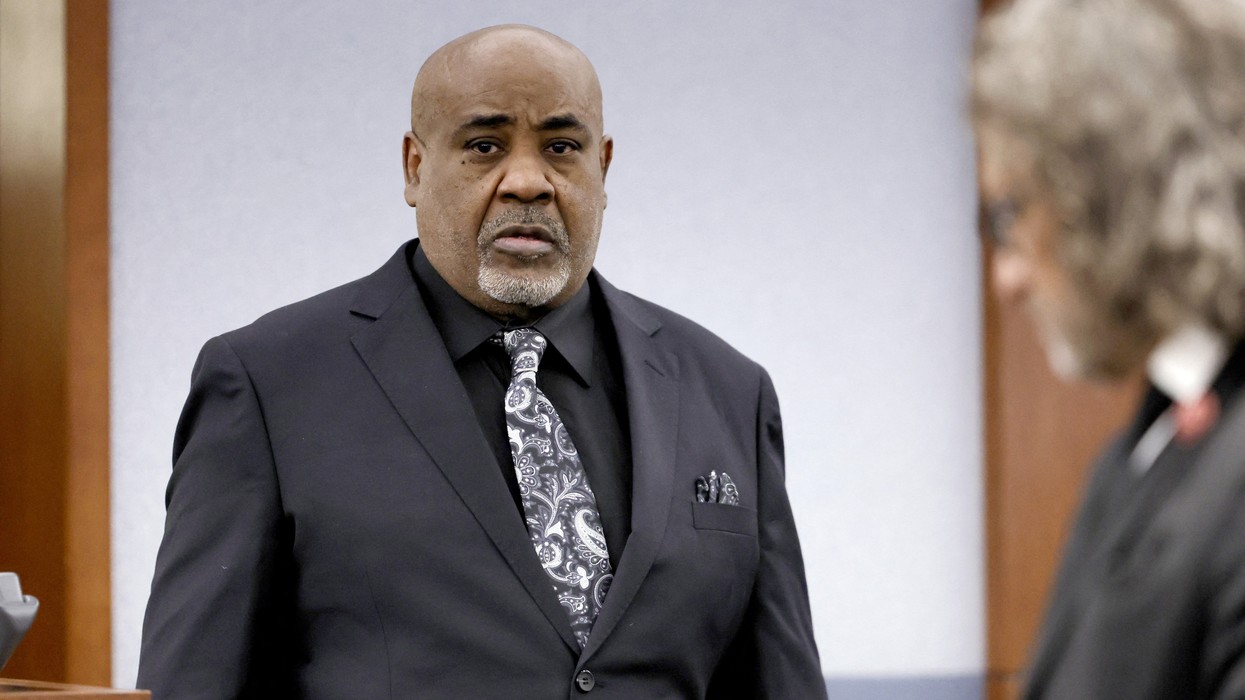
 A 1996 photo of rapper Tupac Shakur (L) and Marion "Suge" Knight is shown on screens during closing arguments in the Duane Davis murder trial, related to the 1996 killing of rapper Tupac Shakur, at Clark County District Court at the Regional Justice Center in Las Vegas, Nevada, on August 31, 2026. Getty Images



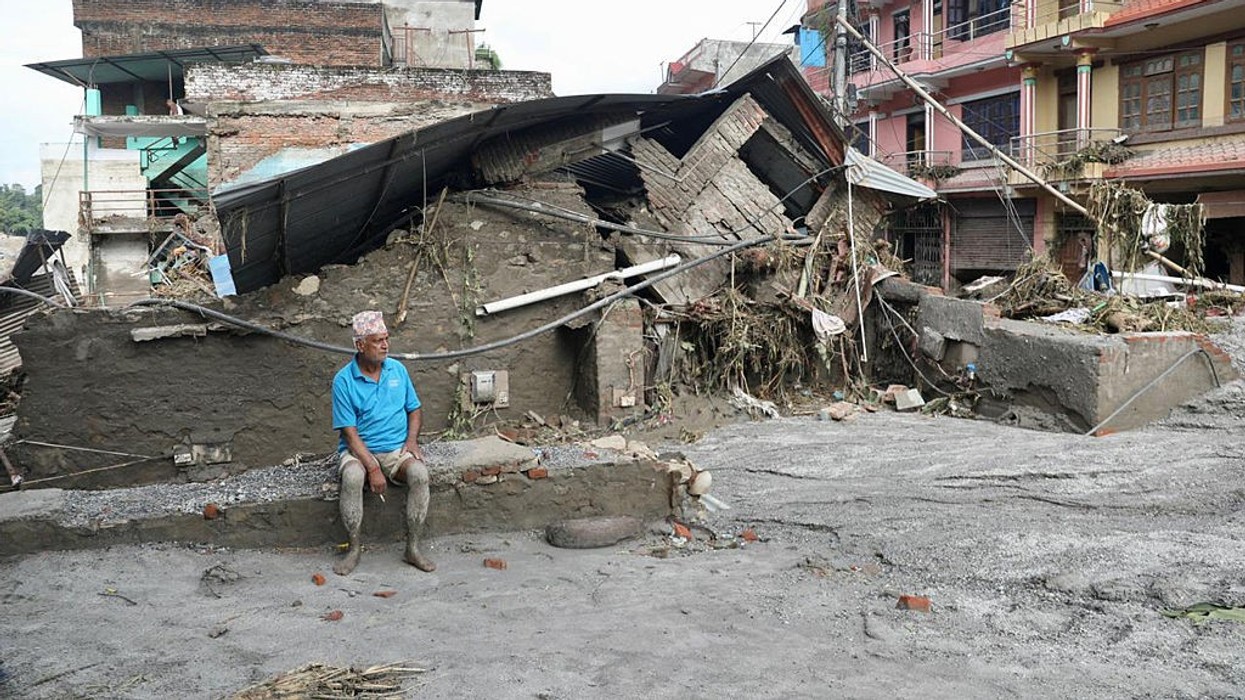
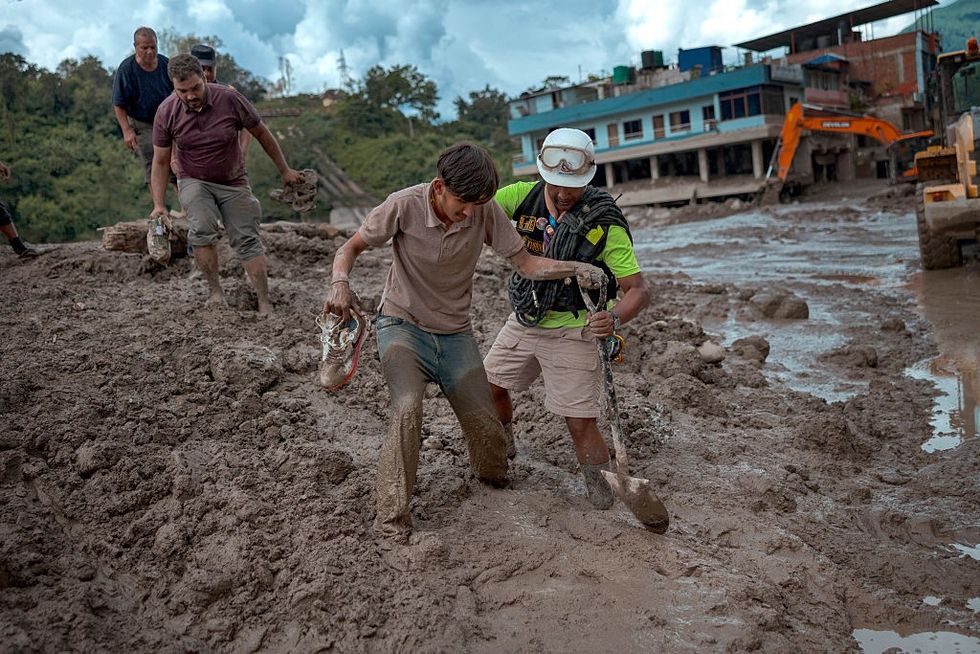 A rescuer assists a resident through heavy mud following flash floods on August 27, 2026 in Trishuli, Nepal. A sudden flood swept through the Bhote Koshi River basin in northern Rasuwa on August 26, damaging settlements, roads and energy infrastructure as rescue teams searched for residents and foreign travellers reported out of contact. Hundreds were reported missing, as the death toll started to climb.Getty Images
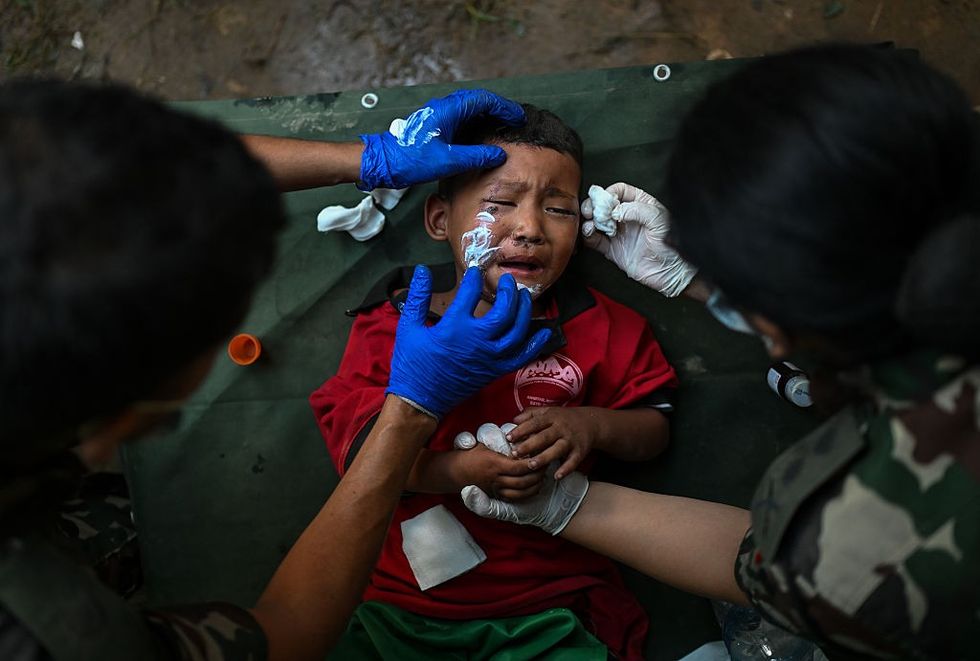 Rescue personnel provide medical treatment to a child at an army rescue camp in Trishuli Batar, Nepal, on August 27, 2026. A sudden flood swept through the Bhote Koshi River basin in northern Rasuwa on August 26, damaging settlements, roads and energy infrastructure, as rescue teams searched for residents and foreign travellers reported out of contact. Hundreds were reported missing as the death toll began to climb. Getty Ima
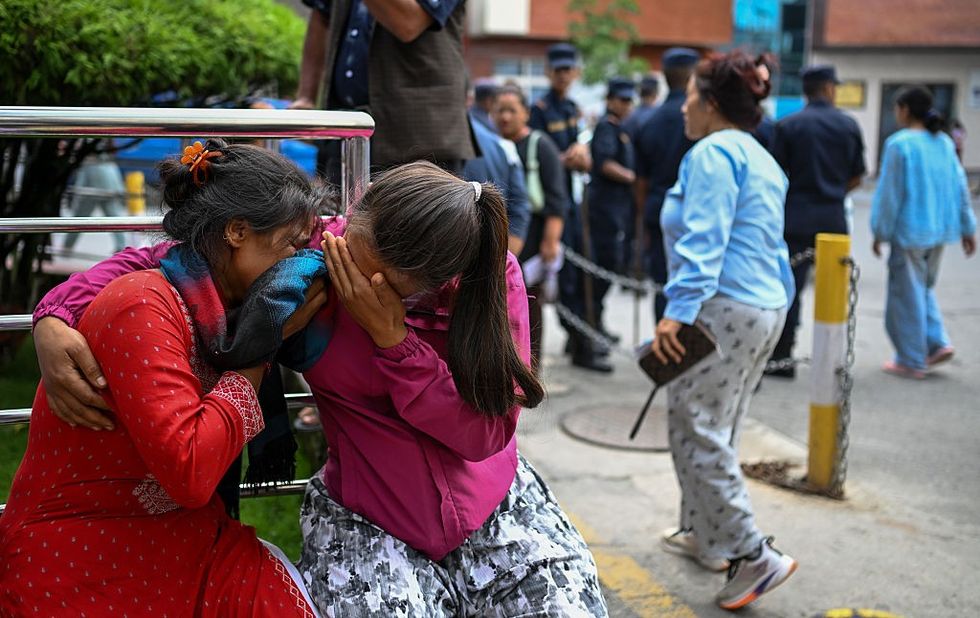 Family members of missing flood victims react at the emergency ward of the Maharajgunj Medical Campus, part of the Tribhuvan University Teaching Hospital, on August 28, 2026 in Kathmandu, Nepal. Authorities said the flash floods were triggered after a mass of ice, mud and rock collapsed into a Himalayan river near the Nepal-China border, leaving hundreds dead or missing and causing widespread damage in affected districts. Authorities continued the gruelling search for victims, many buried under metres of mud, as both China and Nepal issued fresh flooding alerts.Getty Images