

Author Salman Rushdie revealed at the Hay literary festival (May 25 to June 4) which recently took place in Wales that he is currently working on a book recounting the incident in which he was stabbed on stage in New York last year, resulting in the loss of vision in one eye.
Speaking in a pre-recorded Zoom appearance, Rushdie expressed his intention to explore not only the attack itself but also its broader implications and meaning.
He acknowledged that writing this book, which he expects to be relatively concise, around a couple of hundred pages, poses a challenge but emphasised its necessity for him to move forward creatively. “I can’t really start writing a novel that’s got nothing to do with this … So I just have to deal with it,” he said.
Rushdie shared that he cannot begin writing a novel unrelated to this experience until he confronts and processes it.
Following the knife attack, the author spent six weeks in the hospital and continues to grapple with the physical consequences, including a loss of sensation in some fingertips that makes typing difficult.
The alleged assailant, Hadi Matar, has been charged with attempted murder.
Despite the ordeal, Rushdie conveyed that he is coping well and expressed his appreciation for the positive reception of his latest novel, Victory City, which had been finished prior to the attack and published afterward.
“I never take anything for granted,” he said. “Most people seem to like the book and that means a lot.”
During the festival, Rushdie was honoured with the Hay festival medal for prose for Victory City, with fellow authors Margaret Atwood, Elif Shafak, and Douglas Stuart praising the book’s imaginative storytelling and thought-provoking themes.
The knife incident serves as a reminder of Rushdie’s tumultuous past, as he had lived without round-the-clock security for two decades after being forced into hiding for nearly ten years due to a fatwa issued following the release of his novel The Satanic Verses in 1988.
The book faced accusations of being anti-Islamic, triggering widespread protests, death threats against Rushdie, and a bounty of $3 million (£2.5 million) placed on his head by Ayatollah Ruhollah Khomeini, the then-Iranian leader.


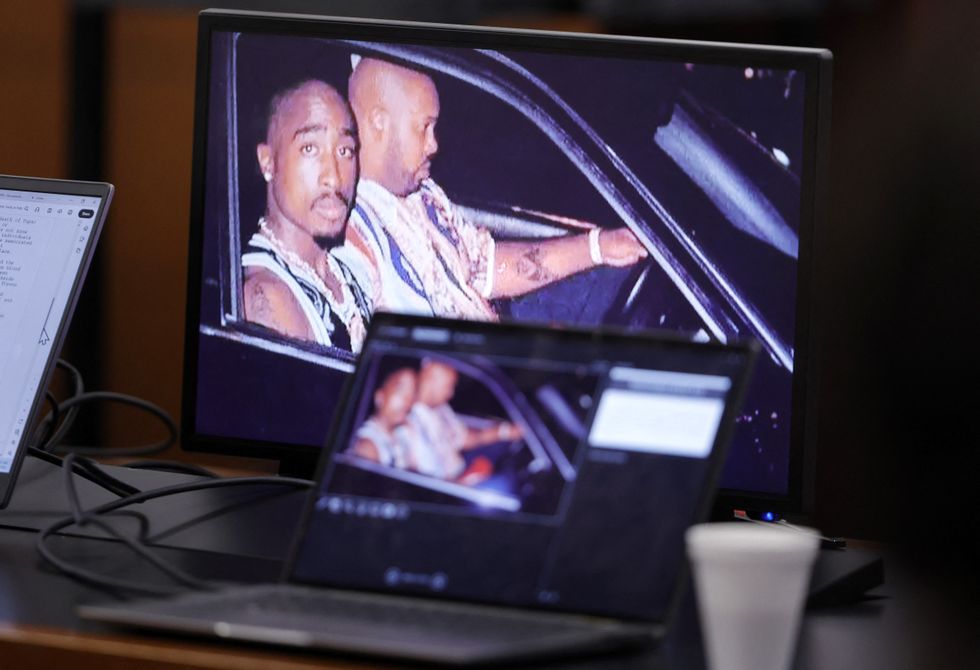 A 1996 photo of rapper Tupac Shakur (L) and Marion "Suge" Knight is shown on screens during closing arguments in the Duane Davis murder trial, related to the 1996 killing of rapper Tupac Shakur, at Clark County District Court at the Regional Justice Center in Las Vegas, Nevada, on August 31, 2026. Getty Images



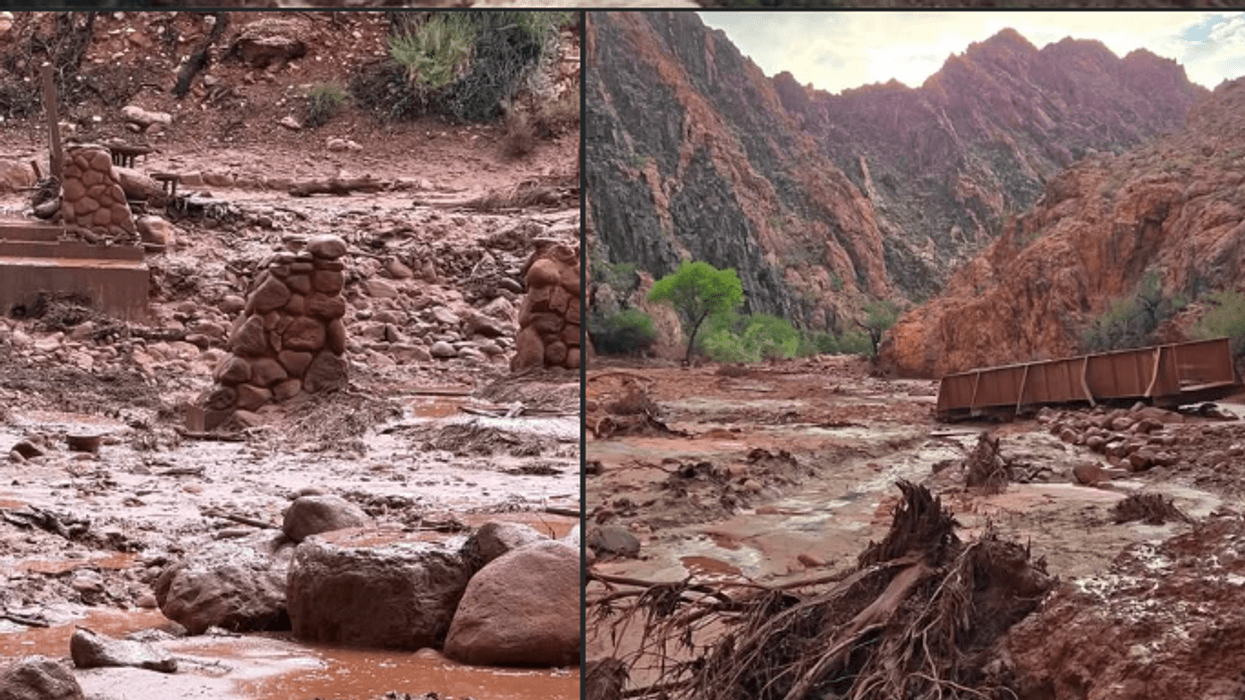
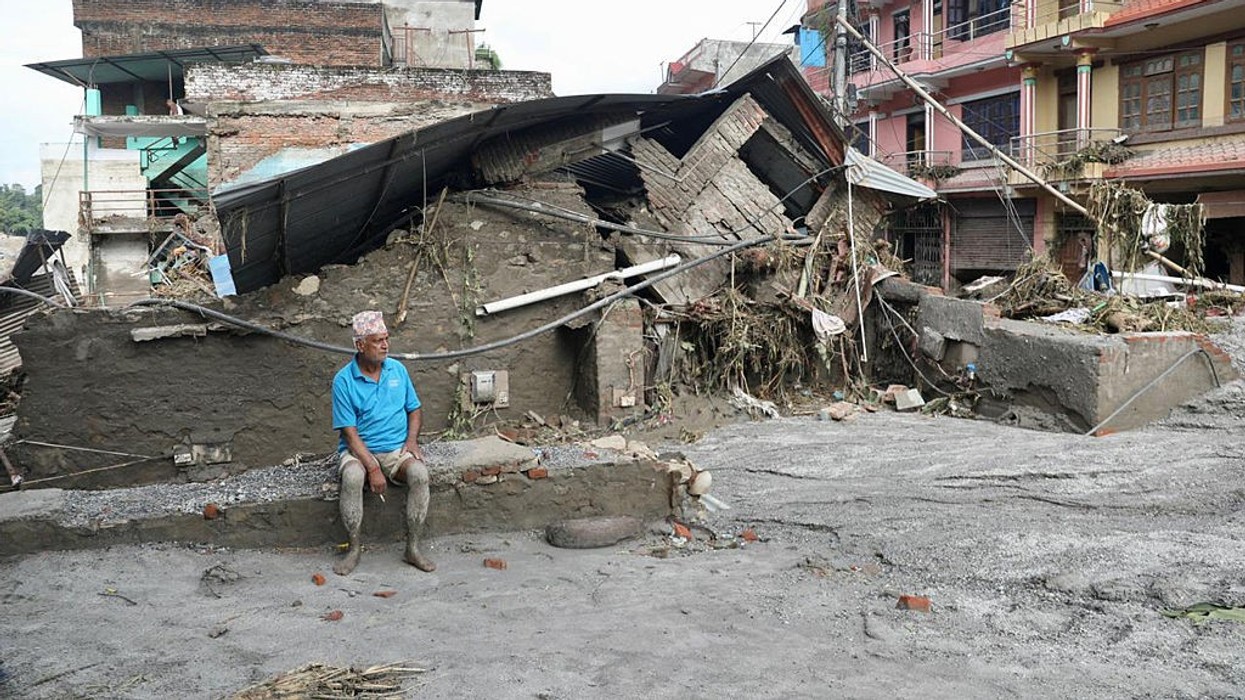
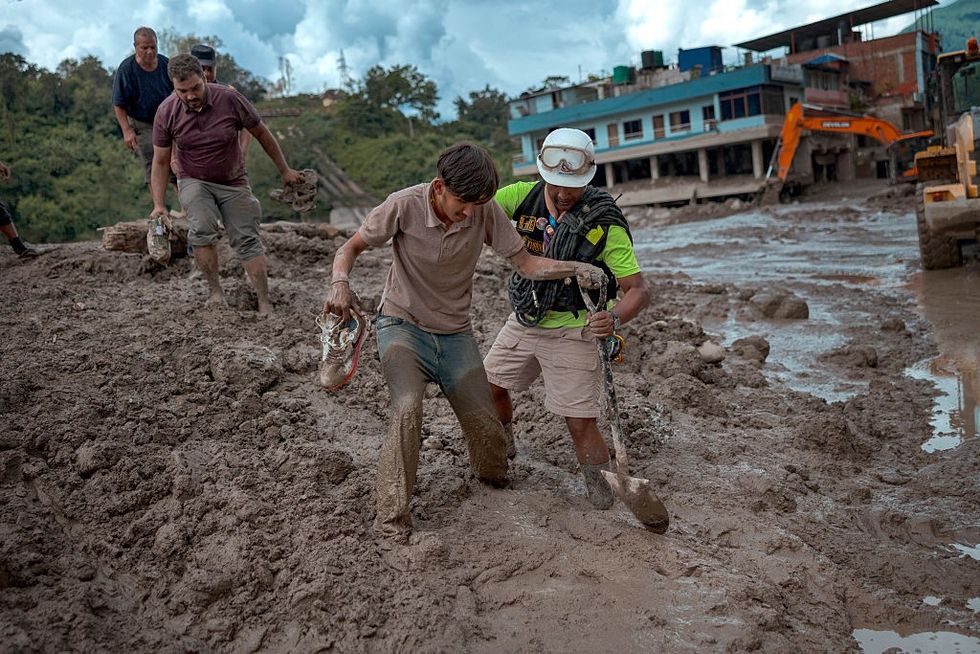 A rescuer assists a resident through heavy mud following flash floods on August 27, 2026 in Trishuli, Nepal. A sudden flood swept through the Bhote Koshi River basin in northern Rasuwa on August 26, damaging settlements, roads and energy infrastructure as rescue teams searched for residents and foreign travellers reported out of contact. Hundreds were reported missing, as the death toll started to climb.Getty Images
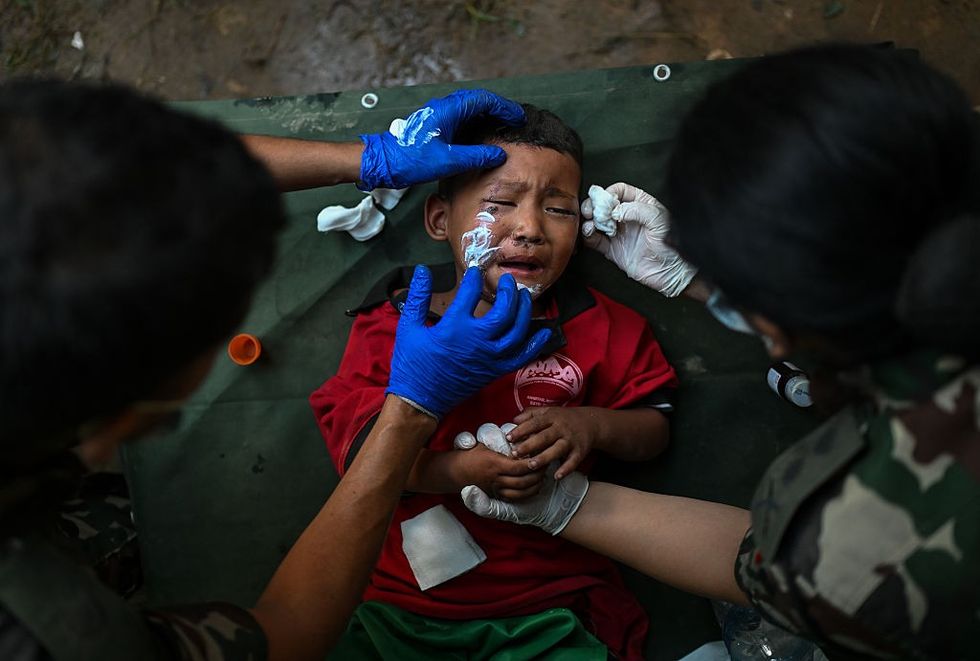 Rescue personnel provide medical treatment to a child at an army rescue camp in Trishuli Batar, Nepal, on August 27, 2026. A sudden flood swept through the Bhote Koshi River basin in northern Rasuwa on August 26, damaging settlements, roads and energy infrastructure, as rescue teams searched for residents and foreign travellers reported out of contact. Hundreds were reported missing as the death toll began to climb. Getty Ima
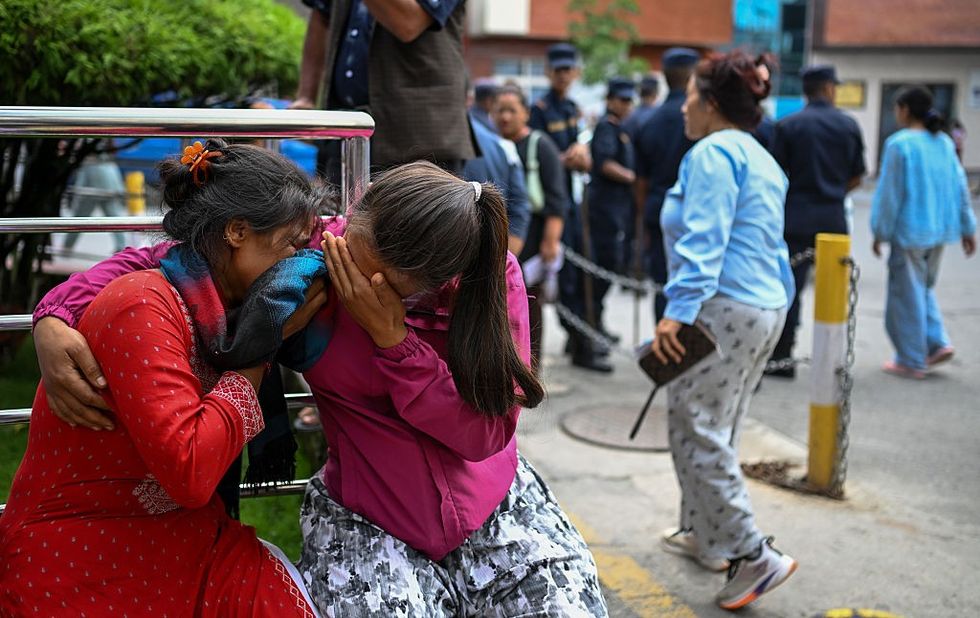 Family members of missing flood victims react at the emergency ward of the Maharajgunj Medical Campus, part of the Tribhuvan University Teaching Hospital, on August 28, 2026 in Kathmandu, Nepal. Authorities said the flash floods were triggered after a mass of ice, mud and rock collapsed into a Himalayan river near the Nepal-China border, leaving hundreds dead or missing and causing widespread damage in affected districts. Authorities continued the gruelling search for victims, many buried under metres of mud, as both China and Nepal issued fresh flooding alerts.Getty Images