

INDIA’S Maharashtra state chief minister Devendra Fadnavis said that opposition leaders seeking proof of the Balakot air strike should have been strapped to rockets so that they could have "seen with their own eyes.”
State Bharatiya Janata Party (BJP) minister Pankaja Munde had also made a similar remark recently about sending Congress president Rahul Gandhi to another country with a bomb strapped to him.
"We should have strapped some of the sceptical opposition leaders to the rocket, so that they could have seen with their own eyes," Fadnavis said at a poll rally at Virar in adjoining Palghar district on Monday (22).
The opposition keeps doubting this government's performance and even raises question mark over the armed forces and their courage, he added.
"What can we say about the opposition 'mahakhichadi' (grand mixture). They did not acknowledge the courage of our air force and raised doubts on Balakot air strike.”
"Had there been an inkling about doubts from the opposition, we could have strapped their leaders to the rockets which were sent to Balakot to see the attack with their own eyes," Fadnavis said.
Munde, minister for women and child development, at a poll rally in Jalna district last week made similar comments against Gandhi.
"Whoever is raising such doubts on effectiveness of the air strike, I would like to say, Rahul Gandhi should be tied to a bomb and dropped to another country. I think only then they (opposition) will understand what we have done," he said.


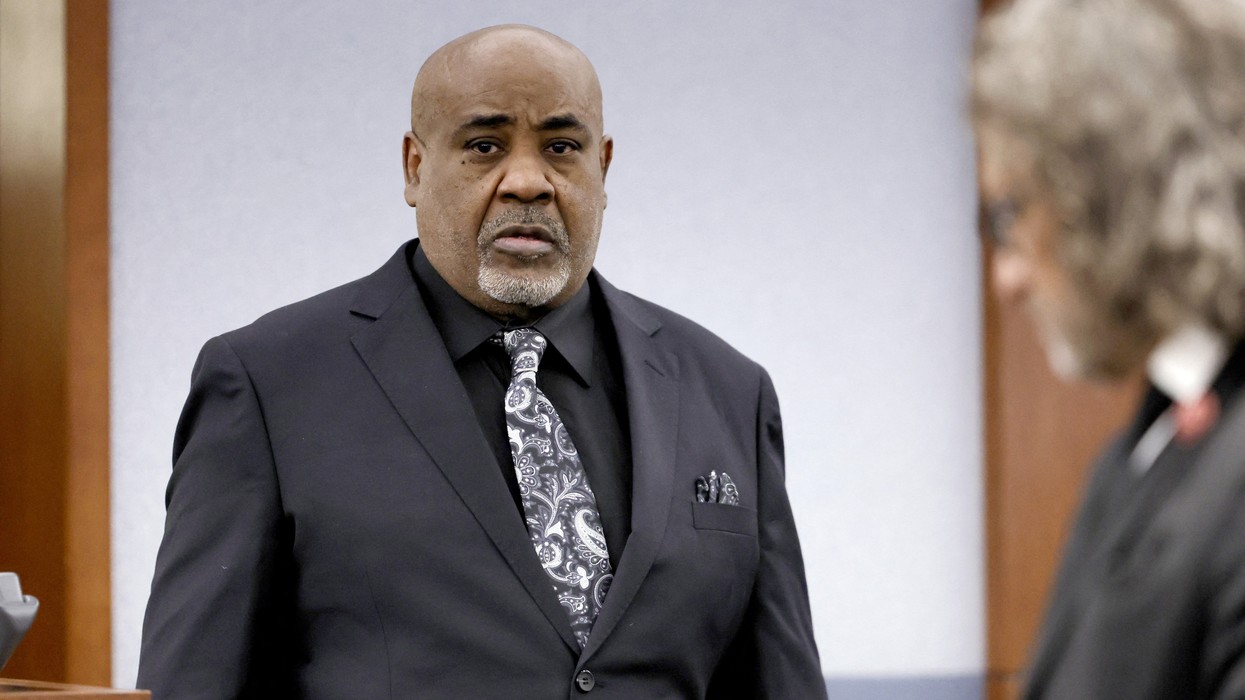
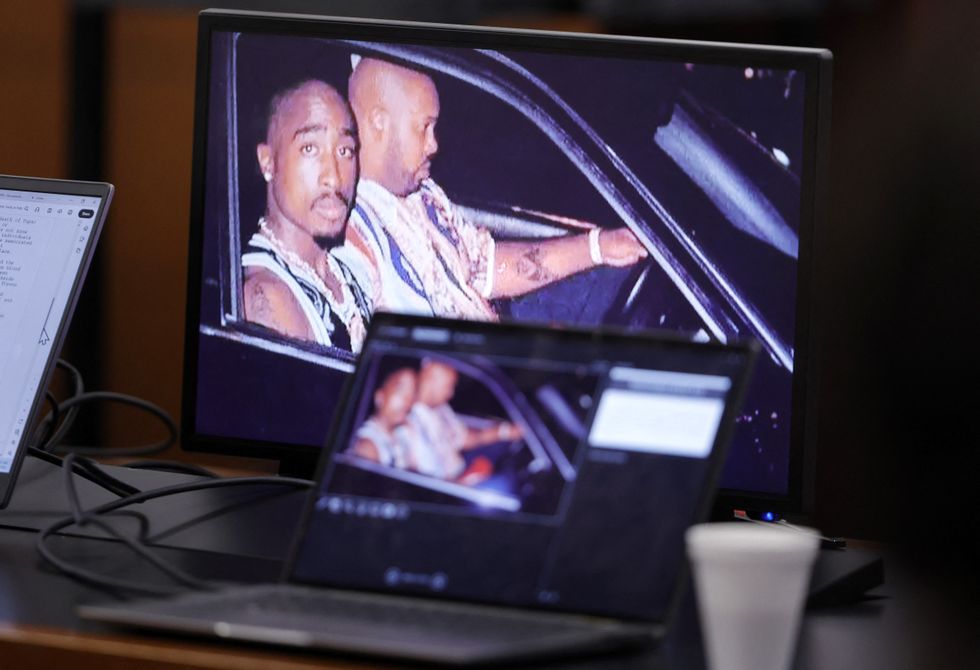 A 1996 photo of rapper Tupac Shakur (L) and Marion "Suge" Knight is shown on screens during closing arguments in the Duane Davis murder trial, related to the 1996 killing of rapper Tupac Shakur, at Clark County District Court at the Regional Justice Center in Las Vegas, Nevada, on August 31, 2026. Getty Images


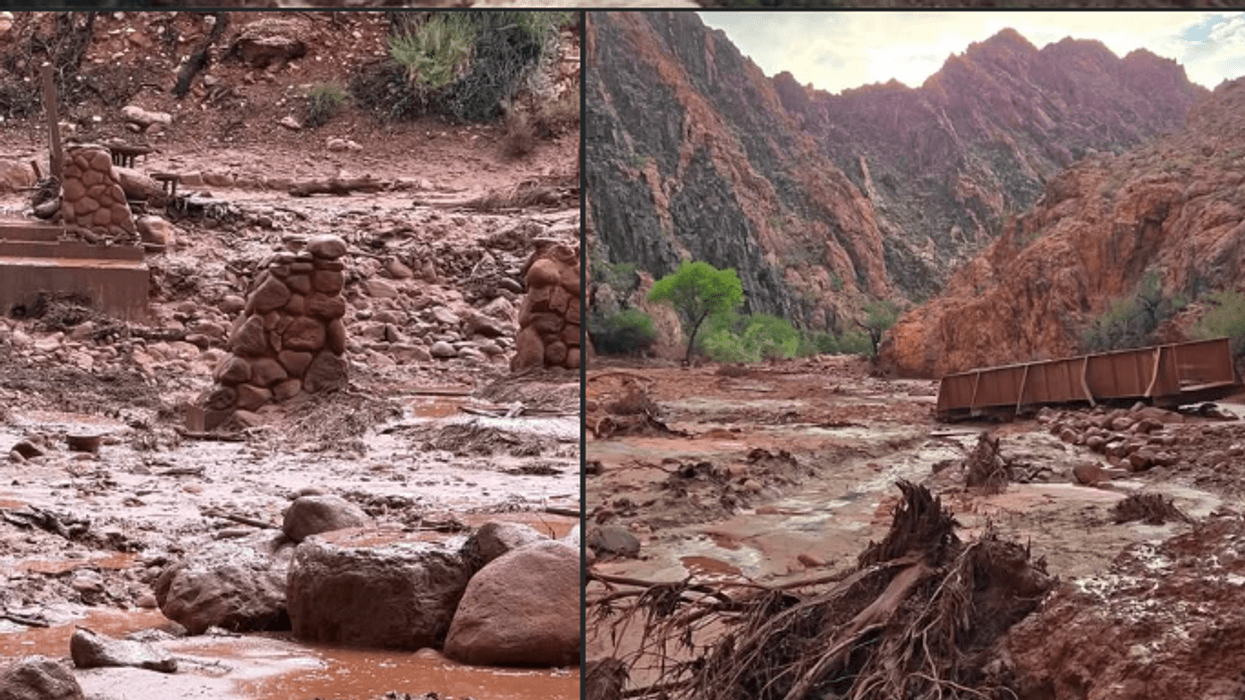
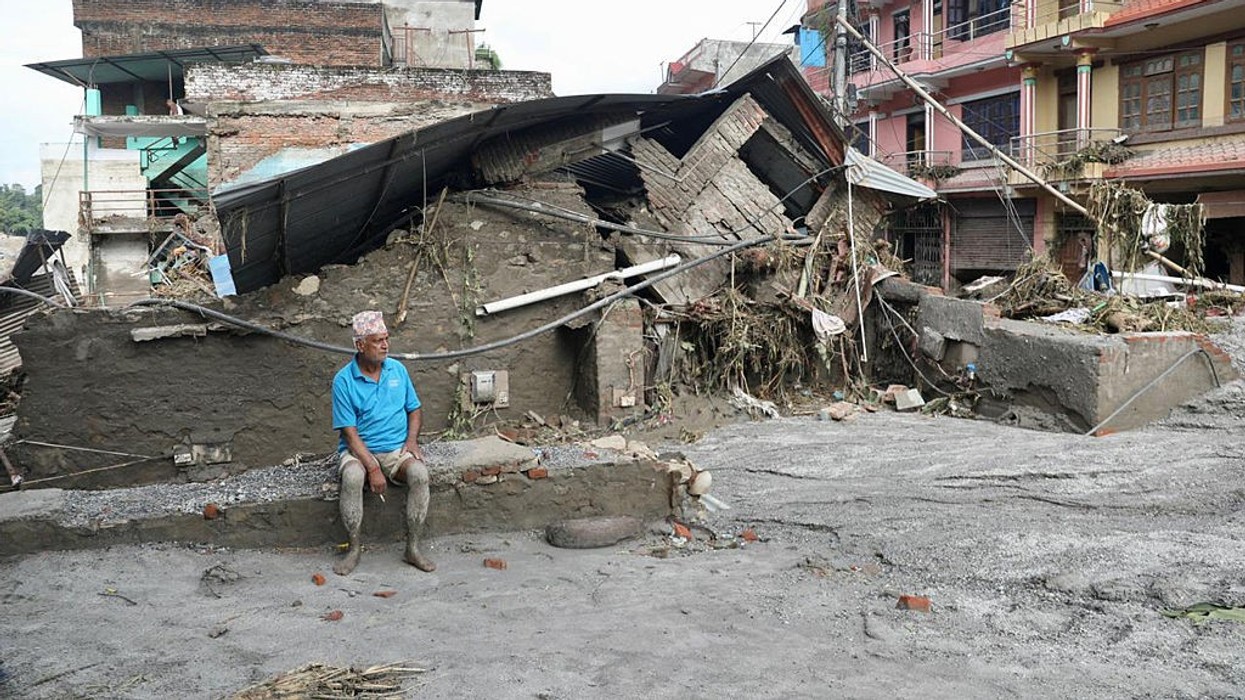
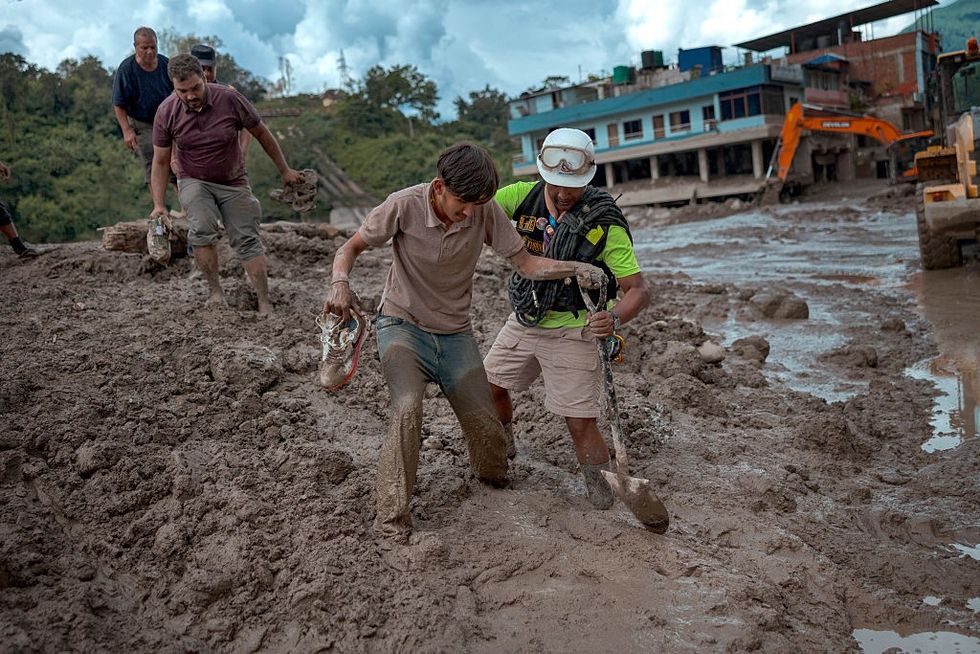 A rescuer assists a resident through heavy mud following flash floods on August 27, 2026 in Trishuli, Nepal. A sudden flood swept through the Bhote Koshi River basin in northern Rasuwa on August 26, damaging settlements, roads and energy infrastructure as rescue teams searched for residents and foreign travellers reported out of contact. Hundreds were reported missing, as the death toll started to climb.Getty Images
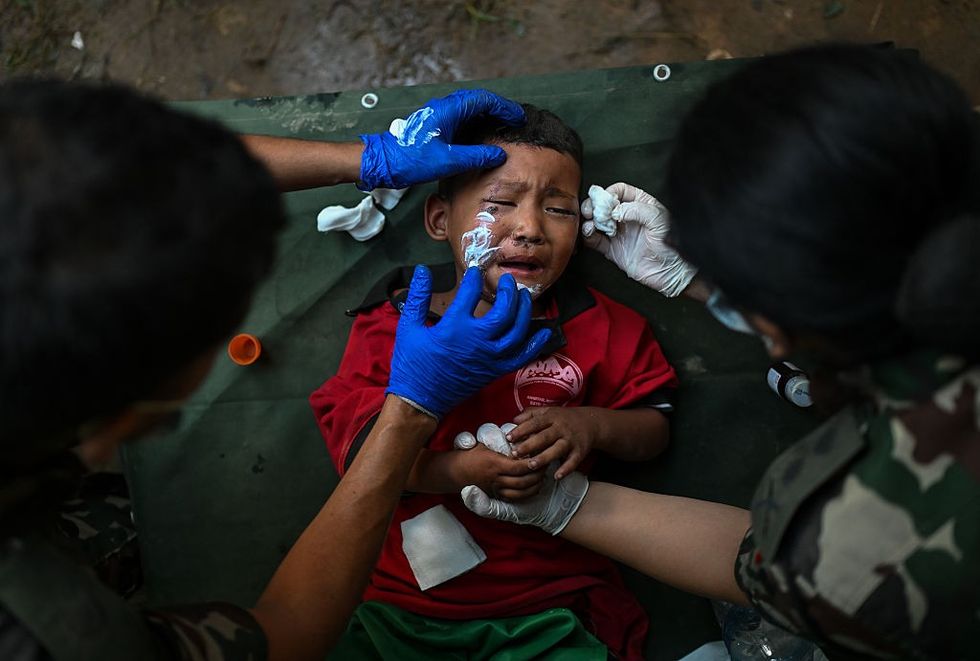 Rescue personnel provide medical treatment to a child at an army rescue camp in Trishuli Batar, Nepal, on August 27, 2026. A sudden flood swept through the Bhote Koshi River basin in northern Rasuwa on August 26, damaging settlements, roads and energy infrastructure, as rescue teams searched for residents and foreign travellers reported out of contact. Hundreds were reported missing as the death toll began to climb. Getty Ima
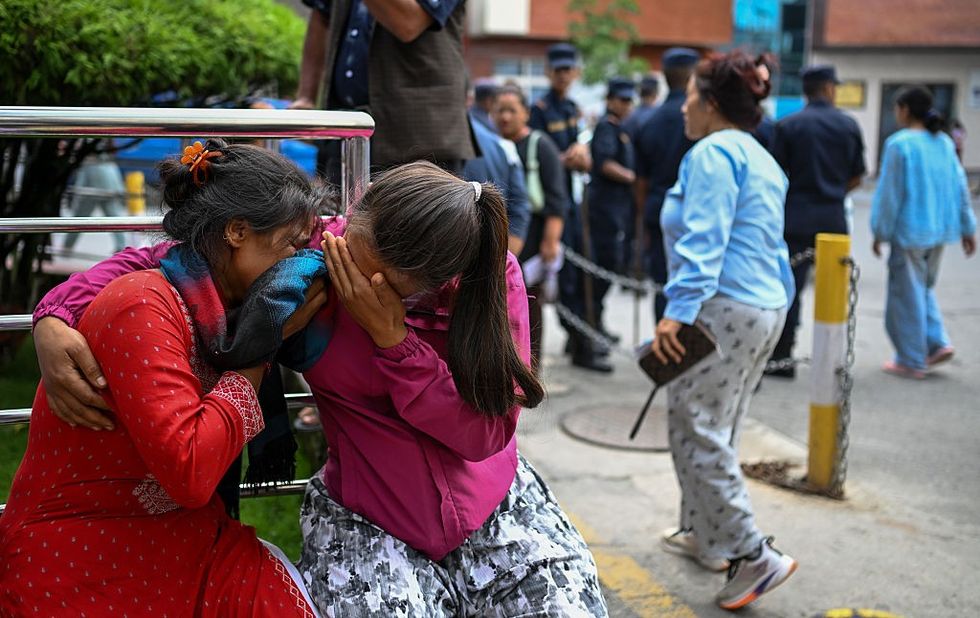 Family members of missing flood victims react at the emergency ward of the Maharajgunj Medical Campus, part of the Tribhuvan University Teaching Hospital, on August 28, 2026 in Kathmandu, Nepal. Authorities said the flash floods were triggered after a mass of ice, mud and rock collapsed into a Himalayan river near the Nepal-China border, leaving hundreds dead or missing and causing widespread damage in affected districts. Authorities continued the gruelling search for victims, many buried under metres of mud, as both China and Nepal issued fresh flooding alerts.Getty Images