

Prime minister Rishi Sunak faces questions Monday over whether his “Eat Out to Help Out” scheme to help the struggling hospitality sector during the pandemic spurred the spread of Covid-19.
Sunak, who was finance minister at the time, is due to give evidence to the public inquiry into the UK government’s handling of the crisis.
In a message disclosed earlier to the inquiry, one government scientific adviser, Angela McLean, called Sunak “Dr Death, the Chancellor” over concerns about the scheme.
Sunak’s appearance follows Boris Johnson’s own grilling by the inquiry last week as his government faces a string of challenges ahead of a general election expected next year.
His evidence will re-focus attention on the economic cost of the UK’s repeated Covid lockdowns.
Sunak’s government-backed initiative encouraged people to visit restaurants in August 2020 by picking up a chunk of the bill.
The hospitality sector had been badly hit by lockdown policies which forced them to close.
“It was an effective way of ensuring that the hospitality industry was supported through a very difficult period,” cabinet minister Michael Gove said on Sunday.
He said it was “entirely within the broad outlines of rules about social mixing that prevailed at the time”.
The inquiry has already heard from prominent figures including Johnson’s controversial ex-aide Dominic Cummings and Patrick Vallance who was the government’s chief scientific adviser during the pandemic.



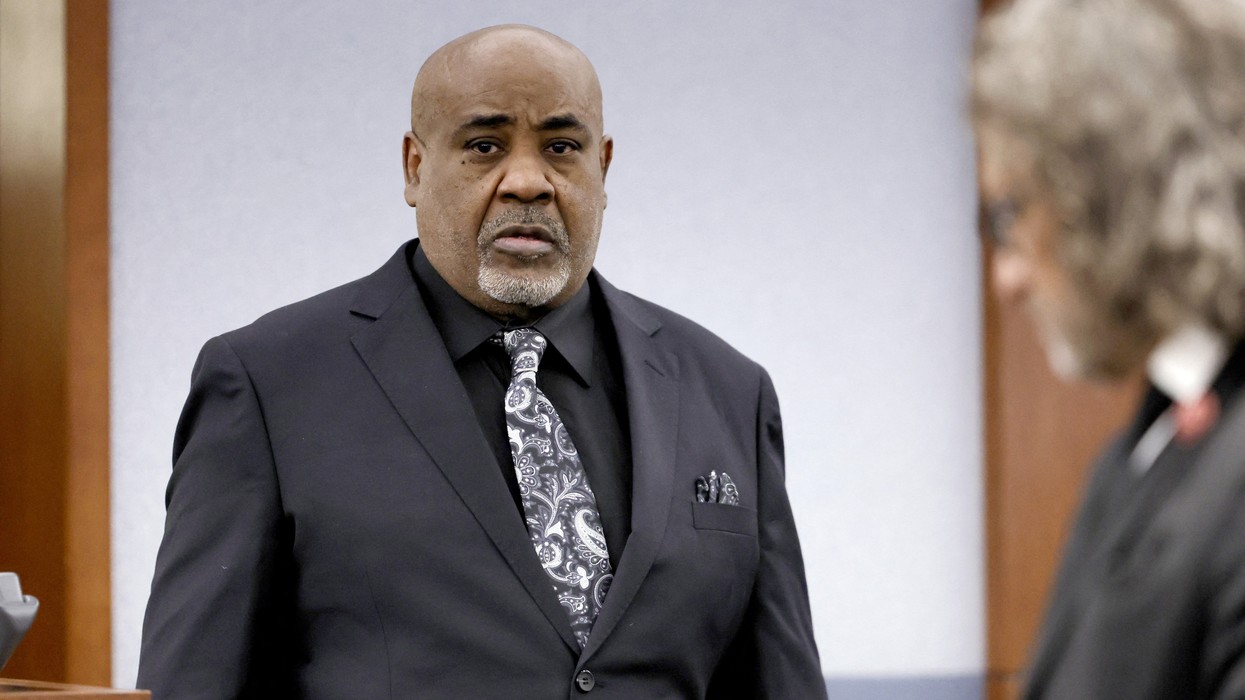
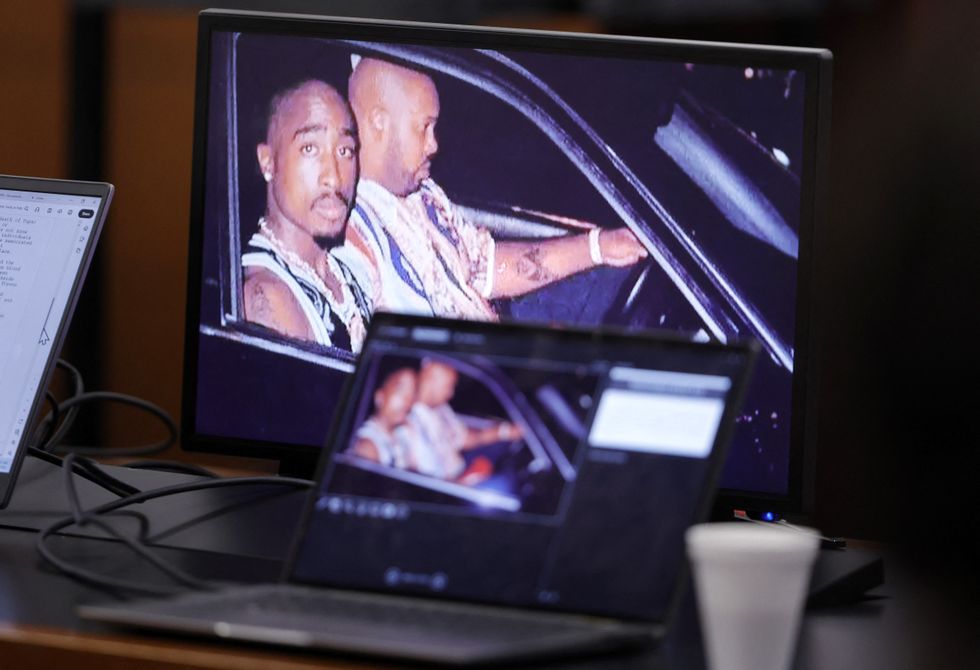 A 1996 photo of rapper Tupac Shakur (L) and Marion "Suge" Knight is shown on screens during closing arguments in the Duane Davis murder trial, related to the 1996 killing of rapper Tupac Shakur, at Clark County District Court at the Regional Justice Center in Las Vegas, Nevada, on August 31, 2026. Getty Images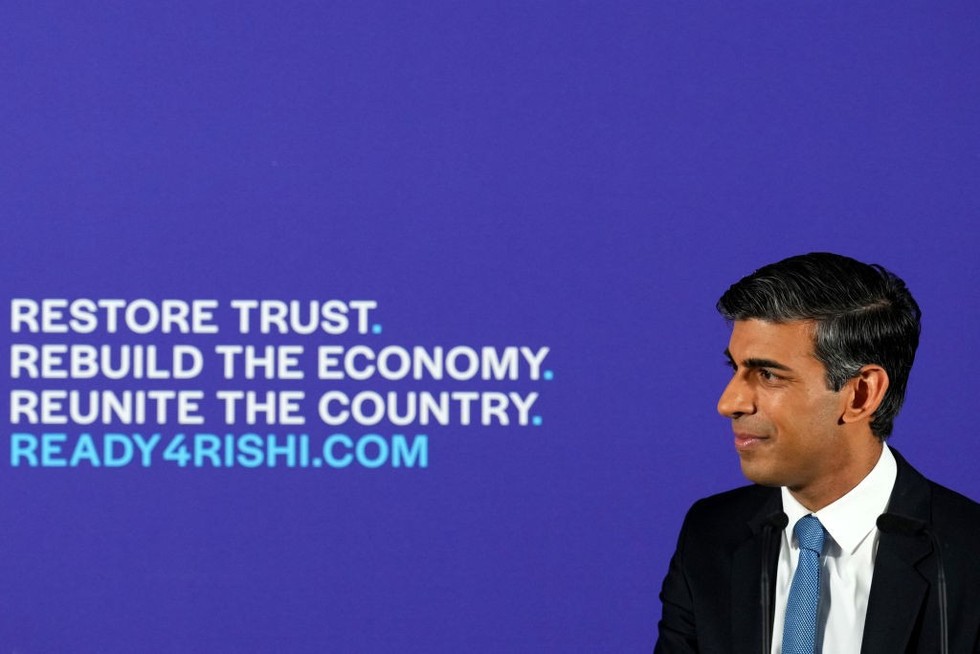



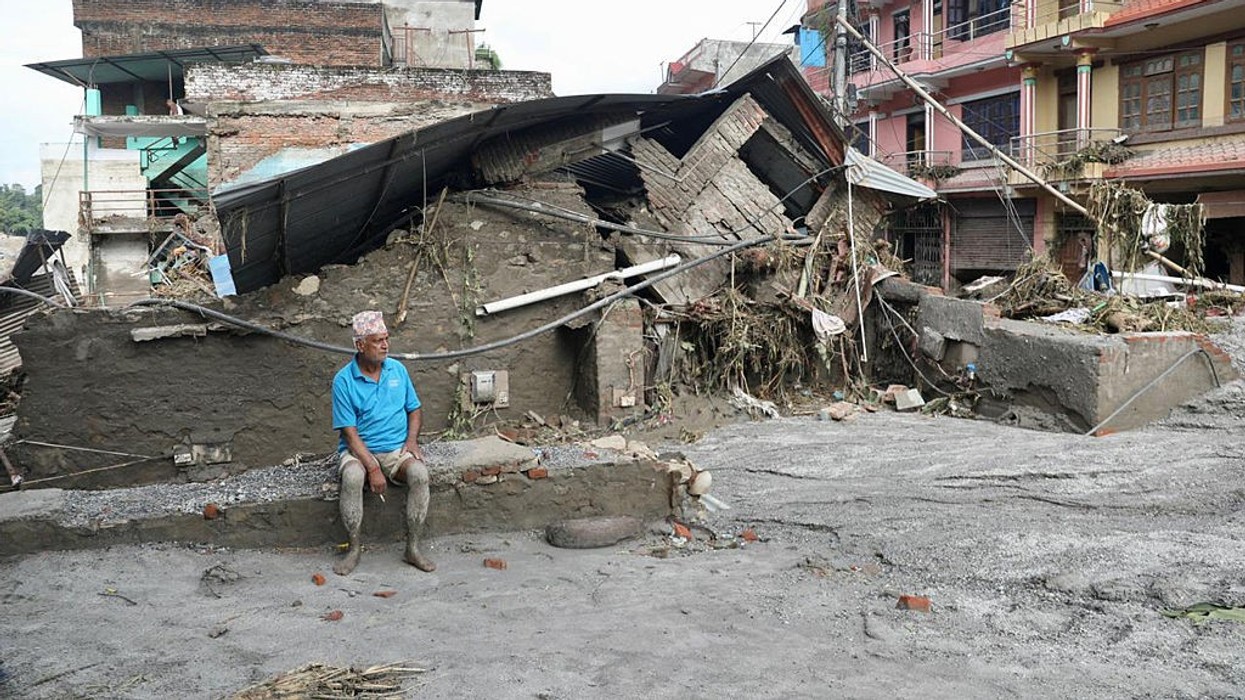
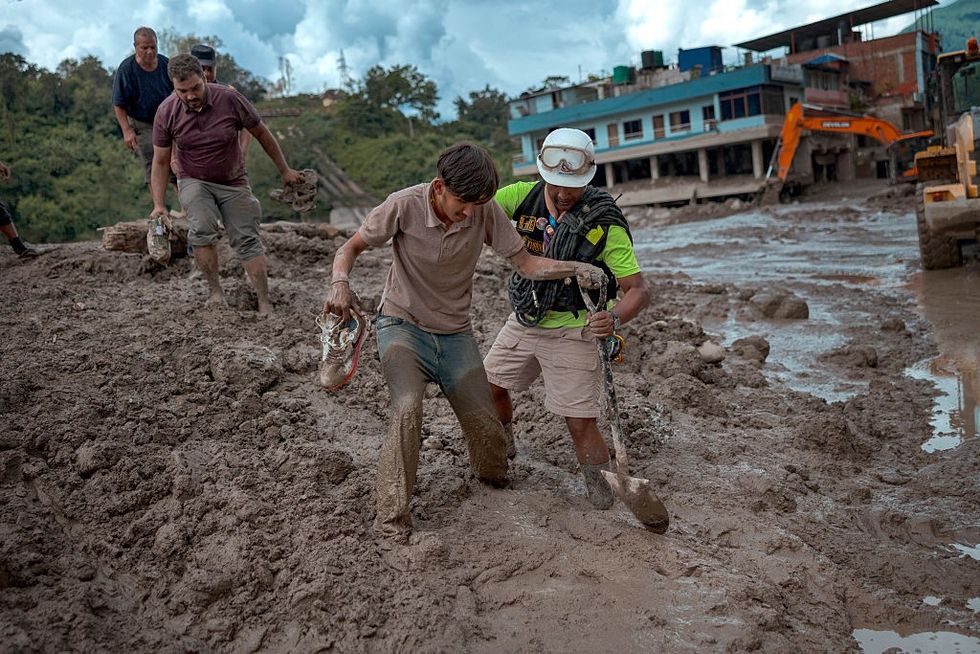 A rescuer assists a resident through heavy mud following flash floods on August 27, 2026 in Trishuli, Nepal. A sudden flood swept through the Bhote Koshi River basin in northern Rasuwa on August 26, damaging settlements, roads and energy infrastructure as rescue teams searched for residents and foreign travellers reported out of contact. Hundreds were reported missing, as the death toll started to climb.Getty Images
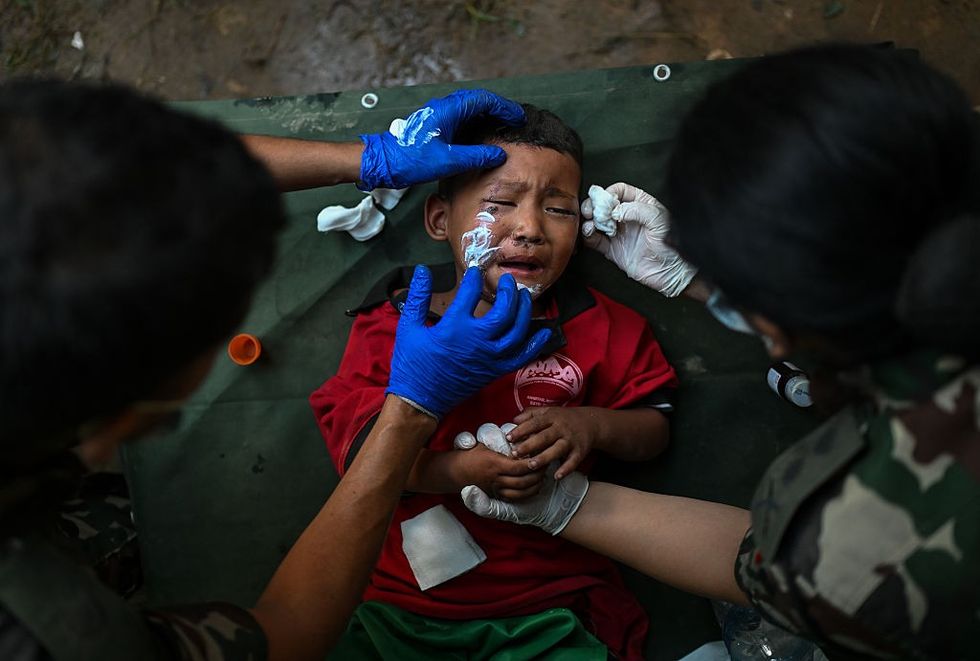 Rescue personnel provide medical treatment to a child at an army rescue camp in Trishuli Batar, Nepal, on August 27, 2026. A sudden flood swept through the Bhote Koshi River basin in northern Rasuwa on August 26, damaging settlements, roads and energy infrastructure, as rescue teams searched for residents and foreign travellers reported out of contact. Hundreds were reported missing as the death toll began to climb. Getty Ima
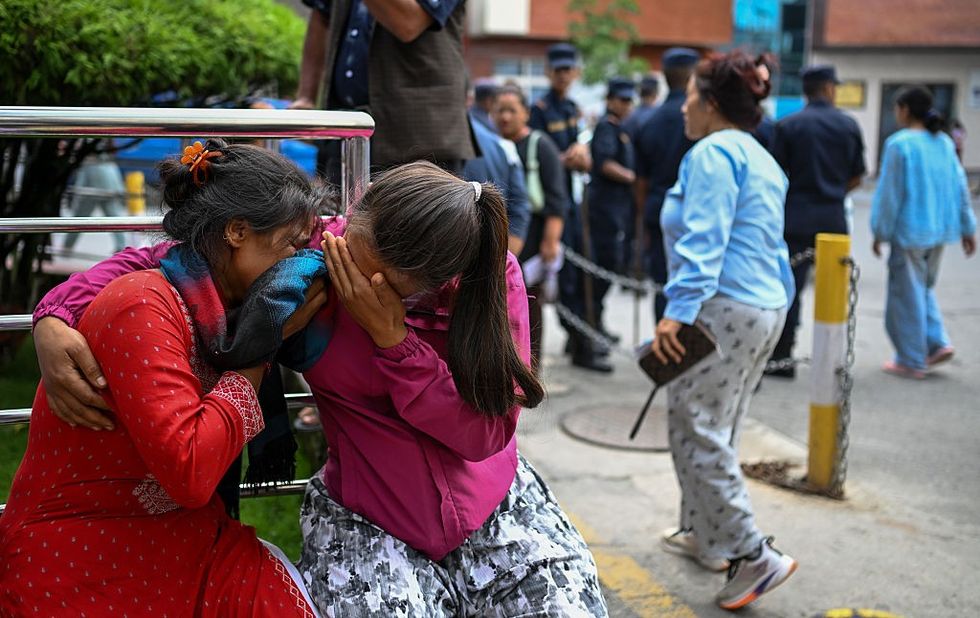 Family members of missing flood victims react at the emergency ward of the Maharajgunj Medical Campus, part of the Tribhuvan University Teaching Hospital, on August 28, 2026 in Kathmandu, Nepal. Authorities said the flash floods were triggered after a mass of ice, mud and rock collapsed into a Himalayan river near the Nepal-China border, leaving hundreds dead or missing and causing widespread damage in affected districts. Authorities continued the gruelling search for victims, many buried under metres of mud, as both China and Nepal issued fresh flooding alerts.Getty Images