

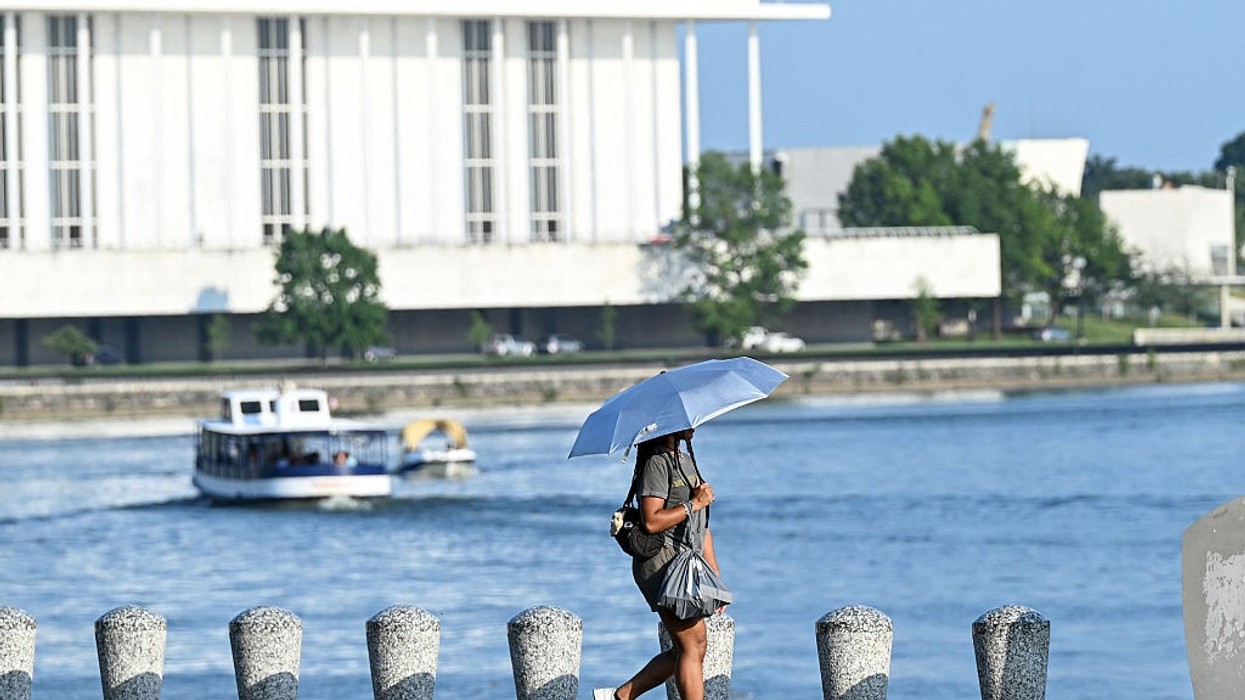
AMID a punishing heatwave building up in large parts of India, Delhi saw a jump of two to three degrees Celsius in the maximum temperature at most places on Wednesday (27).
Extreme heat continued to scorch large swathes of south Asia this week, offering no reprieve after the hottest March on record in India, and triggering comments from prime minister Narendra Modi on India getting too hot too early.
The Safdarjung Observatory – Delhi’s base station – recorded a maximum temperature of 41.5 degrees Celsius as against 40.8 degrees Celsius on Tuesday (26).
Areas like Pitampura (43.6 degrees Celsius) and Mungeshpur (44.1 degrees Celsius) reeled under a searing heatwave.
The mercury level at the Safdarjung Observatory is expected to touch 44 degrees Celsius by Friday (29), according to the India Meteorological Department (IMD).
The maximum temperature may even leap to 46 degrees Celsius in parts of Delhi, a Met department official said. The all-time high temperature in the city for the month was 45.6 degrees Celsius on April 29, 1941.
The national capital falls in the core heatwave zone – the most heatwave-prone areas in India – along with the states of Telangana, Andhra Pradesh, Himachal Pradesh, Uttarakhand, Haryana, Uttar Pradesh, Rajasthan, Madhya Pradesh, Maharashtra, Bihar, Chhattisgarh and West Bengal.
Northwest India has been recording higher than normal temperatures since March last week, with weather experts attributing it to the absence of periodic light rainfall and thundershowers.
A severe heatwave is declared if the departure from normal temperature is more than 6.4 notches. A severe heatwave is declared if the temperature crosses the 47-degree mark.
Northwestern Rajasthan state scheduled four hours of power cuts for factories, making it at least the third state to disrupt industrial activity to manage surging power demand amid the intense heatwave.
Gujarat state and Andhra Pradesh restricted industrial activity this month as air conditioning demand surged and economic activity picked up following an end to coronavirus-related restrictions.
Rajasthan also imposed four-hour power cuts for rural regions, exposing thousands of families in the desert state to extreme temperatures, with peak summer heat still to come before cooling monsoon rains arrive in June.
The heat wave puts millions of blue-collar workers, including construction and farm labourers and those working on factory shop floors, at great risk. Sunstrokes have claimed thousands of Indian lives in the past.
Industrial disruption and widespread power cuts are also bad news for corporate India, as economic activity has just started to pick up after months of stagnation amid coronavirus lockdowns.
A rapid rise in power demand has also left India scrambling for coal, the dominant fuel used in electricity generation. Coal inventories are at the lowest pre-summer levels in at least nine years and electricity demand is seen rising at the fastest pace in nearly four decades.
(Agencies)




 A 1996 photo of rapper Tupac Shakur (L) and Marion "Suge" Knight is shown on screens during closing arguments in the Duane Davis murder trial, related to the 1996 killing of rapper Tupac Shakur, at Clark County District Court at the Regional Justice Center in Las Vegas, Nevada, on August 31, 2026. Getty Images







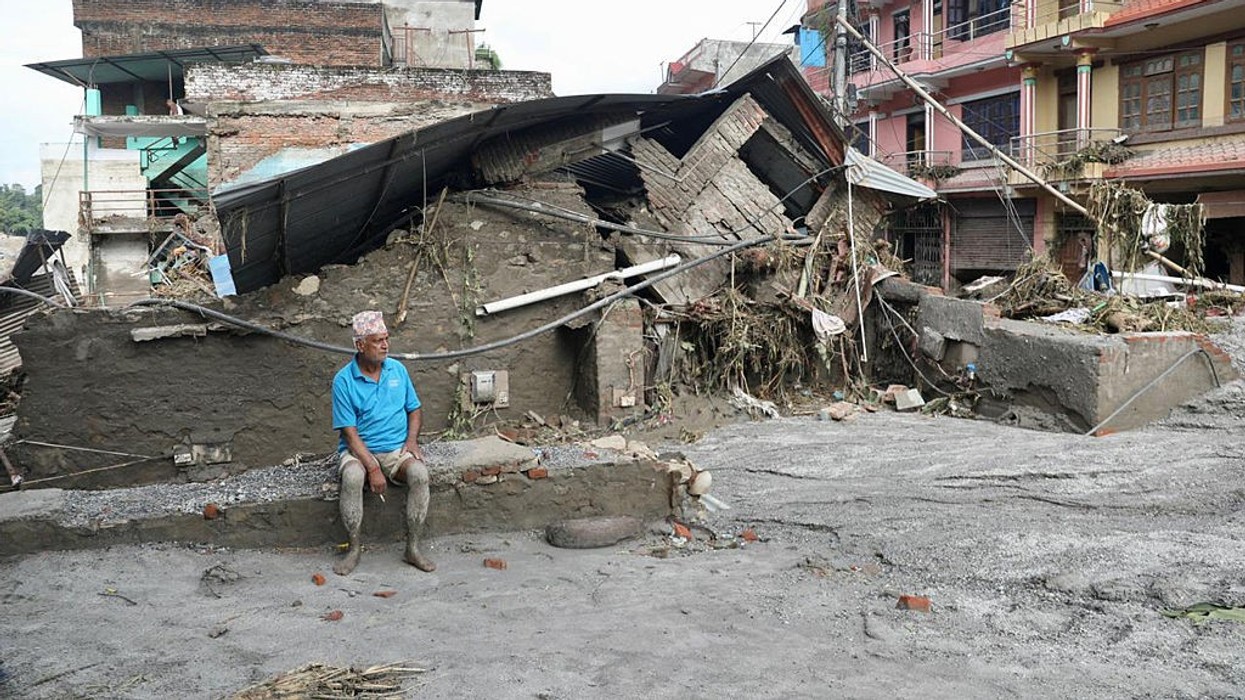
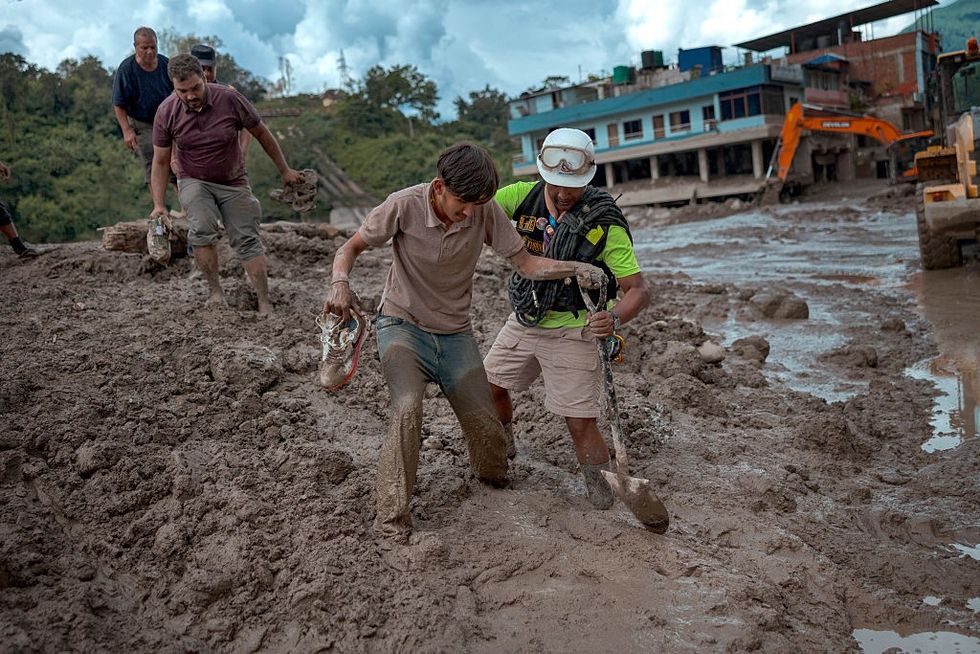 A rescuer assists a resident through heavy mud following flash floods on August 27, 2026 in Trishuli, Nepal. A sudden flood swept through the Bhote Koshi River basin in northern Rasuwa on August 26, damaging settlements, roads and energy infrastructure as rescue teams searched for residents and foreign travellers reported out of contact. Hundreds were reported missing, as the death toll started to climb.Getty Images
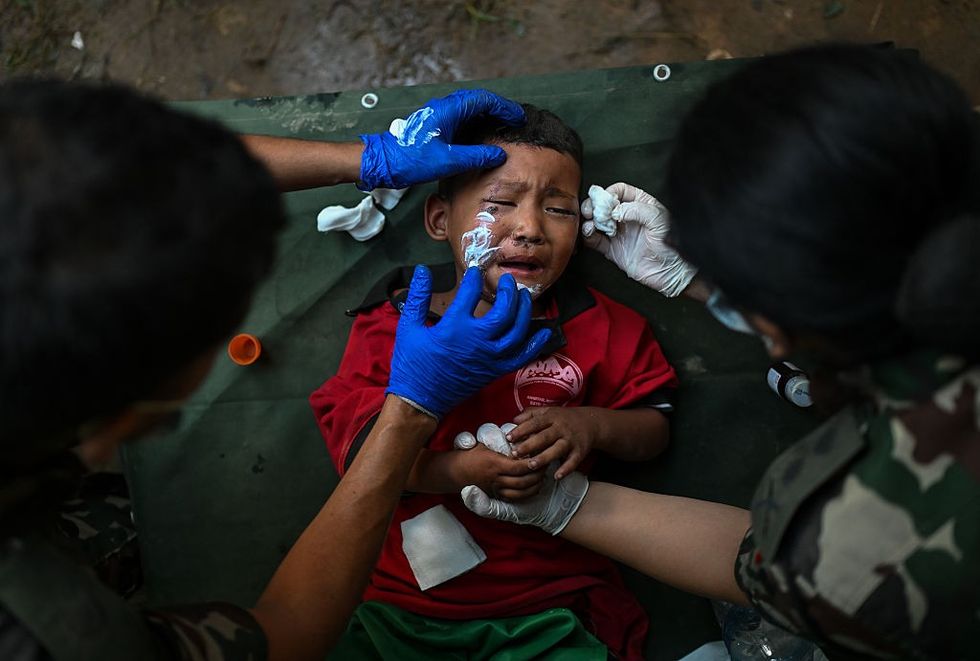 Rescue personnel provide medical treatment to a child at an army rescue camp in Trishuli Batar, Nepal, on August 27, 2026. A sudden flood swept through the Bhote Koshi River basin in northern Rasuwa on August 26, damaging settlements, roads and energy infrastructure, as rescue teams searched for residents and foreign travellers reported out of contact. Hundreds were reported missing as the death toll began to climb. Getty Ima
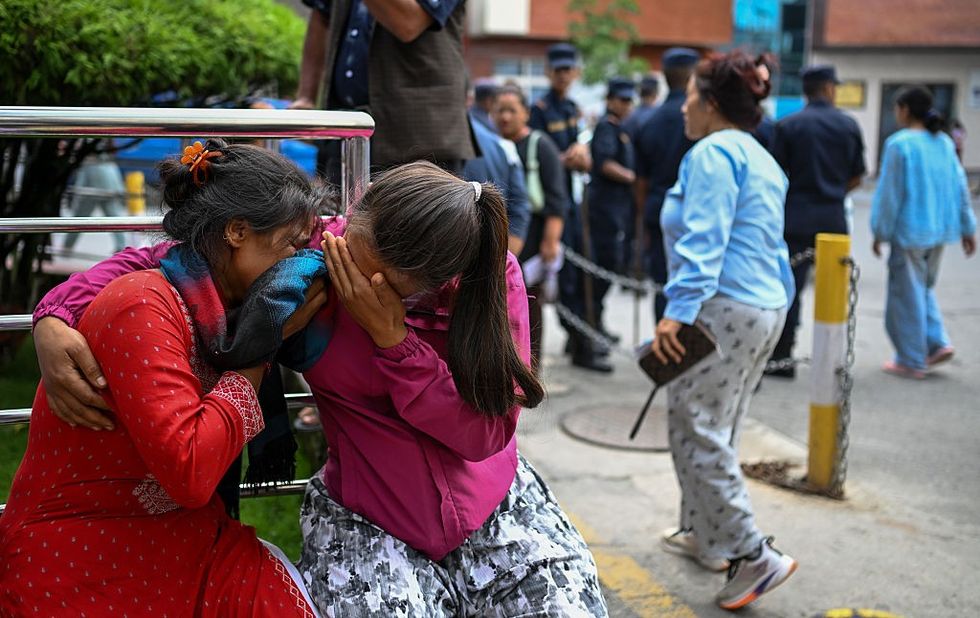 Family members of missing flood victims react at the emergency ward of the Maharajgunj Medical Campus, part of the Tribhuvan University Teaching Hospital, on August 28, 2026 in Kathmandu, Nepal. Authorities said the flash floods were triggered after a mass of ice, mud and rock collapsed into a Himalayan river near the Nepal-China border, leaving hundreds dead or missing and causing widespread damage in affected districts. Authorities continued the gruelling search for victims, many buried under metres of mud, as both China and Nepal issued fresh flooding alerts.Getty Images