

CANADIAN transgender cricketer Danielle McGahey has brought an end to her international career after the game’s governing body said any player who had been through male puberty would not be able to compete in the women’s game at the elite level.
The International Cricket Council (ICC)’s decision, made at a board meeting on Tuesday (21), follows similar rulings over the last couple of years by the global chiefs of swimming, rugby union, cycling and athletics.
The ICC said in a statement: “The changes to the gender eligibility regulations resulted from an extensive consultation process and is founded in science and aligned with the core principles developed during the review.
“Inclusivity is incredibly important to us as a sport, but our priority was to protect the integrity of the international women’s game and the safety of players.”
Transgender advocacy groups say excluding trans athletes amounts to discrimination. Critics of transgender inclusion in women’s sport say going through male puberty imbues athletes with a huge musculo-skeletal advantage that transition does not mitigate.
The ICC said the ruling, which followed a nine-month consultation process and applies only to international cricket, would be reviewed after two years.
Australian-born McGahey, who has played international cricket for Canada for more than a year, said the campaign for transgender inclusion in women’s sport would continue.
“Following the ICC’s decision this morning, it is with a very heavy heart that I must say that my international cricketing career is over,” the 29-year-old wrote in an Instagram post.
“I promise I will not stop fighting for equality for us in our sport, we deserve the right to play cricket at the highest level, we are not a threat to the integrity or safety of the sport. Never stop fighting!”
(Reuters)


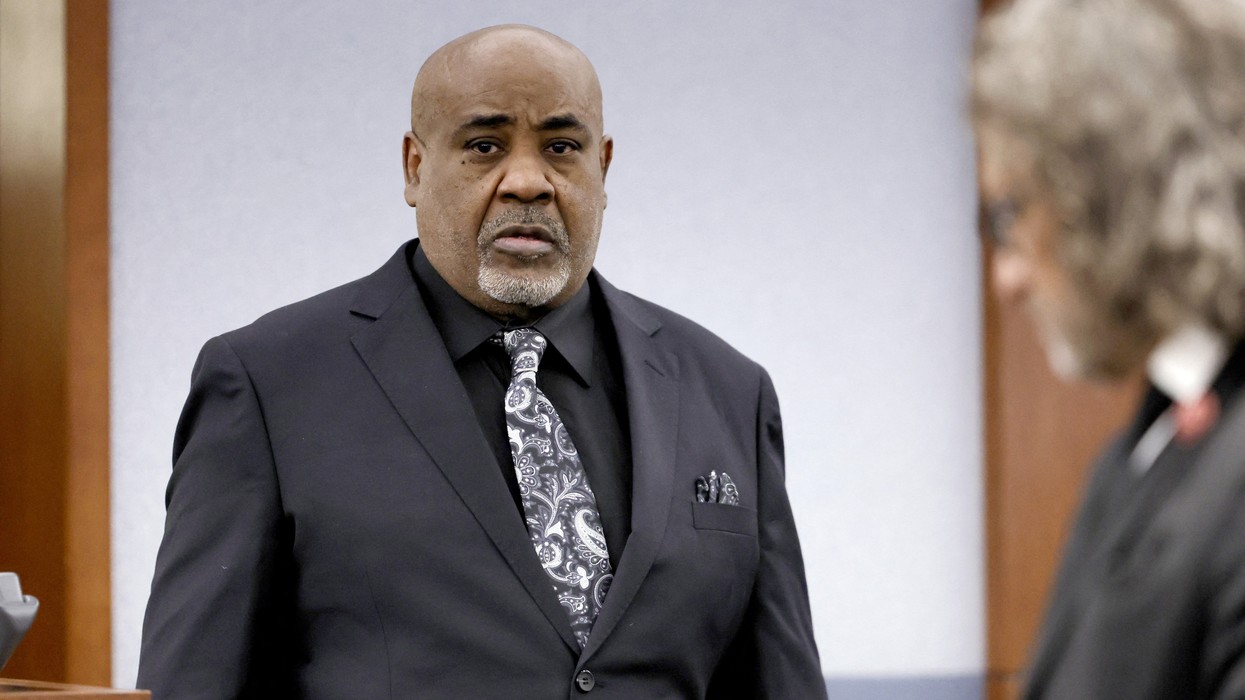
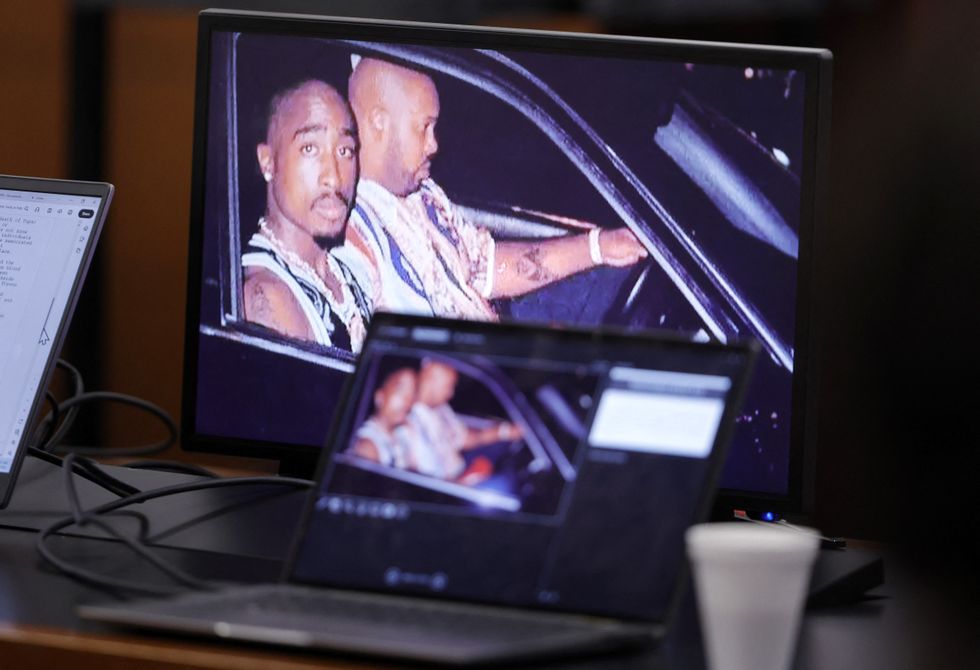 A 1996 photo of rapper Tupac Shakur (L) and Marion "Suge" Knight is shown on screens during closing arguments in the Duane Davis murder trial, related to the 1996 killing of rapper Tupac Shakur, at Clark County District Court at the Regional Justice Center in Las Vegas, Nevada, on August 31, 2026. Getty Images


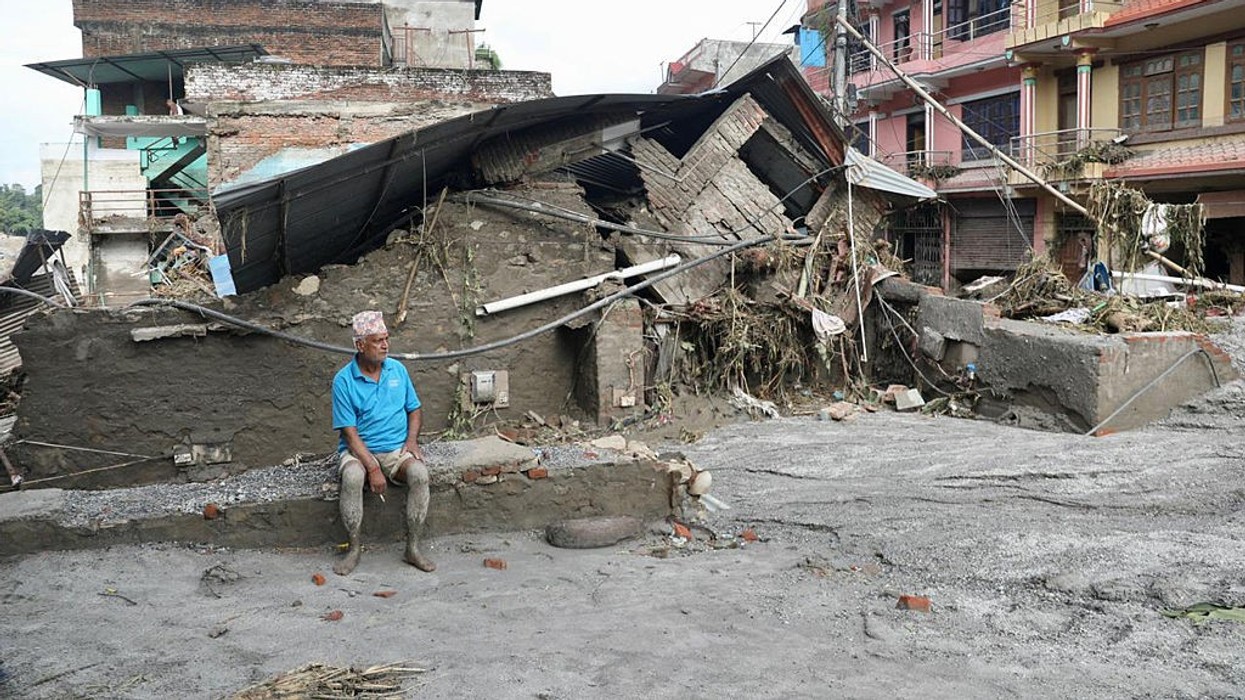
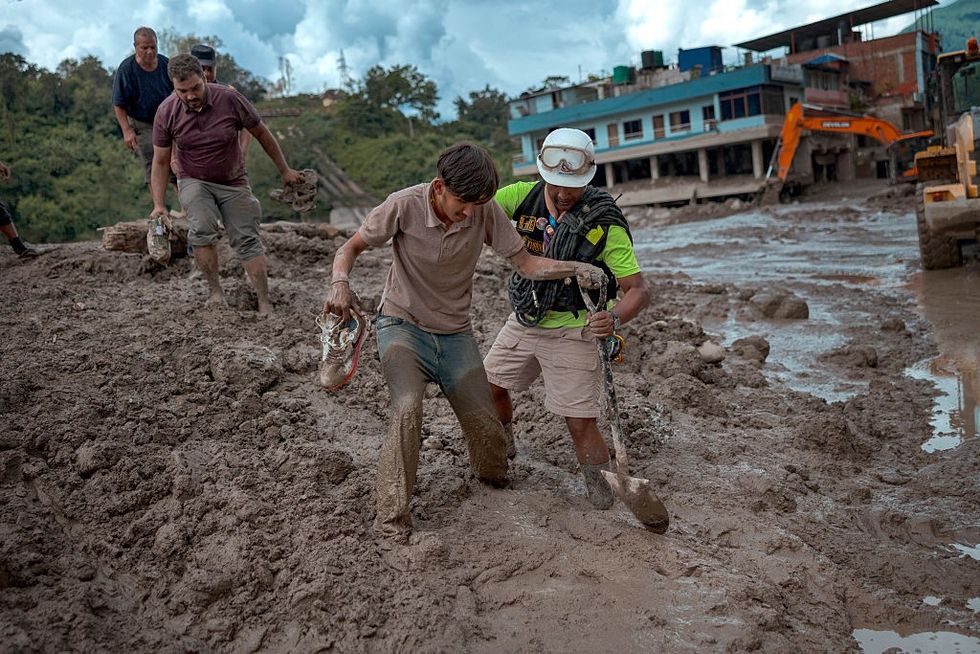 A rescuer assists a resident through heavy mud following flash floods on August 27, 2026 in Trishuli, Nepal. A sudden flood swept through the Bhote Koshi River basin in northern Rasuwa on August 26, damaging settlements, roads and energy infrastructure as rescue teams searched for residents and foreign travellers reported out of contact. Hundreds were reported missing, as the death toll started to climb.Getty Images
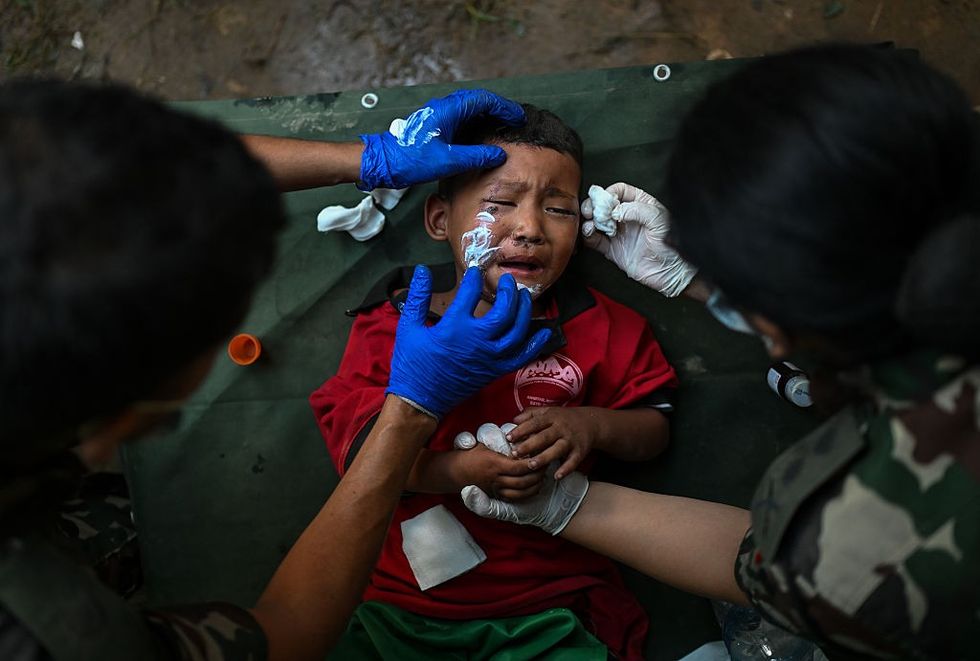 Rescue personnel provide medical treatment to a child at an army rescue camp in Trishuli Batar, Nepal, on August 27, 2026. A sudden flood swept through the Bhote Koshi River basin in northern Rasuwa on August 26, damaging settlements, roads and energy infrastructure, as rescue teams searched for residents and foreign travellers reported out of contact. Hundreds were reported missing as the death toll began to climb. Getty Ima
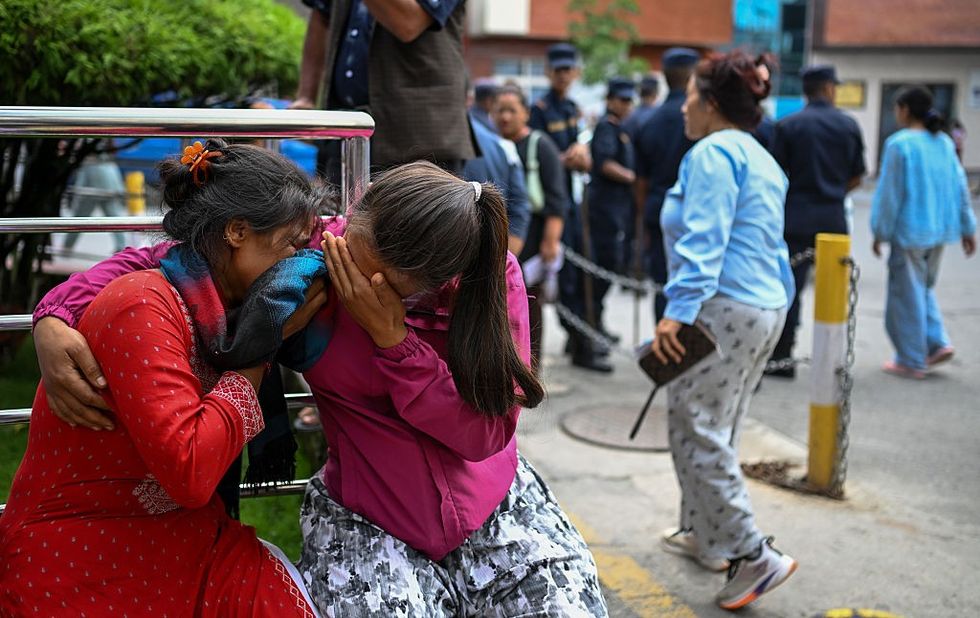 Family members of missing flood victims react at the emergency ward of the Maharajgunj Medical Campus, part of the Tribhuvan University Teaching Hospital, on August 28, 2026 in Kathmandu, Nepal. Authorities said the flash floods were triggered after a mass of ice, mud and rock collapsed into a Himalayan river near the Nepal-China border, leaving hundreds dead or missing and causing widespread damage in affected districts. Authorities continued the gruelling search for victims, many buried under metres of mud, as both China and Nepal issued fresh flooding alerts.Getty Images