

British public-sector health workers should receive an annual pay rise of 4-5% this year, a government advisory body plans to recommend, according to a report in the Guardian newspaper on Saturday.
Surging consumer price inflation, which hit a 40-year high of 9.1% in May, means workers are pushing for bigger than normal pay rises, and there have been widespread strikes in Britain’s privately operated rail industry over the past week.
Prime Minister Boris Johnson has said pay restraint in the public sector is needed to save money and reduce the risk of a longer-term inflationary spiral.
Average pay excluding bonuses in the public sector in the three months to April was up by an annual 1.8%, compared with 4.8% in the private sector, official figures show.
The Guardian said the National Health Service Pay Review Body – a panel that makes annual pay recommendations to the government – would recommend an increase of “somewhere between 4% and 5%”.
The body, which normally makes its annual recommendation in July, did not immediately reply to a request for comment. Last year it proposed a 3% pay rise, which the government accepted.
Its recommendations cover most staff other than doctors, dentists and senior managers in Britain’s National Health Service, totalling almost 1.5 million workers.
In a submission to the review body in February, the health ministry said it had a fixed budget to last until 2025, and that there were “stark trade-offs between pay and other NHS spending” such as staffing levels and medical equipment.
(Reuters)


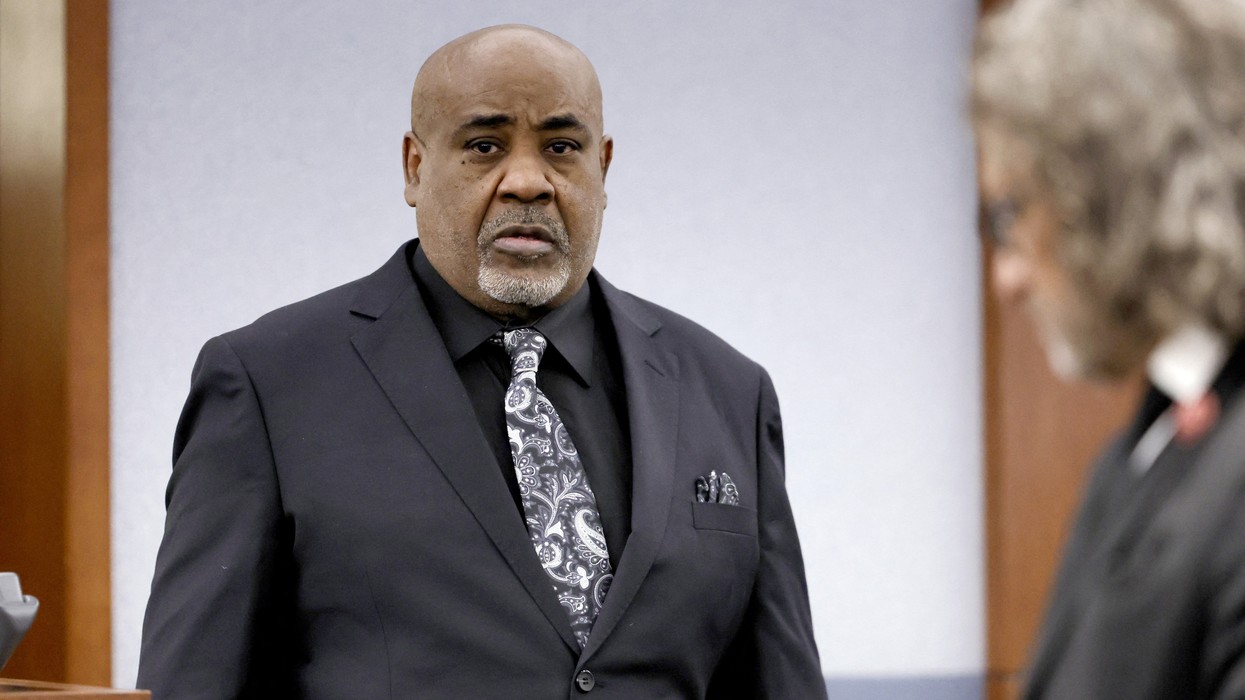
 A 1996 photo of rapper Tupac Shakur (L) and Marion "Suge" Knight is shown on screens during closing arguments in the Duane Davis murder trial, related to the 1996 killing of rapper Tupac Shakur, at Clark County District Court at the Regional Justice Center in Las Vegas, Nevada, on August 31, 2026. Getty Images



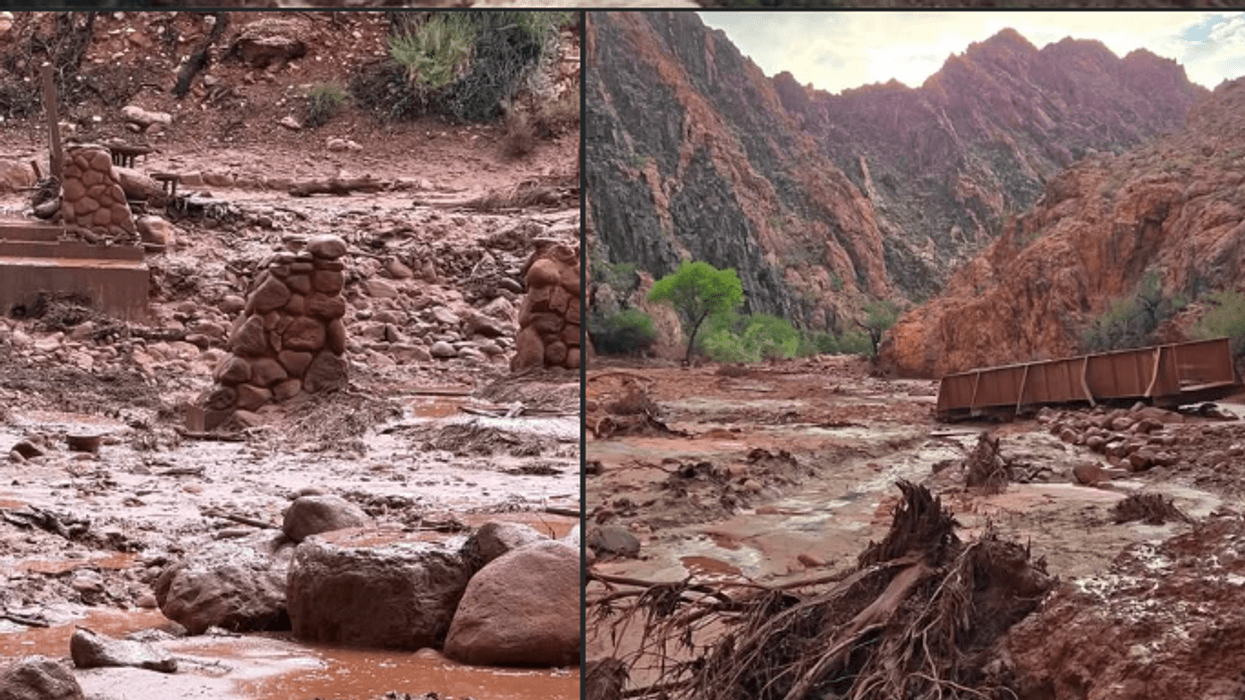
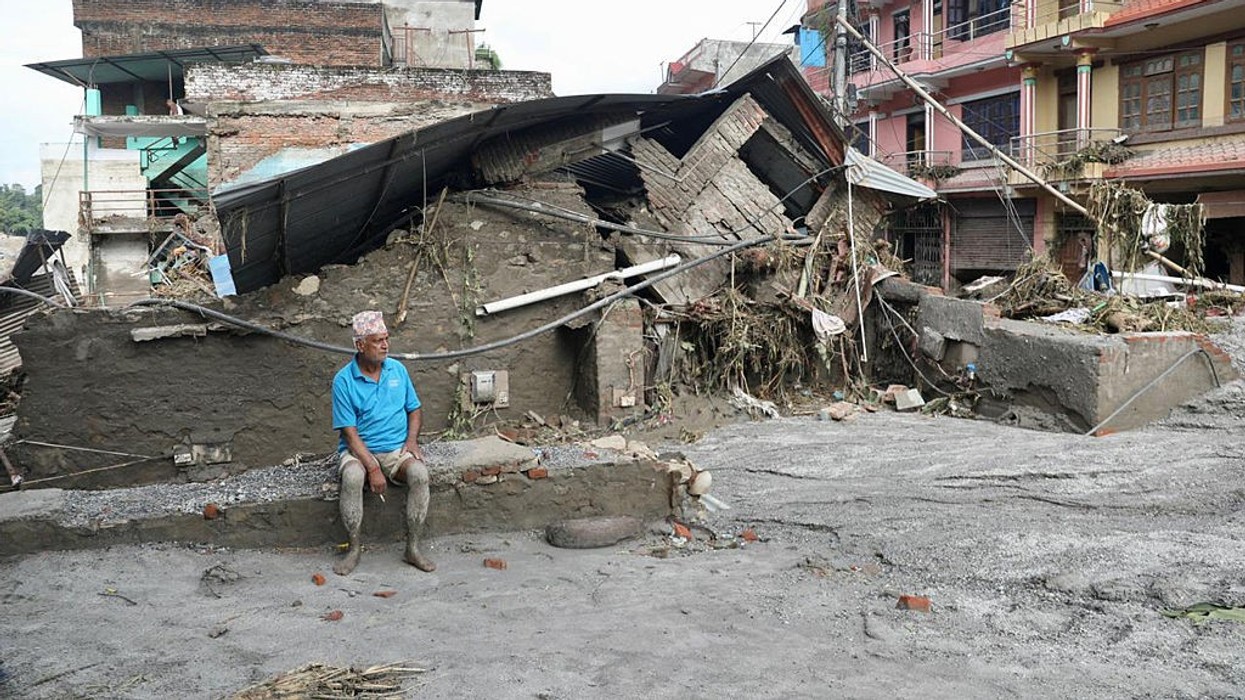
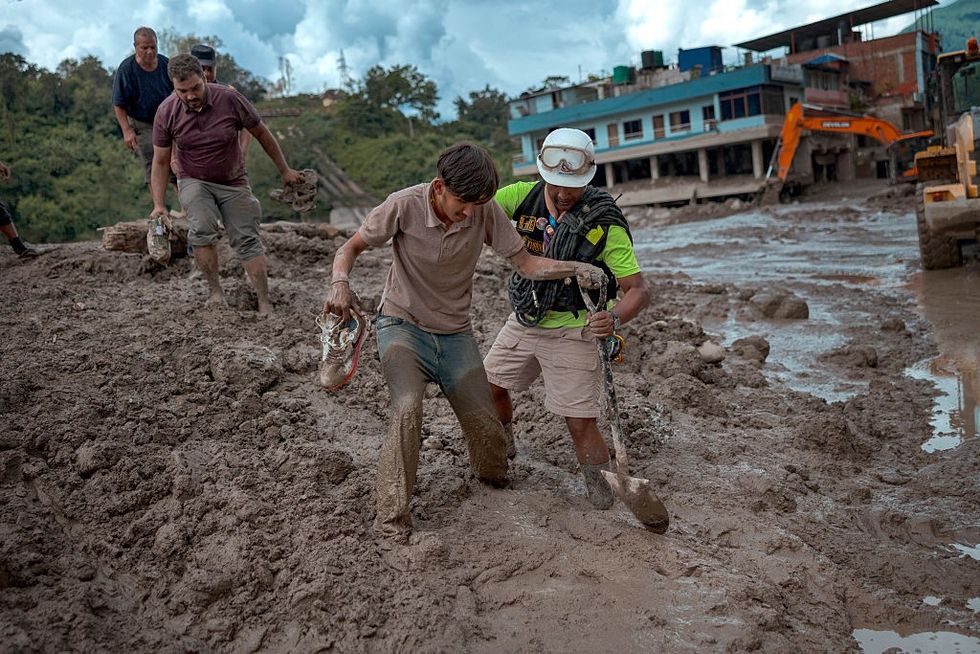 A rescuer assists a resident through heavy mud following flash floods on August 27, 2026 in Trishuli, Nepal. A sudden flood swept through the Bhote Koshi River basin in northern Rasuwa on August 26, damaging settlements, roads and energy infrastructure as rescue teams searched for residents and foreign travellers reported out of contact. Hundreds were reported missing, as the death toll started to climb.Getty Images
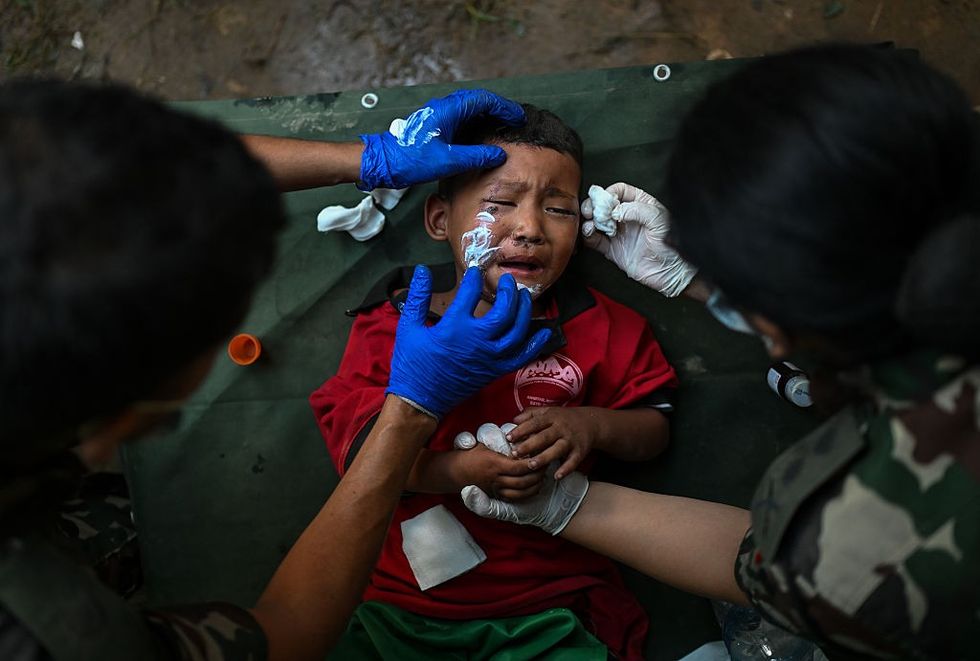 Rescue personnel provide medical treatment to a child at an army rescue camp in Trishuli Batar, Nepal, on August 27, 2026. A sudden flood swept through the Bhote Koshi River basin in northern Rasuwa on August 26, damaging settlements, roads and energy infrastructure, as rescue teams searched for residents and foreign travellers reported out of contact. Hundreds were reported missing as the death toll began to climb. Getty Ima
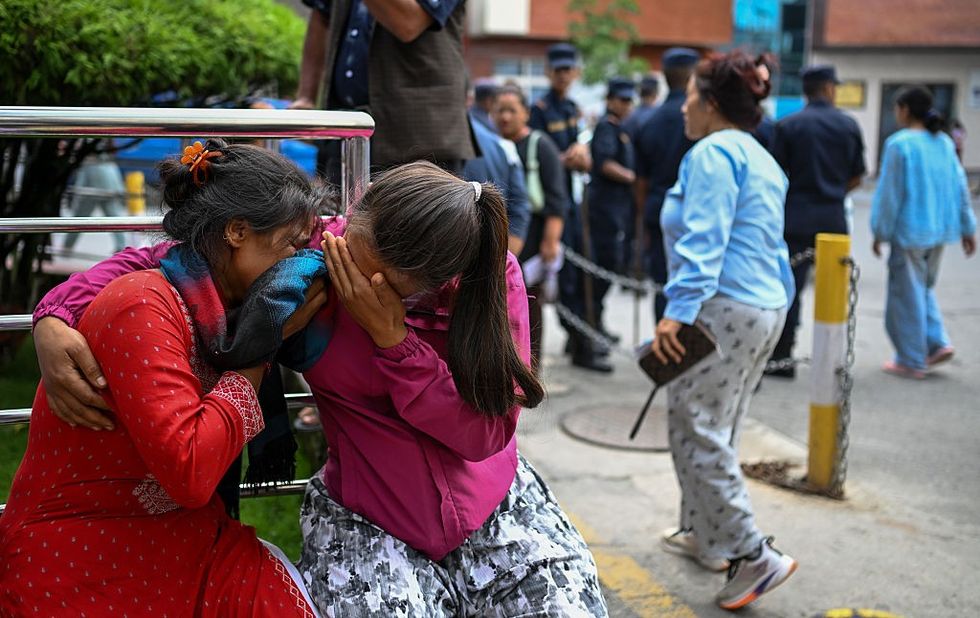 Family members of missing flood victims react at the emergency ward of the Maharajgunj Medical Campus, part of the Tribhuvan University Teaching Hospital, on August 28, 2026 in Kathmandu, Nepal. Authorities said the flash floods were triggered after a mass of ice, mud and rock collapsed into a Himalayan river near the Nepal-China border, leaving hundreds dead or missing and causing widespread damage in affected districts. Authorities continued the gruelling search for victims, many buried under metres of mud, as both China and Nepal issued fresh flooding alerts.Getty Images