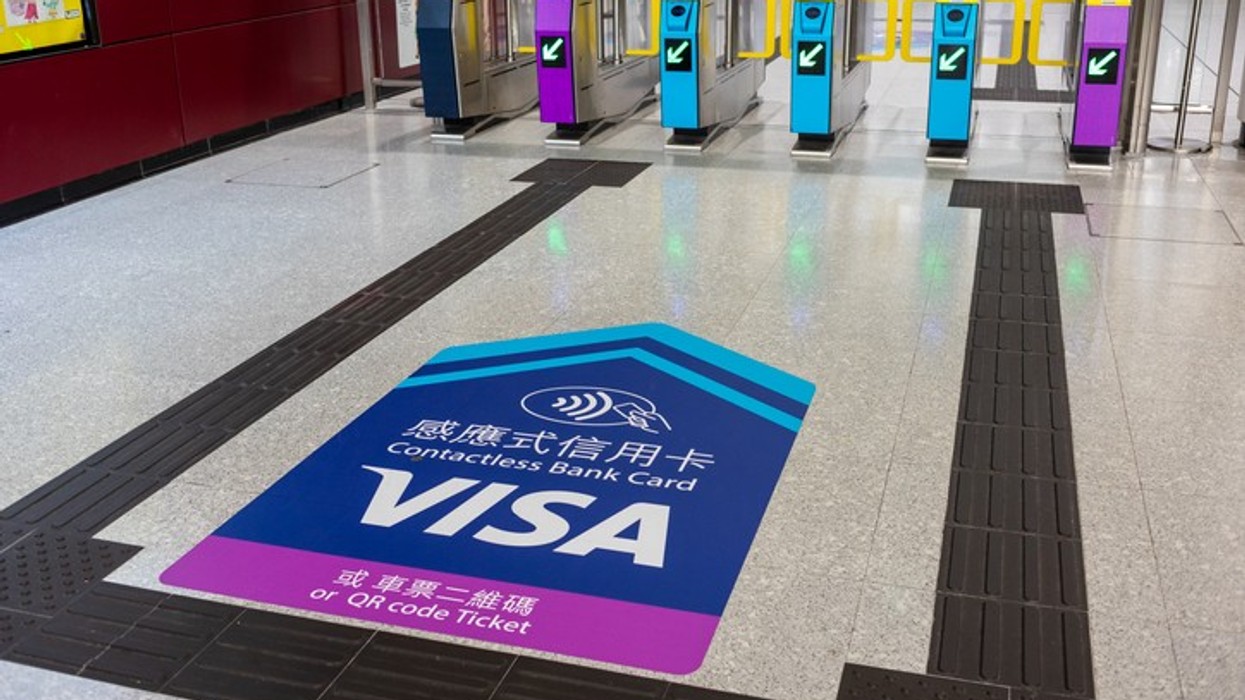

- China’s central bank has given Visa one year to complete preparations before it can apply to begin operations.
- The approval could allow Visa to process domestic yuan transactions through its own network.
- Visa still faces regulatory hurdles and strong competition from established Chinese payment providers.
Visa has received approval from the People’s Bank of China (PBOC) to begin preparations for a domestic bank card-clearing business, taking the US payments company closer to entering one of the world’s largest payments markets.
The approval, announced on Tuesday (13), allows Visa to start formal preparations to establish a locally registered clearing institution. The company must complete the preparatory work within one year before it can apply to begin operations, according to the central bank.
The decision does not mean Visa can immediately process domestic payments in China. It marks an important regulatory step towards that goal after years of efforts to gain access to the country’s tightly controlled financial sector.
Visa chief executive Ryan McInerney called the approval “a significant step forward in Visa’s long-standing commitment to China”.
“For more than 40 years, Visa has been an active contributor to China’s dynamic payments landscape. We look forward to taking the necessary steps in the process, pursuant to the PBOC’s regulations, to begin operating domestically in China,” he said in a statement.
What does the approval mean for Visa?
A domestic clearing operation would allow Visa to process transactions in yuan through its own network, rather than relying on China’s existing arrangements for domestic card payments.
The market has historically been dominated by state-backed China UnionPay. Foreign payment networks have been able to support internationally usable cards, but domestic transactions have remained subject to China’s local clearing rules.
Visa has worked with Chinese banks on dual-branded cards, with UnionPay handling domestic transactions and Visa processing payments overseas. A locally registered clearing business could give the company a more direct role in China’s domestic payments market.
However, Visa will still need to complete the required preparations and secure the necessary authorization before it can begin processing local transactions.
The company’s application process has stretched over several years. Visa first sought approval in 2017, according to reports, and the central bank later confirmed that revised application materials had been submitted in 2018. Visa has also referred to a May 2020 application in its subsequent disclosures.
Why is China’s decision significant?
The approval comes amid efforts by Washington and Beijing to improve economic cooperation. Visa’s announcement also follows meetings between US President Donald Trump and Chinese President Xi Jinping, with the company’s leadership publicly acknowledging the role of both governments in pursuing a more stable relationship.
George Chen, partner and chair of digital practice at The Asia Group, told CNBC that the timing was notable ahead of the next expected meeting between the two leaders at the Asia-Pacific Economic Cooperation (APEC) summit in Shenzhen next month. He said the move suggested Beijing wanted to demonstrate progress for American businesses before Trump’s next visit.
Visa’s rivals have already made inroads. American Express received approval for its joint venture to process domestic card transactions in 2020, while Mastercard’s Chinese joint venture began processing domestic payments in 2024 after securing regulatory approval.
But entering the market will not guarantee rapid growth. China’s consumer payments ecosystem is heavily shaped by mobile platforms, particularly Alipay, operated by Ant Group, and WeChat Pay, run by Tencent. These services are deeply embedded in everyday purchases, presenting a challenge for a card network seeking to expand its domestic presence.
For Visa, the approval is a significant opening, but not the finish line. The next stage will depend on completing the preparations, obtaining permission to operate and competing in a payments market where local providers already have a substantial foothold.











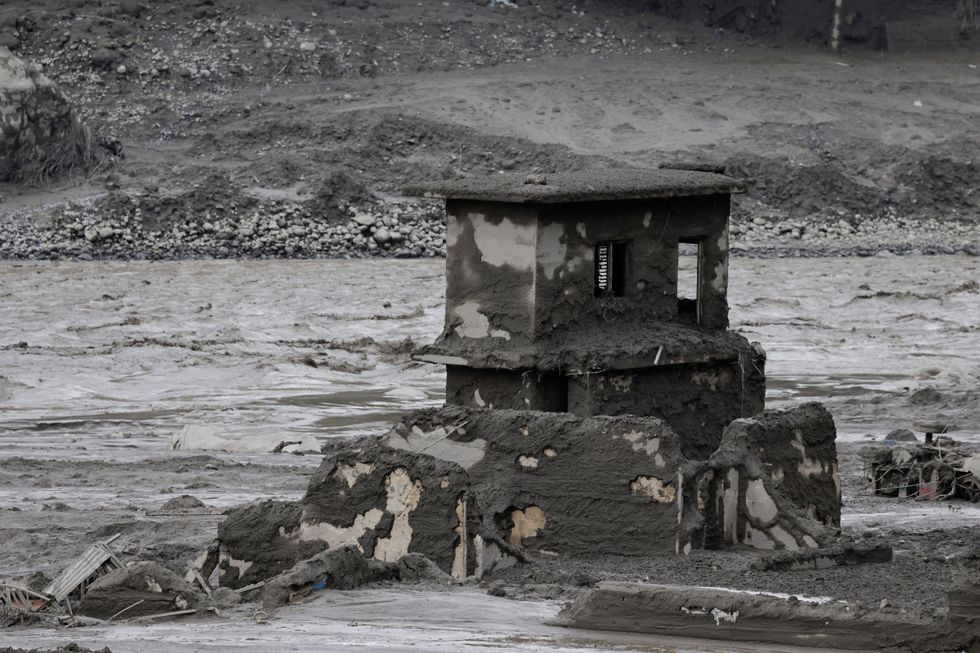 A mud-covered building following a flash flood at Trishuli in Nuwakot district, Nepal, August 26, 2026.Reuters.
 Sergio Gor and Brendan LynchX/Sergio Gor
 Jamieson GreerReuters
 Ajay SrivastavaLinkedin