

INDIAN authorities on Thursday (11) filled tanks with water and loaded them onto a train in the southern state of Tamil Nadu to supply its manufacturing capital Chennai where reservoirs have run dry.
Technicians in the railway station at Jolarpettai, located over 135 miles (217 kilometres) from Chennai, worked from early on Thursday to fill fifty wagons with 50,000 litres of water each, sourced from a south Indian river.
The unusual water train, expected to reach Chennai on Friday (12), will provide much-needed relief to the carmaking centre dubbed "India's Detroit."
The shortage has forced some schools to shut, companies to ask employees to work from home, and hotels to ration water for guests.
Bad water management and lack of rainfall mean all four reservoirs that supply Chennai have run virtually dry this summer. Other Indian cities, including the capital New Delhi and technology hub Bengaluru, are also grappling with water shortages.
The train was supposed to reach Chennai on Thursday, but leakages in valves connecting the tank to the railway station forced authorites to push back plans by a day, officials at the railway station said.
People living on the outskirts are blocking roads and laying siege to tanker lorries because they fear their water reserves are being sacrificed so city dwellers, businesses and luxury hotels do not run out.
Groundwater levels in Chennai and in regions around the city have been falling due to lack of rainfall. Like many Indian cities, Chennai's growth over the past 20 years has been rapid and haphazard.



 A 1996 photo of rapper Tupac Shakur (L) and Marion "Suge" Knight is shown on screens during closing arguments in the Duane Davis murder trial, related to the 1996 killing of rapper Tupac Shakur, at Clark County District Court at the Regional Justice Center in Las Vegas, Nevada, on August 31, 2026. Getty Images




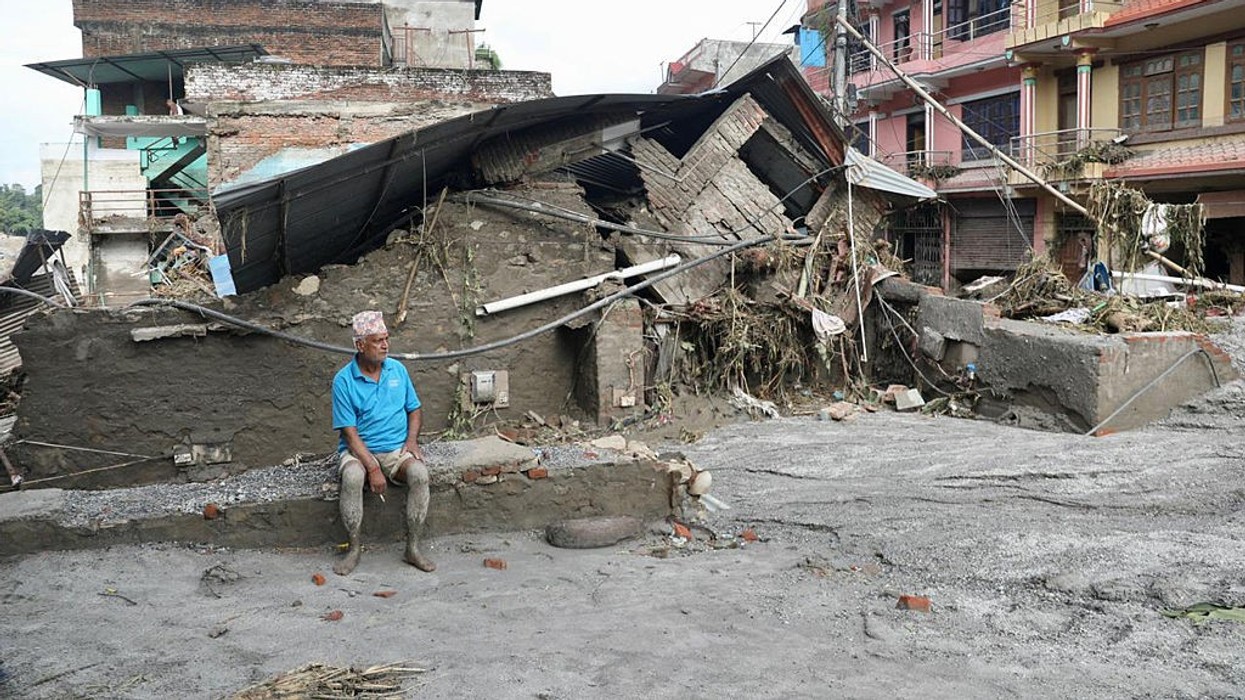
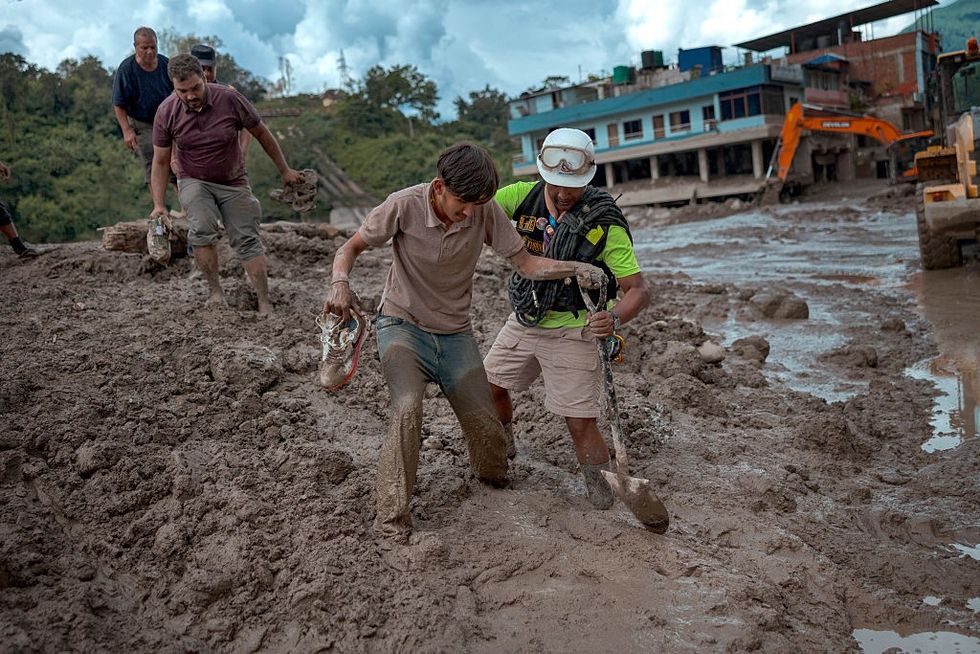 A rescuer assists a resident through heavy mud following flash floods on August 27, 2026 in Trishuli, Nepal. A sudden flood swept through the Bhote Koshi River basin in northern Rasuwa on August 26, damaging settlements, roads and energy infrastructure as rescue teams searched for residents and foreign travellers reported out of contact. Hundreds were reported missing, as the death toll started to climb.Getty Images
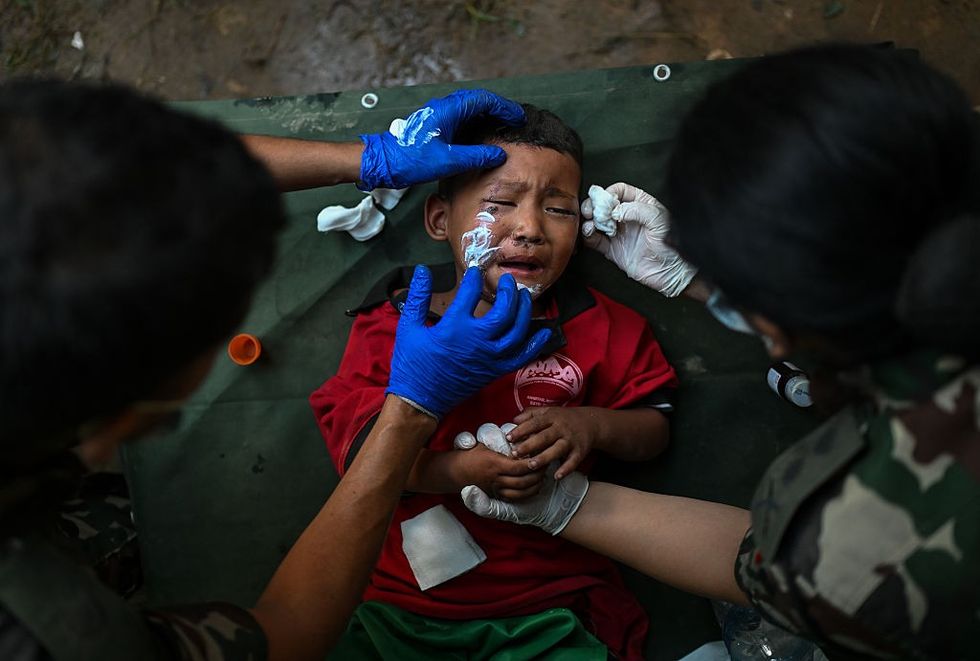 Rescue personnel provide medical treatment to a child at an army rescue camp in Trishuli Batar, Nepal, on August 27, 2026. A sudden flood swept through the Bhote Koshi River basin in northern Rasuwa on August 26, damaging settlements, roads and energy infrastructure, as rescue teams searched for residents and foreign travellers reported out of contact. Hundreds were reported missing as the death toll began to climb. Getty Ima
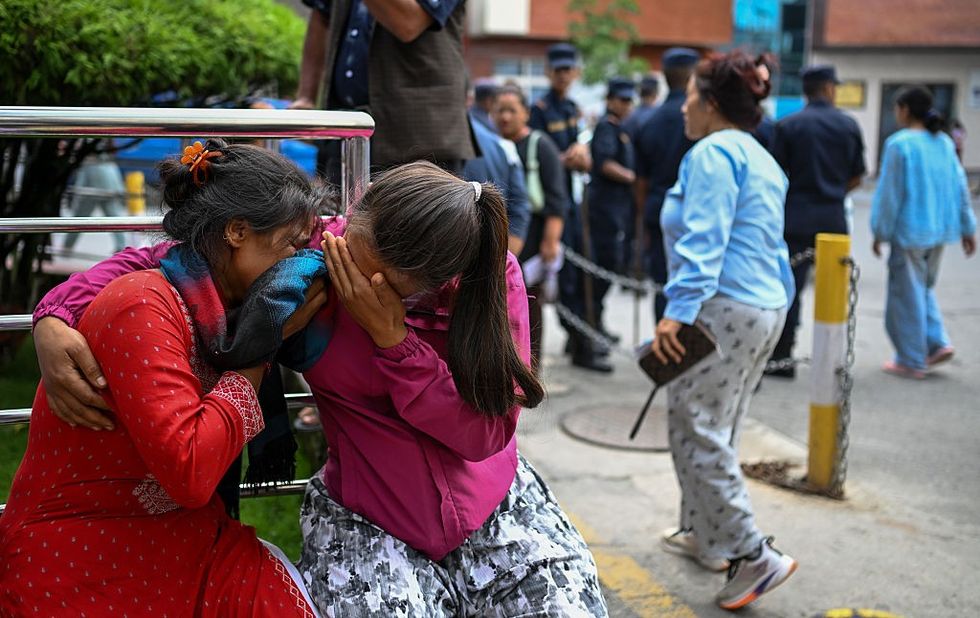 Family members of missing flood victims react at the emergency ward of the Maharajgunj Medical Campus, part of the Tribhuvan University Teaching Hospital, on August 28, 2026 in Kathmandu, Nepal. Authorities said the flash floods were triggered after a mass of ice, mud and rock collapsed into a Himalayan river near the Nepal-China border, leaving hundreds dead or missing and causing widespread damage in affected districts. Authorities continued the gruelling search for victims, many buried under metres of mud, as both China and Nepal issued fresh flooding alerts.Getty Images