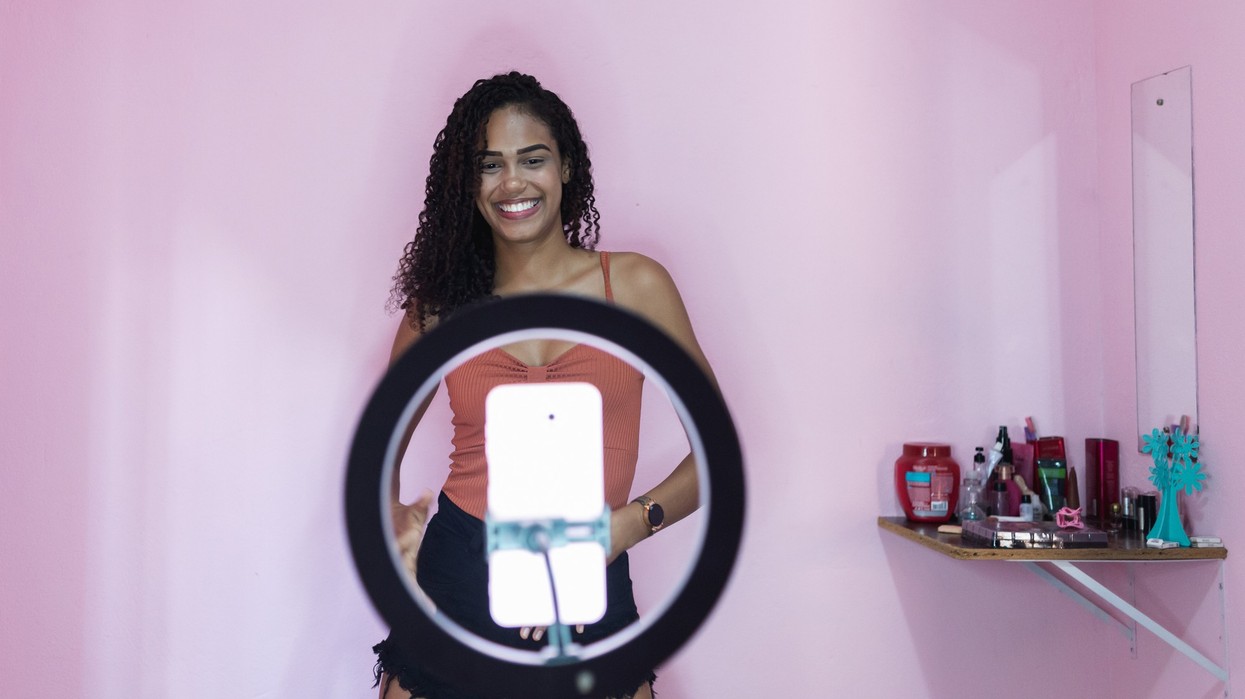

A decade after 2016 became shorthand for Vine clips, Snapchat filters, and carefree internet culture, TikTok users are suddenly acting as if they have traveled back in time. The hashtag #2026IsTheNew2016 has become one of the platform’s most recognizable nostalgia trends, with creators posting old selfies, school photos, blurry mirror shots, and side-by-side “then vs. now” edits. What started as a joke has turned into a genuine cultural moment. Here are five reasons the trend is resonating so strongly in August 2026.
1. People miss the “messy” internet
Today’s social media feeds are highly curated, filtered, and optimized for engagement. The 2016 throwback trend celebrates the opposite: grainy photos, overexposed selfies, awkward poses, and random moments that were never meant to look perfect. Many users say those posts feel more authentic than modern content. The appeal is not photographic quality; it is emotional honesty.
2. The music instantly triggers memories
A major driver of the trend is the soundtrack. Songs such as “Lush Life,” “Black Beatles,” “Panda,” “Starboy,” and “Lean On” are being reused in millions of short videos. Hearing even a few seconds of these tracks can transport viewers back to high school, college, early jobs, or their first smartphone. TikTok’s algorithm amplifies that reaction by repeatedly serving similar nostalgic clips.
3. It is a low-effort trend anyone can join
Unlike dance challenges or elaborate transitions, this trend requires almost no production. Creators simply open an old camera roll, select a few 2016 photos, add a trending audio clip, and post. Because participation is so easy, the trend spreads across age groups, countries, and follower counts. Teenagers, millennials, celebrities, and brands can all make a version in minutes.
4. The comment section becomes a group memory
The real magic happens below the video. Viewers do not just watch; they contribute their own memories:
- “This was my first phone.”
- “I was in ninth grade.”
- “Musical.ly era!”
- “Take me back to tuition days.”
Those comments create a shared time capsule. Each video becomes less about one creator and more about a generation collectively remembering a specific moment in internet history.
5. It reflects anxiety about the present
Nostalgia trends often become popular during periods of rapid change, and 2026 certainly feels that way. AI tools, constant notifications, remote work, economic uncertainty, and nonstop digital consumption have left many people craving a simpler online experience. For some users, 2016 represents the last period before social media became overwhelmingly commercialized and algorithm-driven. Whether that memory is perfectly accurate is less important than the feeling it provides.
“2026 Is the New 2016” is more than a throwback hashtag. It shows how social media users are pushing back against polished perfection and reconnecting with older versions of themselves. The most successful videos are not the ones with cinematic editing; they are the ones that make viewers say, “I remember exactly where I was when that photo was taken.”
In a platform built on speed and novelty, that kind of emotional recognition is surprisingly powerful—and it explains why this nostalgia wave is still dominating TikTok in mid-August 2026.




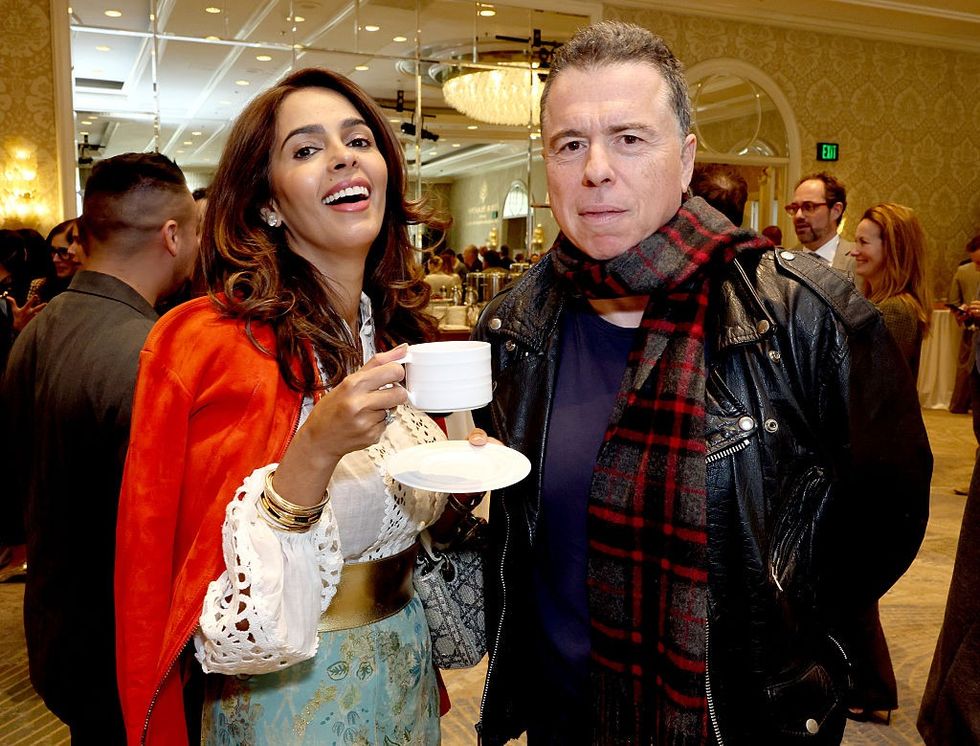 Mallika Sherawat and Sacha Gervasi attend The BAFTA Tea presented by Delta Air Lines and Virgin Atlantic & sponsored by Bentley Beverly Hills, The Four Seasons, Don Julio, Heineken, Maison Perrier, and Threads at Four Seasons Hotel Los Angeles at Beverly Hills on January 10, 2026 in Los Angeles, California. Getty Images
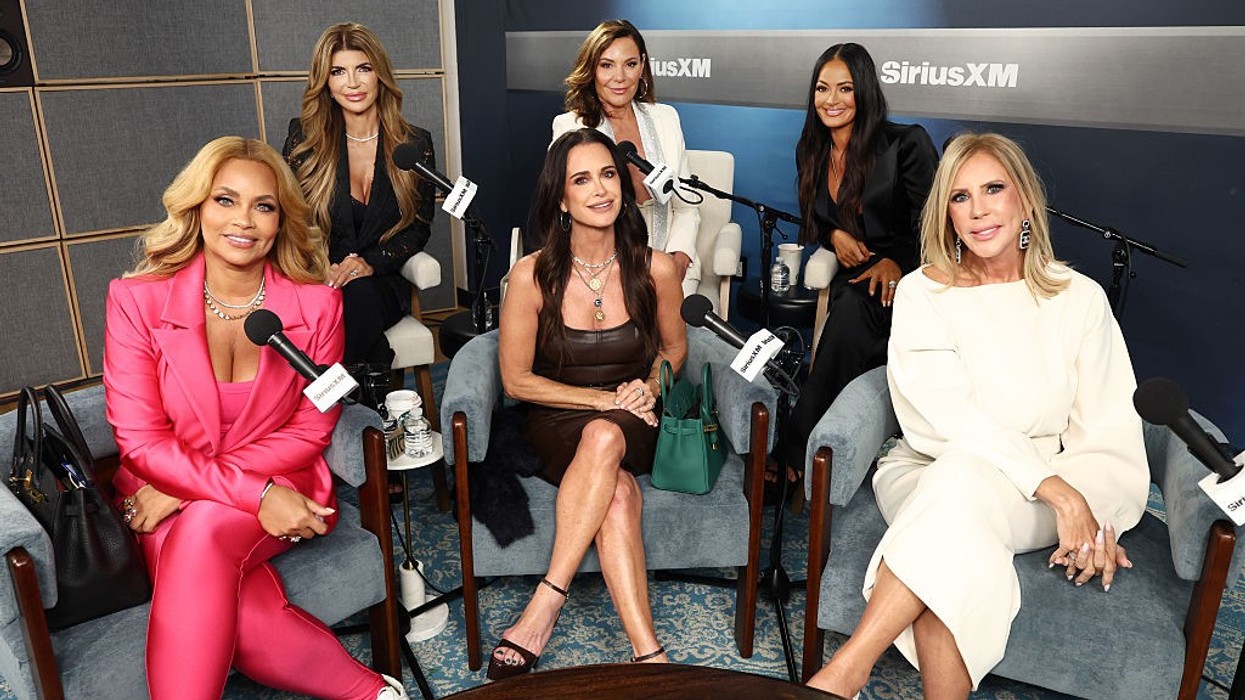
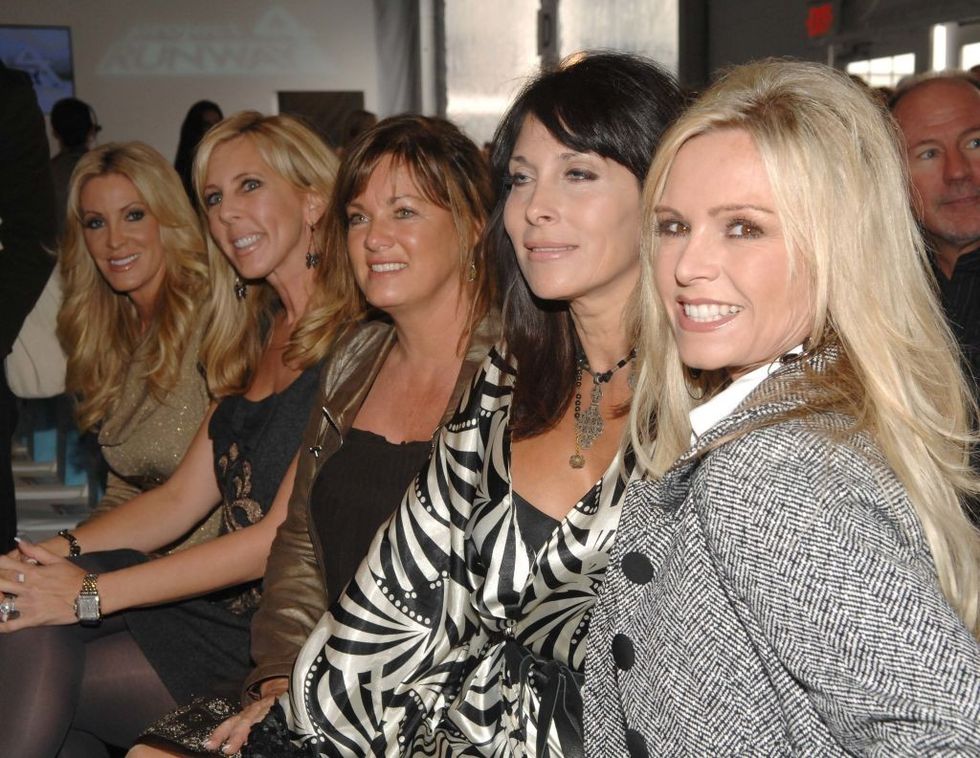 (L-R) Cast member of the "Real Housewives of Orange County" Lauri Waring, Vicki Gunvalson,Jeana Keough, Tammy Knickerbocker, and Tamara Barney attend the kick off of 'Project Runway' Season Four at Lincoln Center Plaza on November 6, 2007 in New York City.Getty Images
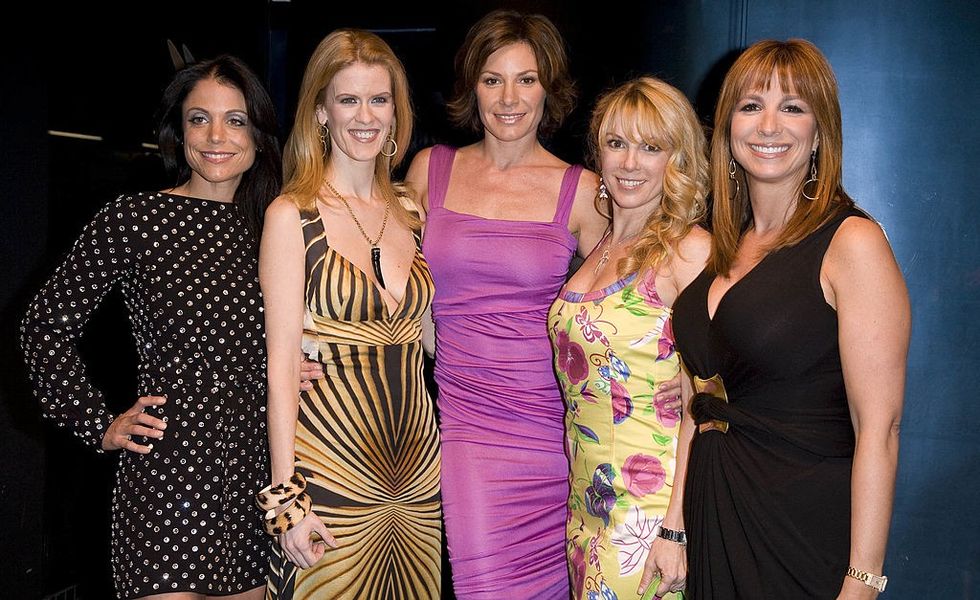 From "The Real Housewives of New York City," Bethenny Frankel, Alex McCord, Countess LuAnn de Lesseps, Ramona Singer and Jill Zarin attend the screening party for Bravo's "The Real Housewives of New York City," at Touch March 3, 2008 in New York City.Getty Images