

- The phase 3 trial involved 1,137 patients with high-risk melanoma.
- The vaccine was tested alongside pembrolizumab, an established immunotherapy.
- The treatment remains experimental and must undergo regulatory review before it can become widely available.
The treatment, called intismeran autogene, is being developed jointly by pharmaceutical companies Merck and Moderna. It is designed for people with high-risk melanoma whose tumors have been surgically removed, with the aim of reducing the chance of the cancer returning.
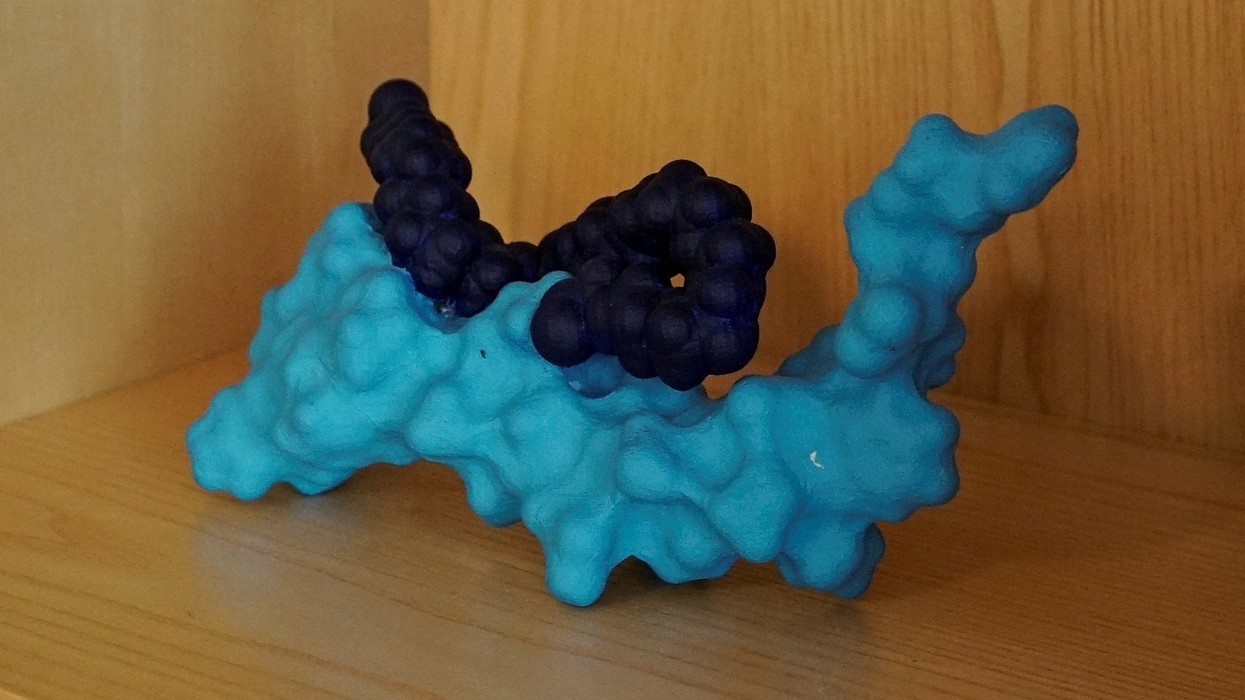
Unlike vaccines that prevent infections, this is a therapeutic cancer vaccine. It uses messenger RNA (mRNA) technology to help the immune system recognize features unique to a patient's tumor.
Researchers analyze the tumor's genetic makeup to identify abnormal proteins, known as neoantigens, that distinguish cancer cells from healthy tissue. The vaccine is then tailored to these features, effectively giving the immune system a personalized guide to what it should target.
The treatment is given alongside pembrolizumab, an immunotherapy sold under the brand name Keytruda. Pembrolizumab blocks a mechanism cancer cells can use to evade immune attack, while the personalized vaccine helps the immune system identify the specific cancer cells it needs to recognize.
What did the phase 3 trial find?
The international INTerpath-001 trial enrolled 1,137 patients with high-risk melanoma, ranging from stage IIB to stage IV, after their tumors had been completely removed through surgery.
Participants received either the personalized vaccine with pembrolizumab or pembrolizumab alone. After a median follow-up of 24.6 months, the combination reduced the risk of melanoma recurrence or death by 42 percent compared with immunotherapy alone.
At the two-year mark, 82.2 percent of patients who received the combination were alive without a recurrence, compared with 70 percent of those who received pembrolizumab alone. The combination also reduced the risk of distant metastasis or death by 38 percent.
Researchers reported an even larger reduction in risk among patients who remained recurrence-free beyond six months after starting treatment. A prespecified sensitivity analysis found a 58 percent reduction compared with pembrolizumab alone. This was a specific analysis of the results, not evidence that the vaccine prevents every recurrence.
The findings were presented at the European Society for Medical Oncology Congress 2026, and the results have been accepted for publication in The New England Journal of Medicine. The trial is continuing to assess longer-term outcomes, including overall survival, for which the data are not yet mature.
What happens next?
The results mark an important milestone for personalized cancer treatment, but they do not mean the vaccine is a cure or that it is ready for widespread use.
The treatment remains investigational. Merck and Moderna have said they are engaging with regulatory authorities, and approval timelines will depend on the review process in each country. Patients cannot yet access it as a routinely approved treatment.
Side effects also remain a consideration. The most commonly reported effects associated with the vaccine included fever, pain at the injection site and fatigue. Severe adverse events were reported in both trial groups, although researchers found no new safety signals.
Scientists are also investigating whether personalized mRNA approaches could help treat other cancers. However, results from melanoma cannot automatically be applied to other tumor types, and each approach will need evidence from its own clinical trials.
For now, the findings offer encouraging evidence that tailoring treatment to the unique characteristics of a patient's cancer can improve outcomes after surgery. The next test will be whether the benefit persists over time and whether regulators determine that the treatment's advantages outweigh its risks.








 Fantasy Bra featuring 4,410 natural diamondsGetty Images
 Barbara Palvin returned to the runway just six weeks after welcoming her first childGetty Images
 Summer DirxGetty Images
 Solange OmonGetty Images
 Tate McRaeGetty Images
 A final walk as confetti fell around themGetty Images


 Indian actress Priyanka Chopra attends the 3rd Annual InStyle Imagemaker Awards in Los Angeles on October 15, 2026. Getty Images
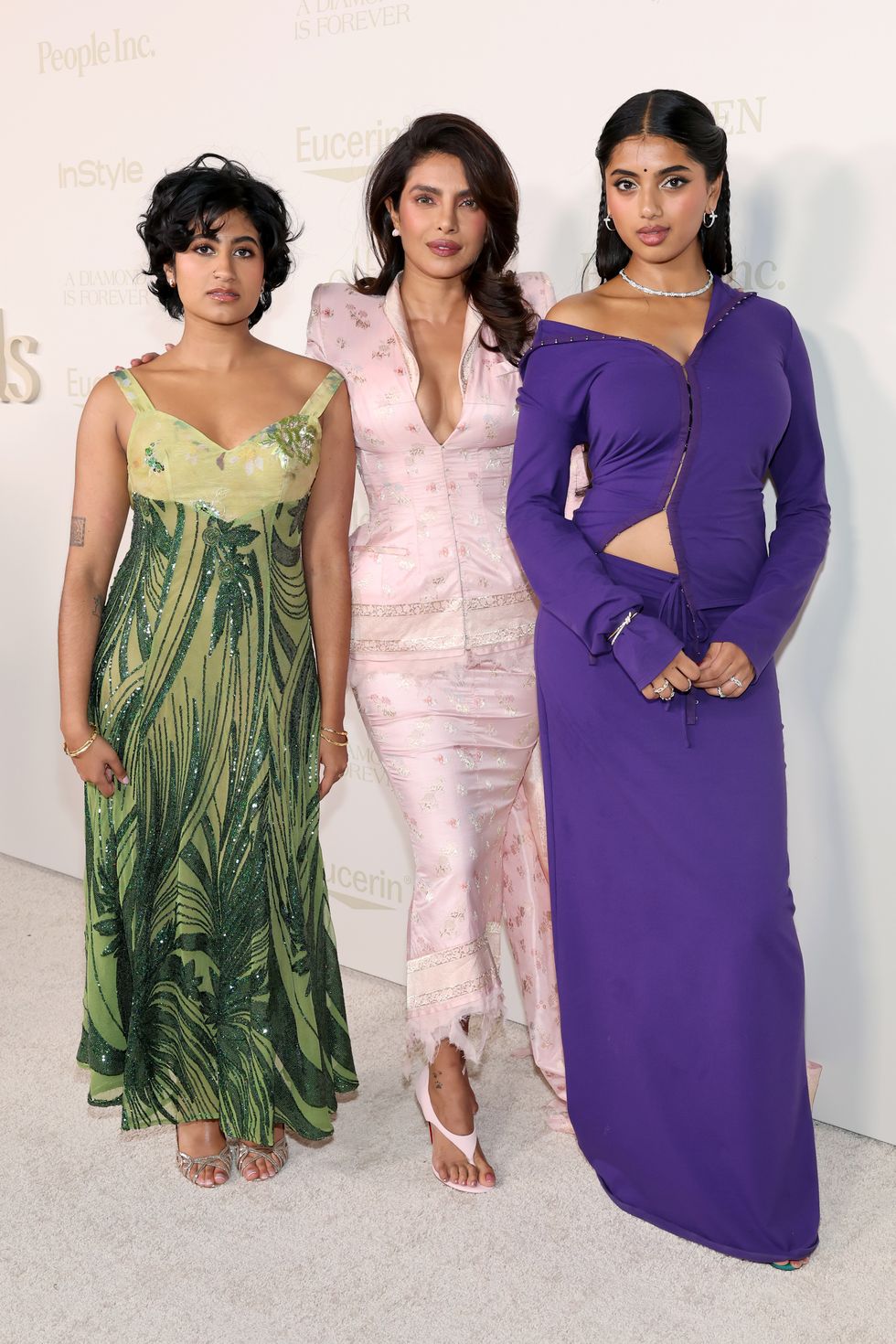 (L-R) Amita Rao, Priyanka Chopra Jonas and Avantika Vandanapu attend the 3rd Annual InStyle Imagemaker Awards on October 15, 2026 in Los Angeles, California. Getty Images