

Highlights
- Meta has agreed to a new share arrangement with Mark Zuckerberg amid concerns over a proposed 5% California wealth tax.
- The deal will give Zuckerberg access to non-voting shares that he can sell to meet a potential tax liability without significantly affecting his voting control.
- Zuckerberg has committed to remaining a resident of California, or another jurisdiction where Meta is headquartered, for eight years, subject to exceptions.
Meta has struck an agreement with chief executive Mark Zuckerberg to keep him in California, addressing concerns that a proposed billionaire wealth tax could expose him to a multibillion-dollar liability.
The arrangement will allow Zuckerberg to receive a new class of non-voting shares that he can sell to help cover a potential tax bill without significantly affecting his voting control of the company.
According to reports by Reuters and California Post, Zuckerberg had warned Meta's board that the proposed levy could force him to sell shares in the company or consider moving out of California.
The agreement requires him to remain a resident of California, or another jurisdiction where Meta maintains its corporate headquarters, for eight years, subject to certain exceptions.
Meta plans new share class for Zuckerberg
The proposed California wealth tax, referred to in reports as Proposition 40, would impose a one-time 5% tax on the net worth of billionaires in the state if approved by voters.
Zuckerberg, whose estimated net worth is around $240bn, has reportedly raised concerns that the measure could leave him facing a substantial tax bill. Most of his wealth is tied to his approximately 13% ownership stake in Meta, the parent company of Facebook and Instagram.
His Class B shares carry enhanced voting rights, allowing him to retain control of Meta despite owning a minority of its overall equity. However, selling enough shares to meet a large tax liability could reduce his voting interest and potentially affect that control.
Under the agreement, Meta plans to issue a new class of non-voting Class C common stock in January 2027. Zuckerberg will be able to sell 20% of the Class C shares he receives immediately. Those shares reportedly represent around 10% of his overall economic stake in Meta.
The company said the new structure would provide greater financial flexibility, support acquisitions and help retain key employees. Meta's board has also reportedly considered Zuckerberg's continued leadership important as the company faces growing competition and the substantial costs of expanding its artificial intelligence operations.
The filing indicated that Meta could need to raise hundreds of billions of dollars over several years, beginning as early as autumn 2026, to support its long-term growth plans.
Zuckerberg among tech billionaires opposing tax
California Post reported that Zuckerberg had discussed selling his Palo Alto compound, estimated to be worth $110m, as part of plans to establish residency outside California.
According to the publication, he told directors he would need to begin taking steps by mid-September to establish residency elsewhere by mid-October, ahead of the November 3 election.
The report also said Zuckerberg's lawyers sent a letter to a special committee of Meta's board on August 3 seeking changes to his compensation arrangements, including measures to improve his access to liquidity if he faced a substantial tax bill.
Zuckerberg is not the only technology billionaire whose finances and residency have come under scrutiny amid the proposed levy.
Google co-founder Sergey Brin has reportedly changed his residency to Nevada and spent substantial sums supporting efforts to defeat the measure. Former Google chief executive Eric Schmidt and cryptocurrency entrepreneur Chris Larsen have also contributed to campaigns opposing it.
The proposed tax has been championed by the Service Employees International Union-United Healthcare Workers West as a way to offset healthcare funding cuts at the federal level.
However, the measure faces an uncertain electoral outcome. California Post cited a recent poll showing 46% of respondents supporting the tax and 43% opposing it, suggesting the proposal had yet to secure majority backing in that survey.
Two other ballot measures backed by Brin, identified in reports as Propositions 41 and 42, could also introduce restrictions affecting the proposed wealth tax if approved by voters.
The developments emerged alongside Meta's second-quarter earnings report, which recorded a 26% year-on-year rise in revenue. The share arrangement reflects the company's effort to balance Zuckerberg's long-term leadership and voting control with its need for capital to support future investments.





















 Apple Watch SE Amazon
 Samsung Galaxy Watch Amazon
 Garmin Forerunner Amazon
 Amazfit Active Amazon
 Fitbit Inspire Amazon
 Noise ColorFit Smartwatch Amazon
 boAt Wave Smartwatch Amazon
 Fire-Boltt Smartwatch Amazon
 Redmi Watch Amazon
 CMF Watch Pro Amazon



 AmazonLogitech Wireless Keyboard




 Portronics Adjustable Laptop Stand Amazon
 Logitech Wireless Keyboard Amazon
 Logitech Wireless Keyboard Amazon
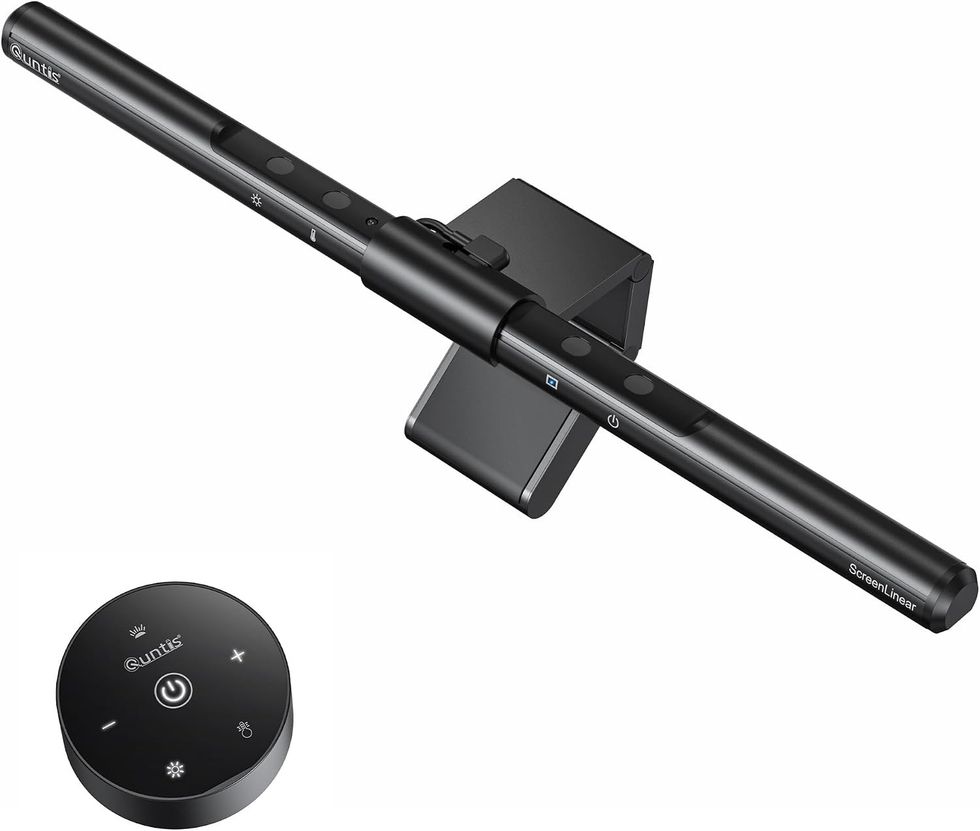 Zebronics Monitor Light Bar
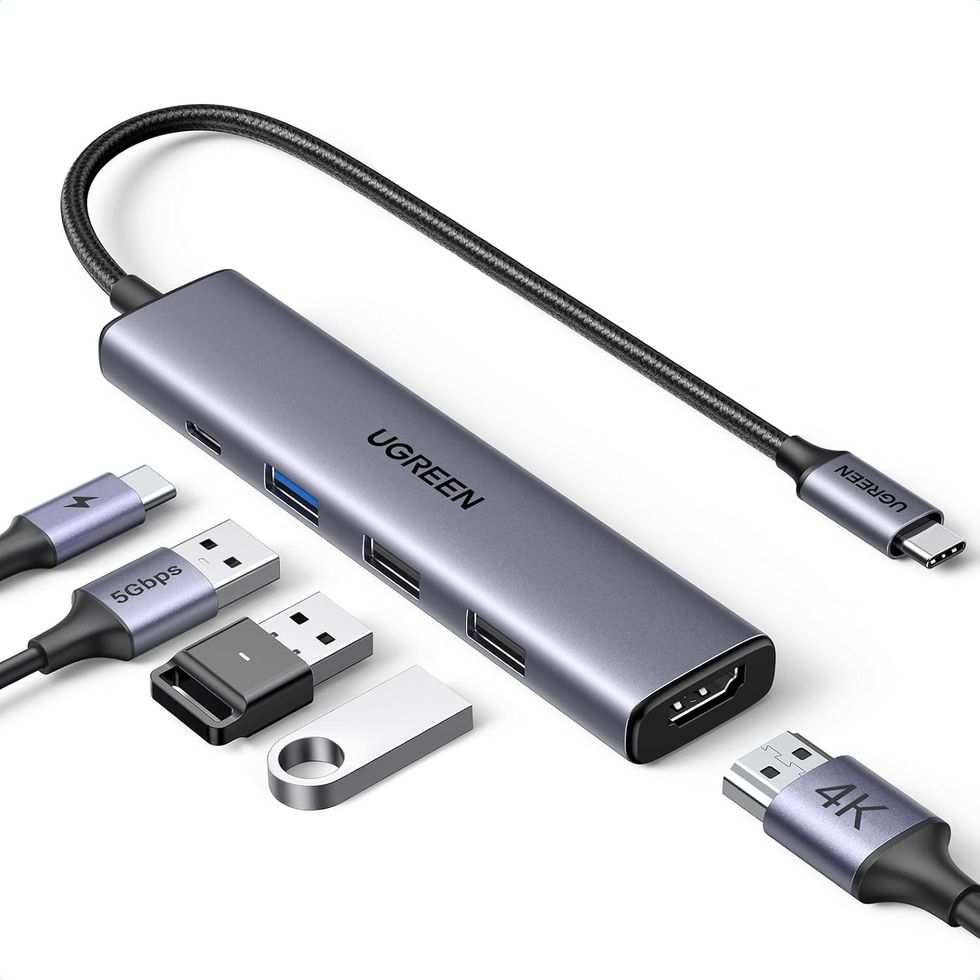 USB-C Multiport Hub Amazon
 Ergonomic Mouse Pad Amazon